- 1. The Philosophy of Quiet Luxury: Materials Over Monograms
- 2. Architectural Bones: Restoring Heritage Elements
- 3. The Bed as an Investment Anchor
- 4. The Anti-Suite Rule: Curating, Not Matching
- 5. Textile Stratification: The Science of Layering
- 6. Lighting Temperature and Architectural Integration
- 7. Color Theory: The Palette of Permanence
- 8. Art Curation: Originality vs. Mass Production
- 9. Window Treatments: The Floor-to-Ceiling Imperative
- 10. The Invisible Modernity: Concealing Technology
- 11. Spatial Flow and Zoning for Relaxation
- Frequently Asked Questions
- Conclusion
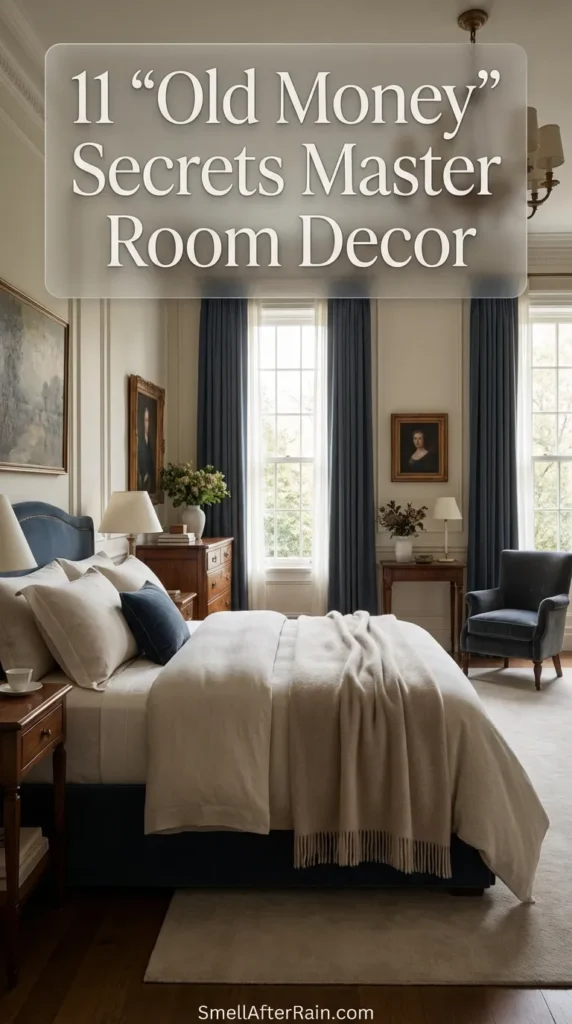
True luxury whispers; it never shouts. When we analyze Modern Luxury Bedroom design through the lens of the “Old Money” aesthetic, we aren’t talking about gold-plated fixtures or logos emblazoned on pillowcases. We are talking about heritage, permanence, and an unwavering commitment to quality materials. This approach to Master Room Inspiration transcends fleeting trends, focusing instead on creating a space that feels collected over generations rather than purchased in a single weekend.
In this comprehensive guide, we strip away the veneer of fast fashion home decor to reveal the structural and stylistic pillars of a truly Classy Bedroom. Whether you are working with a sprawling estate or looking for Bedroom Ideas For Small Rooms that punch above their weight, the principles of high-end design remain constant. By integrating the refined sensibilities found at Smell After Rain, we will transform your sleeping quarters into a sanctuary of sophisticated calm.
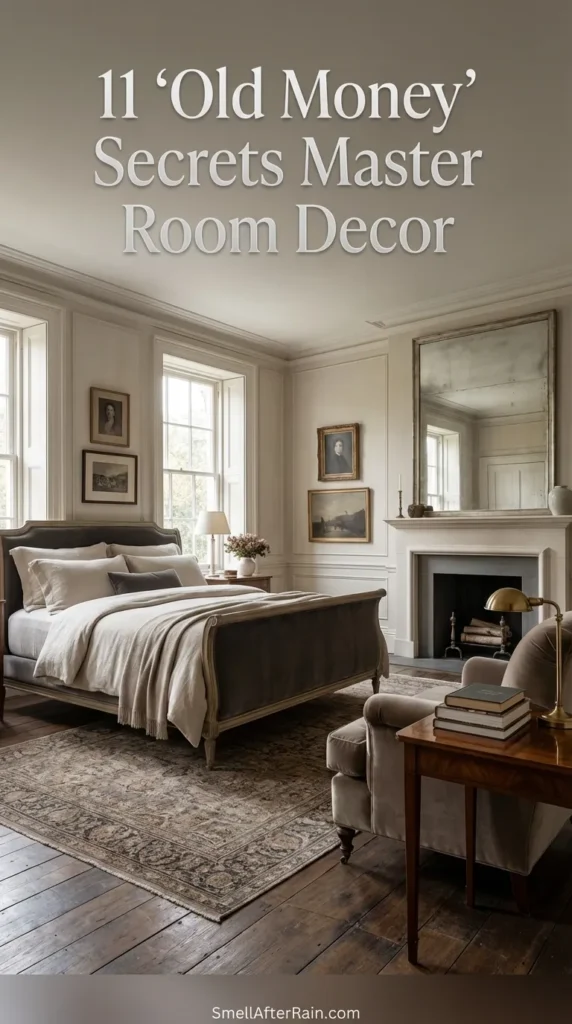
1. The Philosophy of Quiet Luxury: Materials Over Monograms
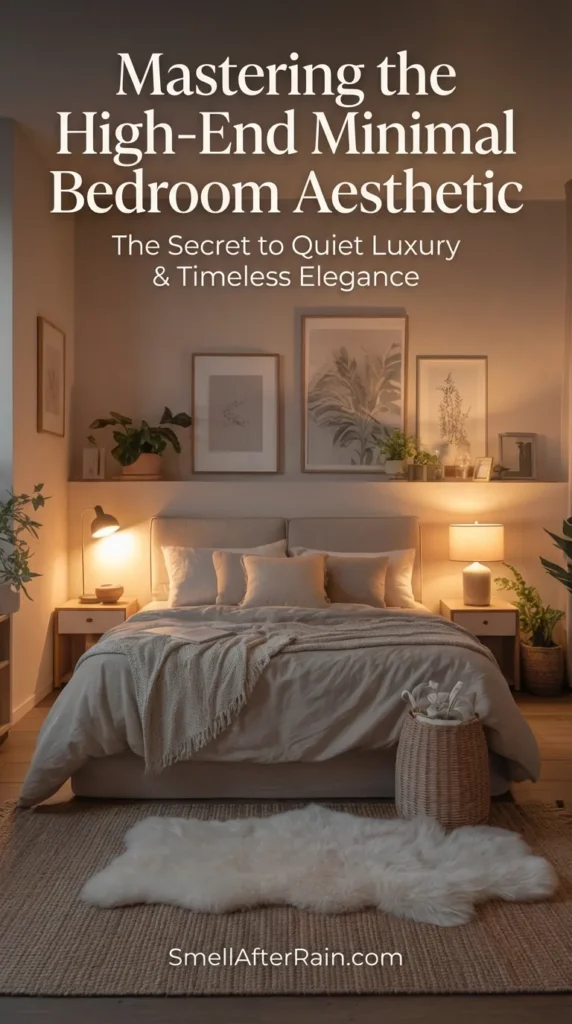
The first rule of the “Old Money” aesthetic is the prioritization of material integrity. In a Modern Bedroom Interior, this means selecting wood that looks like wood, stone that feels like stone, and metals that patina with age. The goal is to achieve a high-end minimal bedroom aesthetic where the texture itself provides the decor.
Avoid veneers or particle board which degrade quickly. Instead, look for solid walnut, oak, or mahogany. The tactile experience of your room dictates its luxury level. When your hand brushes against a nightstand, it should feel substantial. This philosophy aligns perfectly with a Minimalist Bedroom approach—you need fewer items when the items you have possess commanding quality.
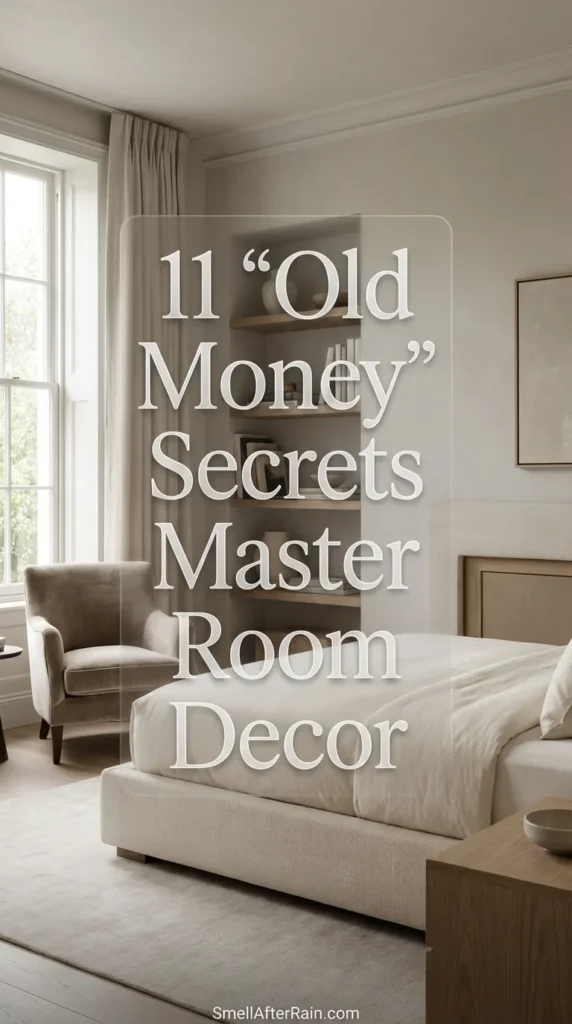
2. Architectural Bones: Restoring Heritage Elements
Before bringing in a single piece of furniture, a high-end designer looks at the “bones” of the room. Many Modern Bedroom Ideas fail because they ignore the shell of the space. To elevate your property value and aesthetic, you must address the architectural details.
If your room lacks character, add it. Crown molding, wide baseboards (at least 5 inches), and wainscoting or picture-frame molding add instant depth and history. These elements create a shadow line that makes the ceiling feel higher and the room more substantial. In a Luxury Bedroom Master suite, the walls should not be flat, lifeless surfaces; they should articulate the geometry of the space. Even in smaller spaces, applying vertical paneling can trick the eye, making it one of the most effective Bedroom Ideas For Small Rooms to increase perceived volume.
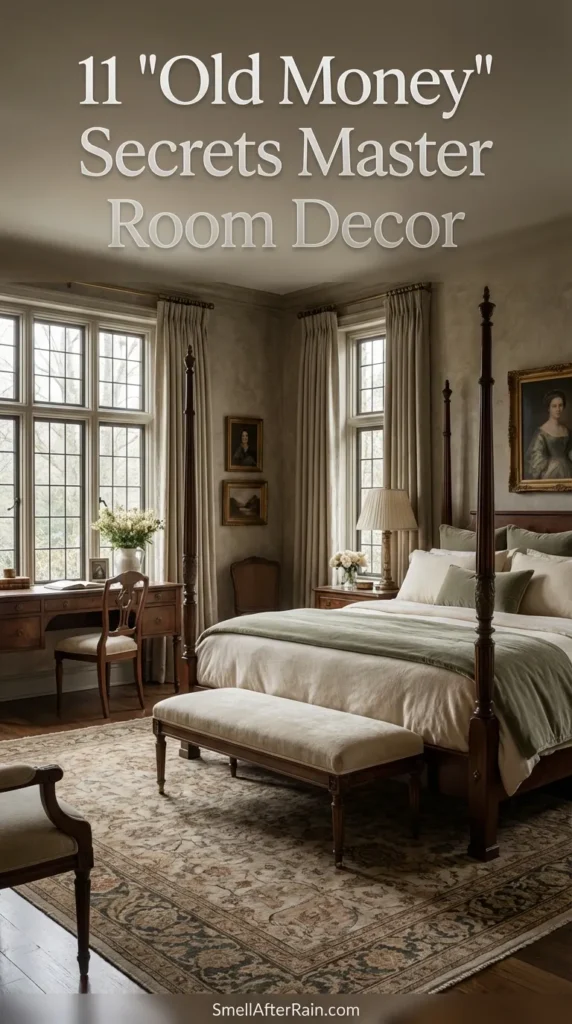
3. The Bed as an Investment Anchor
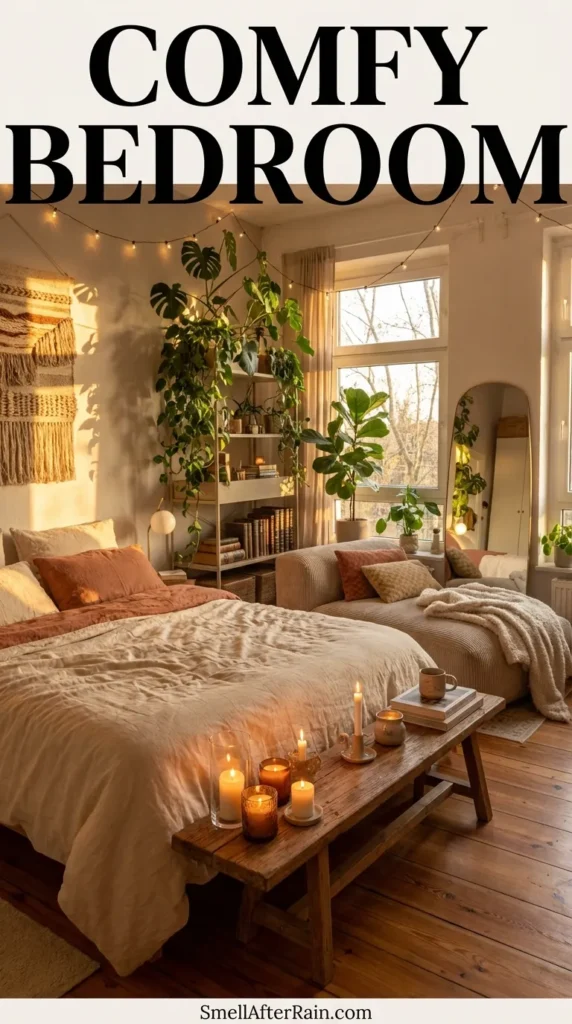
The bed is the visual and functional centerpiece of the room. In the world of high-end design, the bed frame and mattress are treated as capital investments. To truly build a comfy bedroom, you must look beyond the aesthetic and consider the engineering of sleep.
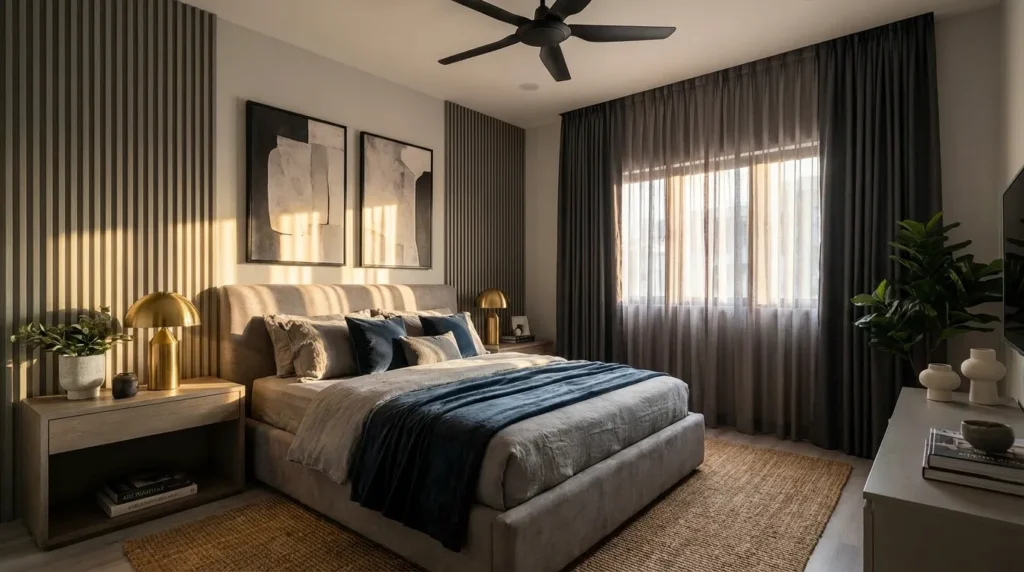
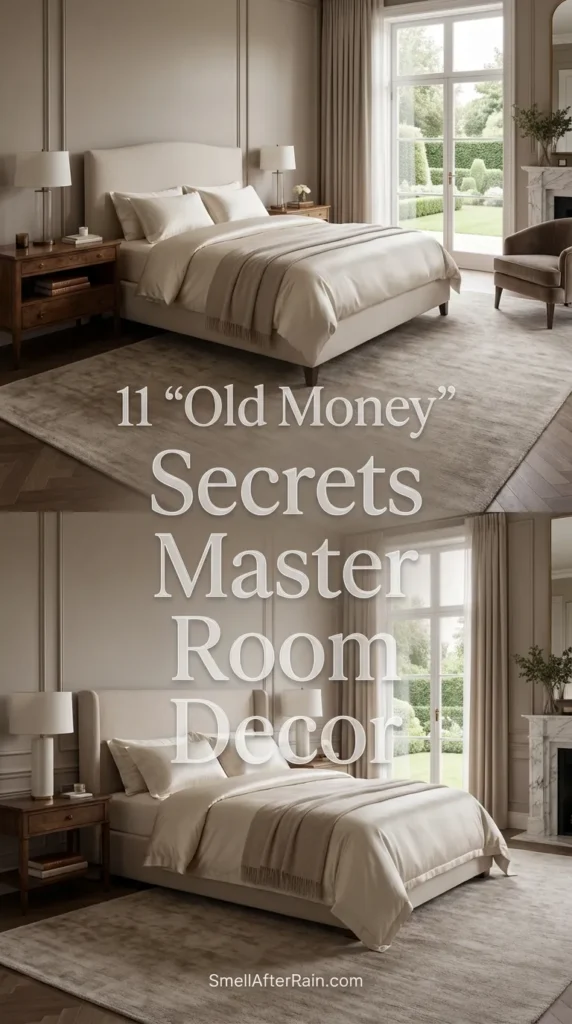
Opt for upholstered headboards in performance velvet or heavy linen, or solid wood frames with intricate joinery. The “Old Money” look often favors a bed height that is slightly higher than modern platform beds, suggesting a grandeur reminiscent of boutique hotels. Ensure the scale of the bed matches the room; a King bed in a tiny room screams “clutter,” while a Queen in a massive suite feels temporary. Balance is the key to Cozy Master Bedrooms Decor.
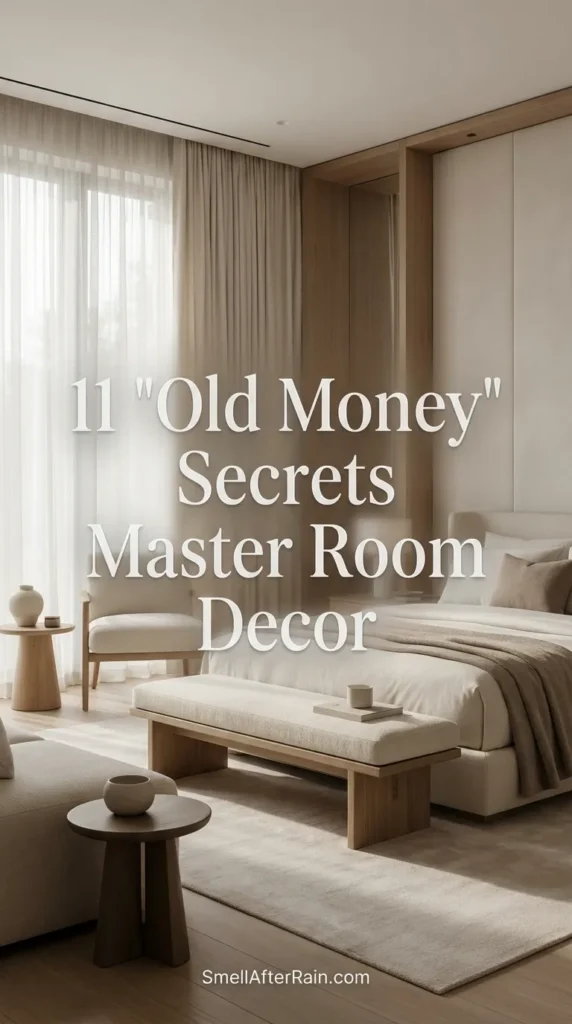
4. The Anti-Suite Rule: Curating, Not Matching
One of the most common pitfalls in amateur design is purchasing a matching bedroom set (bed, two nightstands, dresser, and mirror all from the same line). This screams “showroom,” not “designer home.” To achieve a bespoke look, you must curate.
Mix periods and styles. Pair a mid-century modern walnut dresser with a contemporary upholstered bed. Use antique brass lamps on sleek, lacquer nightstands. This tension between eras creates a narrative. It suggests the room evolved over time, which is the hallmark of the “Old Money” style. If you are struggling with how to mix these elements without chaos, read about fatal bedroom design mistakes to avoid to ensure your curation remains cohesive.
5. Textile Stratification: The Science of Layering
A room without texture is a room without a soul. To create Cozy Bedroom Ideas that feel expensive, you must master the art of stratification—layering different fabrics to create visual weight and physical warmth. This is particularly crucial if you are aiming for a dreamy bedroom idea for a cozy minimalist escape.
- The Base: Start with percale or sateen cotton sheets with a high thread count (look for long-staple cotton).
- The Warmth: Add a duvet with a linen cover. Linen offers a relaxed elegance that prevents the bed from looking too stiff.
- The Accent: Finish with a cashmere or chunky wool throw at the foot of the bed and silk or velvet accent pillows.
The interplay of light hitting silk versus light being absorbed by wool creates a dynamic visual experience that elevates the entire Master Room Decor.
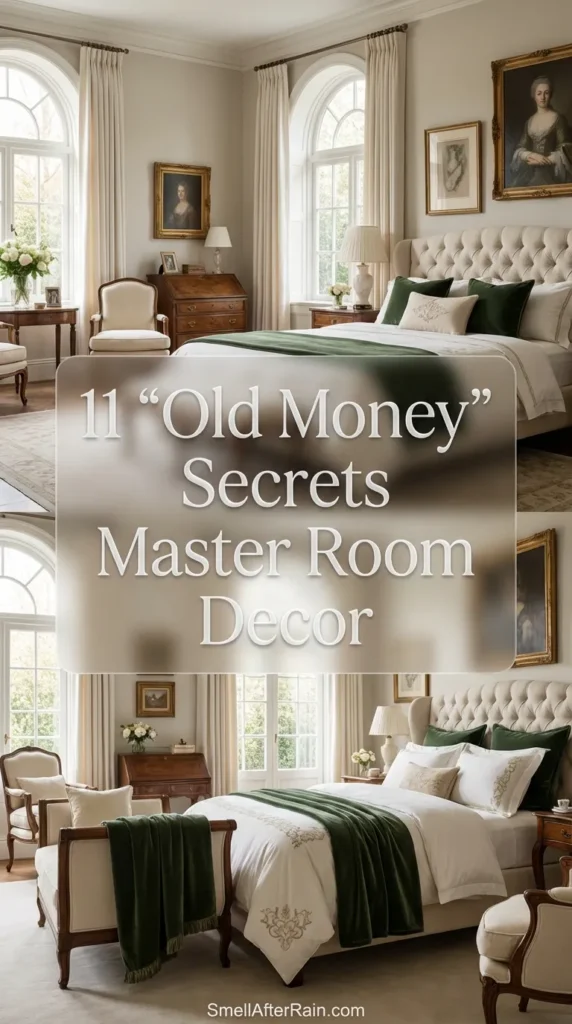
6. Lighting Temperature and Architectural Integration
Nothing kills a luxury vibe faster than a single overhead “boob light” or cool-toned LEDs (4000K+). High-end interiors rely on layered lighting. You need ambient lighting (general), task lighting (reading), and accent lighting (art/mood).
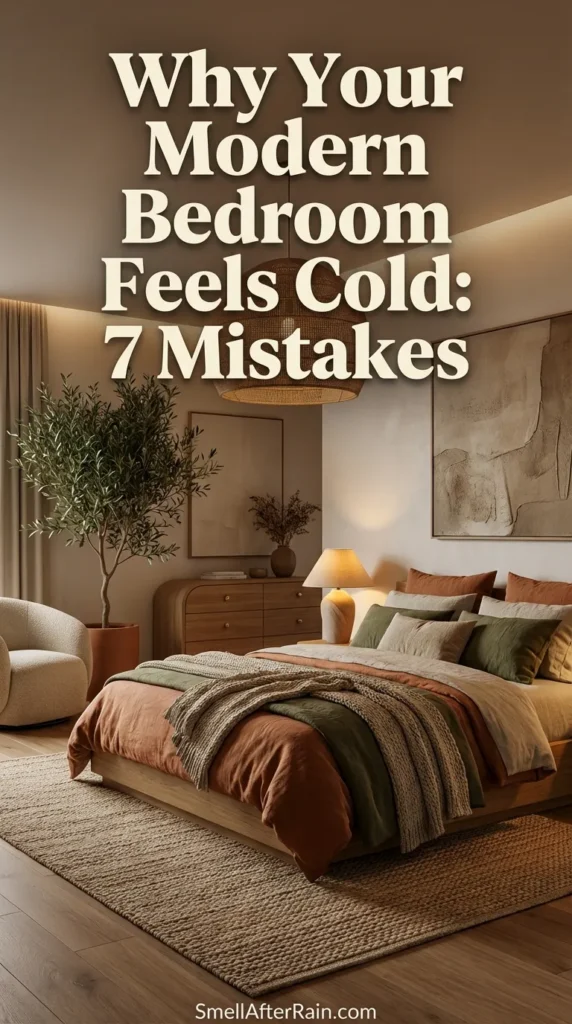
Ensure all bulbs are 2700K to 3000K (Warm White). This spectrum mimics candlelight and sunset, promoting relaxation. Install dimmer switches on every circuit—this is non-negotiable. If your room feels sterile, it might be due to poor lighting choices. Review why your modern bedroom feels cold to understand how temperature impacts perception. Consider wall sconces to free up nightstand space, a trick that serves both form and function in Modern Bedroom Interior design.
7. Color Theory: The Palette of Permanence
The “Old Money” palette is restrained. It favors neutrals—creams, taupes, terracottas, and sage greens—or deep, moody hues like navy, charcoal, and forest green. Avoid jarring neon brights or overly trendy “color of the year” splashes that date the room instantly.
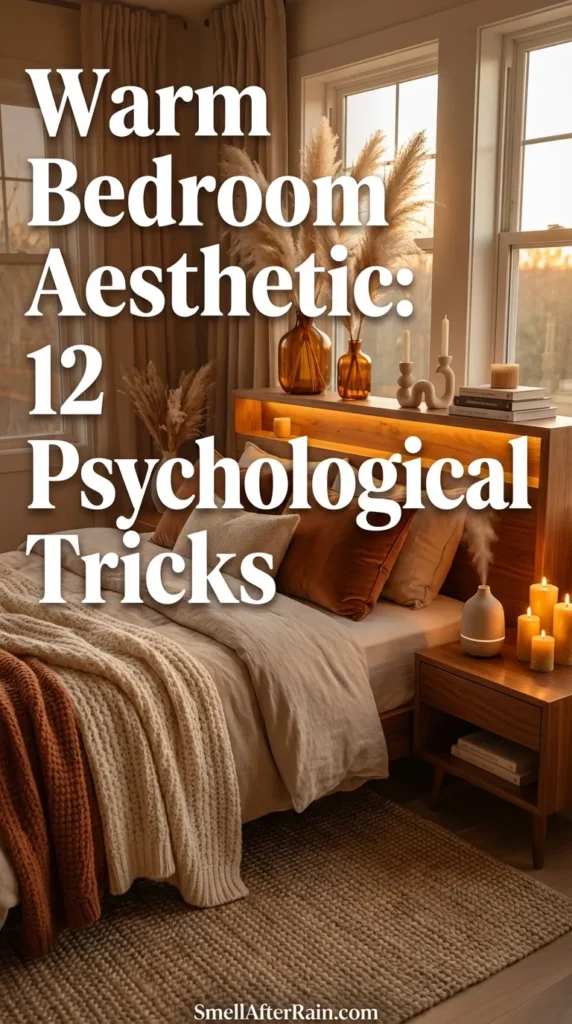
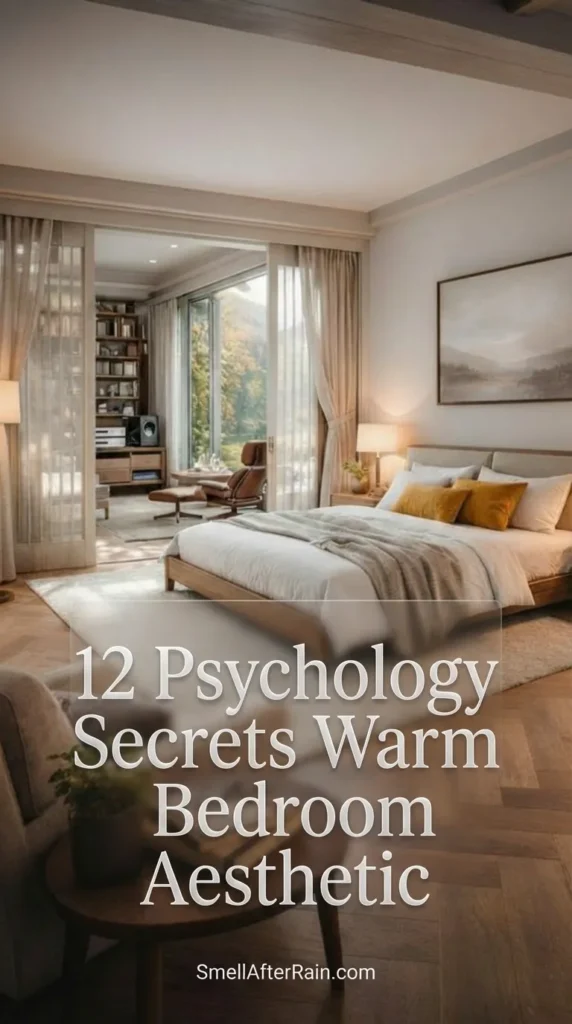
For a Warm Bedroom Aesthetic, lean into earth tones. Monochromatic schemes (layering different shades of the same color) are incredibly chic and make a room feel larger and more cohesive. There are specific psychological tricks behind these color choices that high-end hotels use to induce sleep and a sense of safety. Paint the ceiling a shade slightly lighter than the walls, or go bold and paint the ceiling the same color for a cocoon effect.
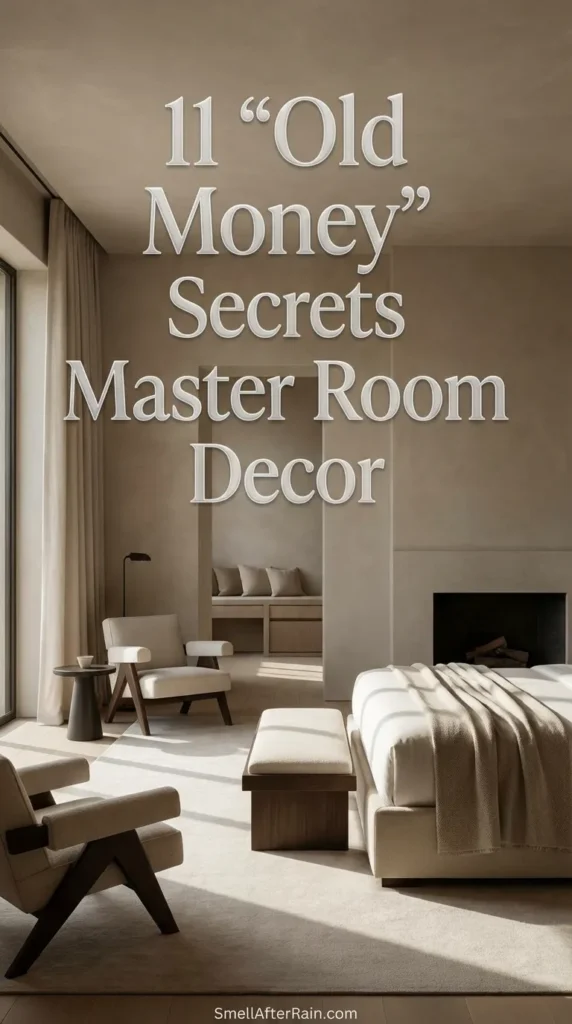
8. Art Curation: Originality vs. Mass Production
In a Minimalist Bedroom, art is one of the few places you can introduce significant personality. Avoid generic prints from big-box stores. Instead, hunt for vintage oil paintings, sketches, or limited edition photography. One large, framed piece above the bed often has more impact than a cluttered gallery wall.
The framing is just as important as the art. Use wide mats and substantial frames. If you are on a budget, buy a vintage book, remove the plates, and frame them in high-quality frames. This approach aligns with the minimalist bedroom design philosophy: every item must earn its place.
9. Window Treatments: The Floor-to-Ceiling Imperative
The way you dress your windows dictates the verticality of the room. To achieve that Luxury Bedroom Master feel, drapery must be hung high and wide. Install the curtain rod as close to the ceiling molding as possible, and extend it 6-10 inches beyond the window frame on either side.
This trick makes the window appear larger and allows the maximum amount of natural light to enter when the curtains are open. Material-wise, opt for heavy lined curtains. The lining adds volume and protects the fabric from sun damage, while also providing blackout functionality essential for sleep hygiene. Cheap, unlined curtains that stop at the windowsill are the antithesis of luxury.
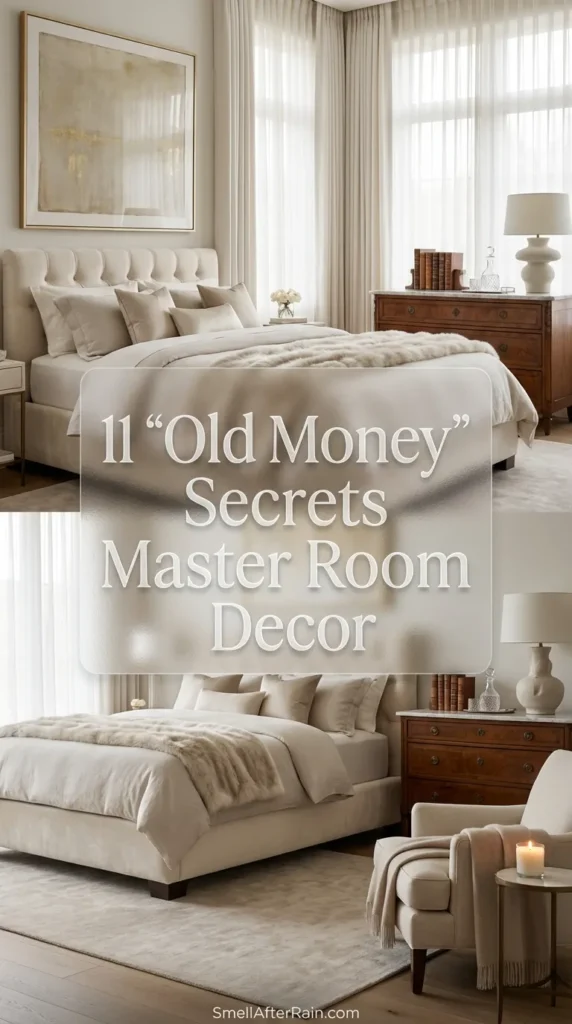
10. The Invisible Modernity: Concealing Technology
While we love our devices, visible wires, blinking routers, and plastic screens destroy the serene, timeless aesthetic of a Classy Bedroom. The “Old Money” approach is about discretion.
If you must have a TV, consider a Frame TV that looks like art when not in use, or hide it within a motorized cabinet. Charging stations should be integrated into drawers or hidden behind books. The goal is to create a space that feels disconnected from the chaotic digital world. For more on creating this type of sanctuary, explore our guide to creating a cozy minimalist sanctuary.
11. Spatial Flow and Zoning for Relaxation
Finally, the arrangement of furniture contributes to the subconscious feel of the room. A luxury master bedroom often includes a seating area—even if it’s just a single velvet armchair in the corner. This signals that the room is for living, not just sleeping.
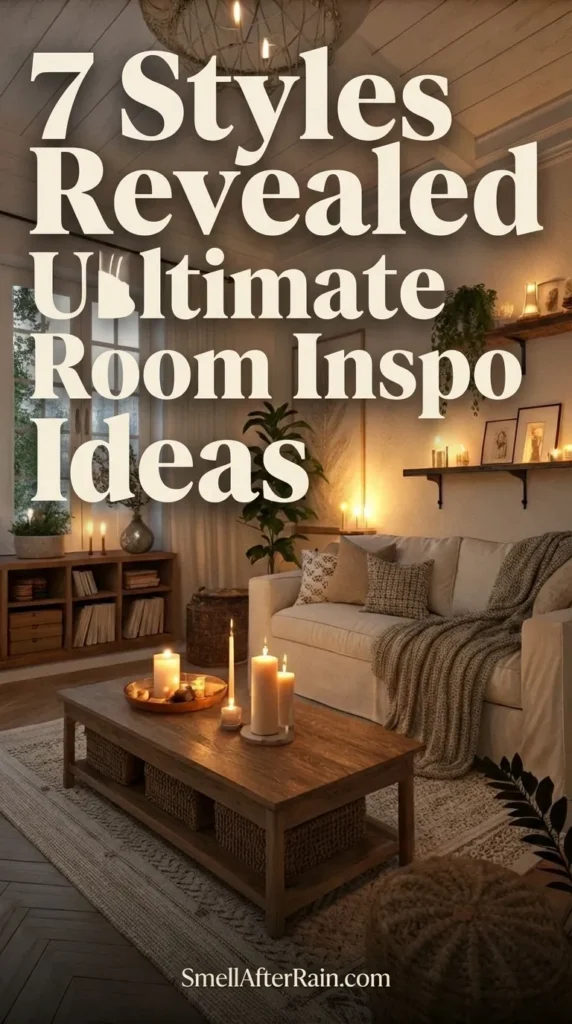
Ensure there is ample walking path space (flow). A cramped room never feels luxurious. If you are struggling with a difficult layout, check out our ultimate room inspo guide which breaks down styles and layouts. By zoning a reading nook or a meditation corner, you increase the utility and the perceived value of the master suite.
Frequently Asked Questions
What makes a bedroom look “Old Money”?
The “Old Money” aesthetic is defined by quality materials, heritage architectural details (like molding), antique or vintage furniture mixed with modern pieces, and a lack of overt branding. It emphasizes natural fibers like linen, silk, and wool, and relies on a sophisticated, restrained color palette.
How can I make my master bedroom look expensive on a budget?
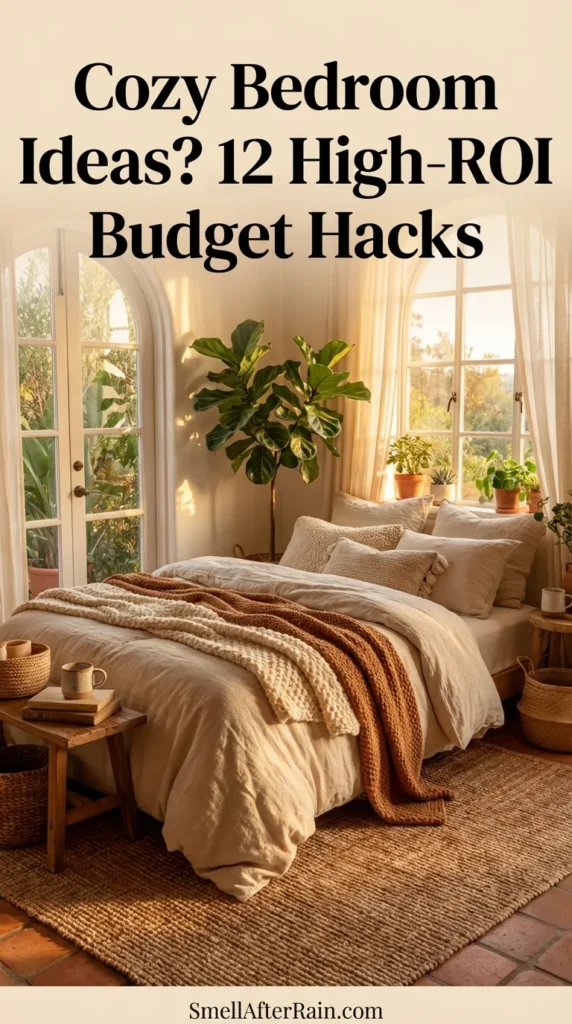
Focus on paint and lighting first. specific paint colors and swapping out builder-grade light fixtures for unique ones makes a huge difference. Additionally, hanging curtains floor-to-ceiling and decluttering surfaces are free or low-cost ways to elevate the space. For more financial strategies, read about high ROI budget hacks.
What is the best color for a relaxing master bedroom?
Psychologically, cool neutrals like soft gray, sage green, and pale blue are most conductive to sleep. However, warm earth tones like terracotta and beige are currently trending for a cozy, enveloping feel. The key is to choose muted, muddy tones rather than bright, primary colors.
Should nightstands match the bed?
No. In high-end design, matching sets are generally avoided. It is better to coordinate materials (e.g., a walnut bed with lacquered painted nightstands, or an upholstered bed with wooden nightstands) to create a curated, collected look.
How do I mix modern and traditional styles in a bedroom?
Follow the 80/20 rule. Choose one style as your dominant theme (e.g., Traditional architecture and rugs) and accent with the other (e.g., Modern lighting and art). This contrast creates tension and interest, preventing the room from feeling like a museum or a spaceship.
Conclusion
Elevating your Master Room Decor to reflect a high-end, “Old Money” sensibility is a journey of subtraction as much as addition. It requires removing the clutter, the cheap synthetics, and the matching sets, and replacing them with thoughtful, quality investments. By following these 11 rules, you not only create a visually stunning Modern Luxury Bedroom but also a restorative sanctuary that adds tangible value to your home and your well-being. Visit Smell After Rain for more detailed guides on crafting your perfect retreat.