- 1. The Psychology of the Anchor Point
- 2. Circadian Lighting Layers
- 3. The Texture-Serotonin Connection
- 4. Warm Neutrals and Color Psychology
- 5. Biophilic Design for Stress Reduction
- 6. Spatial Flow and Cognitive Load
- 7. The Scentscape of Serenity
- 8. Acoustic Dampening for Deep Rest
- 9. The Psychology of Bedding Weight
- 10. Negative Space and Visual Rest
- 11. Personal Artifacts and Grounding
- 12. Digital Boundaries and Blue Light
- Frequently Asked Questions
- Conclusion

Your bedroom is not merely a room; it is a psychological container for your subconscious. In the realm of interior psychology, the concept of a warm bedroom aesthetic goes far beyond trending Pinterest boards or the visual appeal of beige throws. It is about how a space communicates safety to your nervous system. When we discuss a soft bedroom aesthetic or a warm minimalist bedroom, we are actually discussing the engineering of tranquility.
Why do some rooms immediately lower your heart rate while others leave you feeling wired? The answer lies in the intersection of evolutionary biology, sensory processing, and spatial design. A warm cozy room aesthetic isn’t just about style; it is about creating an environment where your amygdala—the brain’s fear center—can finally stand down. To achieve the ultimate calm bedroom aesthetic, we must look past the furniture and into the mind.
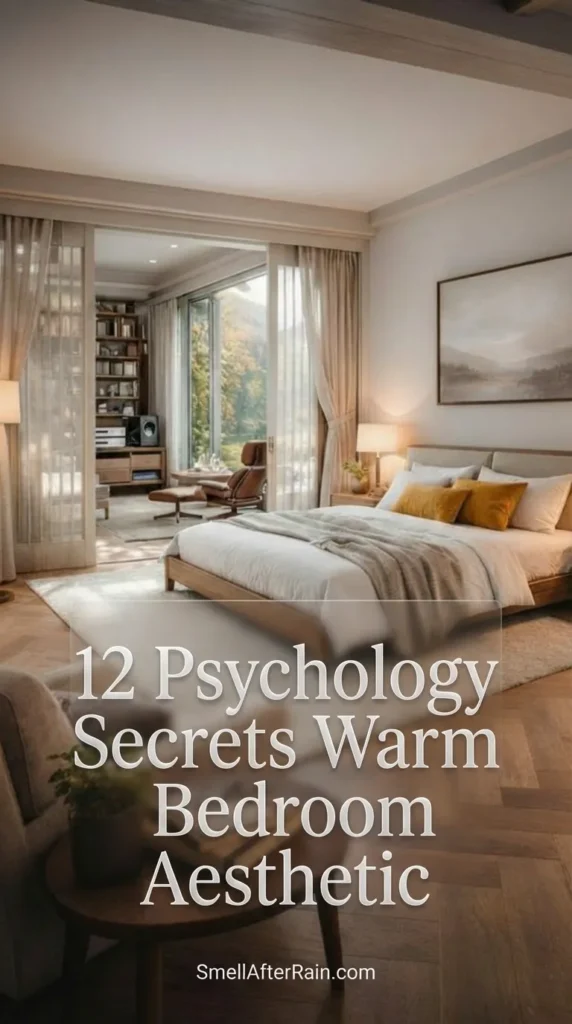
Below, we explore 12 psychological secrets to transforming your sleeping quarters into a true sanctuary. These principles blend aesthetic beauty with the science of well-being, ensuring your bedroom ideas translate into deep, restorative rest.
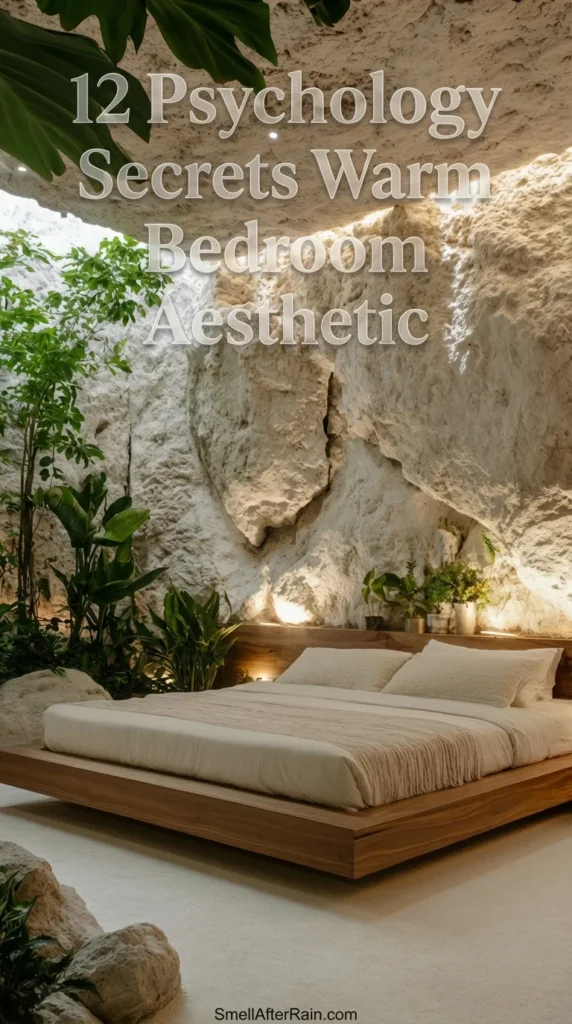
1. The Psychology of the Anchor Point
Every room needs a psychological anchor. In interior psychology, this is known as the “prospect and refuge” theory. Humans have an innate desire to see a space (prospect) while feeling protected (refuge). In a warm earthy bedroom, the bed serves as this refuge. However, if your visual hierarchy is chaotic, the brain cannot settle.
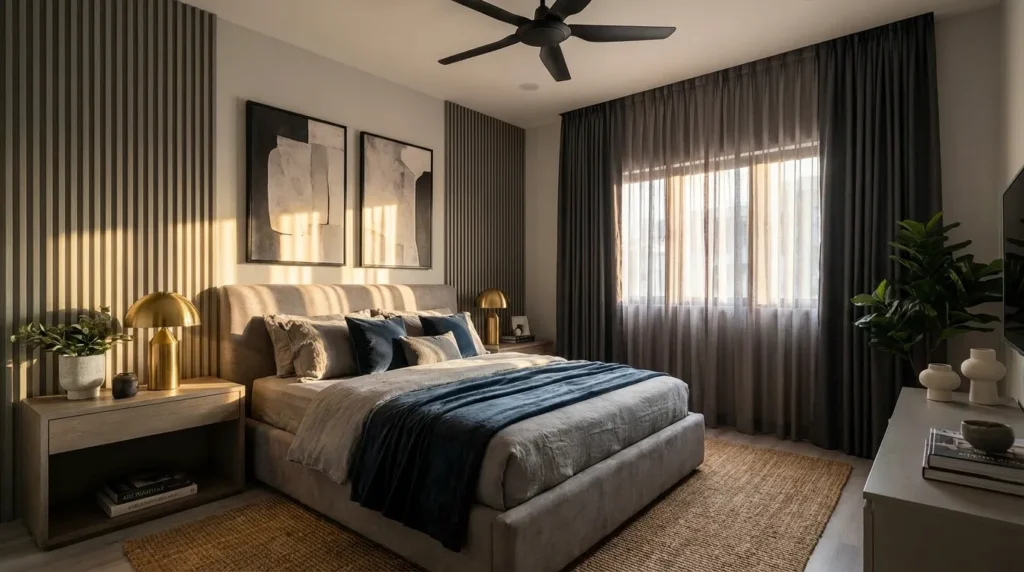
The bed must be the dominant visual weight in the room, positioned so you can see the door but are not directly in line with it. This is often validated by Feng Shui, but psychologically, it satisfies a primal survival instinct. To enhance this, ensure your headboard is solid and substantial. A flimsy frame signals instability, whereas a plush, upholstered headboard signals support. When creating a cozy minimalist sanctuary, the anchor point grounds the room’s energy, allowing the eye to rest immediately upon entering.
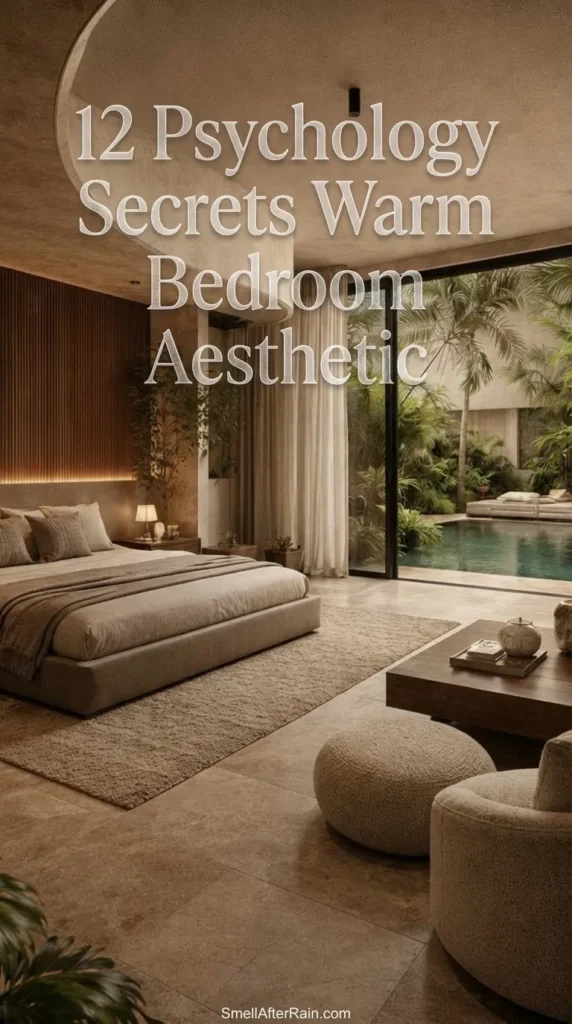
2. Circadian Lighting Layers
Light is the primary zeitgeber (time-giver) for the human body. One of the most common issues preventing a comfy bedroom aesthetic is the misuse of color temperature. Standard overhead lighting often mimics the mid-day sun (3000K-5000K), which suppresses melatonin production and signals the brain to stay alert.
To cultivate a true sanctuary, you must employ lighting layers that mimic the setting sun. This involves three distinct tiers:
- Ambient: Soft, diffused general light.
- Task: Focused light for reading (warm tones only).
- Accent: Low-lumen glow to highlight textures.
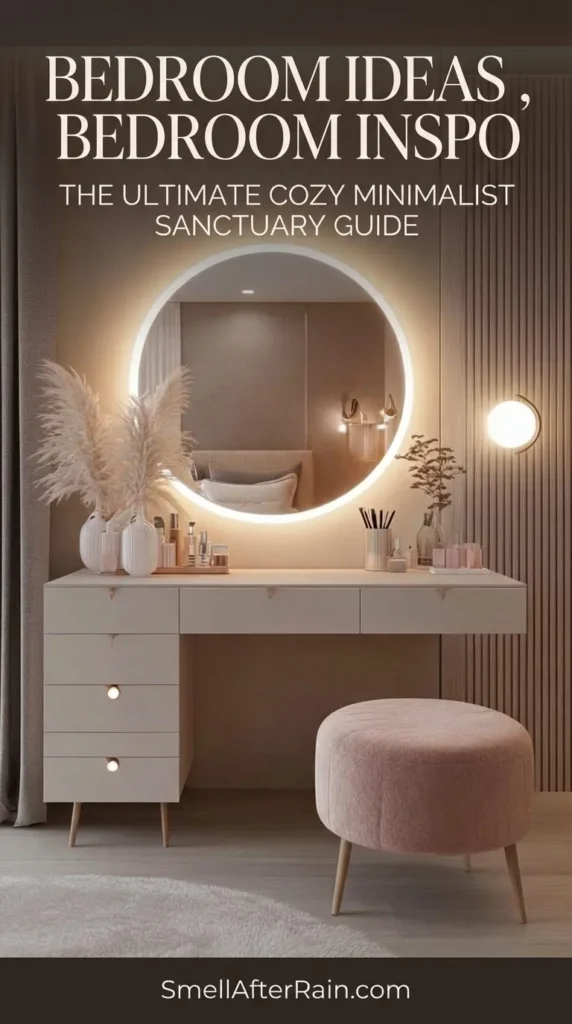
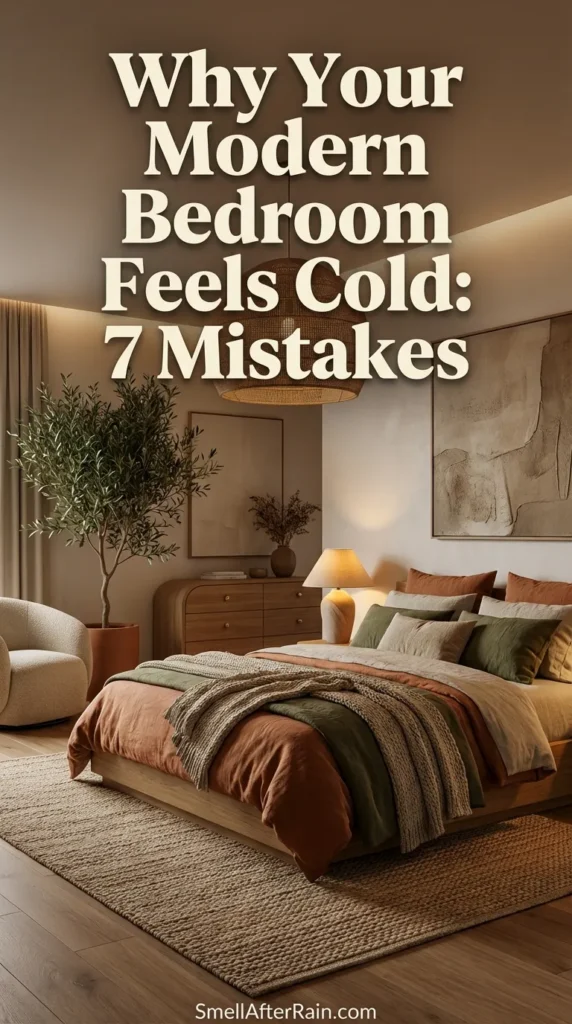
For a warm apartment aesthetic, switch all bulbs to 2700K or lower. This warm, amber glow mimics firelight, triggering the parasympathetic nervous system to initiate relaxation. If you are struggling with a sterile environment, you might be making fatal mistakes that make your modern bedroom feel cold. Correcting your lighting temperature is the fastest way to warm up the psychological feel of the room.
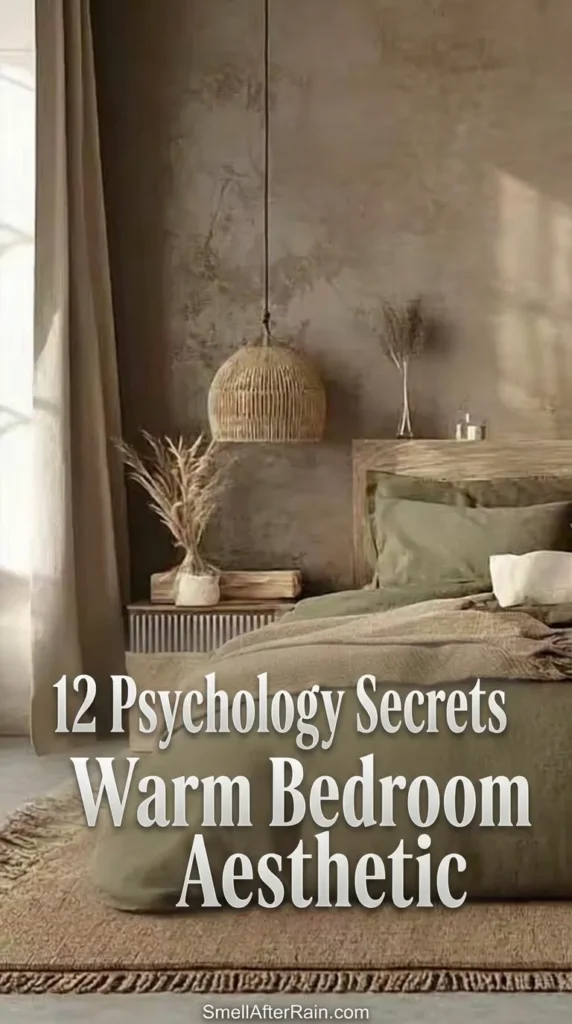
3. The Texture-Serotonin Connection
Touch is an undervalued sense in interior design. We often prioritize how a room looks over how it feels to the skin (somatosensory system). A warm and cozy bedroom relies heavily on tactile variety. When you touch soft, natural materials, your brain releases oxytocin and serotonin, hormones associated with comfort and bonding.
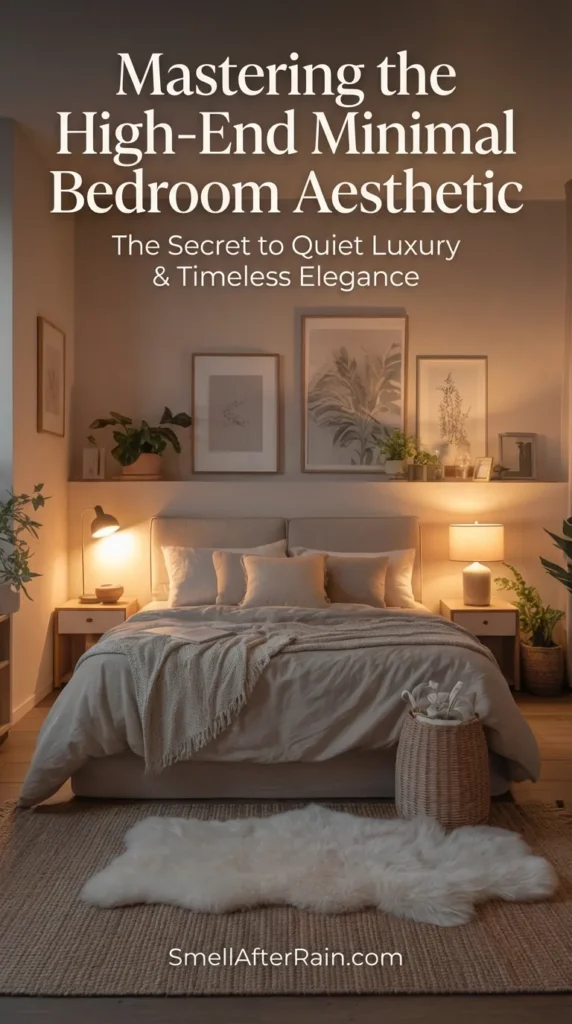
Avoid the “showroom look” where everything is sleek, hard, and shiny. Instead, implement a strategy of contrasting textures. Pair a rough-hewn wooden bedside table with a velvet duvet. Layer a chunky knit throw over smooth linen sheets. This variance gives the brain sensory data that registers as “abundance” and “safety.” If you are aiming for mastering the high-end minimal bedroom aesthetic, remember that minimalism does not mean barren; it means intentionality with texture replacing clutter.

4. Warm Neutrals and Color Psychology
Color has a physical wavelength that impacts our biology. While cool tones (blues and greens) are often cited as calming, they can sometimes feel clinical or melancholic if not balanced correctly. For a warm neutral bedroom, we look to earth tones: oatmeal, terracotta, taupe, and warm greys.
These colors are reminiscent of nature’s grounding elements—soil, sand, and wood. Psychologically, they are “low arousal” colors. They do not demand attention or spike cortisol. When selecting a palette, avoid stark brilliant white, which can cause eye strain and feels institutional. Instead, opt for creamy off-whites with yellow or red undertones. This serves as the perfect canvas for dreamy bedroom ideas for a cozy minimalist escape.

5. Biophilic Design for Stress Reduction
Biophilia is the innate human tendency to seek connections with nature. Bringing the outdoors in is not just a trend; it is a physiological necessity for a calm bedroom aesthetic. Studies have shown that simply looking at plant life can lower blood pressure and reduce anxiety levels.
You do not need to turn your room into a greenhouse. Even one distinct structural plant, like a Ficus or a Snake Plant, can alter the room’s chemistry. Plants also soften the rigid architectural lines of a room (corners, windows, doorways), making the space feel more organic and less manufactured. If you are looking for specific styles, check our guide on 7 styles revealed for ultimate room inspo, all of which benefit from biophilic additions.
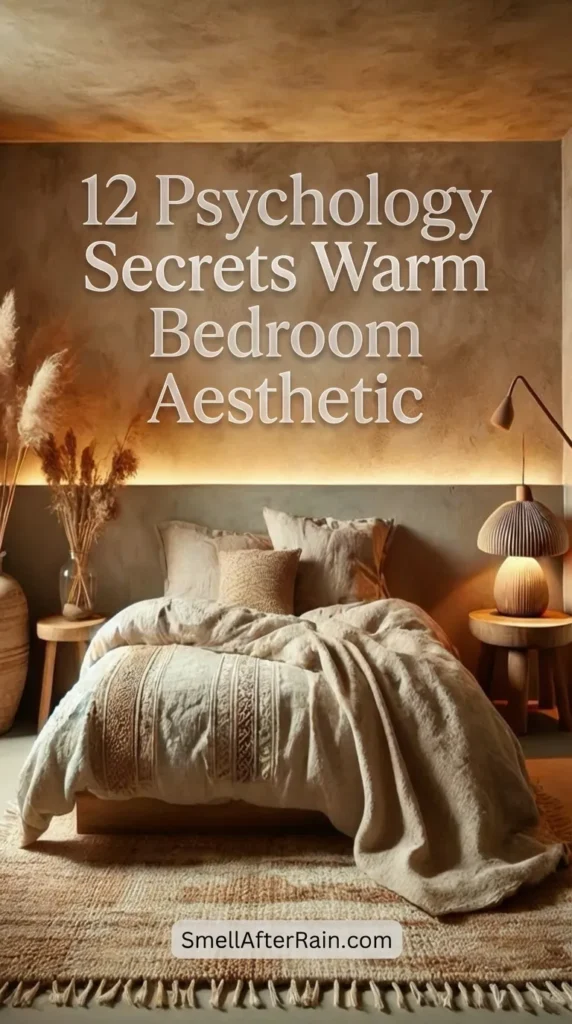
6. Spatial Flow and Cognitive Load
Clutter is visual noise. Every object in your room demands a micro-amount of attention from your brain. When a room is cluttered, your cognitive load increases, making it difficult to unwind. A warm minimalist bedroom isn’t about deprivation; it’s about friction reduction.
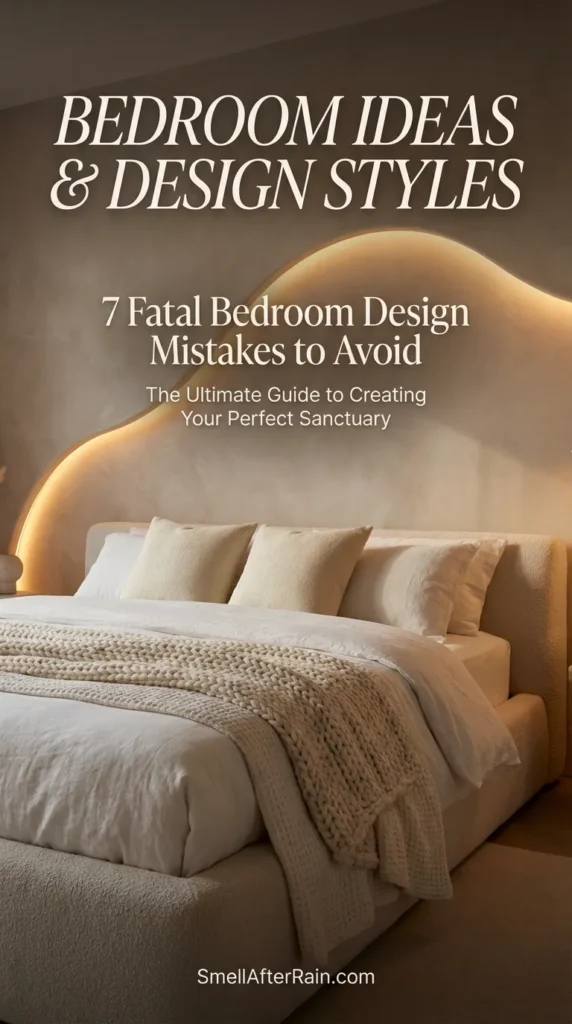
Ensure that the path from the door to the bed and the bed to the bathroom is clear. Obstacles in your path trigger a subtle “alert” state in the brain. Analyze your layout: is there furniture that blocks natural light or movement? Removing these barriers improves “Chi” or energy flow in Eastern philosophies, and reduces cognitive drag in Western psychology. For a deep dive on layout errors, review the 7 fatal bedroom design mistakes to avoid.
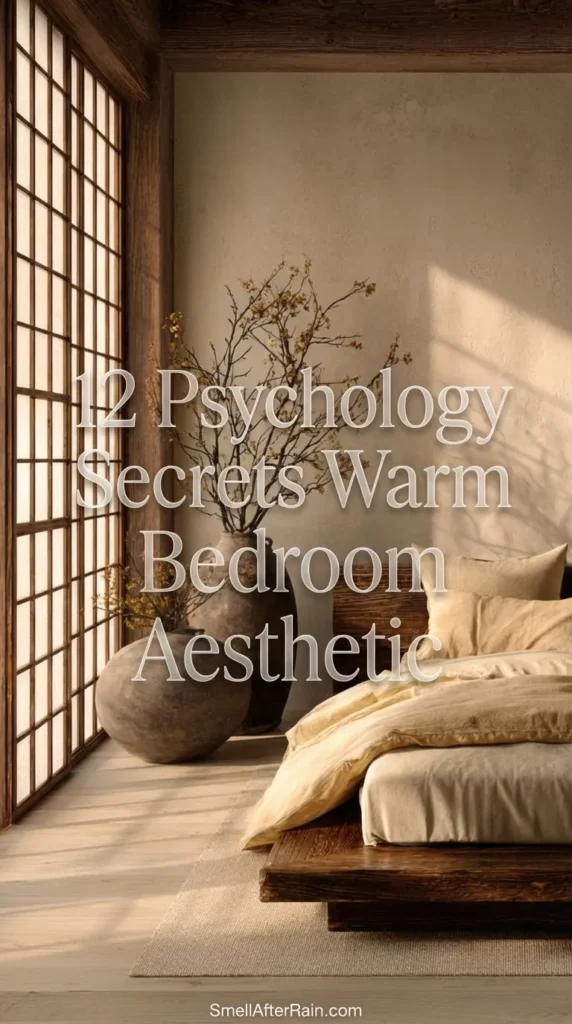
7. The Scentscape of Serenity
The olfactory bulb is directly connected to the limbic system, the part of the brain that processes emotion and memory. A warm cozy room aesthetic is incomplete without a scentscape. A room that looks cozy but smells stale will create cognitive dissonance.
Introduce scents that are scientifically proven to induce relaxation. Lavender, bergamot, and sandalwood are excellent choices for a classy bedroom atmosphere. However, subtlety is key. Using a stone diffuser or high-quality soy candle allows the scent to be a background note rather than an overwhelming force. This sensory layering signals to the brain that the environment is curated and safe.
8. Acoustic Dampening for Deep Rest
Sound pollution is a silent sleep killer. Hard surfaces reflect sound, creating echoes that make a room feel hollow and cold. To achieve a soft bedroom aesthetic, you must address acoustics. This is the difference between a college dorm and a luxury hotel suite.
Use heavy drapery (floor to ceiling) to absorb sound bouncing off windows. Add a high-pile rug, even if you have carpet, to add density to the floor. An upholstered headboard also acts as a sound absorber near your ears. These elements contribute to a “hushed” atmosphere, which is essential for modern bedroom luxury.
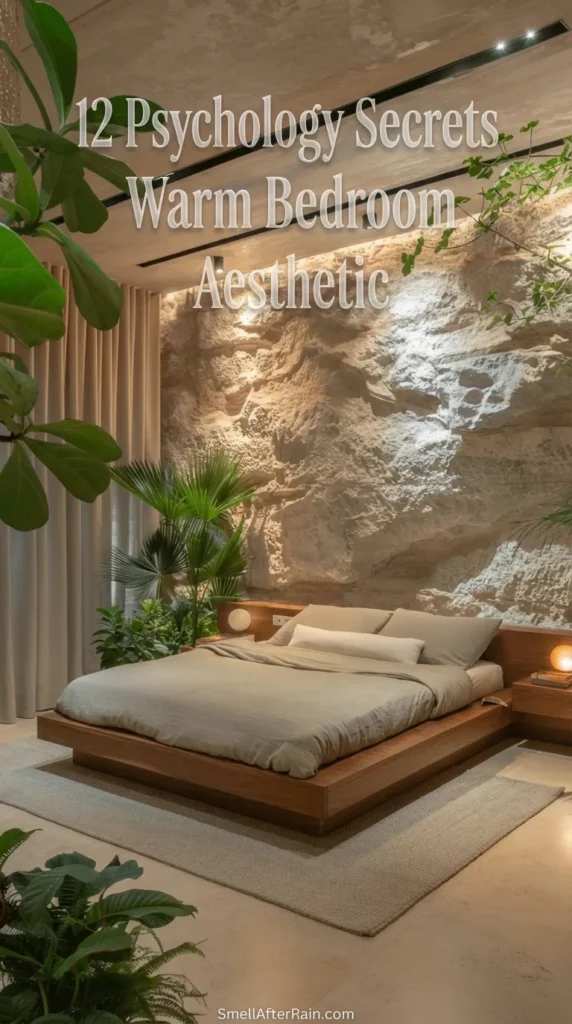
9. The Psychology of Bedding Weight
There is a reason why we tuck children in. Deep Pressure Stimulation (DPS) helps the body switch from the sympathetic (fight or flight) to the parasympathetic (rest and digest) nervous system. Your bedding plays a crucial role in this.
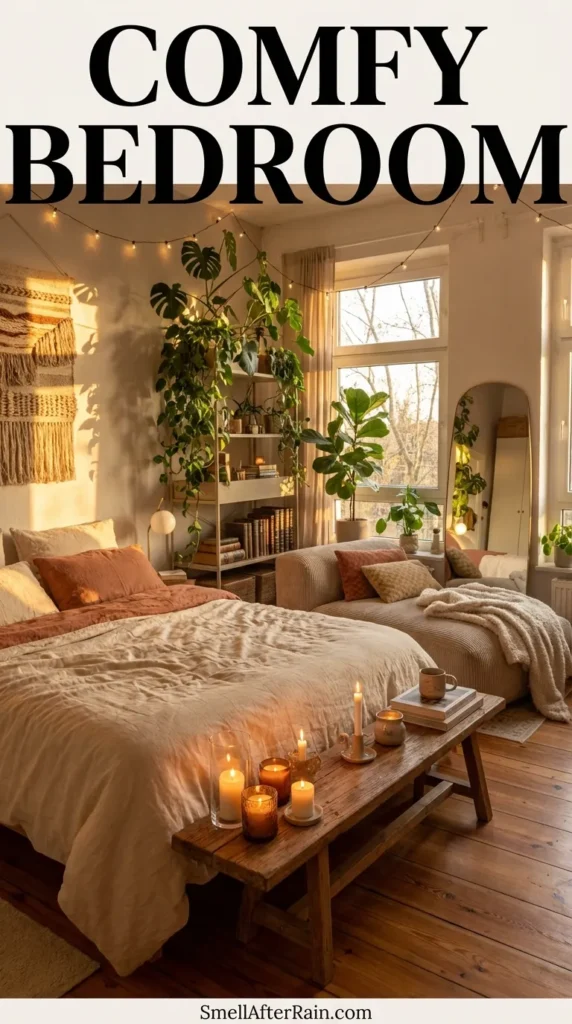
Layering is key. Start with breathable sheets (linen or bamboo) for temperature regulation, but top them with a heavy duvet or a weighted blanket. The physical weight provides a sense of containment and security. Visually, a fluffy, overstuffed duvet looks more inviting than a flat, thin one. This visual cue of “plushness” primes the brain for comfort before you even get into bed. For execution tips, see how to build a comfy bedroom with 12 pro steps.
10. Negative Space and Visual Rest
In music, the silence between the notes is as important as the notes themselves. In design, this is negative space. A common mistake in trying to achieve a warm apartment aesthetic is over-decorating to make it feel “homey.” This often backfires, creating visual claustrophobia.
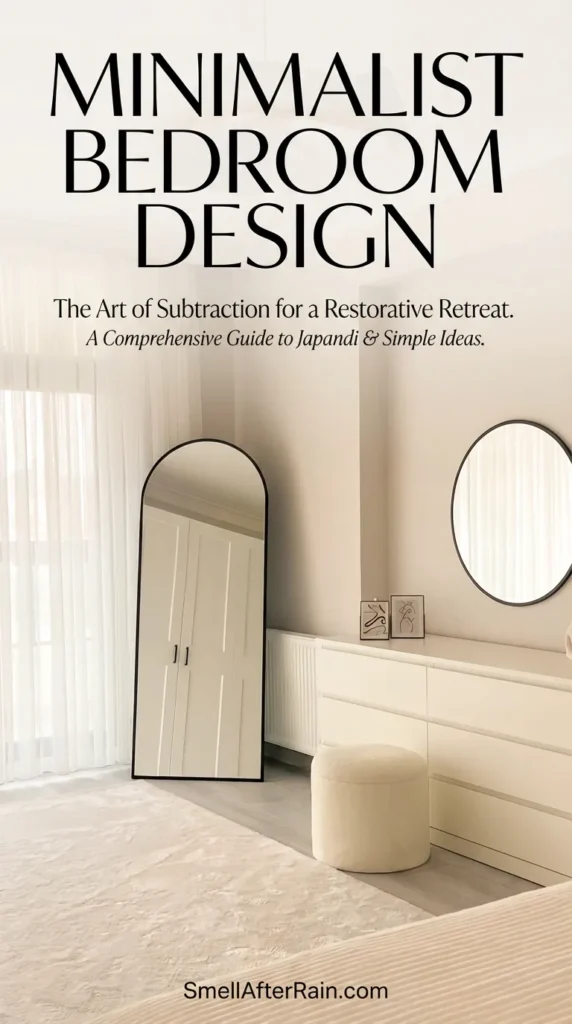
Leave some walls bare. Allow space between furniture pieces. This negative space allows the eye to travel through the room without getting stuck. It implies luxury—space is the ultimate luxury. It allows the focal points (like your art or your bed) to truly sing. This balance is central to minimalist bedroom design principles.

11. Personal Artifacts and Grounding
While minimalism is powerful, a sterile room lacks a soul. Identity is a crucial component of psychological comfort. We feel safest in spaces that reflect who we are. This is where old money secrets of decor come into play—heirlooms and personal history over mass-produced trends.
Select 2-3 significant items—a framed photo, a souvenir from a trip, a piece of art you love—and display them prominently. These are your “totems.” They ground you in your identity and timeline. However, curate them ruthlessly. Too many items become clutter; a selected few become a gallery of your life.
12. Digital Boundaries and Blue Light
The final psychological trick is a subtractive one. The presence of technology in the bedroom is the antithesis of a warm bedroom aesthetic. The black void of a TV screen or the blinking light of a router creates a subtle technological anxiety.
Create a dedicated charging station outside the bedroom or inside a drawer. If you must have a TV, consider a frame TV that displays art when off, or hide it within a cabinet. Removing the visual reminders of work, social media, and the outside world allows the room to become a true disconnect chamber. This boundary is essential for those looking to implement psychological tricks for a warm aesthetic.
Frequently Asked Questions
What makes a minimalist bedroom feel warm instead of cold?
The secret lies in the temperature of the materials and colors. A cold minimalist room uses blue-toned whites, chrome, glass, and synthetic materials. A warm minimalist bedroom utilizes creamy whites, warm woods (oak, walnut), brass or unlacquered metals, and natural fibers like wool and linen. Texture is the bridge that connects minimalism with coziness.
How can I achieve a soft bedroom aesthetic on a budget?
Focus on textiles and lighting. These offer the highest return on investment. Changing harsh light bulbs to warm 2700K bulbs costs very little but completely transforms the mood. Adding a large, inexpensive faux-fur throw or changing cushion covers to velvet can soften the room immediately. Check out 12 high ROI budget hacks for cozy bedrooms for more details.
Is a warm bedroom aesthetic suitable for small apartments?
Absolutely. In fact, the warm apartment aesthetic is ideal for small spaces because it reduces visual clutter while increasing comfort. By using a cohesive warm neutral palette, you blur the boundaries of the room, making it feel larger, while the warm tones make the small size feel “cocoon-like” rather than cramped.
What are the best colors for anxiety in the bedroom?
Soft earth tones are best for anxiety. Think sage green, warm beige, soft terracotta, and dusty pink. These colors connect us to nature. Avoid high-saturation colors like bright red or neon, and be wary of dark greys which can feel oppressive if the lighting isn’t perfect.
How does biophilic design fit into a modern bedroom?
Biophilic design fits seamlessly into modern decor by focusing on form. Use planters with clean, geometric lines to house plants with organic, wild shapes. This contrast is visually pleasing. Additionally, using wood with visible grain or stone with natural veining counts as biophilic design, as it introduces natural patterns into a modern space.
Conclusion
Designing a warm bedroom aesthetic is an exercise in empathy for your future self. It is about anticipating what you will need at the end of a hard day—softness, warmth, silence, and beauty—and building a space that delivers that consistently. By applying these 12 psychological secrets, you move beyond simple decoration and into the realm of designing for mental health and deep rejuvenation. Visit Smell After Rain for more insights on crafting your perfect sanctuary.