- 1. The Architectural Foundation: Form Follows Function
- 2. The Palette: Mastering the Warm Bedroom Aesthetic
- 3. Furniture Profiles: Low, Sleek, and Floating
- 4. Lighting Architecture: Beyond the Bedside Lamp
- 5. Material Science: Texture as the New Pattern
- 6. Flooring Dynamics: Grounding the Modern Space
- 7. Window Treatments: Maximizing Natural Light
- 8. The Feature Wall: Subtlety Over Saturation
- 9. Tech Integration: The Invisible Smart Bedroom
- 10. Artistic Direction: Large Scale Minimalism
- 11. The Ensuite Connection: Fluid Luxury Living
- 12. Storage Philosophy: The Art of Concealment
- Frequently Asked Questions
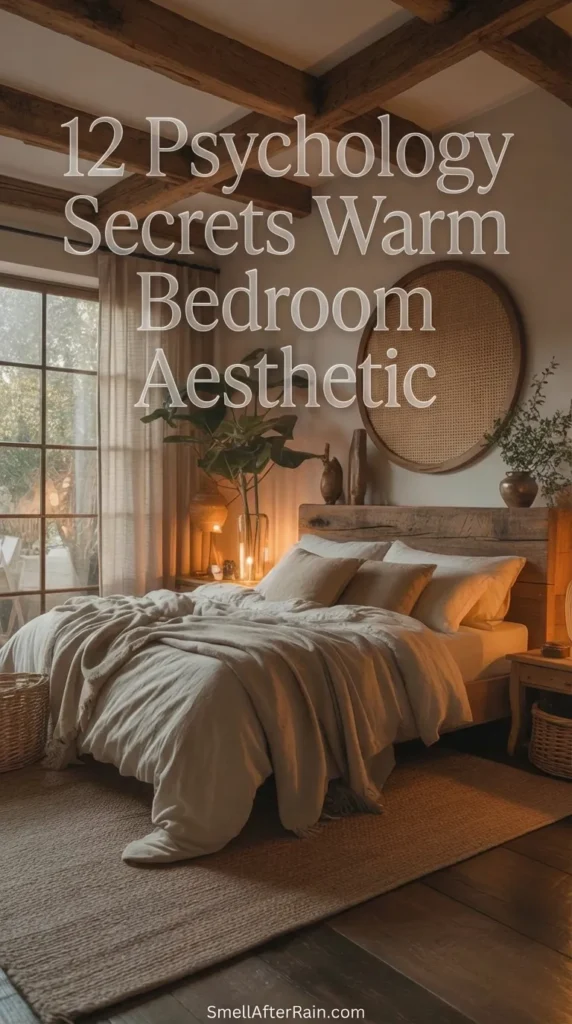
The concept of the modern bedroom has evolved far beyond the sterile, white-box aesthetic of the early 2000s. Today, a modern bedroom is a sanctuary that balances architectural rigor with tactile comfort. It is where high-end design principles meet the primal need for rest. Whether you are leaning towards a minimalist bedroom or seeking a more opulent modern luxury bedroom vibe, the underlying principles remain consistent: clean lines, intentional materiality, and a lack of visual clutter.
In this comprehensive encyclopedia of modern bedroom interior design, we are going to deconstruct the style from A to Z. We will explore the historical roots of modernism, the psychology of color, and the material science that turns a cold room into a warm bedroom aesthetic. If you are ready to transform your sleeping quarters into a masterclass of design, here are the 12 essential rules you must follow.

1. The Architectural Foundation: Form Follows Function
Before buying a single pillow, one must understand the architecture. Modern design is rooted in the early 20th-century principle that “form follows function.” In a bedroom context, the function is sleep and rejuvenation. Therefore, the form of the room must eliminate distractions.
Start by analyzing the “bones” of your space. Modern bedrooms often feature strong horizontal lines that visually widen the room, creating a sense of calm and stability. If you are renovating, consider removing ornate crown moldings or decorative ceiling medallions that scream “traditional.” Instead, opt for shadow gaps or simple square-set cornices.
For those looking for bedroom ideas that respect the architecture, look at the flow of traffic. The path from the door to the bed, and from the bed to the ensuite, should be unobstructed. This is the first step in creating a sanctuary; if the physical flow is blocked, the visual flow will feel cluttered.

2. The Palette: Mastering the Warm Bedroom Aesthetic
A common misconception is that modern design requires a monochrome palette of stark white and black. While that is one interpretation, the most current trends favor a warm bedroom aesthetic. This approach uses “greige” (grey-beige), oatmeal, terracotta, and soft charcoal to create depth without chaos.
The Psychology of Neutrals
Color theory suggests that high-contrast colors can stimulate the brain—the exact opposite of what you want in a bedroom. By utilizing a tonal palette, where colors drift closely to one another on the spectrum, you create a seamless visual experience. To understand more about how color impacts mood, read about 12 psychological tricks for a warm aesthetic.
However, be warned: monochromatic rooms can feel lifeless if not handled correctly. If you feel your space is lacking soul, check out why your modern bedroom feels cold to correct common palette errors.

3. Furniture Profiles: Low, Sleek, and Floating
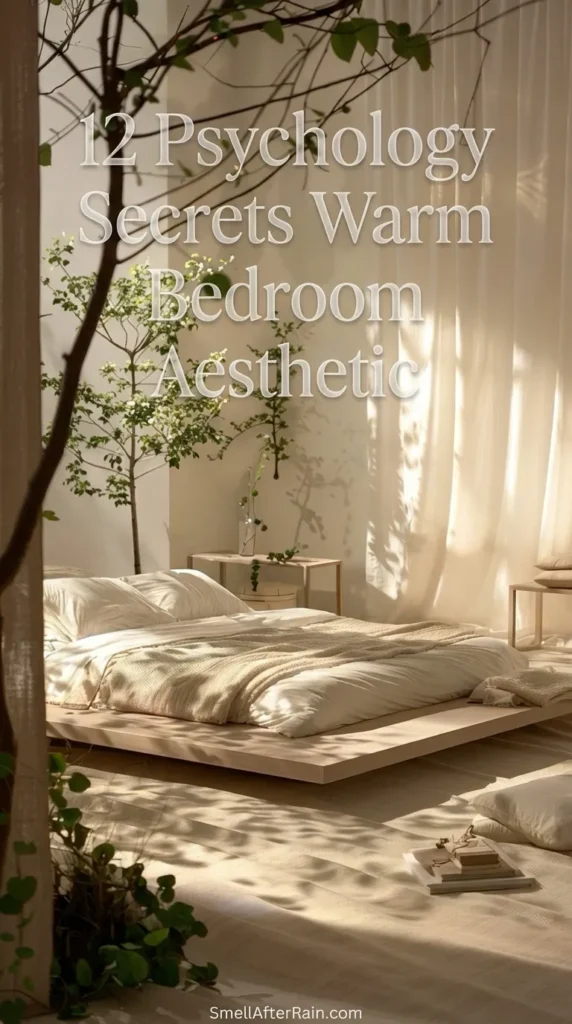
The bed is the anchor of the room. In modern bedroom designs, the bed profile is typically lower to the ground than traditional styles. Platform beds, often with extended headboards that encompass the nightstands, are a staple of this look.
Key Furniture Characteristics:
- Floating Elements: Wall-mounted nightstands keep the floor visible, which tricks the eye into perceiving the room as larger and airier.
- Legs: Tapered legs or recessed plinths give furniture a weightless quality.
- Upholstery: Channel tufting or sleek leather rather than button-tufted Chesterfield styles.
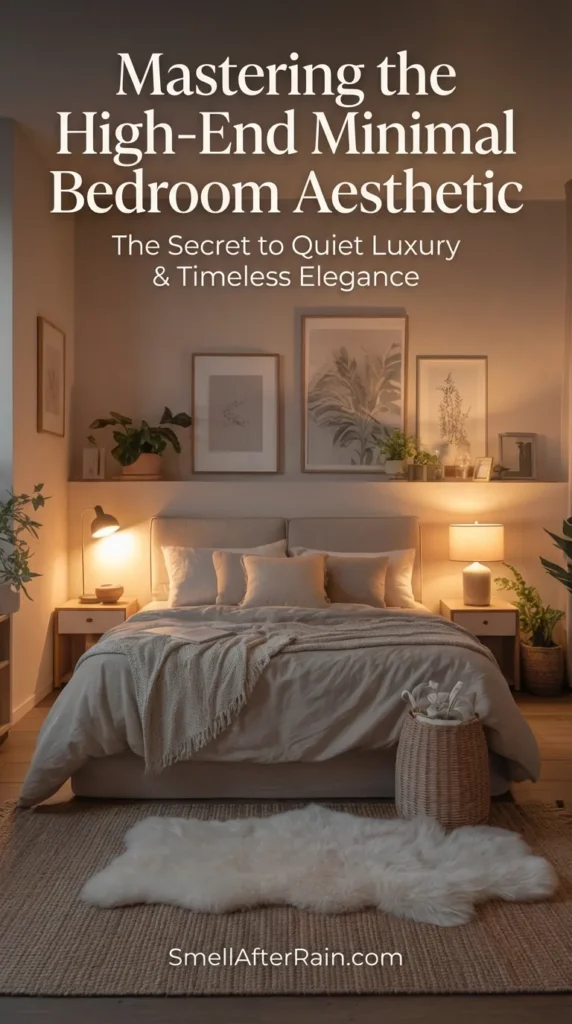
Investing in the right furniture is crucial for a luxury bedroom master suite. For a deeper dive into selecting pieces that scream “quality” without shouting, see our guide on mastering the high-end minimal bedroom aesthetic.
4. Lighting Architecture: Beyond the Bedside Lamp
Lighting in a modern bedroom is not just about illumination; it is about sculpting space. Relying on a single central ceiling fixture is a design crime. Modern lighting is layered, purposeful, and often architectural.
The Three Layers of Modern Lighting
- Ambient: This is your general light. In modern spaces, this is often achieved through recessed cove lighting or perimeter LED strips that wash the ceiling or walls with a soft glow.
- Task: Bedside lighting should be directional. Articulated sconces or sleek pendants hanging from the ceiling free up nightstand space and provide targeted reading light.
- Accent: Use light to highlight textures, such as a stone wall or a piece of art.
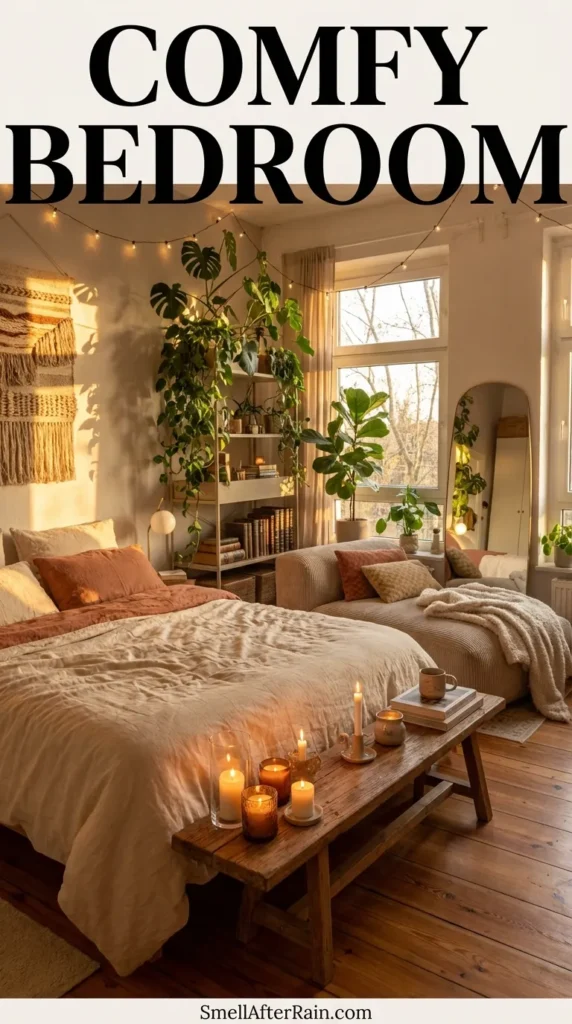
Proper execution is key. If you are unsure where to place your fixtures, consult our guide on 12 pro execution steps to build a comfy bedroom.

5. Material Science: Texture as the New Pattern
In a minimal bedroom where patterns (florals, damasks, stripes) are absent, texture must do the heavy lifting. This is where material science comes into play. You want to mix materials that reflect light with materials that absorb it.
Imagine a room with concrete floors (cold, smooth) paired with a bouclé wool armchair (warm, nubby) and a walnut wood headboard (organic, rigid). This contrast creates visual interest without the noise of color. Linen bedding is particularly effective in modern interiors because its natural wrinkling adds an approachable softness to the rigid lines of modern architecture.
For inspiration on how to layer these textures effectively, explore dreamy bedroom ideas for a cozy minimalist escape.

6. Flooring Dynamics: Grounding the Modern Space
Your choice of flooring sets the temperature of the room. Modern bedroom ideas generally steer away from wall-to-wall high-pile carpeting, which can trap dust and feels dated.
Top Modern Flooring Choices:
- Wide-Plank Engineered Oak: Timeless, warm, and acoustically sound. Matte finishes are preferred over glossy.
- Polished Concrete: Ideal for industrial-modern aesthetics, though it requires ample rugs to soften the acoustic echo.
- Large Format Porcelain Tile: Mimics stone or concrete but with better durability.
If you choose hard flooring, the area rug becomes critical. It should be large enough to extend at least 18 inches beyond the sides of the bed. This anchors the sleeping zone.
7. Window Treatments: Maximizing Natural Light
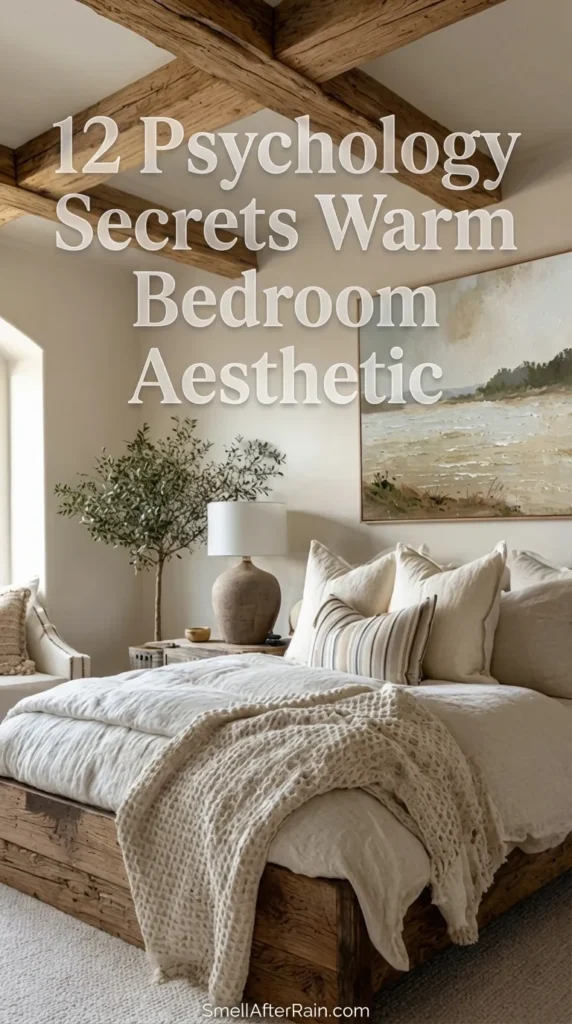
Modernism worships natural light. The ideal modern bedroom features floor-to-ceiling glass, but privacy is obviously a concern. The solution lies in window treatments that disappear when not in use.
Avoid heavy drapes with valances or swags. Instead, opt for:
- Motorized Roller Shades: These can be recessed into the ceiling for a completely invisible look when retracted.
- Ripple-Fold Sheers: If you need softness, floor-to-ceiling sheers on a sleek track offer privacy while letting in diffused light.
- Plantation Shutters: While traditional, simple wide-louver shutters can work in “Modern Farmhouse” or “Coastal Modern” styles.
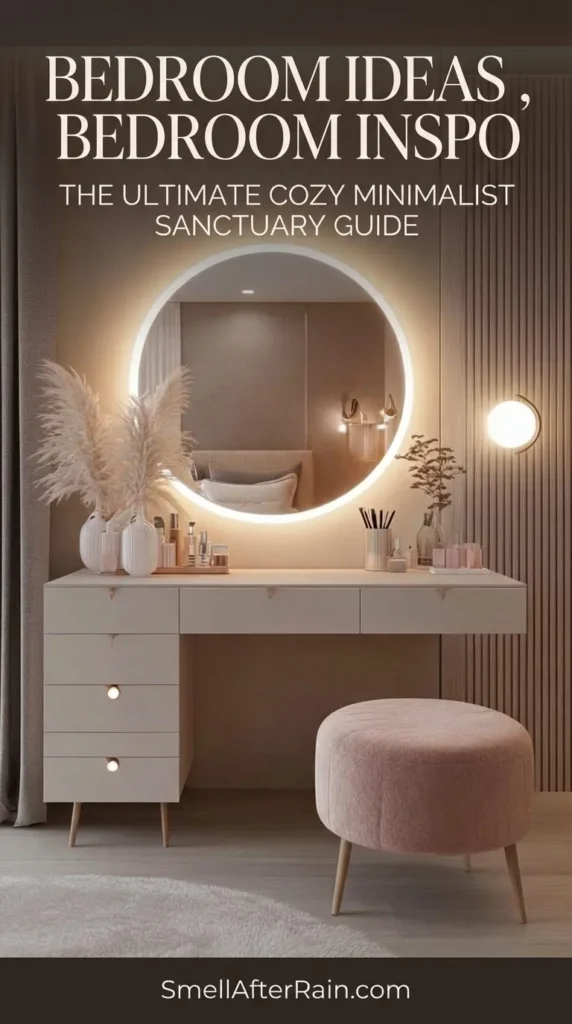
The goal is to connect the interior with the exterior. For more on creating that seamless sanctuary, read about creating a cozy minimalist sanctuary.
8. The Feature Wall: Subtlety Over Saturation
The era of the painted bright red accent wall is over. In modern bedroom interior design, the feature wall is defined by architectural texture rather than paint color.
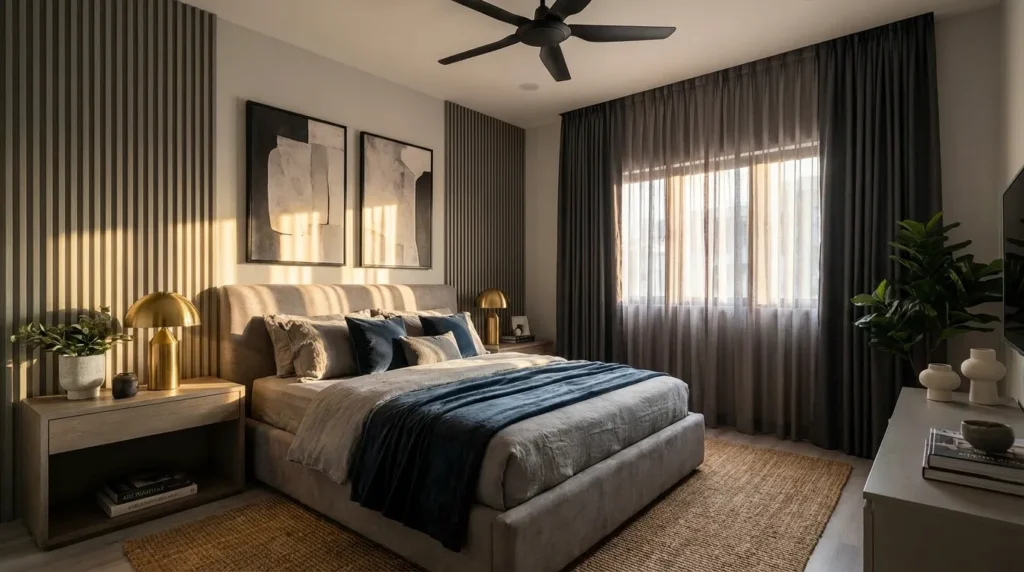
Consider wood slatting (vertical lines add height), a limestone wash (adds organic movement), or upholstered wall panels (adds soundproofing and luxury). These elements add depth and shadow play that changes throughout the day as the sun moves.
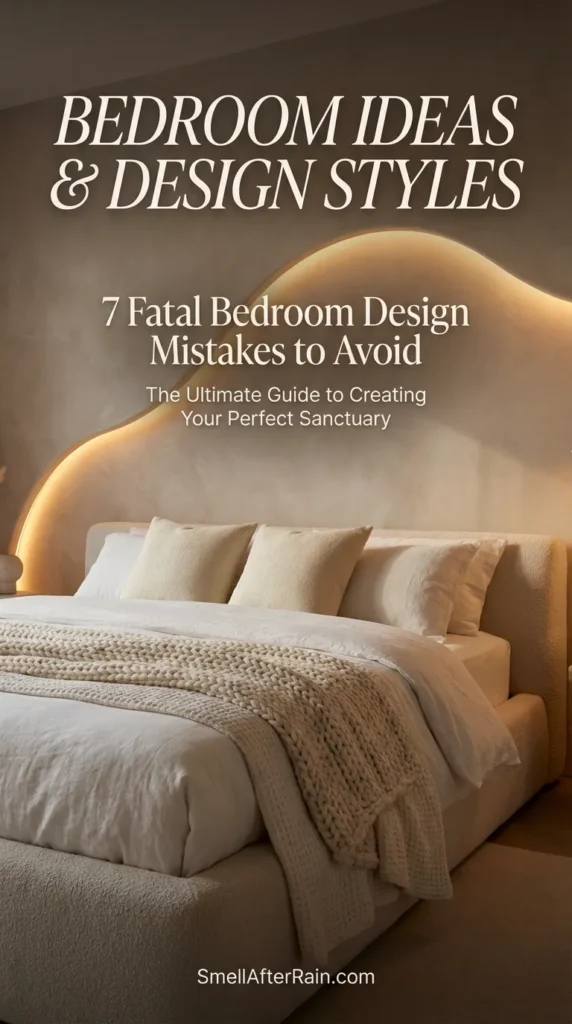
If you are struggling with how to style these walls without overdoing it, you might be making one of the 7 fatal bedroom design mistakes.
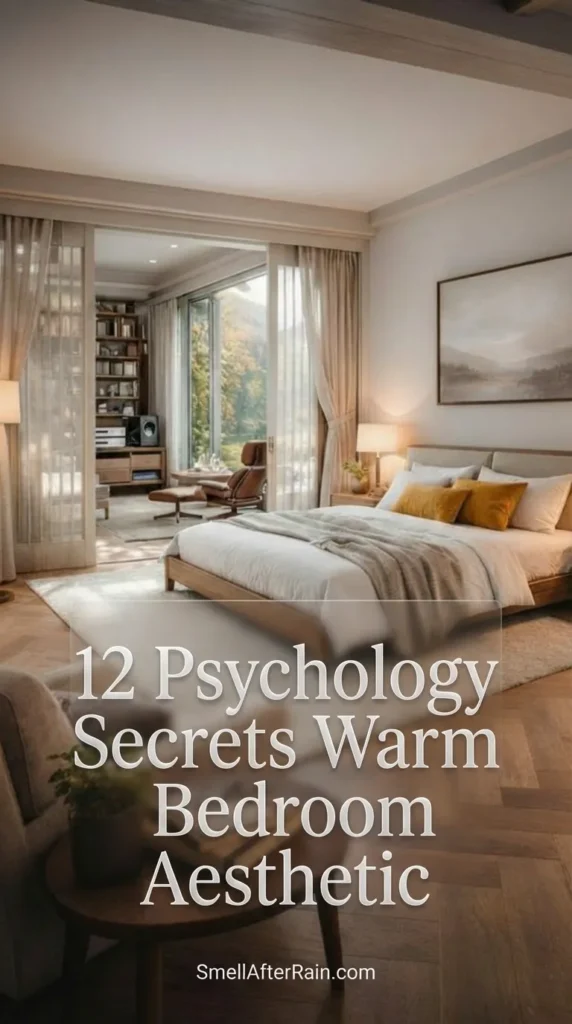
9. Tech Integration: The Invisible Smart Bedroom
A truly modern bedroom is smart, but it doesn’t look like a spaceship. The technology should be invisible. We are talking about:
- Circadian Lighting Systems: Lights that automatically adjust color temperature from cool blue in the morning to warm amber at night to support sleep cycles.
- Hidden Charging: Nightstands with integrated wireless charging pads milled into the stone or wood top.
- Automated Climate Control: Smart thermostats that lower the temperature specifically for sleep.
This integration of tech supports the lifestyle of a luxury bedroom master suite without cluttering surfaces with cords and plastic hubs.
10. Artistic Direction: Large Scale Minimalism
When selecting art for a modern bedroom, scale is everything. A common error is hanging small, timid artwork above a king-size bed. This throws off the proportions of the room.
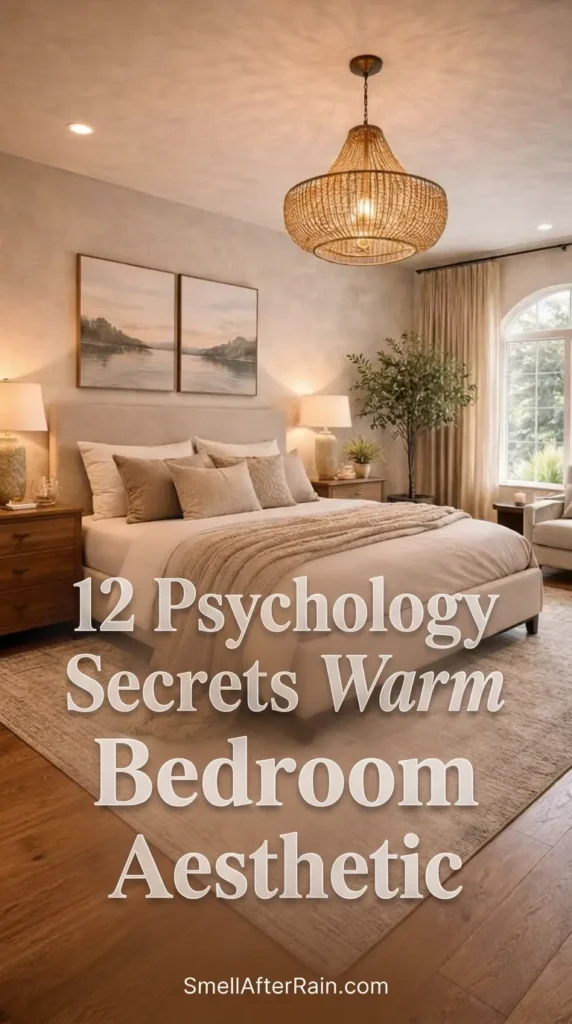
Go big. A single, large-scale abstract piece makes a confident statement. Photography is also a staple of modern design—think black and white architecture or serene landscapes. The frame should be minimal; a simple gallery frame or a floater frame works best. Avoid ornate gold carvings.
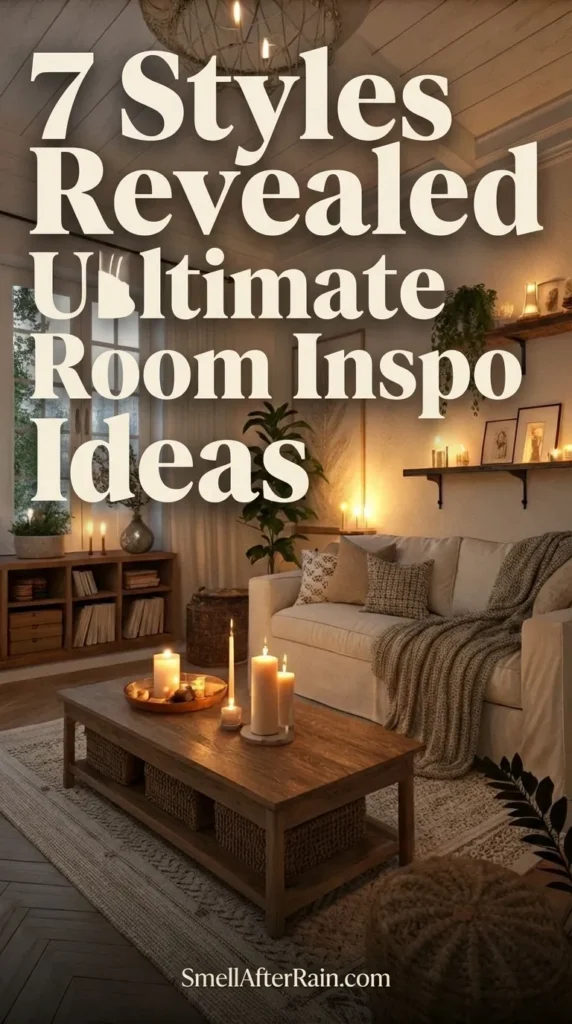
Need help identifying your specific style vibe? Check out our ultimate room inspo guide covering 7 styles.
11. The Ensuite Connection: Fluid Luxury Living
In high-end modern bedroom designs, the boundary between the sleeping area and the bathroom is becoming increasingly porous. We are seeing glass partition walls, or even open-plan layouts where the soaking tub is visible from the bed.
This layout requires a cohesive design language. The stone used in the bathroom vanity should ideally match or complement the materials in the bedroom. This continuity creates a hotel-suite feel that expands the perceived size of the master wing. This is a secret often used in old money decor secrets regarding spatial planning.
12. Storage Philosophy: The Art of Concealment
Clutter is the enemy of modernism. You cannot have a minimalist bedroom if your surfaces are covered in laundry and trinkets. Therefore, storage must be aggressive and concealed.
- Built-in Wardrobes: Floor-to-ceiling units painted the same color as the walls to blend in.
- Under-Bed Storage: Hydraulic lift beds allow you to utilize the entire footprint of the bed for storage without visible drawers.
- The Walk-In: If space permits, remove all clothing storage from the bedroom proper and relegate it to a walk-in closet. This leaves the bedroom solely for sleep.
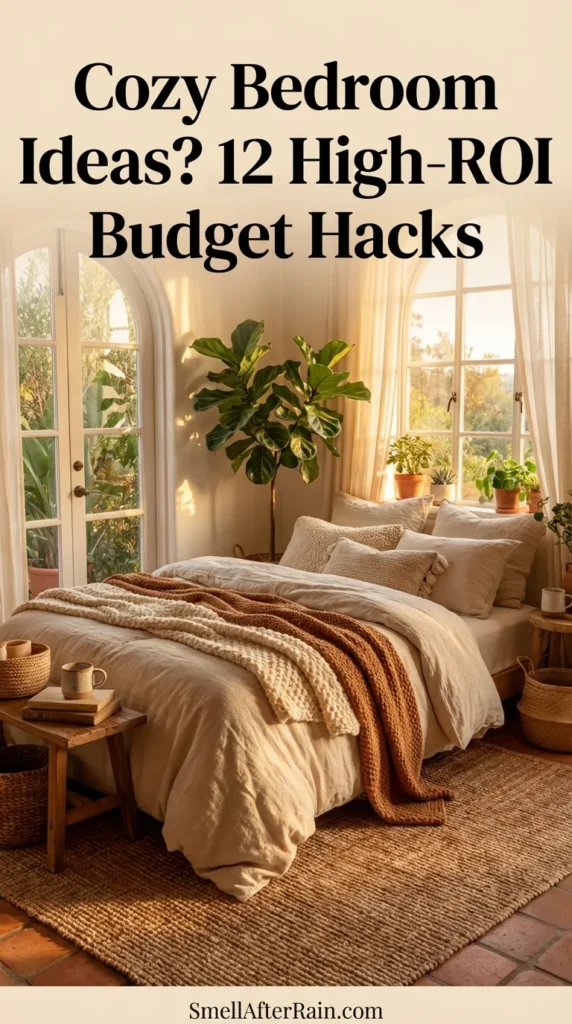
Implementing these storage hacks can be done on a budget if you know where to look. See our guide on 12 high ROI budget hacks for cozy bedrooms.
Frequently Asked Questions
What is the difference between modern and contemporary bedroom design?
While often used interchangeably, they are different. “Modern” refers to a specific historical period (early to mid-20th century) focusing on clean lines, natural materials, and function (Mid-Century Modern, Bauhaus). “Contemporary” refers to design that is popular right now. Contemporary design is more fluid and may include rounded curves or current trends that fall outside strict modernism, though today, the two styles overlap significantly in the “Modern Organic” aesthetic.
How can I make a modern bedroom feel cozy and not cold?
The key is texture and lighting. A modern room feels cold if it has only smooth, hard surfaces (glass, metal, polish). Introduce organic warmth through:
- Textiles: Layer wool throws, linen bedding, and high-pile rugs.
- Wood: Use warm wood tones (walnut, white oak) rather than black lacquer.
- Lighting: Use bulbs with a color temperature of 2700K-3000K (warm white) rather than daylight bulbs (5000K).
Is a minimalist bedroom expensive to achieve?
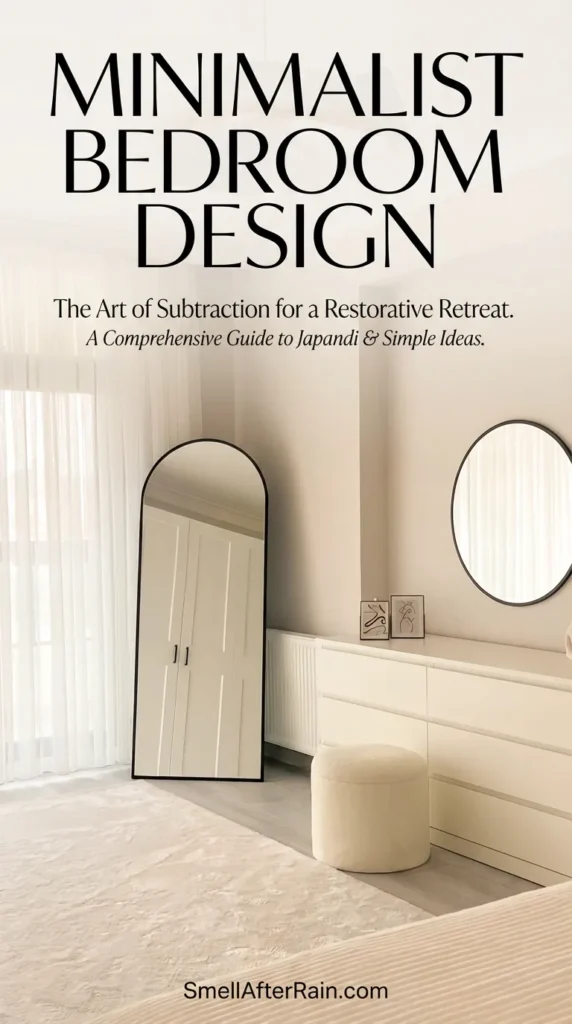
It can be, but it doesn’t have to be. Minimalism is about “less but better.” You might buy fewer items, but the items you buy should be higher quality. However, you can achieve the look on a budget by decluttering (which is free), painting walls a crisp white or soft greige, and choosing simple, unadorned furniture from budget retailers that mimic high-end silhouettes. See minimalist bedroom design for more specifics.
What are the best plants for a modern bedroom?
Plants are excellent for adding life to a modern space. Structural plants work best to match the architectural lines. Consider a Fiddle Leaf Fig for height and drama, a Snake Plant for vertical lines and low maintenance, or a Monstera for an organic, sculptural shape. Avoid cluttered, small plants; one large statement plant is better than five small ones.
Can I mix vintage items into a modern bedroom?
Absolutely. In fact, adding a vintage piece prevents the room from looking like a furniture showroom catalog. A vintage Persian rug, a mid-century dresser, or an antique oil painting can add soul to a modern shell. This juxtaposition is often referred to as “Transitional” or “Eclectic Modern.” For more on blending styles with class, read 12 psychological secrets for a classy bedroom.
What is the best color for a modern bedroom in 2025?
While white remains a classic, the trend is moving toward “earthy neutrals.” Think warm mushroom, clay, sage green, and soft terracotta. These colors maintain the calm of neutrals but offer more enveloping warmth than stark white.
By following these 12 rules, you move beyond simple decoration and into the realm of design curation. A modern bedroom is not just a look; it is a lifestyle choice that prioritizes clarity, rest, and refined beauty.
For more inspiration, visit Smell After Rain.