- The Psychology of Space: More Than Just Decor
- The Evolution of Room Aesthetics
- Defining Your Style: A Deep Dive into Aesthetic Archetypes
- Color Theory 101: The 60-30-10 Rule
- Small Room Inspo: Engineering Space
- Lighting Architecture: The Kelvin Scale
- Textural Interplay: Creating Depth
- The Green Sanctuary: Biophilic Design
- Room Makeover Logistics: Avoiding Disaster
- Conclusion
- Frequently Asked Questions
In the digital age, our living spaces have become more than just shelter; they are extensions of our identity, our creative canvases, and our primary sanctuaries. Searching for room inspo ideas is no longer just about buying furniture; it is about curating an atmosphere that supports your mental well-being and reflects your personal aesthetic. Whether you are scrolling through Pinterest for cute room ideas or planning a comprehensive overhaul, understanding the deeper mechanics of interior design is crucial.
Welcome to the ultimate encyclopedia of room design. We aren’t just looking at pretty pictures; we are dissecting the history, science, and art of the room makeover. From the psychology of color to the architectural hacks for small room inspo, this guide covers the A-Z of creating your dream room ideas.
The Psychology of Space: More Than Just Decor
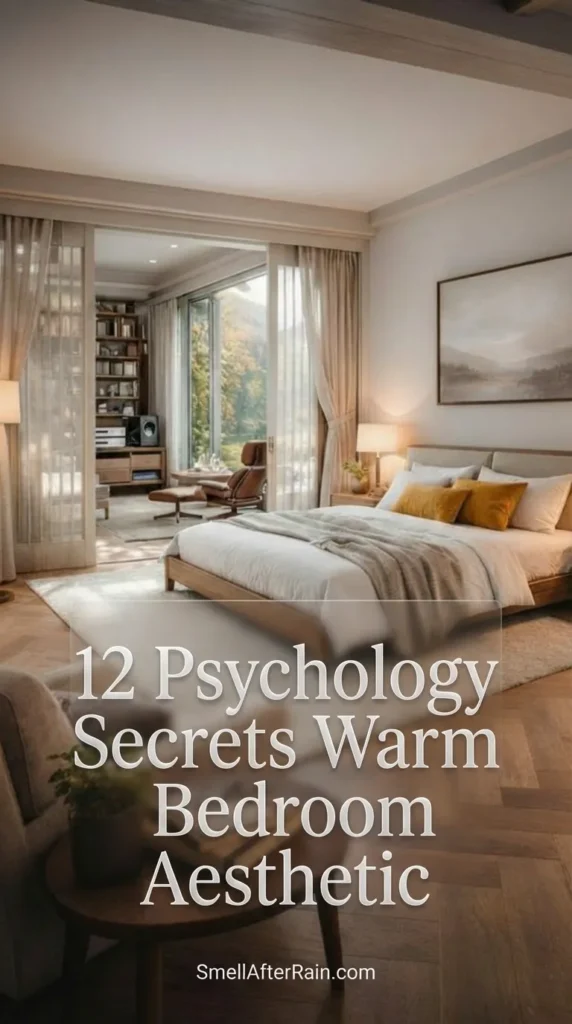
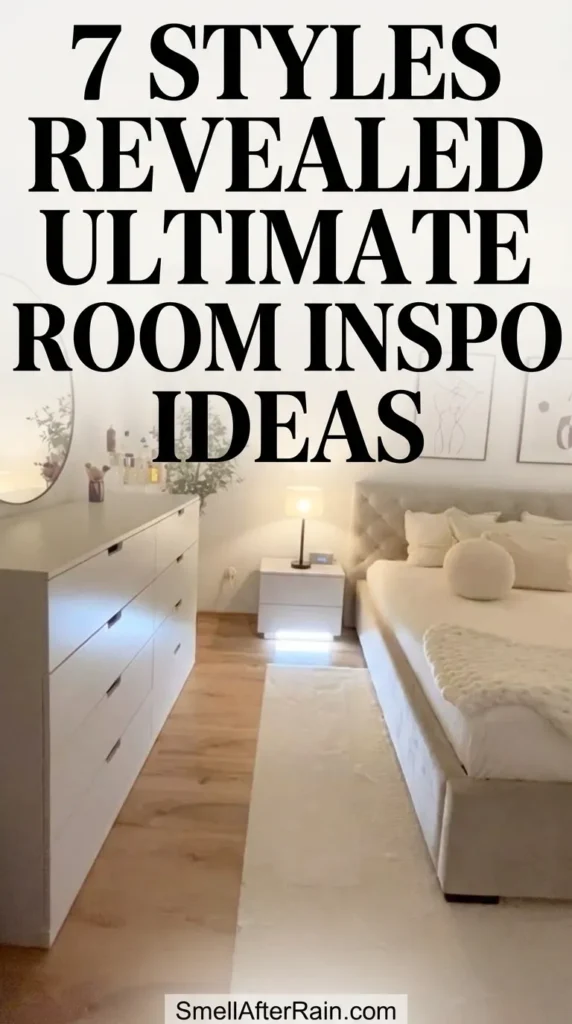
Before buying a single throw pillow, one must understand the psychological impact of their environment. Environmental psychology suggests that our surroundings directly influence our cortisol levels, focus, and sleep quality. A cluttered room often signals a cluttered mind, while a space lacking in texture or warmth can feel sterile and uninviting.
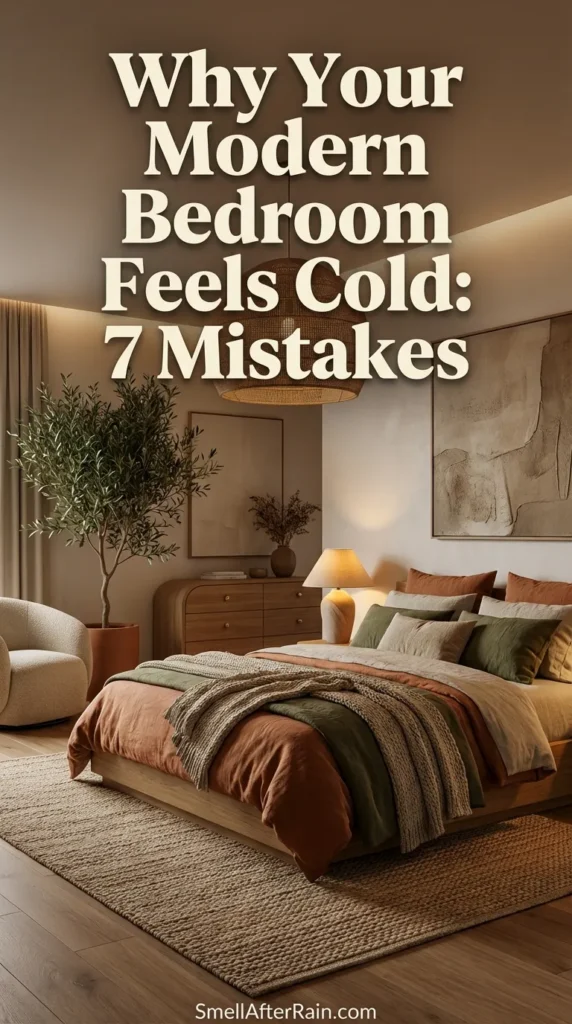
Many homeowners make the mistake of prioritizing trends over feeling. If you have ever walked into a stunningly modern room but felt uncomfortable, you have experienced a disconnect between visual aesthetics and psychological comfort. This often happens in contemporary designs where sleek lines override livability. To understand why some spaces fail despite looking expensive, read our analysis on why your modern bedroom feels cold and the 7 mistakes causing it.
The Evolution of Room Aesthetics
To understand current Pinterest room decor trends, we must look at the trajectory of design history. In the Victorian era, rooms were defined by horror vacui (fear of empty space), filled with trinkets to display wealth. The mid-20th century swung the pendulum toward Mid-Century Modernism, focusing on function and clean lines.
Today, we live in the era of “Micro-Aesthetics.” Social media has fragmented the singular “style of the decade” into dozens of sub-genres: Cottagecore, Dark Academia, Japandi, and Maximalism. This democratization of design means you are free to mix and match, but it also requires a keener eye for cohesion to ensure your room inspo decor doesn’t look chaotic.
Defining Your Style: A Deep Dive into Aesthetic Archetypes
1. The Minimalist Sanctuary
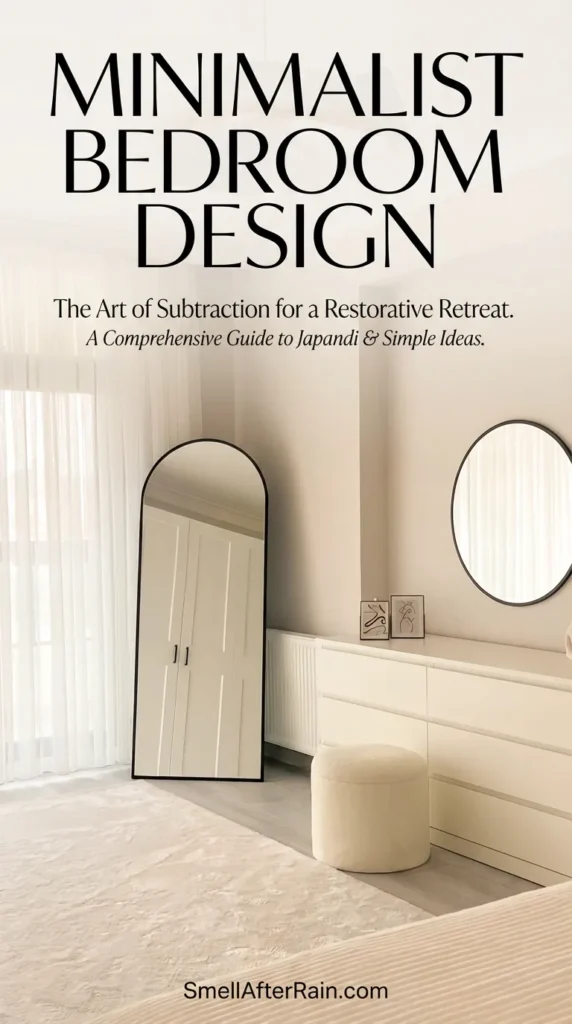
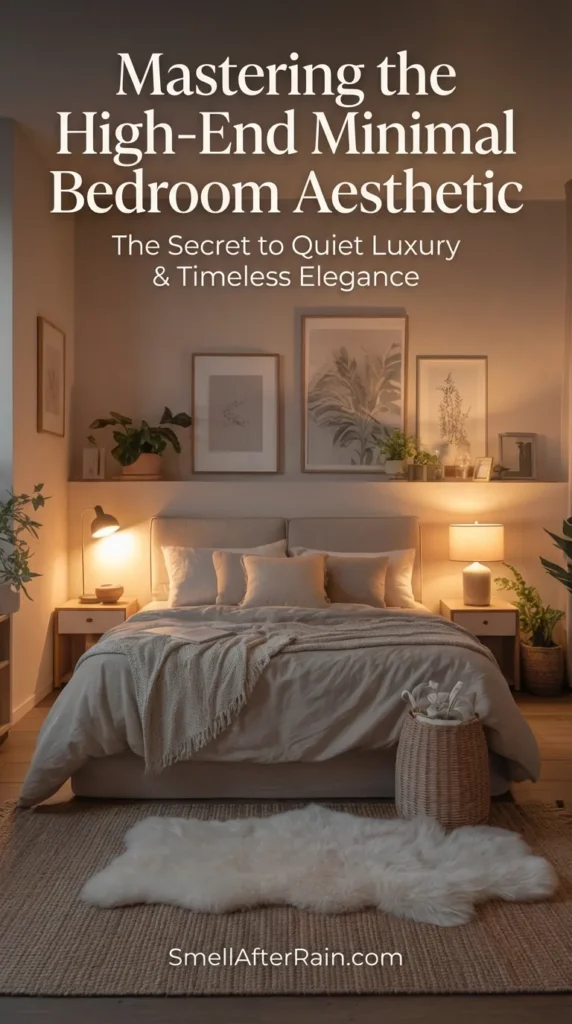
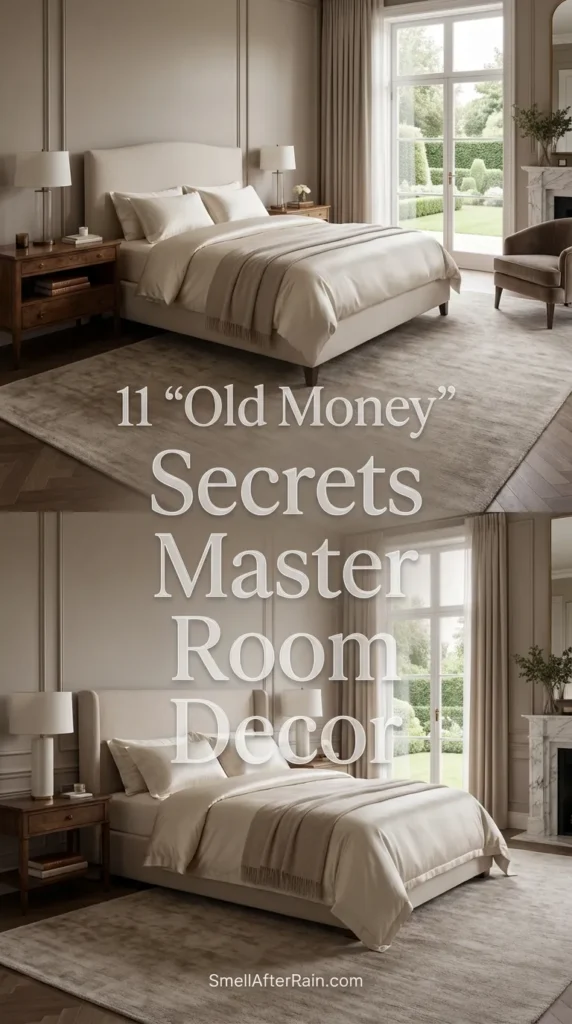
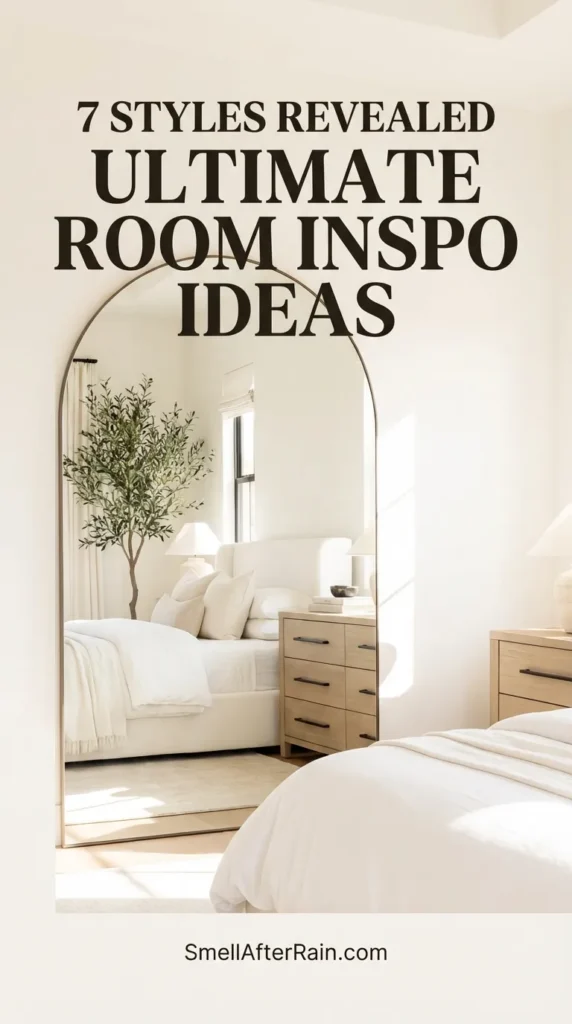
Minimalism is the most misunderstood aesthetic. It is not about living with nothing; it is about living with intention. Every object in a minimalist room must serve a purpose or spark immense joy. The focus is on negative space, breathable layouts, and high-quality materials. For those interested in this disciplined approach, mastering the high-end minimal bedroom aesthetic requires a focus on silhouette rather than ornamentation.
2. The Boho-Eclectic Vibe
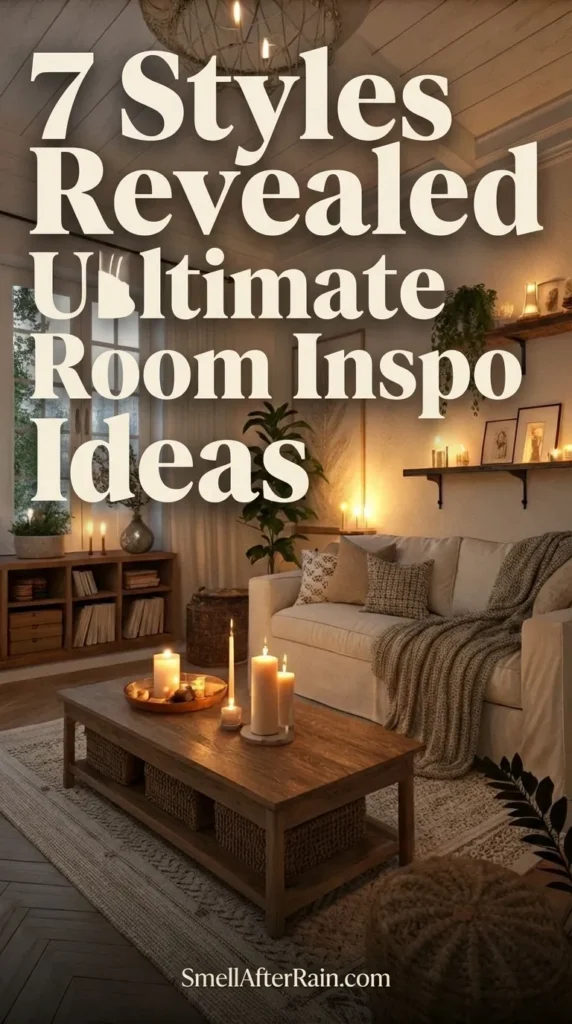
Bohemian decor embraces the carefree, the relaxed, and the unusual. It relies heavily on natural materials like rattan, bamboo, and unpolished wood. Layering is key here—rugs over rugs, throw blankets, and an abundance of plant life. It is the antithesis of the showroom look.
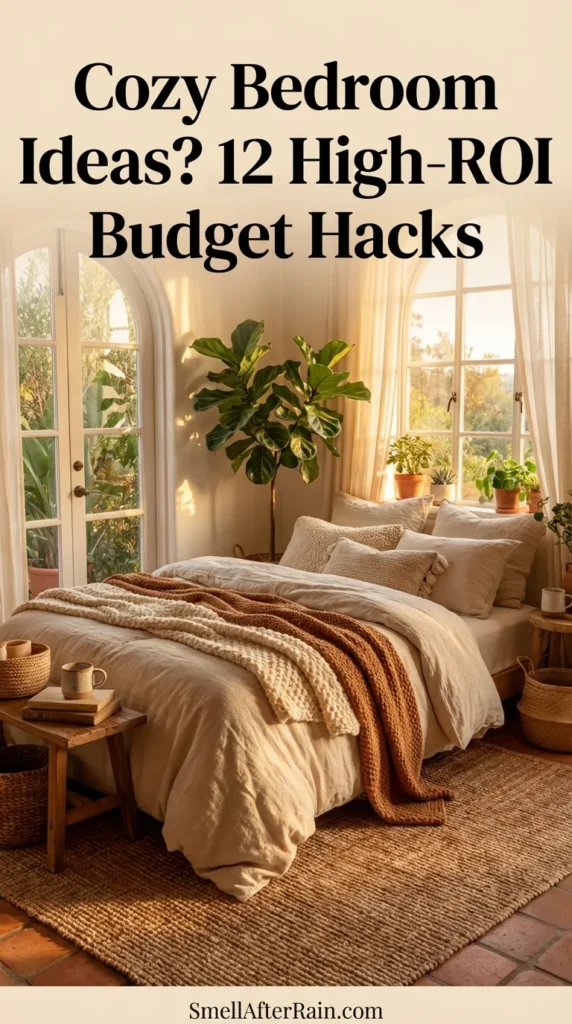
3. The Soft-Cozy Aesthetic
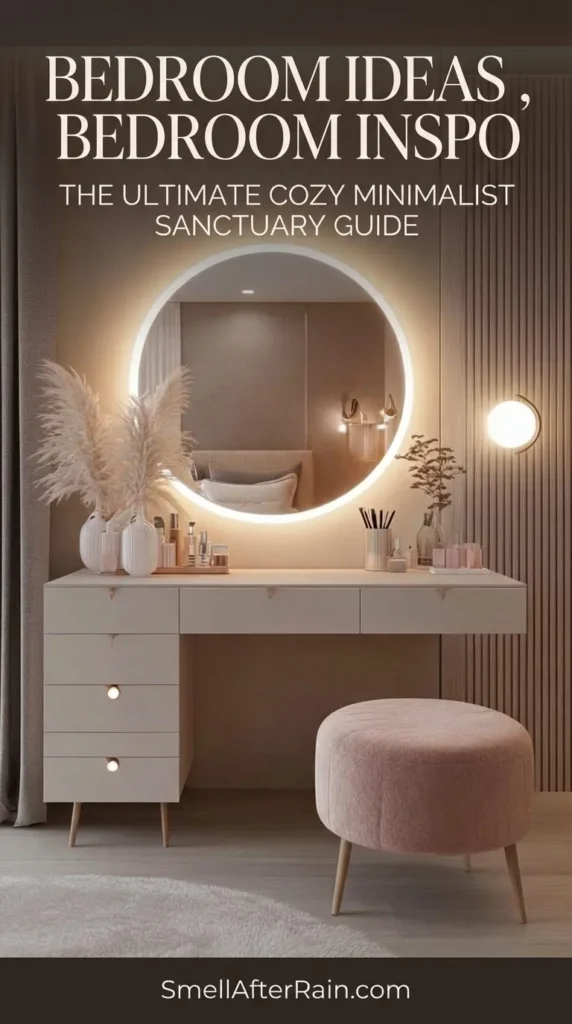
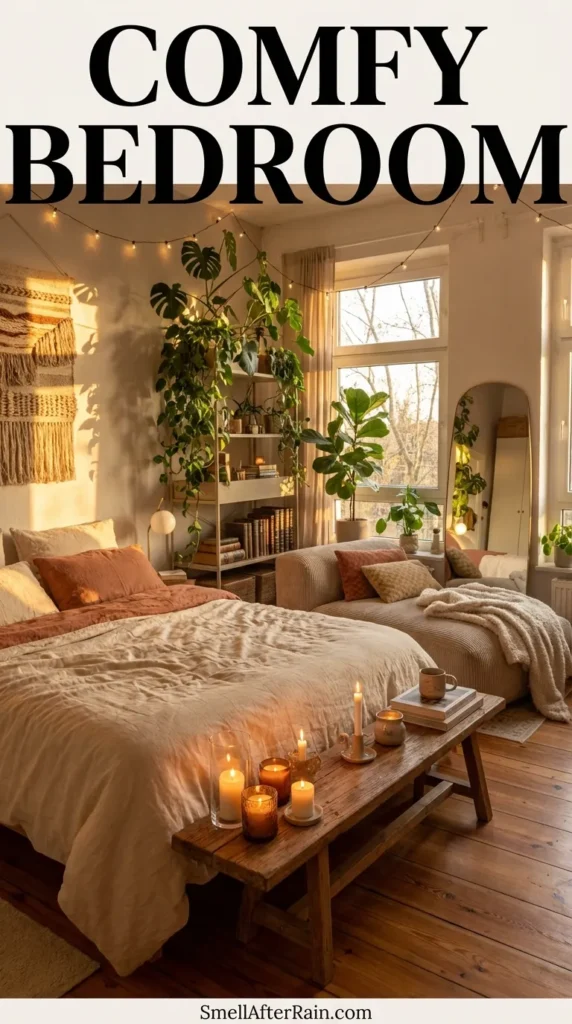
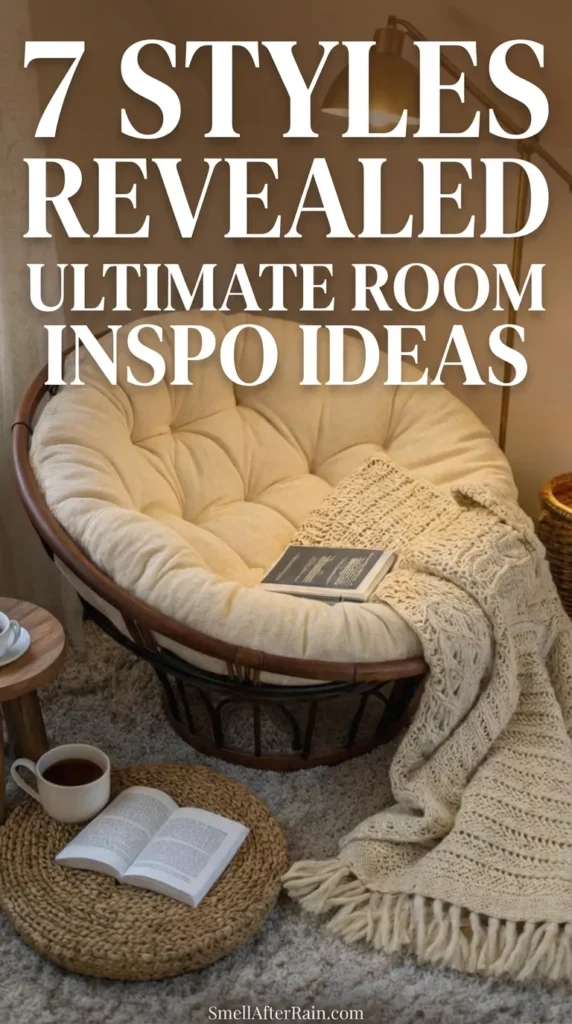
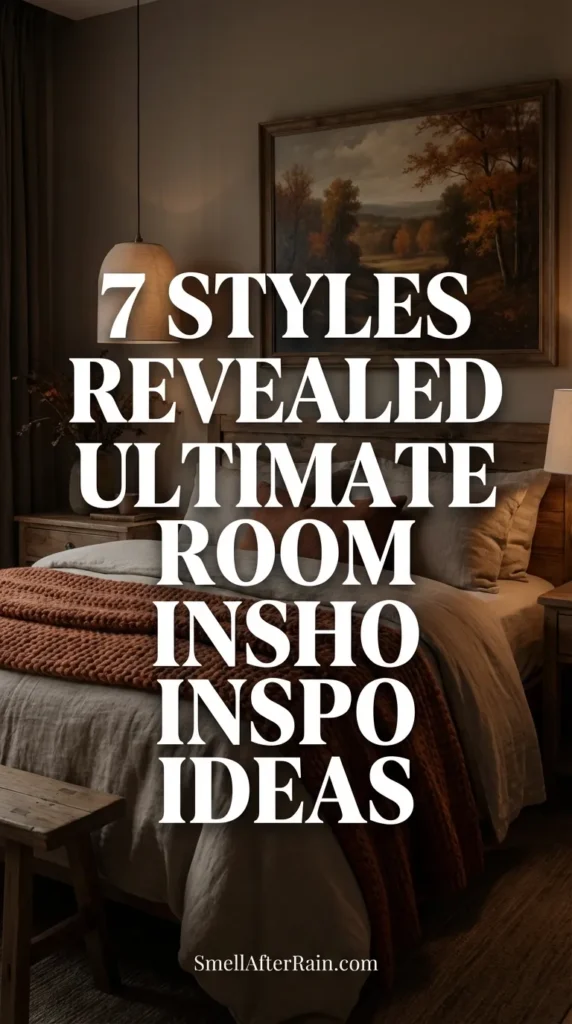
Often tagged as “hygge,” this style prioritizes physical comfort above all else. Think chunky knit blankets, plush velvet ottomans, and soft, diffused lighting. It’s about creating a safe harbor from the outside world. If this resonates with you, explore our guide on creating a cozy minimalist sanctuary.
Color Theory 101: The 60-30-10 Rule
One of the most powerful tools in your room makeover ideas arsenal is color theory. Professionals often use the 60-30-10 rule to ensure balance:
- 60% Dominant Color: Usually the walls. This sets the overall tone (e.g., a soft beige or cool gray).
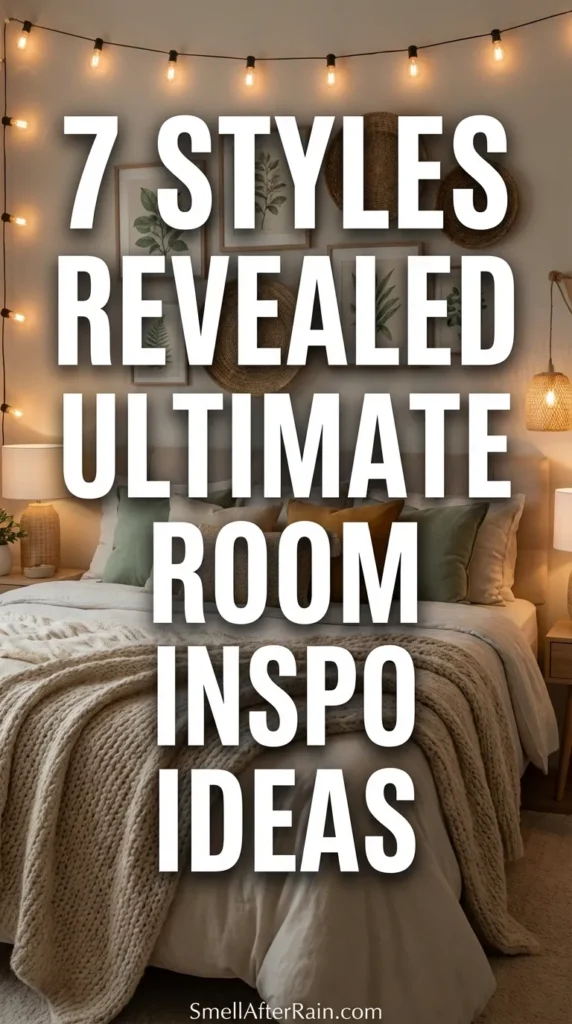
- 30% Secondary Color: Furniture and upholstery. This supports the dominant color but provides contrast (e.g., a navy blue sofa or sage green bedding).
- 10% Accent Color: Accessories like vases, pillows, or art. This is where you inject personality (e.g., brass accents or mustard yellow throws).
Understanding the LRV (Light Reflectance Value) of your paint is also critical. A low LRV paint will absorb light, making a room feel moody and smaller, while a high LRV bounces light, making it feel expansive.
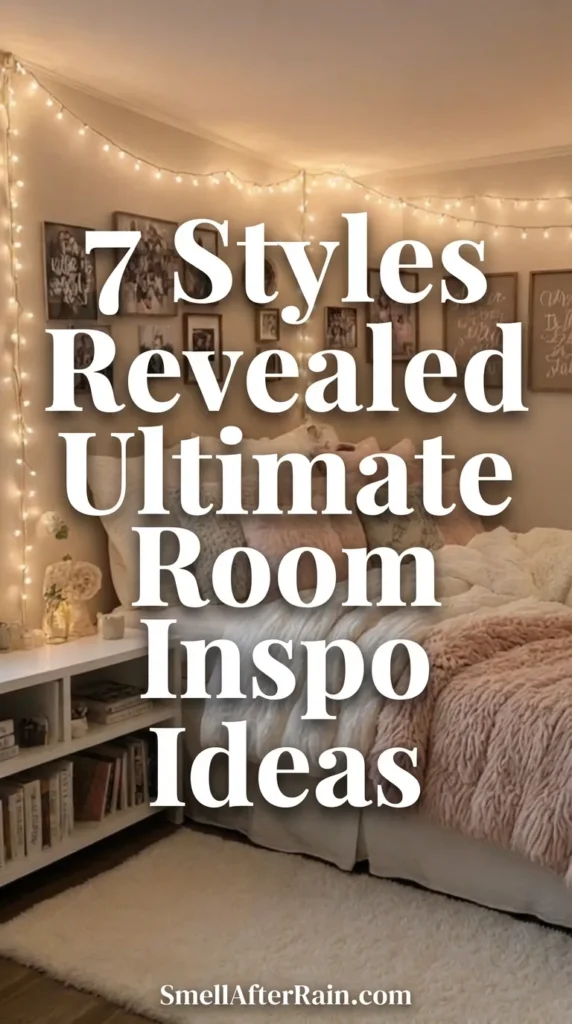
Small Room Inspo: Engineering Space
Designing for compact spaces, such as dorm room ideas or apartment living, is an engineering challenge. The goal is to maximize utility without sacrificing aesthetic room decor.
Verticality is Key
When you lack square footage, look up. Floor-to-ceiling shelving draws the eye upward, creating the illusion of height. Hanging curtains high above the window frame also tricks the brain into perceiving larger windows and higher ceilings.
Multi-Functional Furniture
In a small room makeover, every piece of furniture must earn its keep. Ottomans with storage, Murphy beds, and drop-leaf tables are essential. Acrylic or glass furniture (often called “ghost furniture”) is excellent for small spaces because it takes up zero visual weight, allowing the eye to travel through the piece.
For more specific strategies on handling limited square footage, browse the archives at Smell After Rain’s Bedroom Ideas.
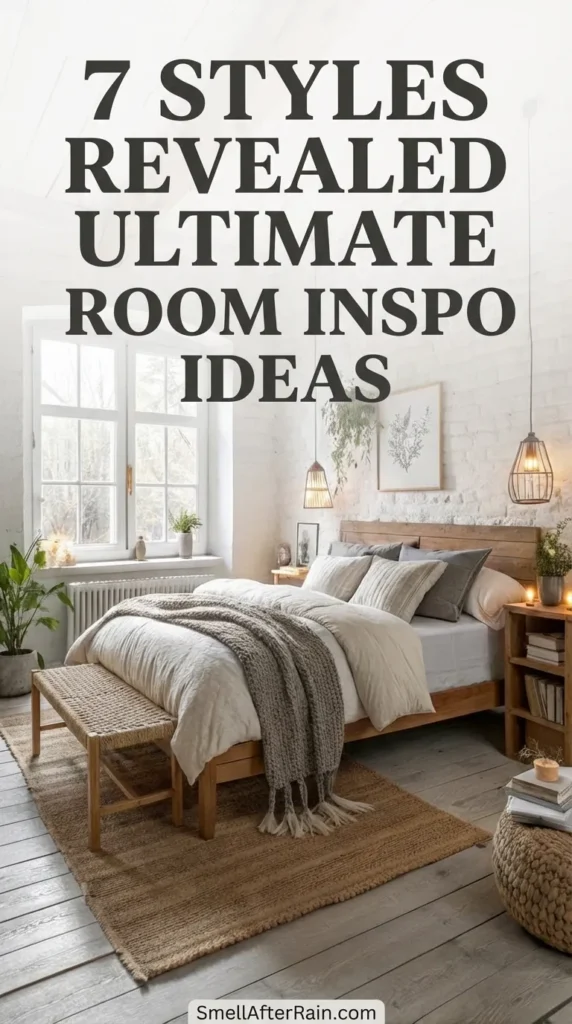
Lighting Architecture: The Kelvin Scale
Lighting is the unsung hero of dream room ideas. You cannot rely on the single overhead light fixture—professionals call this “the interrogation light.” Instead, you need three layers of light:
- Ambient: The general light (recessed lights or a central chandelier).
- Task: Light for specific activities (reading lamps, vanity mirrors).
- Accent: Light that highlights architectural features or art (strip lights, wall sconces).
Furthermore, pay attention to color temperature, measured in Kelvins. For a cozy room decor vibe, stick to 2700K-3000K (warm white). Anything above 4000K (cool white) belongs in a hospital or garage, not a bedroom. Improper lighting is a frequent culprit when a room feels “off,” which is a core topic in minimalist bedroom design principles.
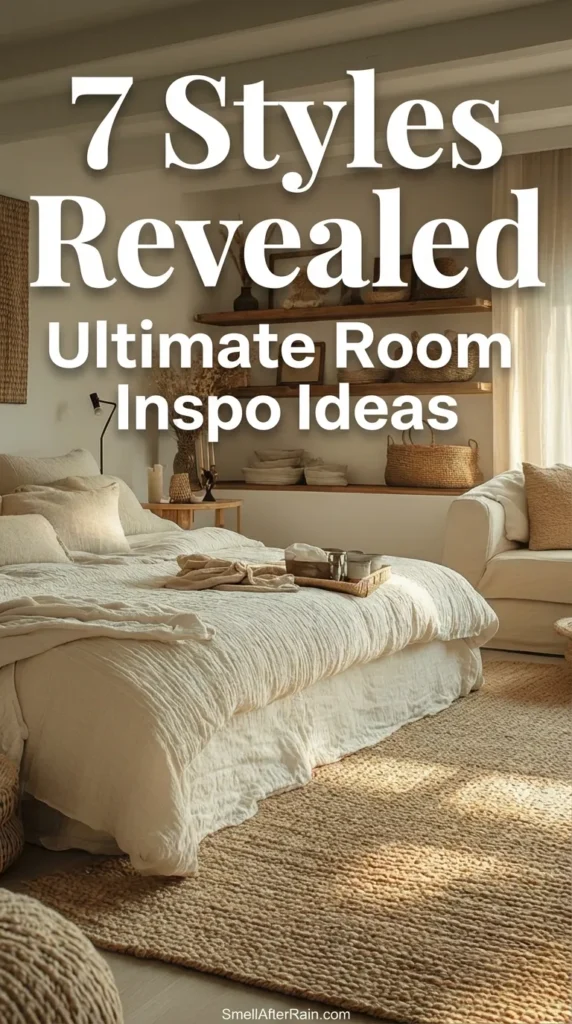
Textural Interplay: Creating Depth
Texture provides the tactile experience of a room. A room where everything is smooth (smooth leather, glass tables, hardwood floors) feels slippery and cold. You need to introduce “visual friction.”
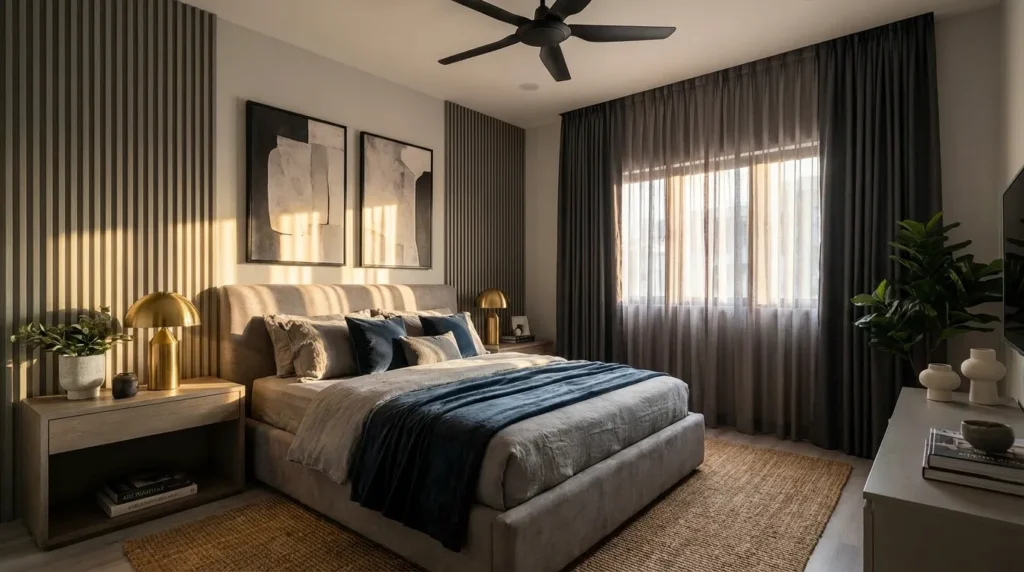
Contrast is your best friend here. Pair a rough jute rug with a velvet sofa. Place a sleek metal lamp on a distressed wood table. This interplay captures light differently and adds depth, preventing the “flat” look common in amateur designs. For a masterclass in balancing these elements, see dreamy bedroom ideas for a cozy minimalist escape.
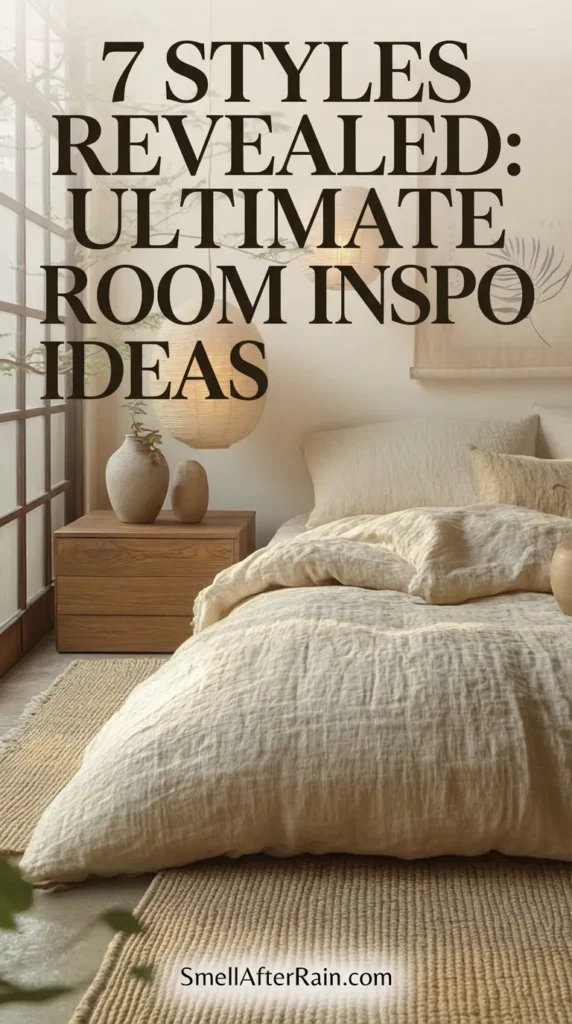
The Green Sanctuary: Biophilic Design
Biophilic design is the concept of connecting indoor spaces with the natural world. Incorporating plants is the easiest way to breathe life into a Pinterest room decor board come to life. Plants do more than look pretty; they soften architectural lines and improve air quality.
If you don’t have a green thumb, snake plants and ZZ plants are nearly indestructible. For aesthetics, trailing plants like Pothos placed on high shelves add a cascade of green that draws the eye vertically, enhancing the sense of space.
Room Makeover Logistics: Avoiding Disaster
A successful makeover requires planning. One major error is buying furniture without measuring the “flow” of traffic. You generally need 30-36 inches of walkway space between furniture pieces.
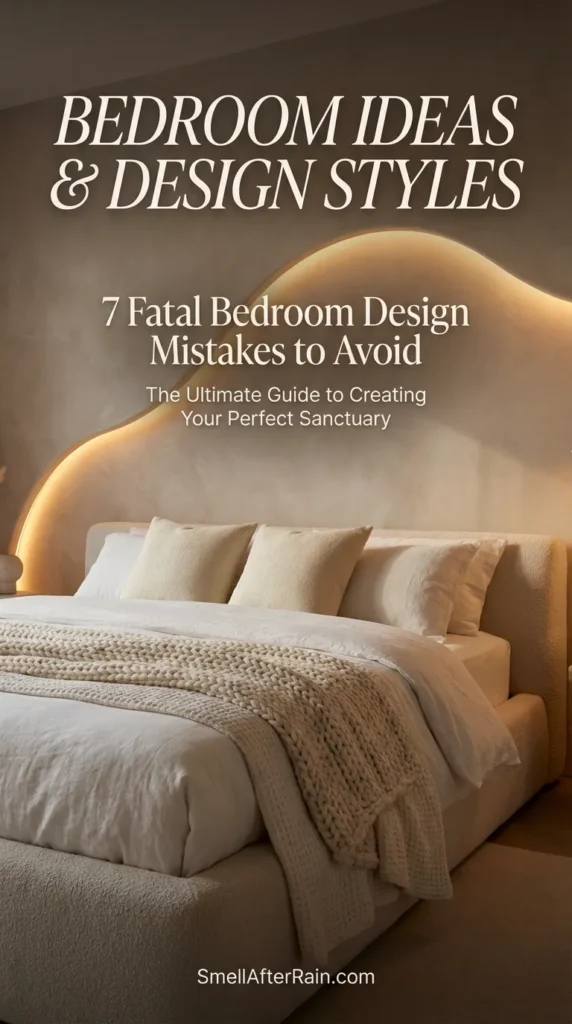
Before purchasing large items, tape the outline of the furniture on your floor using painter’s tape. This allows you to physically feel how much space the item consumes. If you rush this process, you fall victim to common pitfalls. We’ve compiled a list of 7 fatal bedroom design mistakes to avoid that can save you thousands of dollars and hours of frustration.
Conclusion
Creating a space that resonates with your personal style while functioning efficiently is a journey. Whether you are seeking small room inspo or a grand aesthetic room decor transformation, the principles of lighting, scale, and texture remain constant. Start small, plan thoroughly, and always prioritize how the room makes you feel over how it looks in a photo.
For more inspiration and detailed guides on interior design, visit Smell After Rain.
Frequently Asked Questions
1. How do I find my room aesthetic?
Start by creating a Pinterest board and pinning 30-50 images of rooms you love without overthinking it. Once done, look for patterns. Do you see a lot of plants? You might like Boho or Biophilic. Are the rooms mostly white and uncluttered? You lean toward Minimalism. Are there dark woods and vintage items? Perhaps Dark Academia. Your subconscious has already picked a style; you just need to identify the common threads.
2. How can I decorate a small room to make it look bigger?
Use mirrors strategically; placing a large mirror opposite a window reflects light and doubles the visual depth of the room. Choose furniture with exposed legs rather than skirted bottoms to show more floor space. Utilize light colors for walls (high LRV paints) to bounce light, and ensure you are utilizing vertical storage to keep the floor clutter-free.
3. What are the best budget room makeover ideas?
Paint is the highest ROI (Return on Investment) update you can make. A fresh coat of paint changes everything for under $50. Changing hardware (knobs and pulls) on dressers and cabinets is another cheap upgrade. Finally, lighting transforms a room; swapping a generic boob light for a structured pendant or adding warm lamps can make a budget room feel luxurious.
4. How do I make a rental room look aesthetic without damaging walls?
Command strips and hooks are essential for gallery walls. Peel-and-stick wallpaper allows you to add pattern and color to walls or even furniture surfaces without permanent glue. Washi tape can be used to create geometric wall art. Rugs are also crucial for covering up unsightly rental flooring that you cannot change.
5. What is the rule of thirds in decorating?
The rule of thirds suggests that odd numbers are more visually appealing to the human eye. When arranging accessories on a shelf or coffee table, group them in threes. This creates a visual center and prevents the arrangement from looking too symmetrical or forced. Vary the height of the three items to create a triangular composition.
6. How do I make my room cozy?
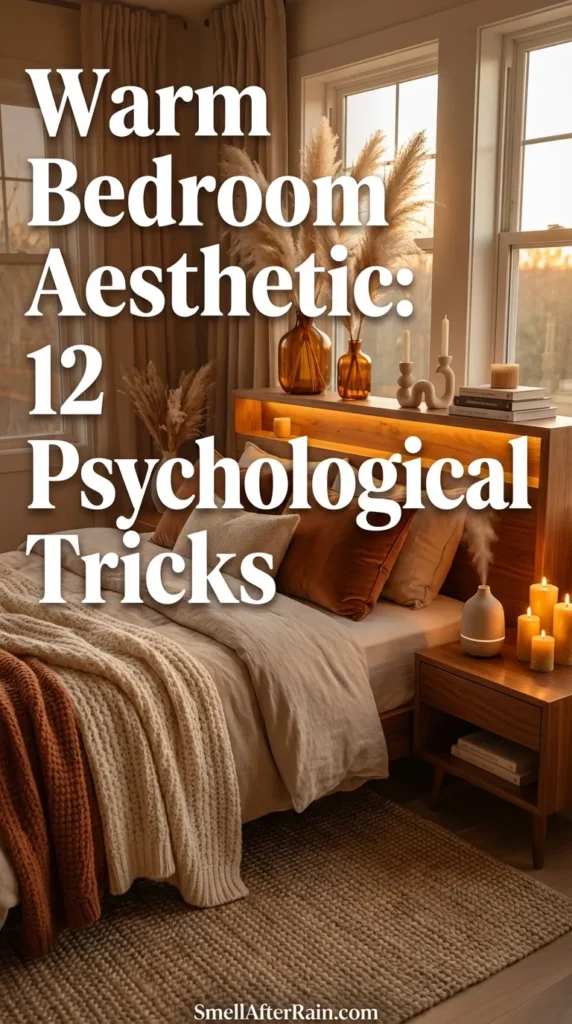
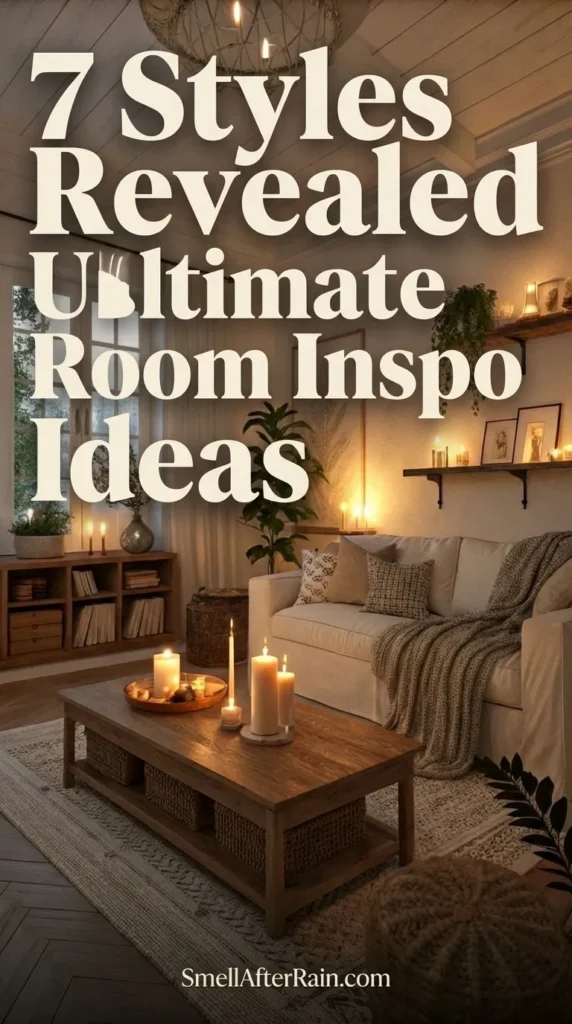
Coziness is about layering. Start with a rug, add curtains (heavier fabrics for warmth), and layer bedding with different textures (cotton sheets, a duvet, and a chunky knit throw). Use warm lighting (2700K bulbs) and incorporate wood tones to warm up the palette. Scent also plays a role; use candles or diffusers with warm notes like vanilla, sandalwood, or amber.