- 1. Prioritize Natural Stone Statement Pieces
- 2. Master the Art of Layered Illumination
- 3. Architectural Moldings and Millwork
- 4. Unlacquered Brass and Living Finishes
- 5. The Floating Vanity: Spacial Engineering
- 6. Wet Room Concepts for Small Footprints
- 7. High-End Plumbing Fixtures as Sculpture
- 8. Texture Over Colour: The Monochromatic Palette
- 9. Privacy with Fluted and Reeded Glass
- 10. Radiant Heating and Invisible Comfort
- 11. Symmetrical Balance and Dual Zones
- 12. Concealed Storage and Niche Architecture
- Frequently Asked Questions
- Conclusion
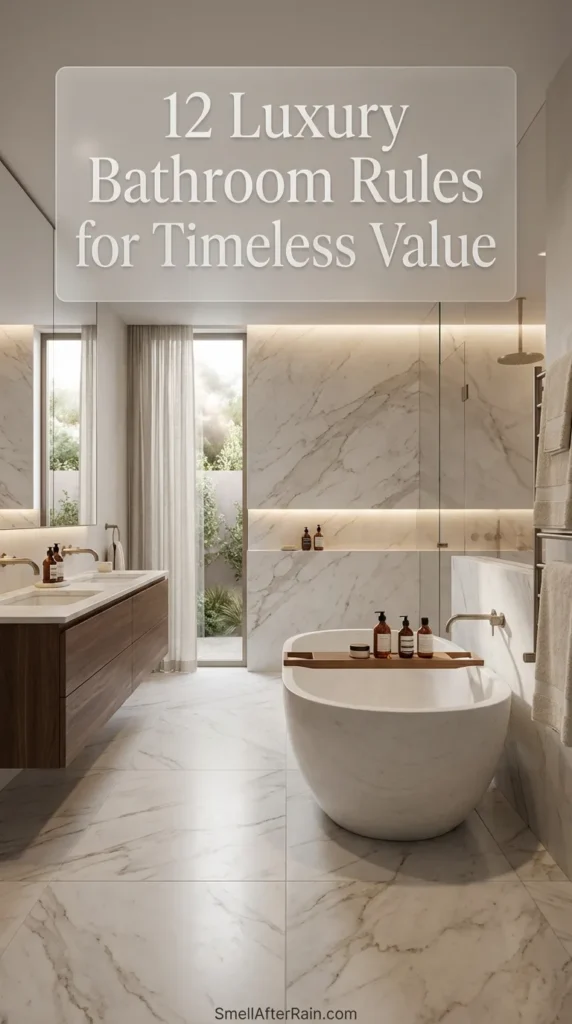
In the world of high-end real estate, few rooms command as much authority over a property’s value as the primary bathroom. It is no longer merely a utilitarian space; it is a sanctuary, a retreat, and a showcase of architectural integrity. When browsing bathroom inspo on Pinterest or flipping through architectural digests, the spaces that truly captivate us share a common thread: they eschew fleeting trends in favor of timeless materials and thoughtful spatial planning.
Creating a modern luxury bathroom requires a shift in mindset. We are moving away from the stark, sterile white boxes of the early 2000s and embracing the “Old Money” aesthetic—a design philosophy rooted in heritage, warmth, and substantial materials that age beautifully. Whether you are renovating a sprawling master suite or looking for modern small bathrooms ideas that maximize a compact footprint, the principles of luxury remain constant.
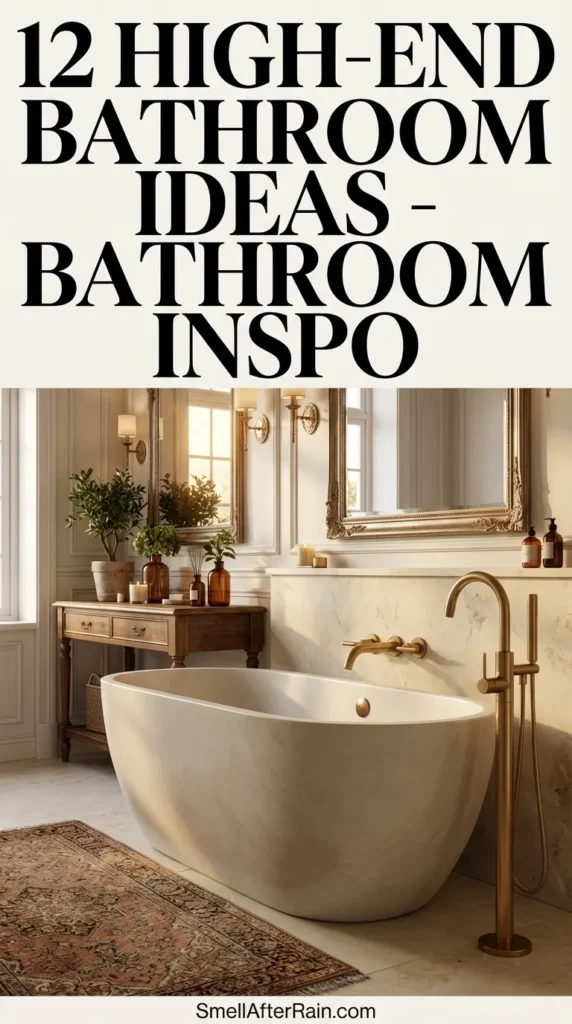
At Smell After Rain, we believe that true luxury is quiet. It is found in the weight of a brass handle, the veining of natural stone, and the perfect calibration of light. In this comprehensive guide, we are revealing the 12 non-negotiable rules for elevating your house bathroom into an investment-grade asset.
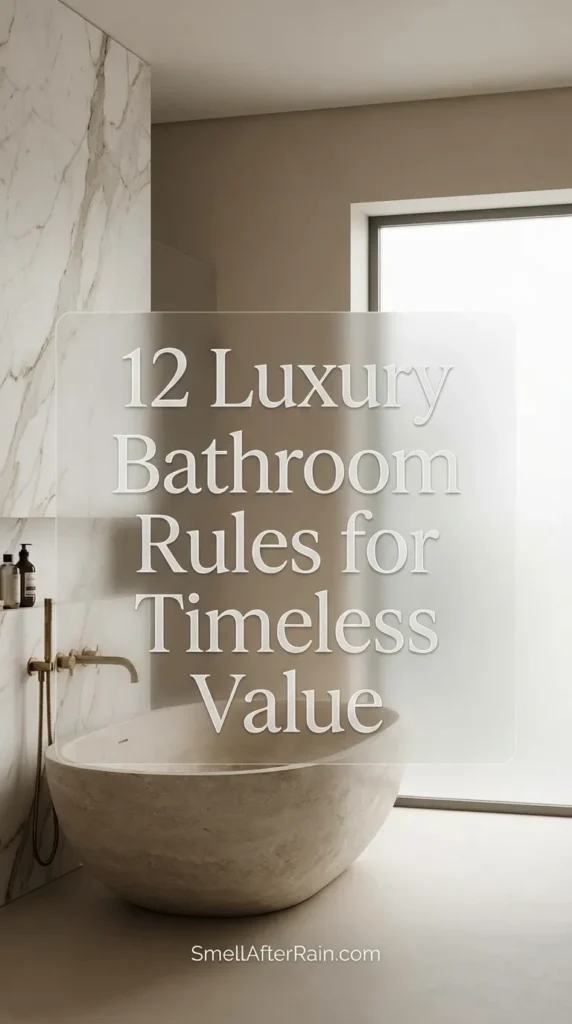
1. Prioritize Natural Stone Statement Pieces
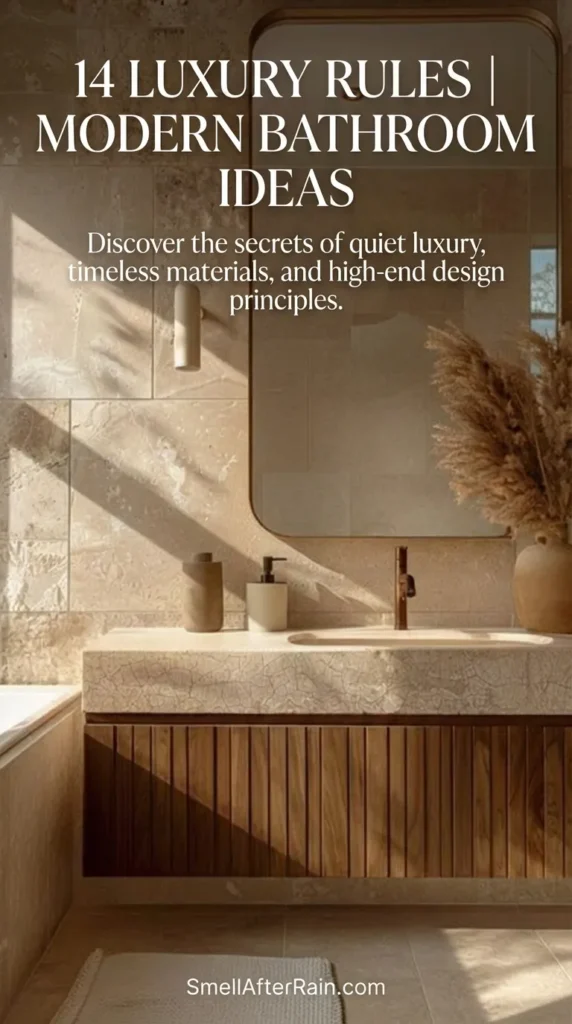
There is no substitute for the geological drama of natural stone. While porcelain tiles have come a long way in mimicking the look of marble, they lack the depth, thermal properties, and tactile coolness of the real thing. To achieve a truly high-end aesthetic, one must look toward large-slab applications.
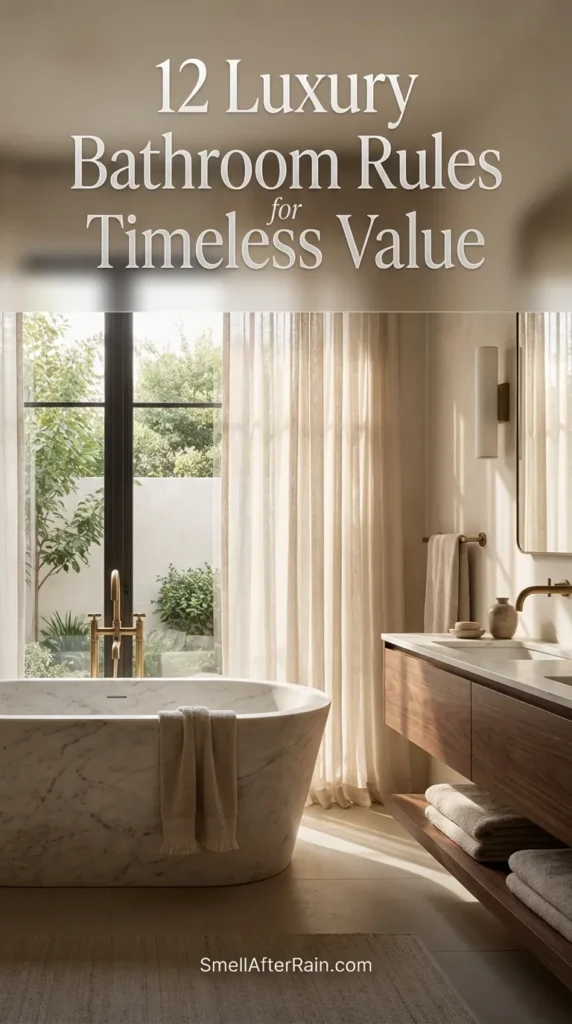
Book-matching is the ultimate signifier of luxury. This technique involves joining two slabs of marble (like Calacatta Gold or Statuario) so that the veining mirrors itself, creating a Rorschach-like art piece. This is particularly effective in shower enclosures or as a backdrop for a freestanding tub.
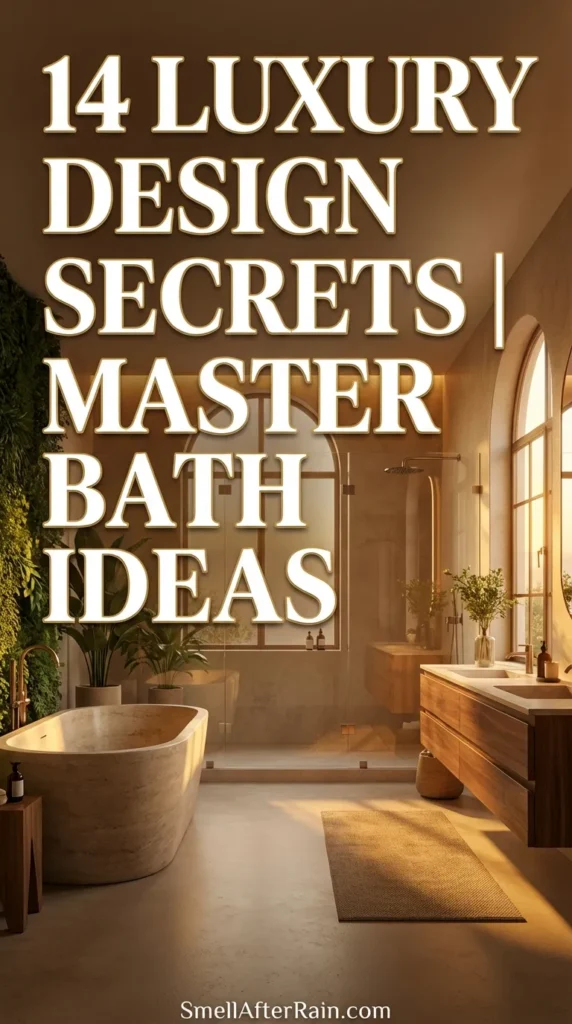
However, luxury does not always mean white marble. We are seeing a resurgence in warmer, earthier stones like Travertine and Limestone. These materials bridge the gap between modern bathroom interior trends and classical European architecture. If you are looking for specific ways to integrate these materials, explore our guide on master bath ideas and luxury design secrets.
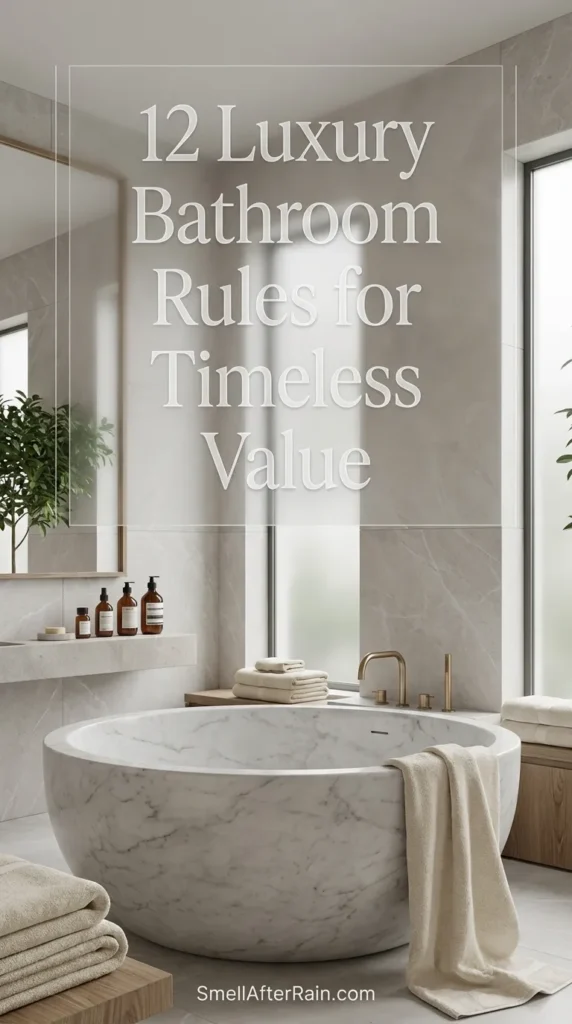
2. Master the Art of Layered Illumination
Lighting is the jewelry of the bathroom, yet it is often the most overlooked element in amateur designs. A single overhead ceiling fixture is the death knell of ambiance. High-end design requires a three-tiered approach: ambient, task, and accent lighting.
Task lighting should never be located directly above the head, as this casts unflattering shadows. Instead, install wall sconces at eye level on either side of the mirror. This provides even cross-illumination essential for grooming.
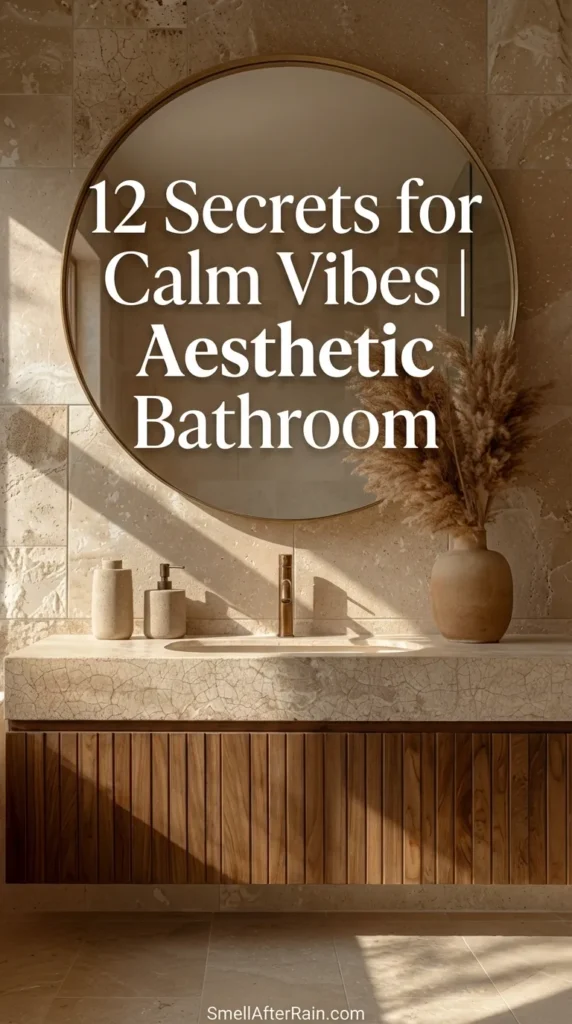
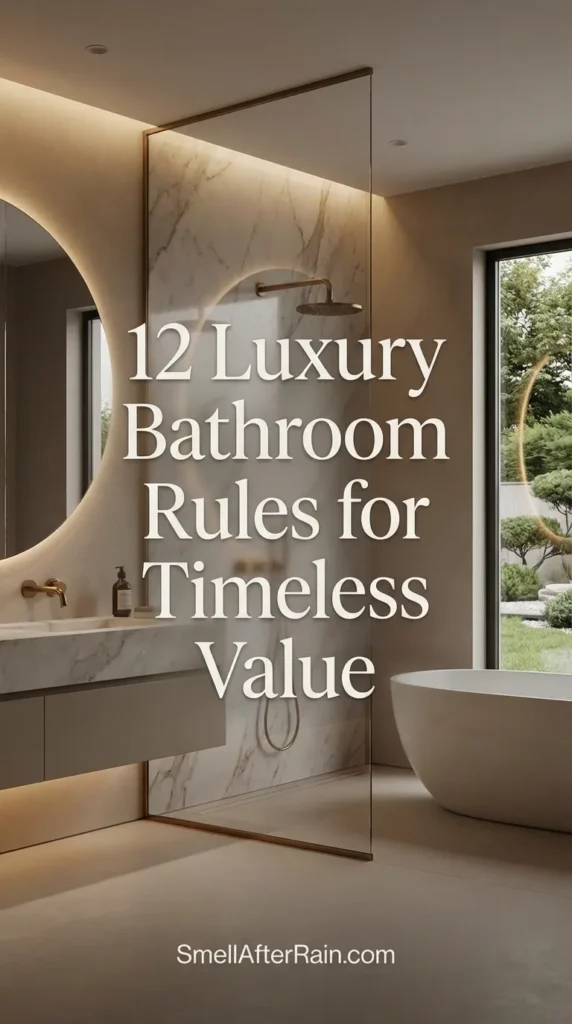
For a modern bathroom ideas twist, incorporate LED strip lighting in unconventional places—underneath a floating vanity or recessed into a shower niche. This creates a soft, ethereal glow perfect for evening relaxation. To understand how lighting dictates the mood, read about creating calm vibes through aesthetic choices.
3. Architectural Moldings and Millwork
The “Old Money” aesthetic is defined by the envelope of the room—the walls and ceilings. A drywall box feels temporary; a room with millwork feels permanent and substantial. Even in modern small bathrooms, adding architectural details creates a sense of grandeur.
Consider installing high wainscoting or tongue-and-groove paneling capped with a substantial chair rail. This not only protects the walls from moisture but also adds verticality to the room, drawing the eye upward. Crown molding creates a definitive transition between wall and ceiling, polishing the look.
For a more contemporary take, apply thin box trim moldings painted in the same color as the wall (color-drenching). This monochromatic texture adds depth without visual clutter, perfectly aligning with modern bathroom luxury rules.
4. Unlacquered Brass and Living Finishes
Chrome is functional; unlacquered brass is emotional. One of the hallmarks of high-end design is the embrace of “living finishes.” Unlike chrome or PVD finishes that look exactly the same on day 1,000 as they did on day one, unlacquered brass develops a patina over time. It darkens, weathers, and tells the story of the home.
This patina suggests age and permanence—key components of the “Old Money” look. If brass feels too traditional, polished nickel is a warmer, richer alternative to chrome that still offers a silver tone but with gold undertones.
Designer Tip: Do not be afraid to mix metals, but do so with intention. A matte black light fixture can ground a room filled with brass hardware, adding a touch of bathroom design inspiration that feels curated rather than catalog-bought.
5. The Floating Vanity: Spacial Engineering
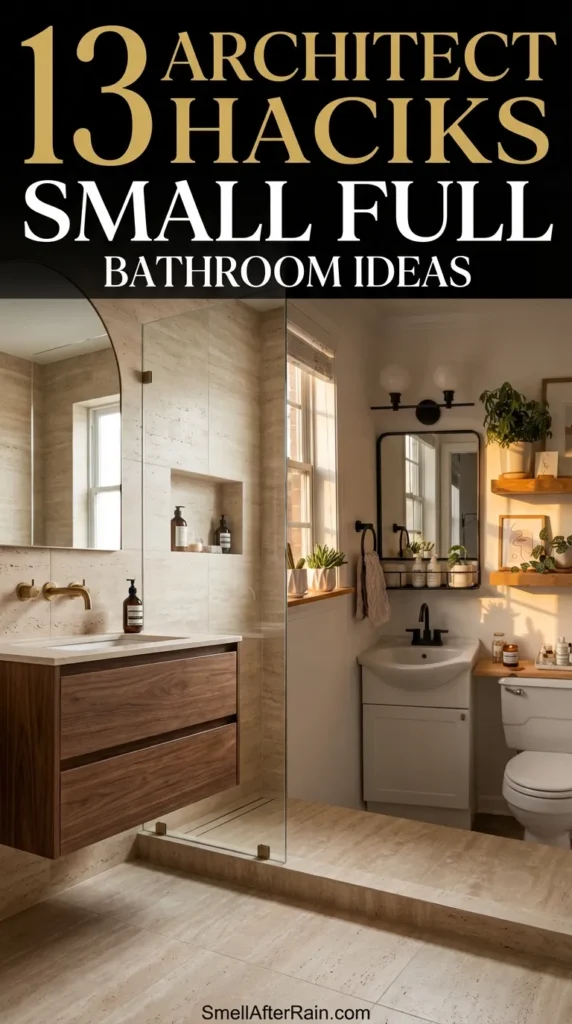
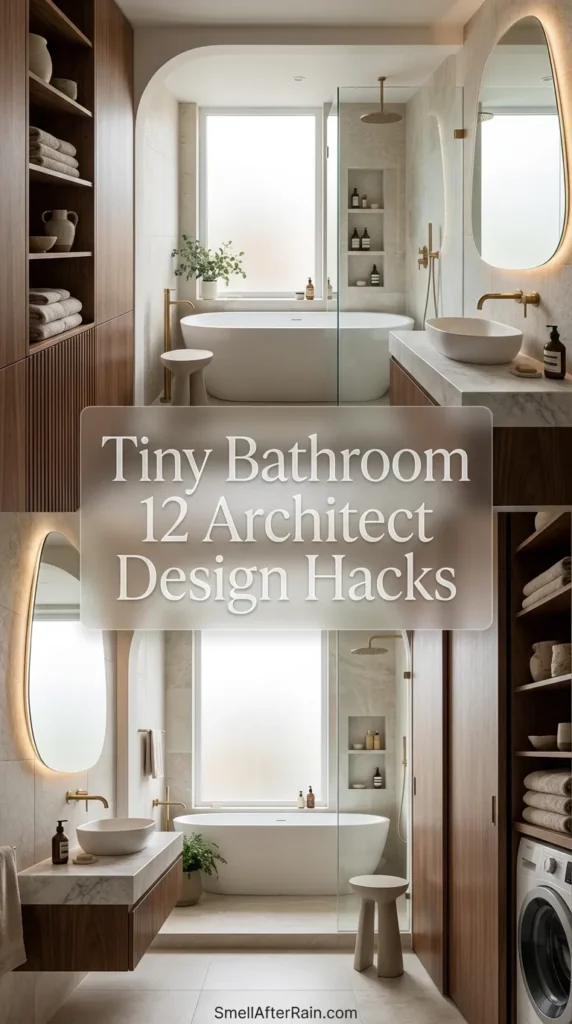
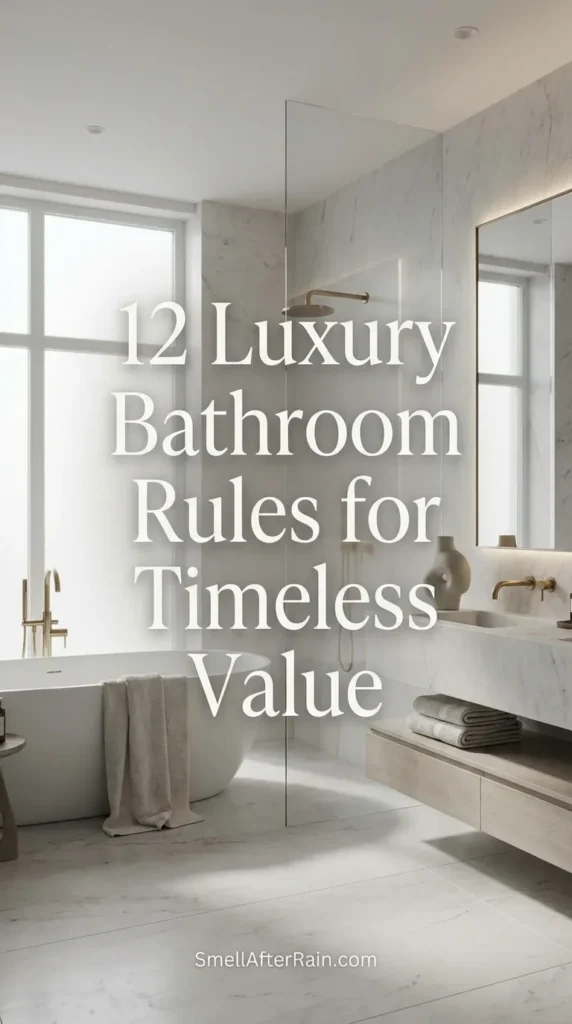
In minimalist small bathrooms, the floor area is the most valuable real estate. A heavy, furniture-style vanity that goes all the way to the floor can make a compact room feel claustrophobic. The solution lies in the floating vanity.
By mounting the cabinetry to the wall and leaving the floor space beneath visible, you trick the eye into perceiving the room as larger. The continuous flooring extends to the wall, creating an uninterrupted visual plane.
However, a floating vanity must still look substantial. Ensure the countertop is thick (at least 2 inches) or mitered to appear so. For detailed spatial hacks regarding vanities in tight quarters, review our article on spatial architect hacks for small bathrooms.
6. Wet Room Concepts for Small Footprints
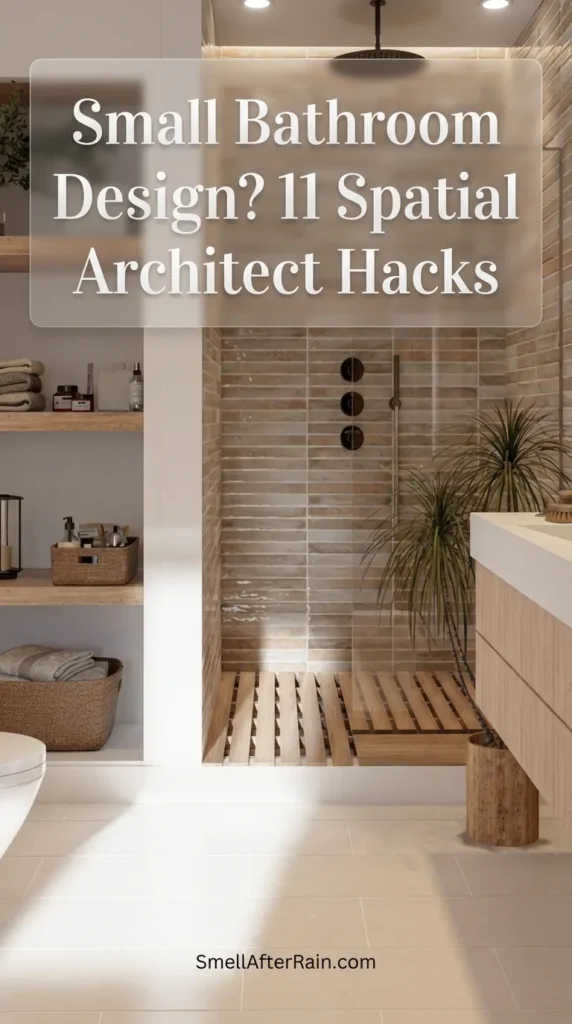
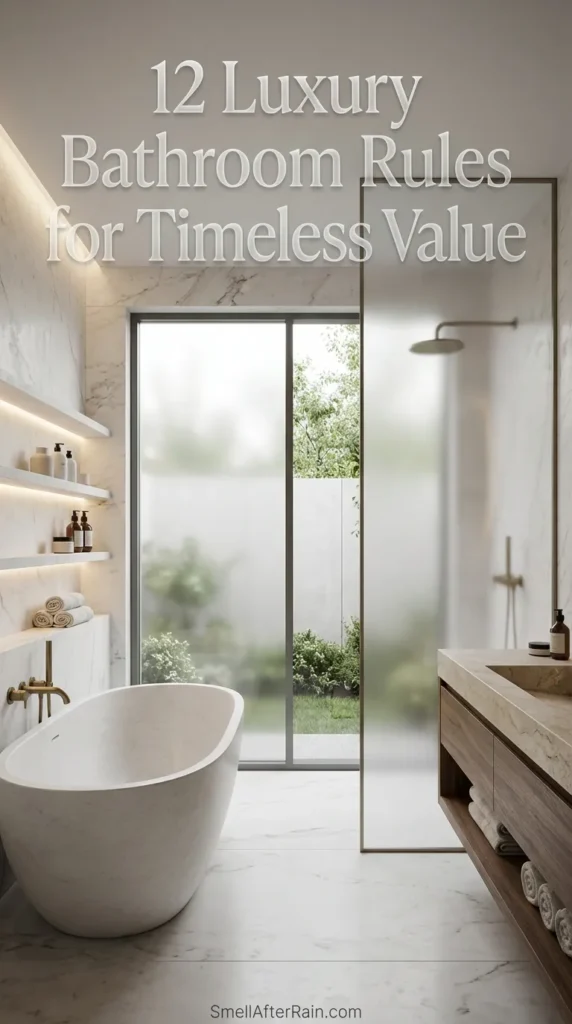
The separation of tub and shower often eats up unnecessary square footage. The wet room concept—where the shower and tub share a waterproofing zone behind a single glass partition—is a staple of luxury hotels and European apartments. This is arguably the most effective layout for small full bathroom ideas.
By tiling the entire room (floor to ceiling) and sloping the floor to a central drain, you eliminate the need for bulky shower curbs. This seamless transition is not only accessible but visually expansive. It transforms a cramped bathroom into a spa-like “bijou” space.
7. High-End Plumbing Fixtures as Sculpture
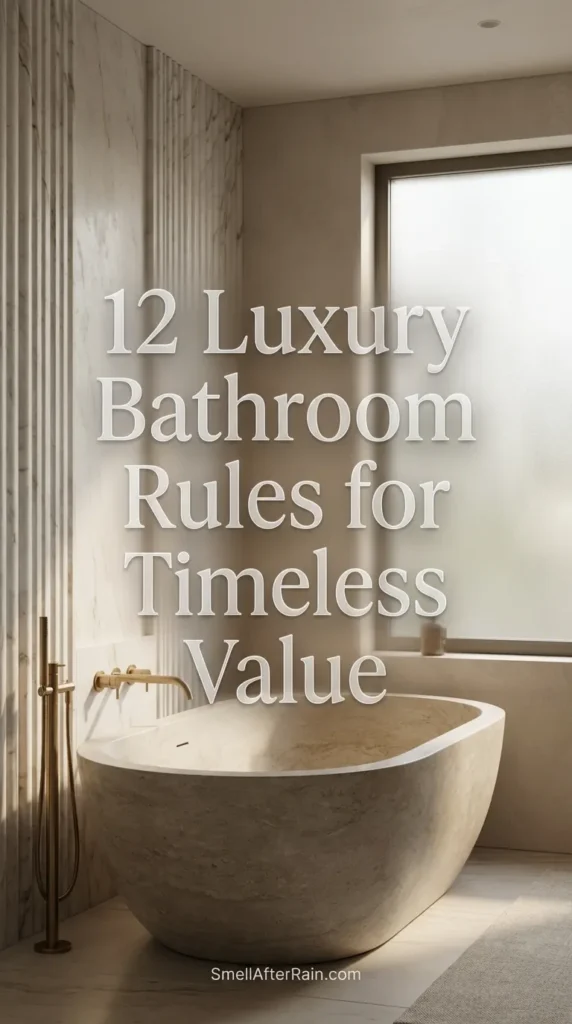
In a luxury bathroom, the tub is not just a vessel for water; it is a sculptural element. A freestanding tub serves as a focal point, anchoring the room’s layout. Materials matter here—cast iron or volcanic limestone composites retain heat significantly longer than cheap acrylics and have a solidity that resonates when tapped.
For the shower, invest in a thermostatic valve that controls volume and temperature separately. Rain showerheads should be ceiling-mounted for a true deluge effect, paired with a handheld wand for practicality. These details are discussed further in our guide to quiet luxury bathroom ideas.
8. Texture Over Colour: The Monochromatic Palette
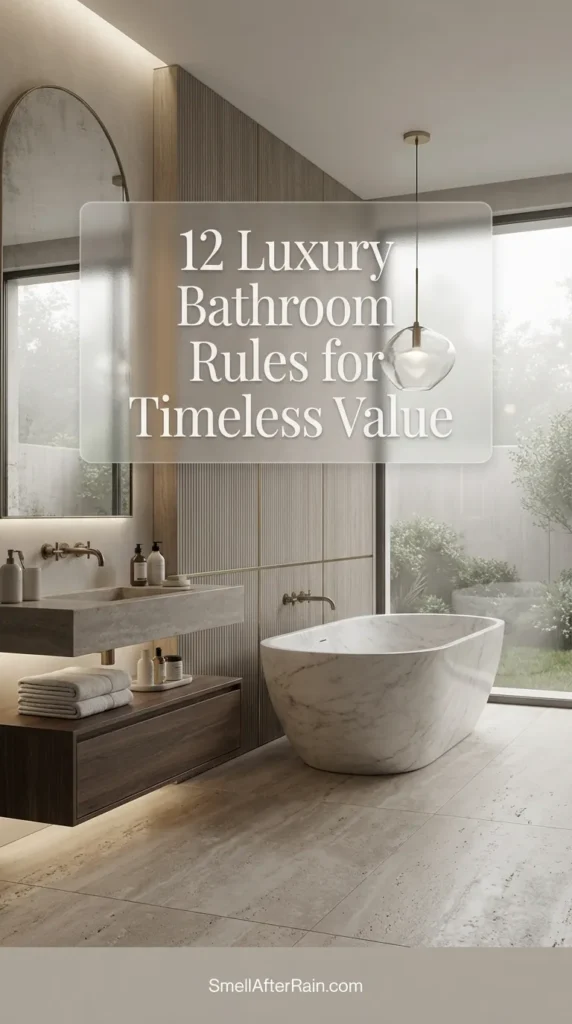
The most sophisticated bathroom interior ideas often rely on a restrained color palette. When you remove the distraction of bold colors, texture becomes the protagonist. A “white” bathroom should never be flat; it should feature polished marble, matte plaster walls, fluffy cotton towels, and woven rugs.
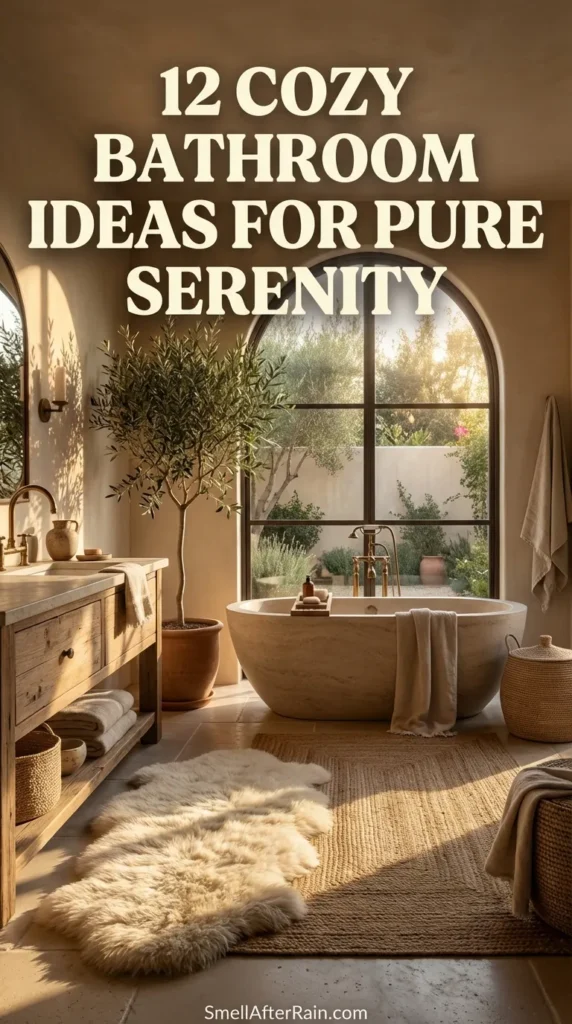
Use Tadelakt (a Moroccan waterproof plaster) for walls to introduce a velvety, organic texture that tiles cannot achieve. Layering these elements creates a sense of “coziness” without clutter. For more on achieving serenity through texture, see 12 cozy bathroom ideas for pure serenity.
9. Privacy with Fluted and Reeded Glass
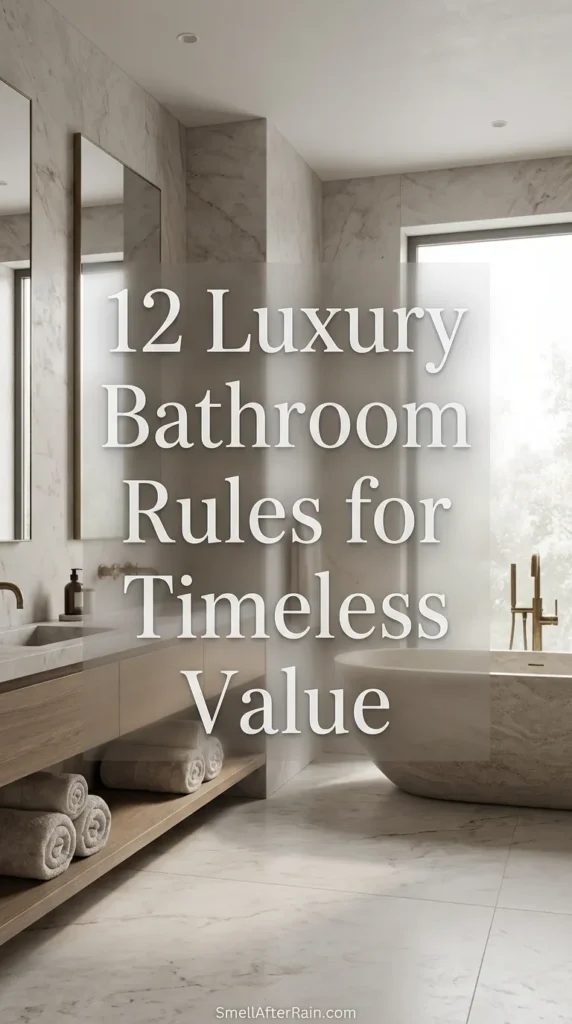
Clear glass is classic, but textured glass is currently defining the bathroom design styles of the elite. Fluted (ribbed) or reeded glass offers privacy while still allowing light to filter through. It obscures water spots better than clear glass and adds a vintage, Art Deco-inspired linearity to the space.
Use reeded glass for shower doors, water closet partitions, or even cabinet fronts. It diffuses light beautifully, adding a soft focus to the hard edges of tile and stone.
10. Radiant Heating and Invisible Comfort
True luxury is felt, not just seen. Stepping onto a cold tile floor instantly breaks the illusion of a sanctuary. Electric radiant floor heating is a relatively low-cost upgrade during a renovation that adds immense value and comfort.
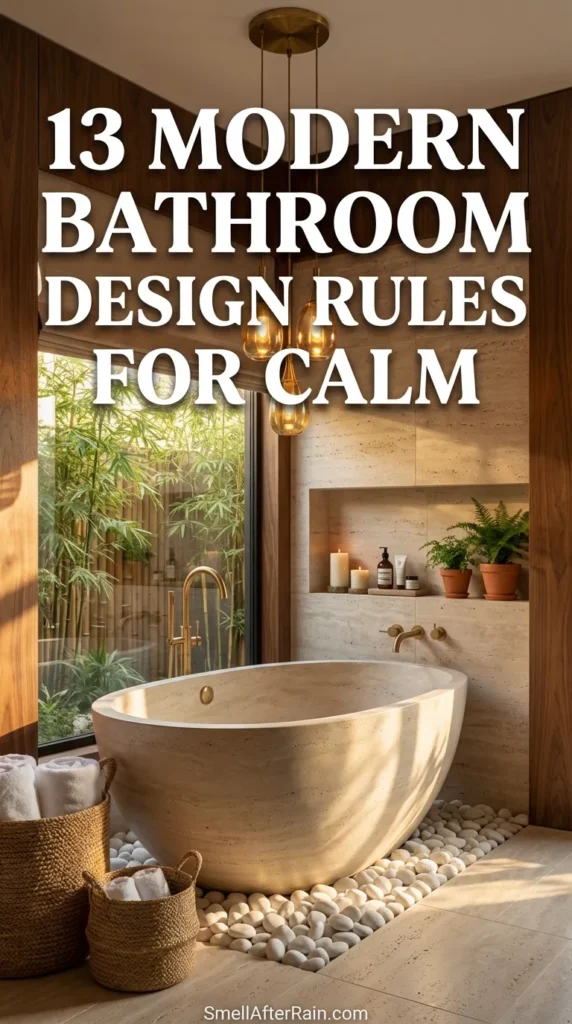
Beyond the floor, consider heated towel rails. In Europe, these are standard; in North America, they are a signifier of a custom, high-end build. They ensure your linens are always warm and dry, preventing the dampness that plagues poorly ventilated bathrooms. This aligns with the principles of modern bathroom design rules for calm.
11. Symmetrical Balance and Dual Zones
Our brains are hardwired to find symmetry pleasing. In a master bath, symmetry suggests order and balance. Wherever possible, design around a central axis—perhaps the tub or a window.
Double vanities should be mirror images of each other. Sconces should be perfectly aligned. This architectural rigor is what separates a DIY remodel from a designer execution. If you are working with a tiny bathroom, symmetry is even more critical to prevent the space from feeling chaotic. See our architect hacks for tiny bathrooms for layout specifics.
12. Concealed Storage and Niche Architecture
Clutter is the enemy of luxury. The “Old Money” aesthetic dictates that personal items (toothbrushes, shampoo bottles) should be invisible when not in use. This requires intelligent storage planning.
Avoid sticking plastic caddies to the wall. Instead, frame out recessed niches in the shower and beside the vanity. A tall, recessed medicine cabinet mirrored on the inside allows for eye-level storage without protruding into the room. Plan your electrical outlets inside drawers and cabinets to keep hairdryers and trimmers plugged in but out of sight.
Frequently Asked Questions
What makes a bathroom look expensive?
A bathroom looks expensive when it prioritizes natural materials (stone, wood, brass) over synthetic ones. Uniformity in finishes, recessed storage to hide clutter, and layered lighting (sconces plus overheads) are critical. Furthermore, taking tile all the way to the ceiling rather than stopping midway up the wall creates a heightened sense of luxury.
How can I make my small bathroom look like a luxury hotel?
To elevate a small bathroom, use the “jewel box” approach. Use high-impact wallpaper or dark, moody paint colors to blur the corners of the room. Install a large mirror to double the visual space, and ensure you use a frameless glass shower enclosure to prevent visual breaks. Treat the hardware like jewelry—invest in high-quality brass or nickel fixtures.
Is a bathtub necessary for resale value?
In a primary/master suite, a bathtub is generally expected by buyers in the luxury market. However, in guest bathrooms or smaller apartments, a spacious, high-end walk-in shower is often preferred over a cramped tub-shower combo. If space allows, a freestanding tub is a major asset for property value.
What is the best color for a timeless bathroom?
Warm whites, soft greys, and earthy beiges (like greige) are the most timeless. These neutral backdrops allow you to layer textures and change accent colors (towels, art) over time without renovating. Avoid trendy colors for permanent fixtures like tile and tubs.
How much does a luxury bathroom remodel cost?
A high-end bathroom remodel can range significantly, but typically starts around $25,000 and can easily exceed $75,000+ depending on square footage and materials. The cost is driven by plumbing relocation, natural stone slab costs, and high-end fixtures.
Conclusion
Designing a bathroom that transcends trends requires discipline. It is about choosing the marble that will stain (and loving it for that reason), the brass that will tarnish, and the layout that prioritizes peace over novelty. Whether you are browsing bathroom ideas for a full renovation or a simple refresh, remember that quality materials and architectural integrity are the ultimate luxury. For more inspiration on curating your home, visit our main bathroom design collection.