- 1. Optimize the Architectural Footprint
- 2. Embrace the Wet Room Revolution
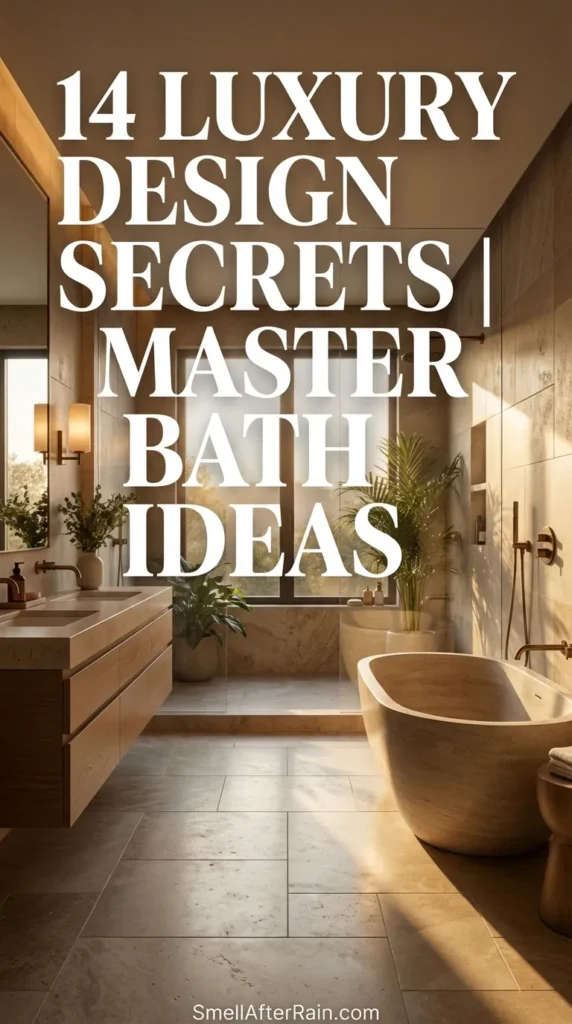
- 3. Select Statement Freestanding Tubs
- 4. Curate a Warm Neutral Palette
- 5. Master the Art of Layered Lighting
- 6. Invest in Floating Vanities
- 7. Incorporate Biophilic Design Elements
- 8. Utilize Mixed Metal Hardware
- 9. Upgrade to Smart Shower Technology
- 10. Install Radiant Floor Heating
- 11. Design Custom Storage Niches
- 12. Choose Timeless Natural Stone
- 13. Integrate Privacy Glass Solutions
- 14. Final Styling and Sensory Details
- Frequently Asked Questions
- Conclusion
The modern home has undergone a significant evolution, transforming utilitarian spaces into personal sanctuaries. At the forefront of this shift is the master bathroom. No longer just a place for quick routines, the master bath design is now treated as a domestic spa—a retreat for decompression and renewal. Whether you are planning a complete master bath remodel or seeking simple master bath inspiration to refresh your space, understanding the nuances of luxury design is essential.
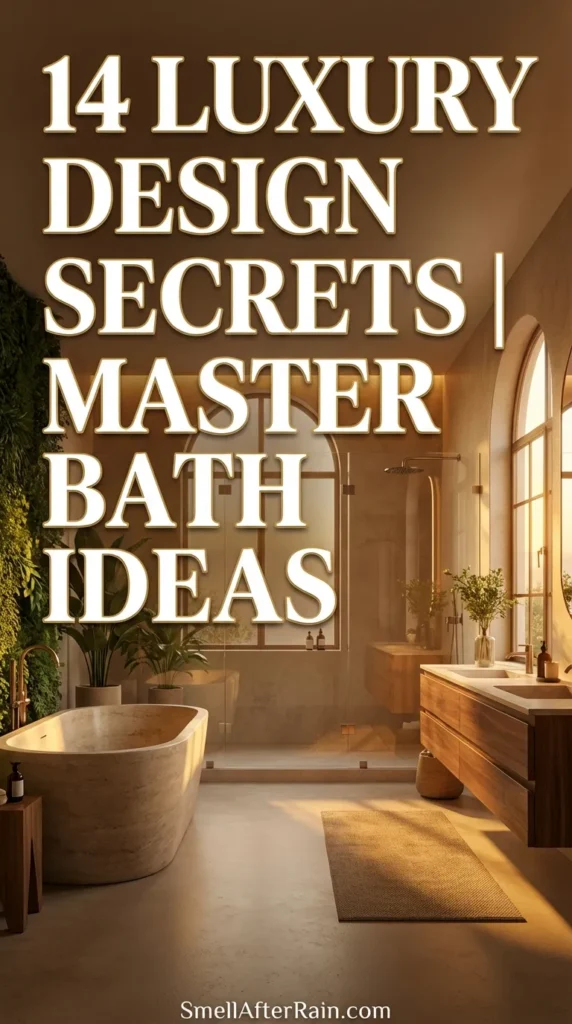
Creating a timeless master bath requires balancing aesthetics with profound functionality. It is about merging material science with color theory, ensuring that your modern master bath remains relevant for decades. In this comprehensive guide, we explore 14 distinct strategies to elevate your bathroom, covering everything from innovative bathroom ideas to structural secrets.
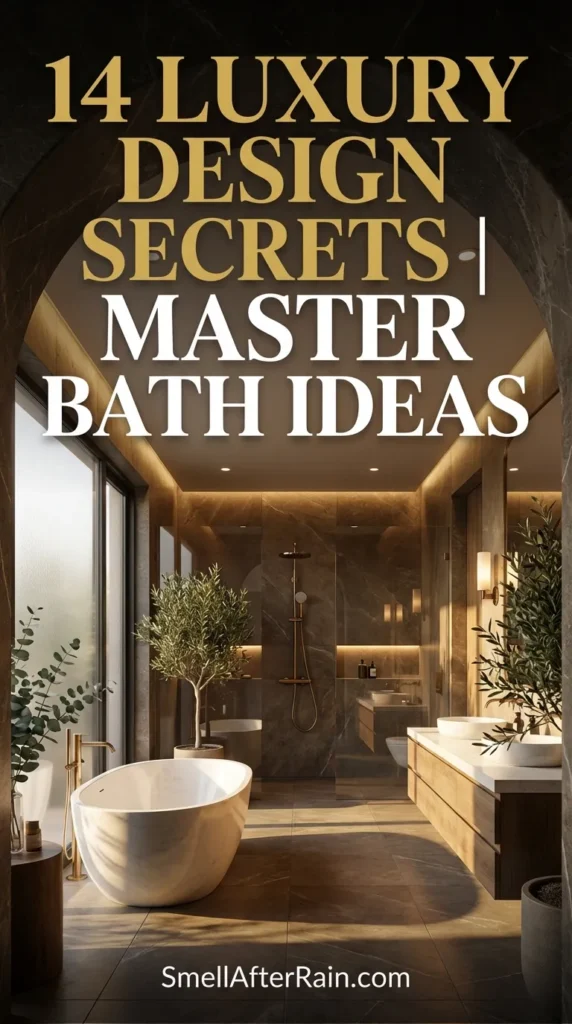
1. Optimize the Architectural Footprint
Before selecting tiles or taps, the foundation of any successful master bath remodel lies in the floor plan. The spatial layout dictates the flow and feeling of the room. In luxury design, symmetry often plays a key role, but functional zoning is paramount.
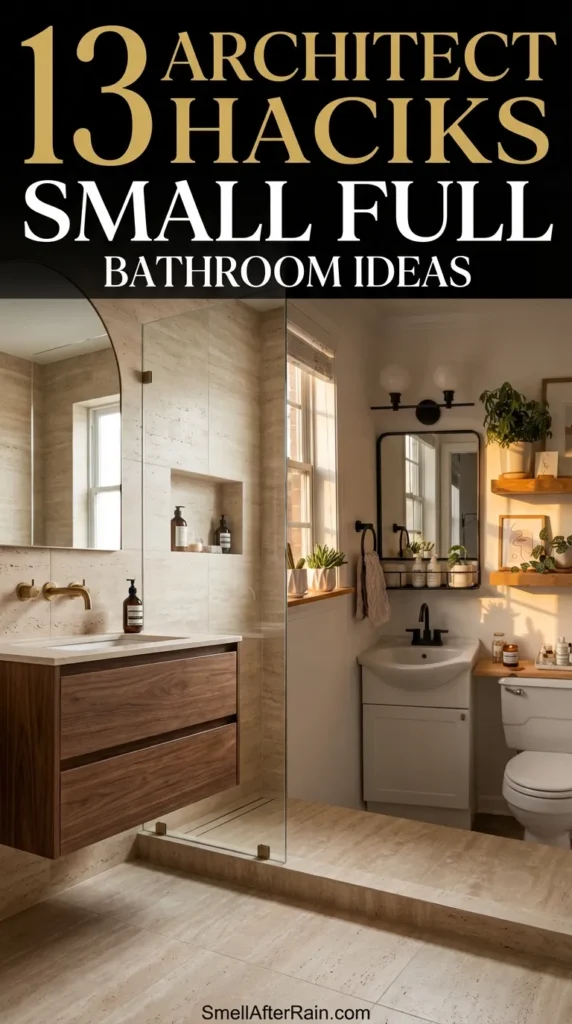
Consider the “sightlines”—what is the first thing you see when you open the door? Ideally, it should be a focal point like a freestanding tub or a beautifully lit vanity, rather than a toilet. For those working with tighter constraints, looking into creative room layouts can reveal how to utilize corners effectively. Even in small full bathroom ideas, creating distinct zones for wet and dry activities can make the space feel exponentially larger.
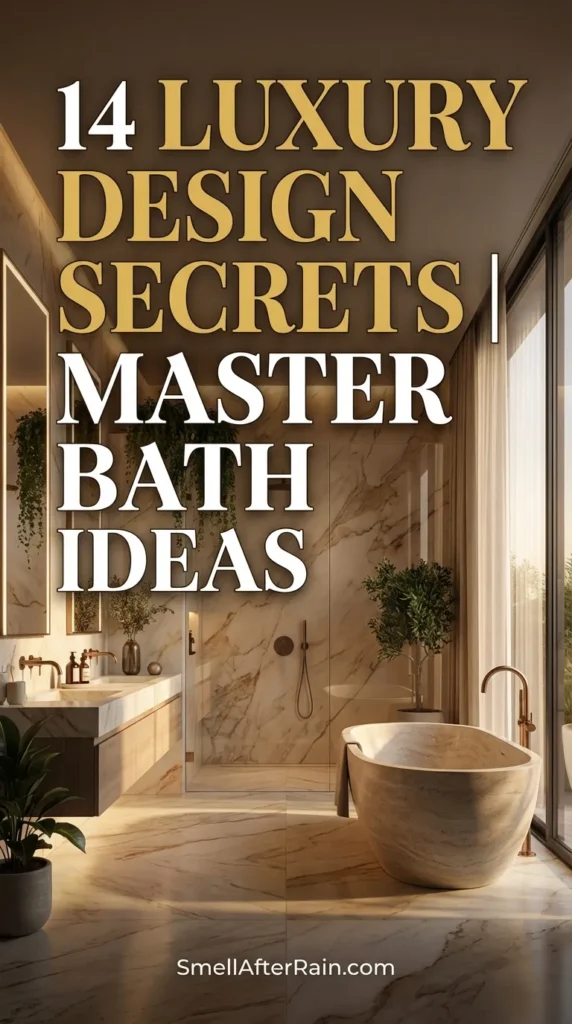
2. Embrace the Wet Room Revolution
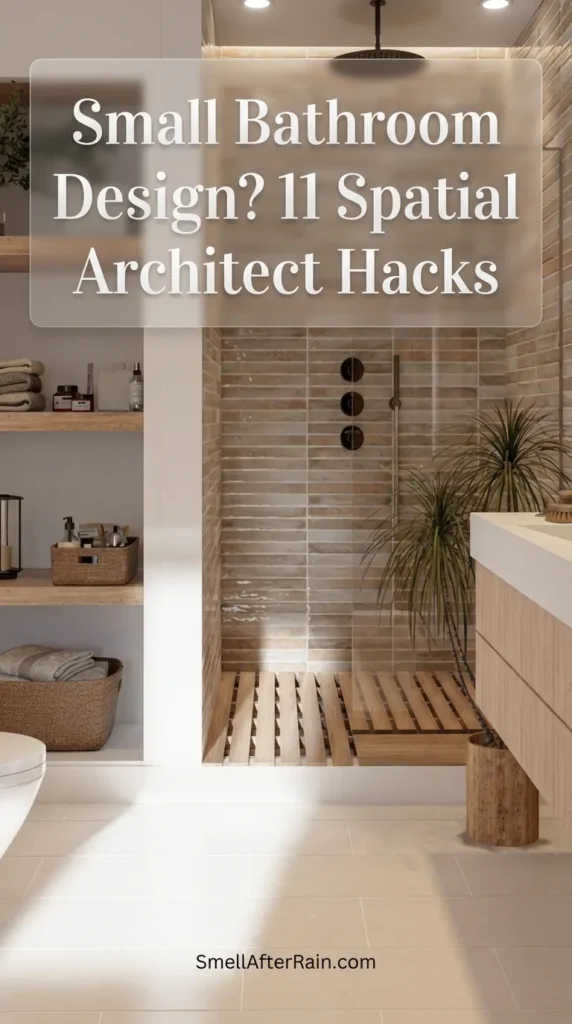
One of the most defining modern bathroom ideas of the last decade is the wet room. By eliminating the barrier between the shower and the rest of the bathroom (or enclosing the tub and shower behind a single glass partition), you create a seamless, spa-like experience.
This approach not only visually expands the room but also improves accessibility. From a construction standpoint, this requires floor-to-ceiling waterproofing and a gradient floor to ensure proper drainage. The result is a home environment that feels fluid and open. A wet room allows for larger shower heads and bench seating without the constraints of a standard enclosure.
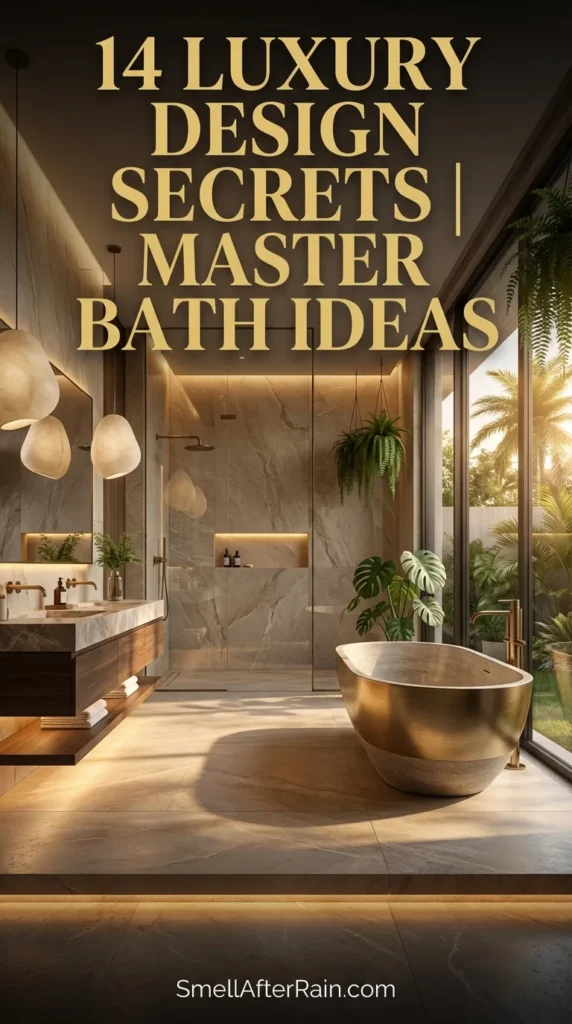
3. Select Statement Freestanding Tubs
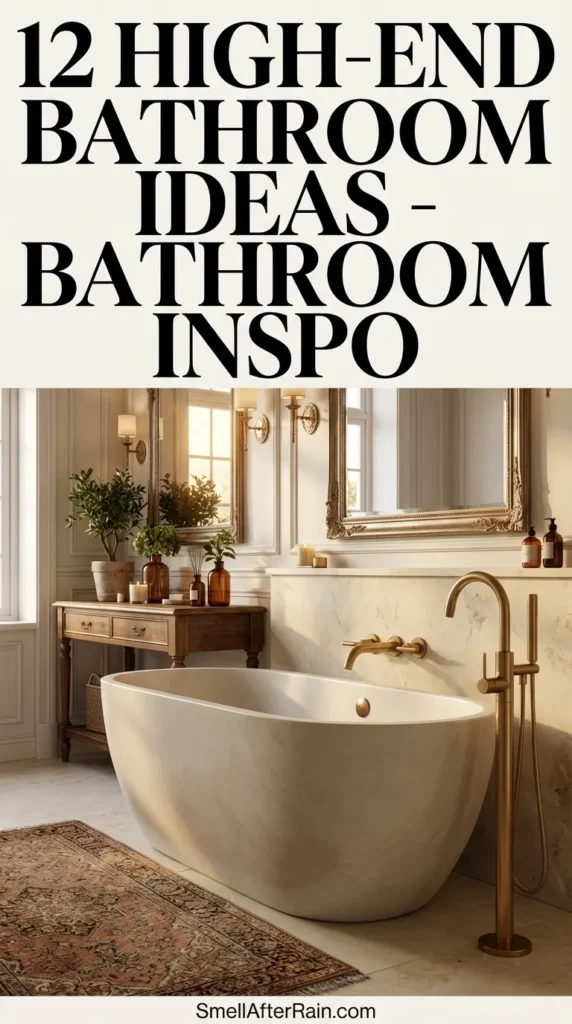
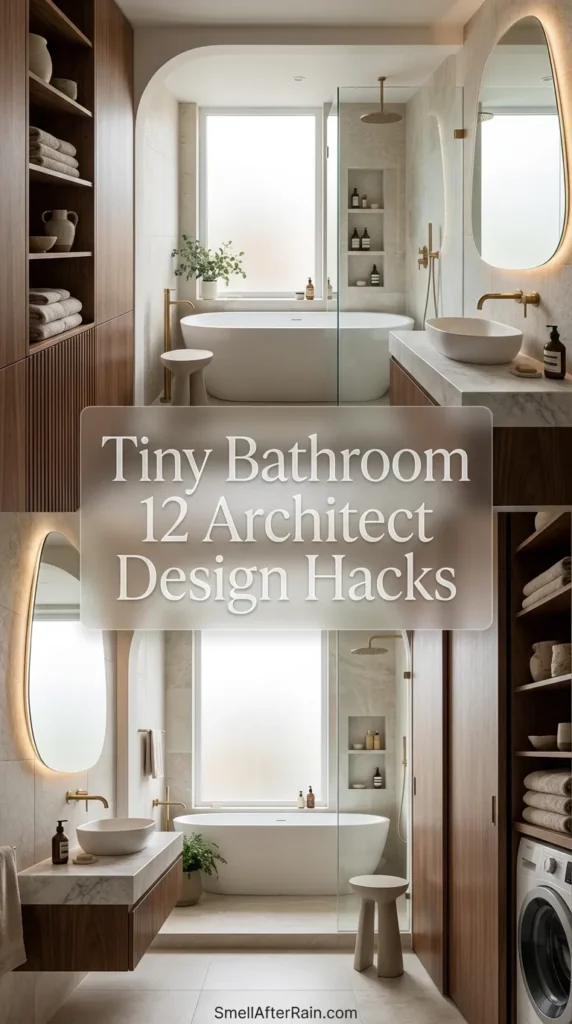
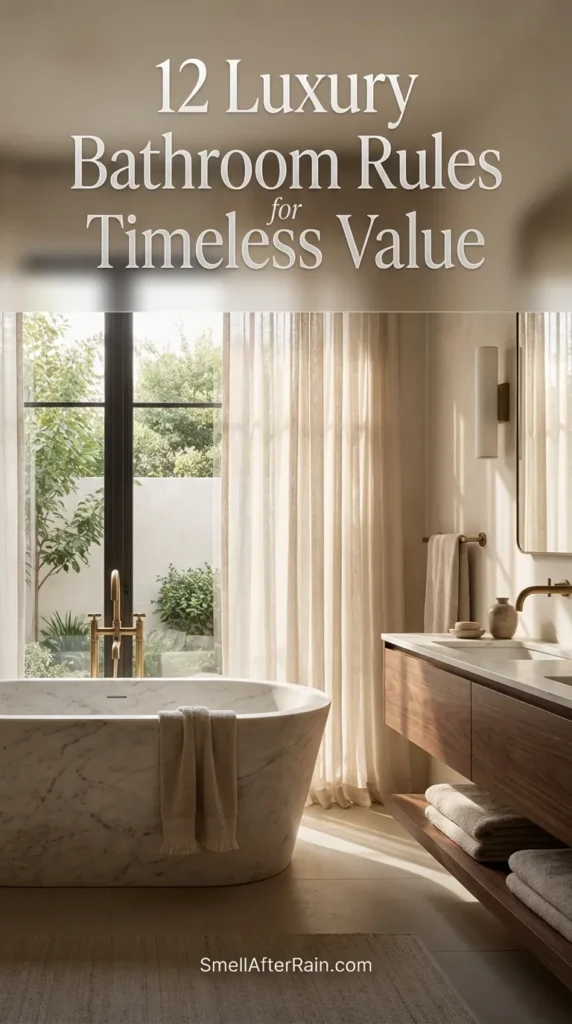
The bathtub is the jewelry of the bathroom. While built-in tubs have their place, a freestanding tub serves as a sculptural centerpiece. Materials matter here: acrylic is lightweight and retains heat well, while cast iron offers unmatched durability and a classic aesthetic.
Resin and stone composite tubs are gaining popularity in modern master bath designs for their matte finishes and heat retention properties. Position your tub near a window for natural light or beneath a statement chandelier to anchor the space. This is where you can retreat with a book—perhaps borrowing inspiration from cozy book nooks—to unwind in total comfort.
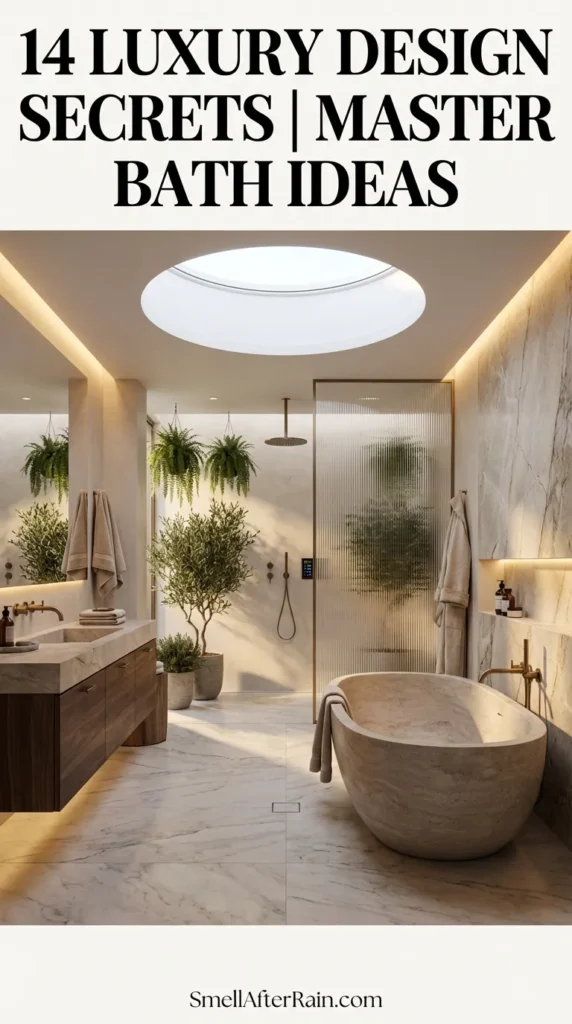
4. Curate a Warm Neutral Palette
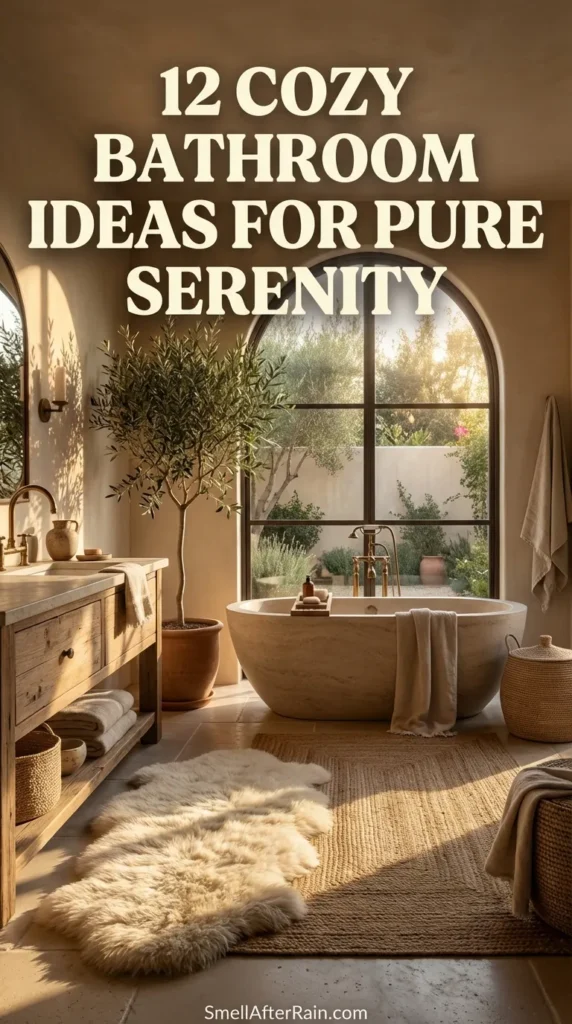
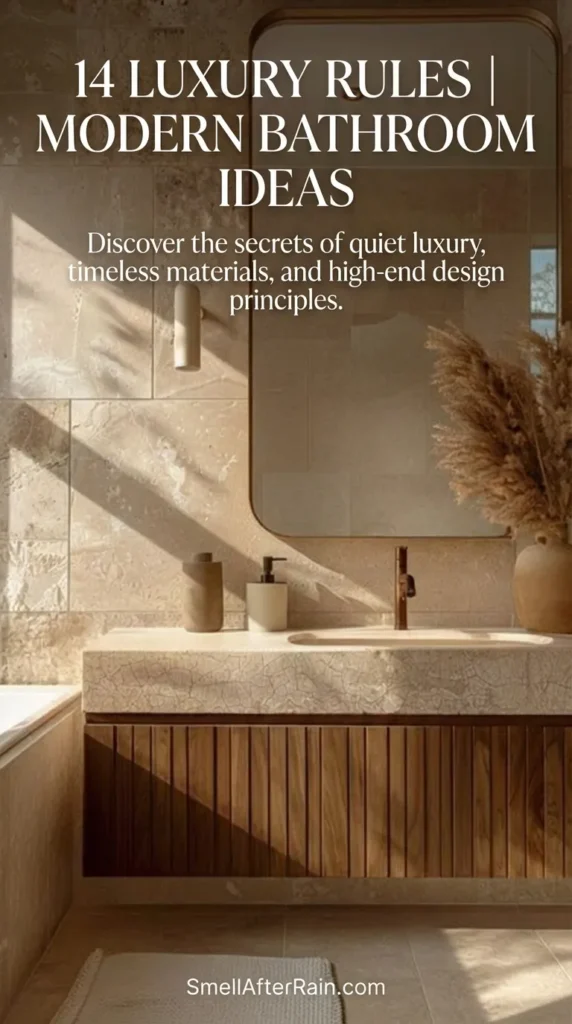
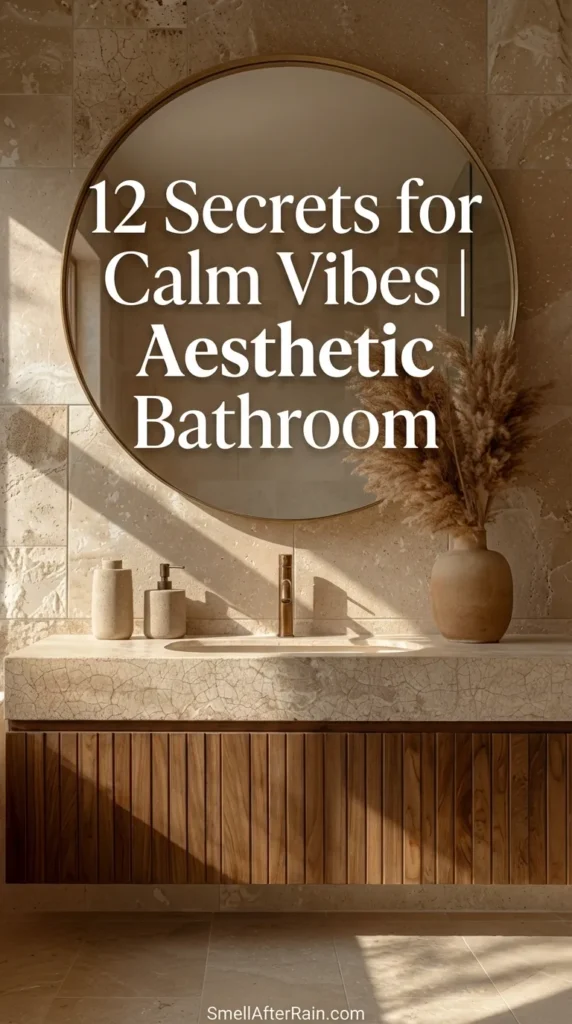
Gone are the days of sterile, clinical white bathrooms. The current trend leans heavily toward warm neutral bathroom ideas. Think creamy off-whites, soft taupes, warm greiges, and earthy terracottas. These colors induce relaxation and mimic the organic tones found in nature.
To prevent a neutral palette from feeling flat, rely on texture. Pair smooth plaster walls with rough-hewn limestone floors. Use white oak cabinetry to introduce warmth against cool marble. This approach creates a timeless master bath that feels inviting rather than stark. It connects visually with adjacent sleeping areas, creating a cohesive suite—much like the design principles used in curated bedroom ideas.
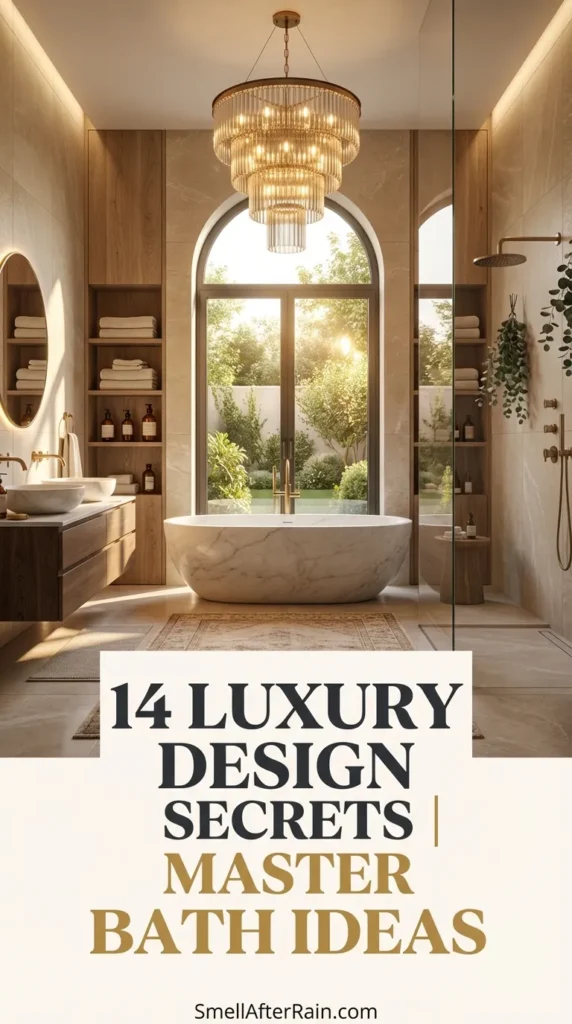
5. Master the Art of Layered Lighting
Lighting in a bathroom must serve two opposing masters: precision task lighting for grooming and soft ambient lighting for relaxation. A single overhead fixture is insufficient. You need a layered approach.
- Task Lighting: Sconces mounted at eye level on either side of the mirror eliminate shadows on the face, essential for makeup application and shaving.
- Ambient Lighting: Recessed can lights on dimmers provide general illumination.
- Accent Lighting: LED strips under a floating vanity or inside a shower niche add a high-end, futuristic glow.
Pay attention to the Kelvin rating (color temperature). For a bathroom, 3000K is often the sweet spot—bright enough to see clearly but warm enough to be flattering.
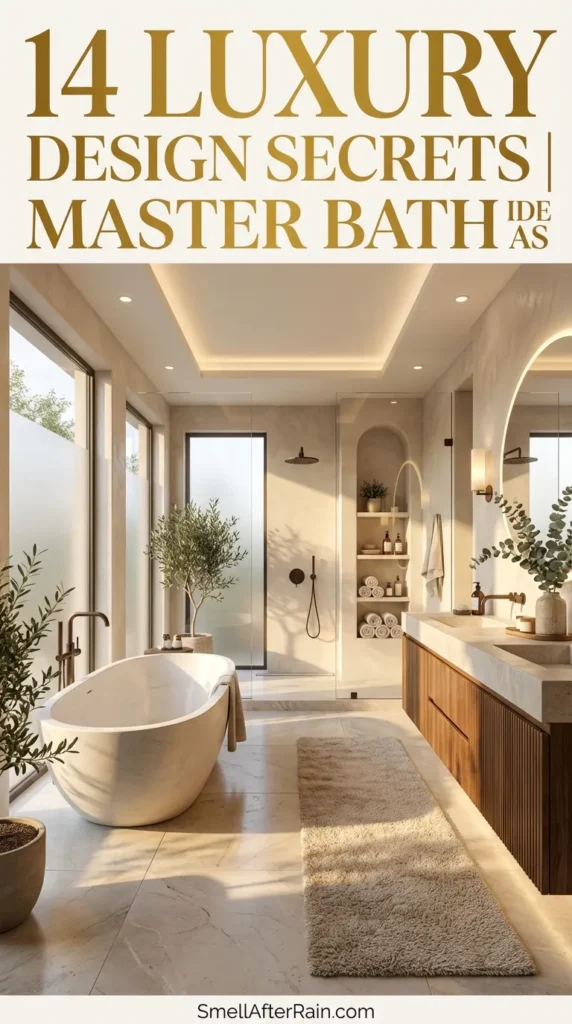
6. Invest in Floating Vanities
Floating vanities are a staple of modern bathroom ideas. By mounting the cabinetry to the wall and leaving the floor space beneath open, you increase the visual floor area, making the room feel larger and airier.
Beyond aesthetics, this design facilitates easier cleaning. When selecting a vanity, consider the countertop material carefully. Quartz is non-porous and low maintenance, while natural marble requires sealing but offers unparalleled beauty. Ensure you have ample drawer space to keep countertops clutter-free, mimicking the organizational efficiency often found in well-designed kitchen ideas.
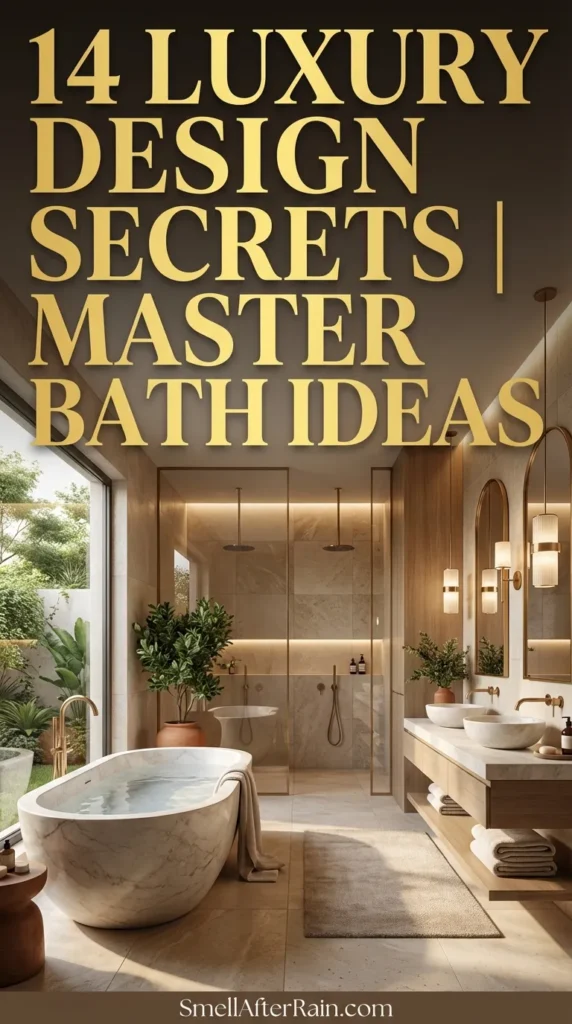
7. Incorporate Biophilic Design Elements
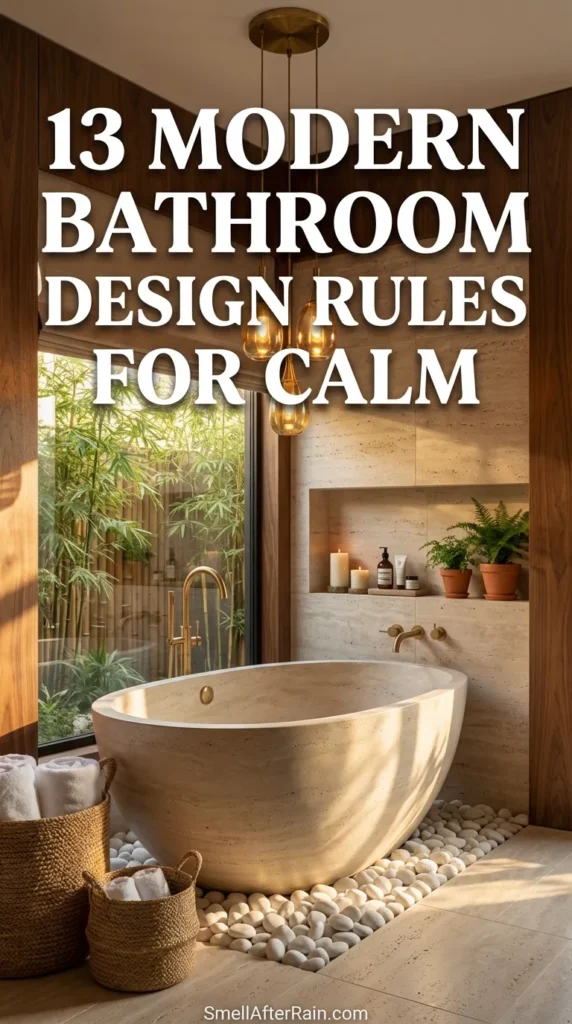
Biophilia—the innate human desire to connect with nature—is a powerful tool in bath design. Bathrooms are humid environments, making them perfect for tropical plants like ferns, orchids, and pothos.
Integrating greenery softens the hard lines of tile and porcelain. If natural light is scarce, consider preserved moss walls or high-quality faux botanicals. Furthermore, using natural materials like river stones in the shower floor or a teak bench can ground the space, enhancing the sensory experience of your master bath inspiration.
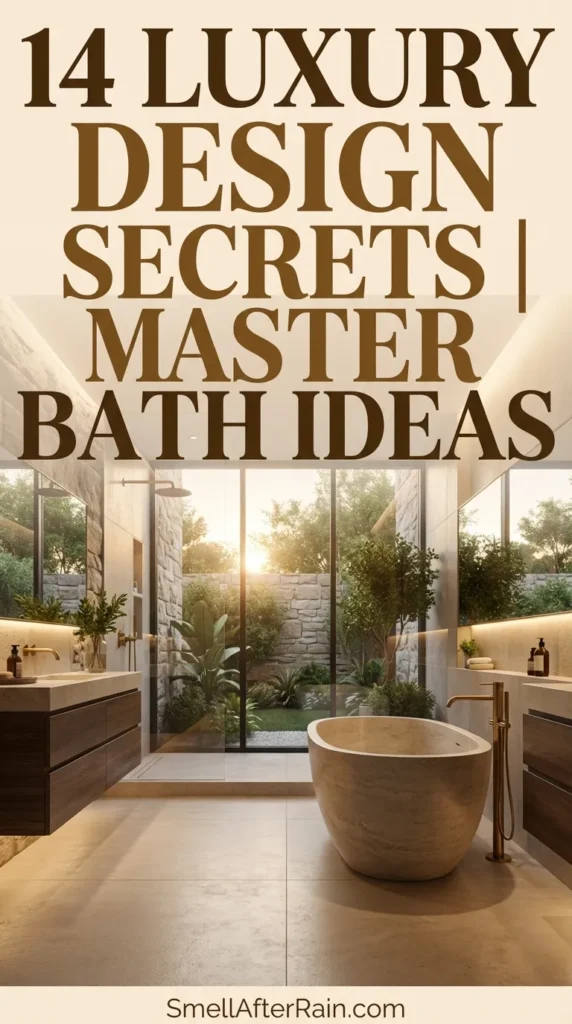
8. Utilize Mixed Metal Hardware
Uniformity in hardware is no longer a strict rule. Mixing metals can add depth and character to your design. A common strategy is to choose a dominant metal (e.g., Polished Nickel for faucets and showerheads) and an accent metal (e.g., Matte Black or Brushed Brass for cabinet pulls and light fixtures).
The key is contrast and intentionality. Ensure the finishes are distinct enough that the difference looks deliberate, not accidental. This layering of metals contributes to a collected, custom look that elevates a standard master bath remodel into a designer showcase.
9. Upgrade to Smart Shower Technology
Master shower ideas have moved beyond simple rain heads. Digital shower systems allow you to preset temperature, flow rate, and spray outlets with the touch of a button.
Thermostatic valves ensure the water never gets too hot or cold, reacting instantly to pressure changes. Steam showers are the ultimate luxury upgrade, turning your enclosure into a private steam room. These features not only add daily convenience but significantly increase the resale value of the home by positioning it as a high-tech, modern residence.
10. Install Radiant Floor Heating
There is no luxury quite like stepping onto a warm tile floor on a cold morning. Radiant floor heating is an invisible luxury that creates consistent, efficient warmth. Unlike forced-air heating, which rises and leaves the floor cold, radiant heat warms objects directly.
It is particularly effective under stone and ceramic tile, which are naturally conductive. While it is an investment during the installation phase, the comfort payoff is immense, making it a top priority for any serious master bath design project.
11. Design Custom Storage Niches
Clutter is the enemy of relaxation. Standard shower caddies can look messy and temporary. Built-in niches are the solution.
Plan your niches between the wall studs to maximize space. Consider a horizontal niche that spans the length of the shower wall for a dramatic look. Ensure the niche is tall enough to accommodate pump bottles. Outside the shower, recessed medicine cabinets and linen towers can hide daily necessities, keeping the visual noise to a minimum. Efficient storage is a concept that applies across the home, from hidden nooks to expansive suites.
12. Choose Timeless Natural Stone
Trends come and go, but natural stone is forever. For timeless bathroom ideas, marble, limestone, and travertine are unbeatable. Carrara and Calacatta marbles offer classic white and grey veining that has been in style for centuries.
However, natural stone requires maintenance. It is porous and can etch or stain. If you desire the look without the upkeep, large-format porcelain tiles that mimic natural stone are an excellent alternative. They offer the visual grandeur of stone with the durability and water resistance of porcelain, perfect for high-traffic wet areas.
13. Integrate Privacy Glass Solutions
Light is luxurious, but privacy is non-negotiable. Smart glass (switchable glass) is a cutting-edge solution that turns from transparent to opaque with the flip of a switch, allowing you to enjoy views when you want them and privacy when you need it.
Alternatively, frosted glass or strategic window placement—such as transom windows located high on the wall—can flood the space with daylight while blocking sightlines. This integration of light and privacy is crucial for creating a sanctuary that feels open yet secure.
14. Final Styling and Sensory Details
The final step in your master bath inspiration journey is styling. This is where the “hotel feel” is achieved. Invest in high-GSM cotton towels, a plush bath mat, and curated accessories.
Scent is a powerful memory trigger; use diffusers or candles with calming notes like eucalyptus, lavender, or sandalwood. Consider the acoustics—soft textiles help dampen sound in a tiled room. These finishing touches transform a renovated room into a lived-in experience, much like the final decor layers in bedroom designs.
Frequently Asked Questions
What is the biggest trend in master bathrooms for 2025?
The move toward “Wellness Spaces” is the dominant trend. This involves integrating spa-like features such as steam showers, cold plunge tubs, and circadian lighting systems that adjust color temperature throughout the day to support sleep cycles.
How can I make a small master bathroom feel luxurious?
To elevate small full bathroom ideas, use large-format tiles to reduce grout lines, which visually expands the floor. Install a wall-mounted vanity to show more floor space, and use mirrors strategically to bounce light. High-end finishes like brass faucets or a marble countertop can make even a tiny space feel opulent.
Is a bathtub necessary for a master bath remodel?
Real estate experts are divided, but generally, retaining at least one bathtub in the home is recommended for resale value (often for families with children). However, in the master suite specifically, many homeowners are opting to trade the tub for a massive, luxury walk-in shower if space is limited.
What are the best colors for a timeless master bath?
Timeless bathroom ideas usually revolve around neutrals. White, cream, soft gray, and natural wood tones never go out of style. You can add trendy colors through easily changeable items like towels, paint, or artwork, keeping the hard finishes neutral.
How much does a luxury master bath remodel cost?
Costs vary wildly by location and scope, but a high-end master bath remodel typically ranges from $25,000 to over $75,000. This includes labor, plumbing relocation, high-end stone, custom cabinetry, and smart fixtures.
Conclusion
Designing the ultimate master bath is a journey of balancing personal needs with architectural beauty. By focusing on layout, lighting, materials, and sensory details, you can create a space that offers daily respite from the world. Whether you prefer the clean lines of a modern master bath or the cozy allure of warm neutral bathroom ideas, these 14 secrets provide the roadmap to a successful transformation.