- 1. Maximize Floor Visibility with Floating Vanities
- 2. Erase Visual Boundaries Using Continuous Flooring
- 3. Replace Curtains with Frameless Glass Partitions
- 4. Utilize Wall-Mounted Faucets to Save Depth
- 5. Capitalize on Stud Bays for Recessed Niches
- 6. Expand Space Visually with Large Format Tiles
- 7. Implement the Wet Room Concept
- 8. Strategize Lighting Layers for Vertical Depth
- 9. Opt for Monochromatic Color Drenching
- 10. Install Pocket Doors to Reclaim Swing Space
- 11. Use Mirrors to Double the Perspective
- 12. Select Curved Fixtures to Soften Flow
- 13. Integrate Vertical Storage Above the Toilet
- Frequently Asked Questions
- Conclusion
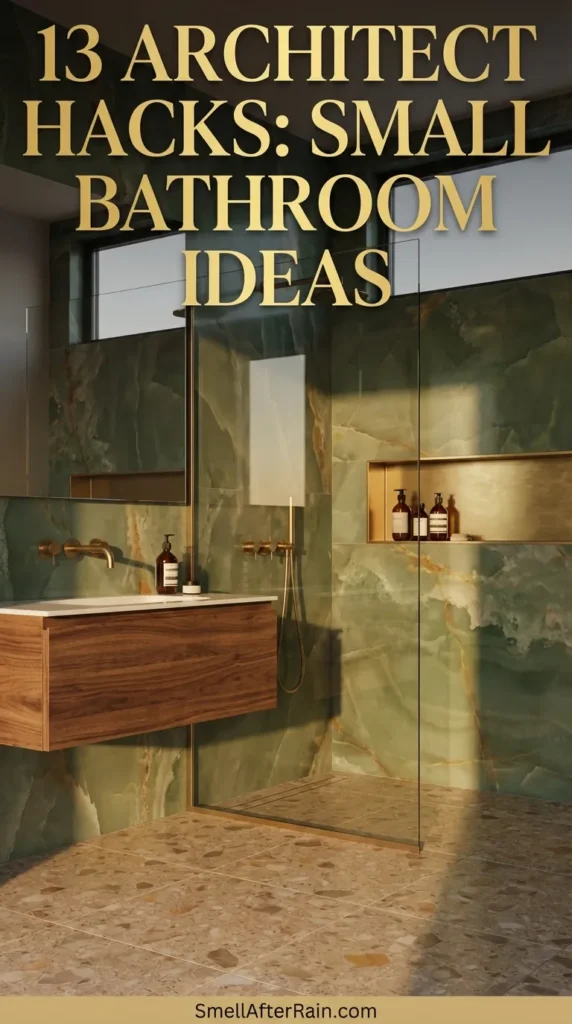
The challenge of a small full bathroom remodel is not merely about fitting fixtures into a tight footprint; it is a complex puzzle of spatial geometry, ergonomics, and visual psychology. In the world of interior design, the “tiny full bathroom” is often where the most ingenuity is required. Unlike a powder room, which only requires a toilet and sink, a full bathroom demands the integration of a bathing vessel—either a tub or a shower—without compromising flow.
As a spatial architect, my approach to super small bathroom ideas moves beyond simple decoration. We must manipulate the eye and the physical structure of the room to create an illusion of expansion. Whether you are dealing with tight basement bathroom ideas or a cramped ensuite, the goal is to reduce visual clutter and maximize the perception of volume.
By applying principles of minimalist architecture and strategic material selection, we can transform a claustrophobic utility space into a sanctuary of quiet luxury. Below, we explore 13 architectural hacks designed to make your small bathroom feel infinitely larger.
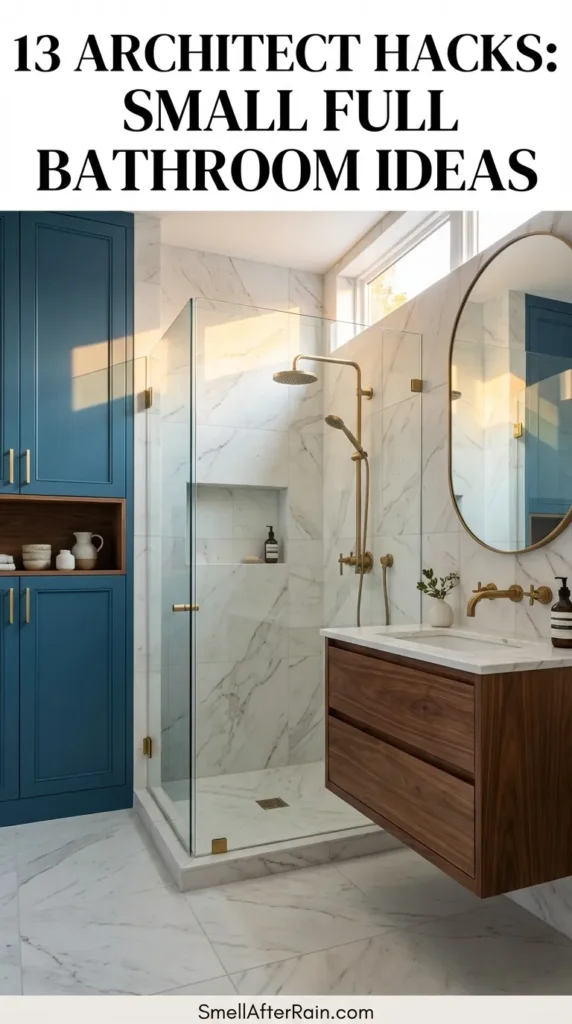
1. Maximize Floor Visibility with Floating Vanities
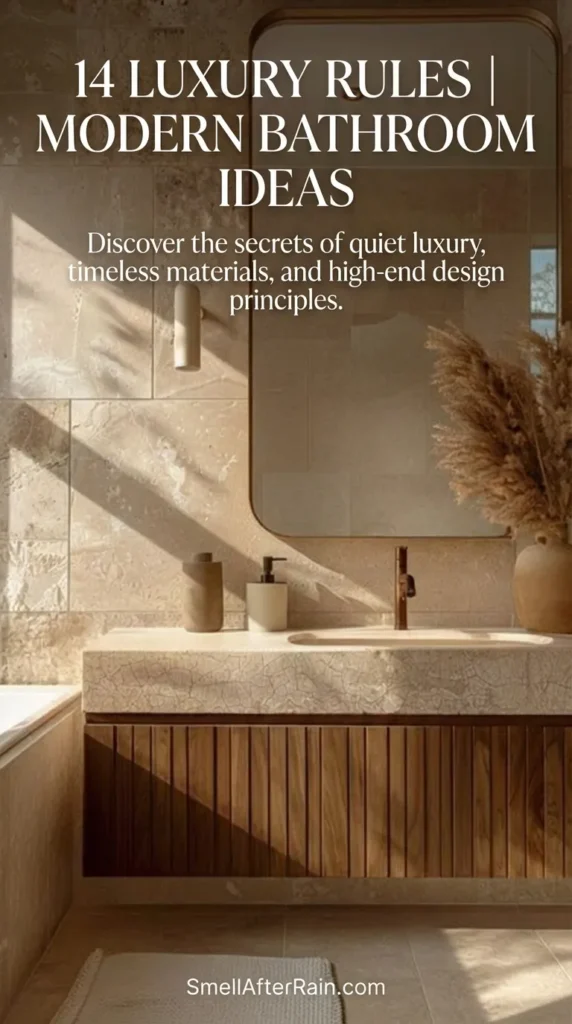
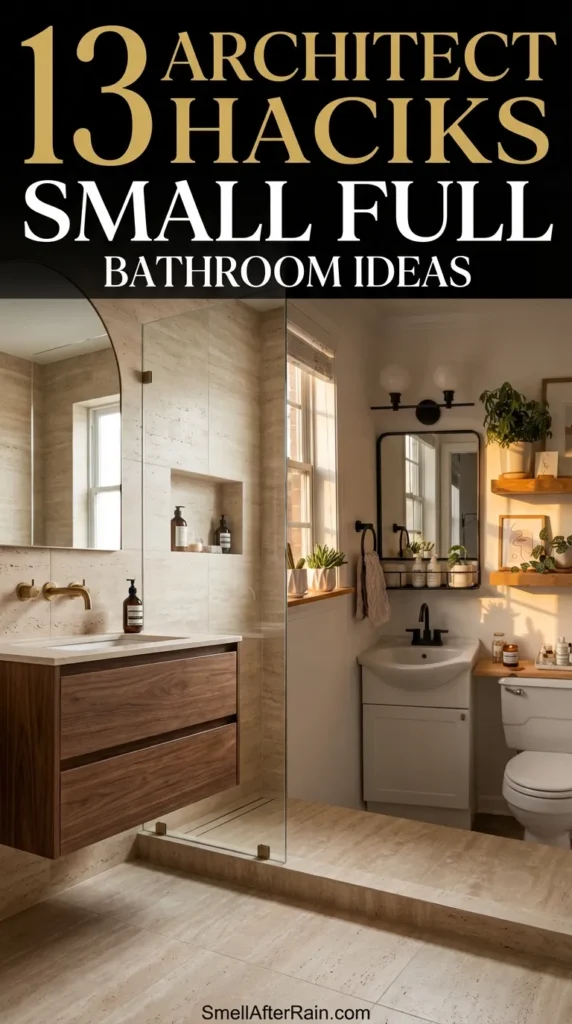
One of the fundamental rules in spatial architecture is the preservation of the floor plane. In a tiny bathroom, the more floor surface the eye can see, the larger the room feels. Traditional cabinetry anchors the room, creating a heavy box that consumes valuable visual real estate. By switching to a floating vanity, you extend the line of sight all the way to the wall.
This suspension creates a sense of airiness. Functionally, it allows for the storage of items underneath, such as scales or baskets, but visually, it is a game-changer. When selecting a vanity for a small bathroom interior, opt for streamlined hardware and integrated sinks to further reduce visual noise. The psychological effect is immediate: the brain perceives the room’s size based on the floor area visible, not the wall-to-wall measurements.
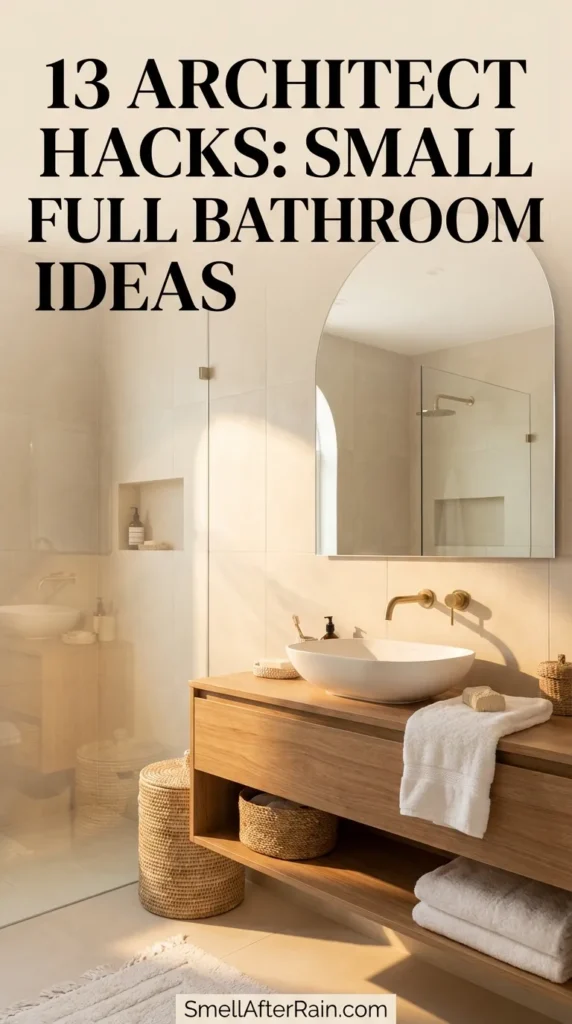
2. Erase Visual Boundaries Using Continuous Flooring
Fragmentation is the enemy of small spaces. Many homeowners make the mistake of using different flooring materials for the shower floor and the main bathroom area. This visual break chops the room into smaller distinct zones, emphasizing its limited dimensions. For a cohesive aesthetic bathroom, employ continuous flooring.
Using the same tile from the entrance straight into a curbless shower creates an unbroken plane. This technique, often borrowed from accessible design, forces the eye to travel the full length of the room without interruption. If you are looking for more broad inspiration on cohesive home design, explore our guide on home decor trends to see how flooring continuity applies to other rooms.

3. Replace Curtains with Frameless Glass Partitions
In tiny full bathroom ideas, opaque shower curtains are essentially removable walls that cut the room in half visually. Even when open, the bulk of the fabric consumes space. The architectural solution is clear: frameless glass.
Fixed glass panels or sliding glass doors allow light to penetrate the wet zone, ensuring the shower area contributes to the overall volume of the room rather than subtracting from it. For basement bathroom ideas where natural light is scarce, this is non-negotiable. It allows artificial light to bounce freely, eliminating dark corners that shrink a room’s perceived size.
4. Utilize Wall-Mounted Faucets to Save Depth
Every inch matters in a small full bathroom remodel. Standard deck-mounted faucets require a vanity depth of at least 20 to 22 inches to accommodate the plumbing and the sink rim. By moving the plumbing into the wall, you can utilize a much narrower vanity—sometimes as shallow as 15 to 18 inches.
Wall-mounted faucets also contribute to a minimalist small bathroom aesthetic. They keep the counter clear, making it easier to clean and reducing clutter. This shift in plumbing architecture frees up circulation space, making the room easier to navigate without bumping into fixtures.
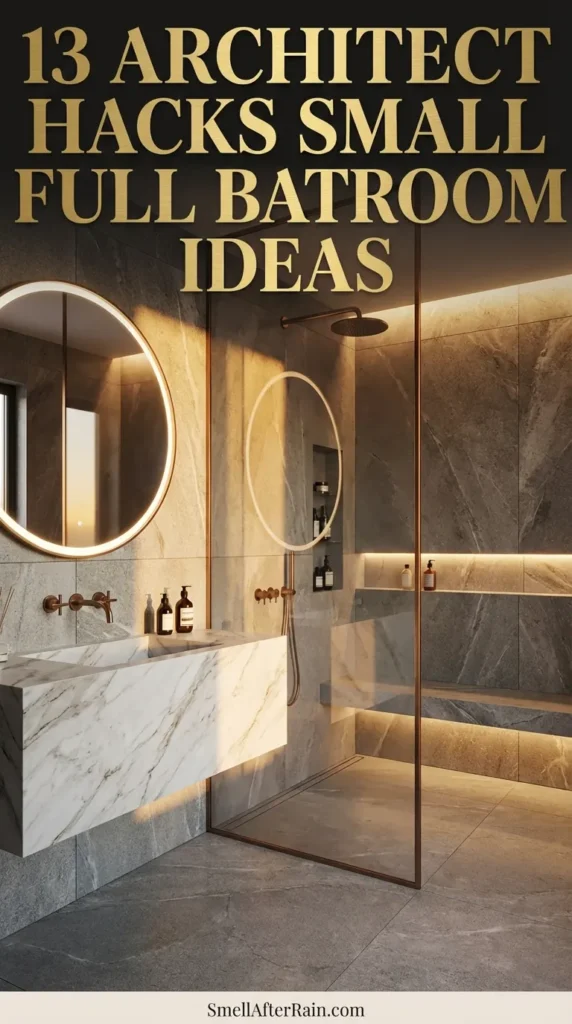
5. Capitalize on Stud Bays for Recessed Niches
Storage that protrudes into the room encroaches on your personal space. The solution lies inside the walls. Standard interior walls are built with 2×4 studs, leaving a cavity roughly 3.5 inches deep. This is prime real estate for recessed niches.
Instead of hanging shelves or caddies, frame out a niche in the shower or above the vanity. This allows you to store toiletries flush with the wall. In high-end designs, creating a tall, vertical niche with glass shelves can elongate the wall visually while providing ample storage, a technique often seen in luxury master bath designs.
6. Expand Space Visually with Large Format Tiles
There is a common misconception that small rooms require small tiles. In reality, small tiles result in thousands of grout lines, creating a grid that can feel busy and confining. For small bathroom design inspiration, look toward large format tiles (e.g., 12×24 inches or larger).
Fewer grout lines mean less visual clutter. When the eye scans the room, it sees broad, expansive surfaces rather than a tight grid. Laying rectangular tiles horizontally can widen a narrow room, while laying them vertically can raise a low ceiling. This manipulation of geometry is a core tenet of spatial architecture.
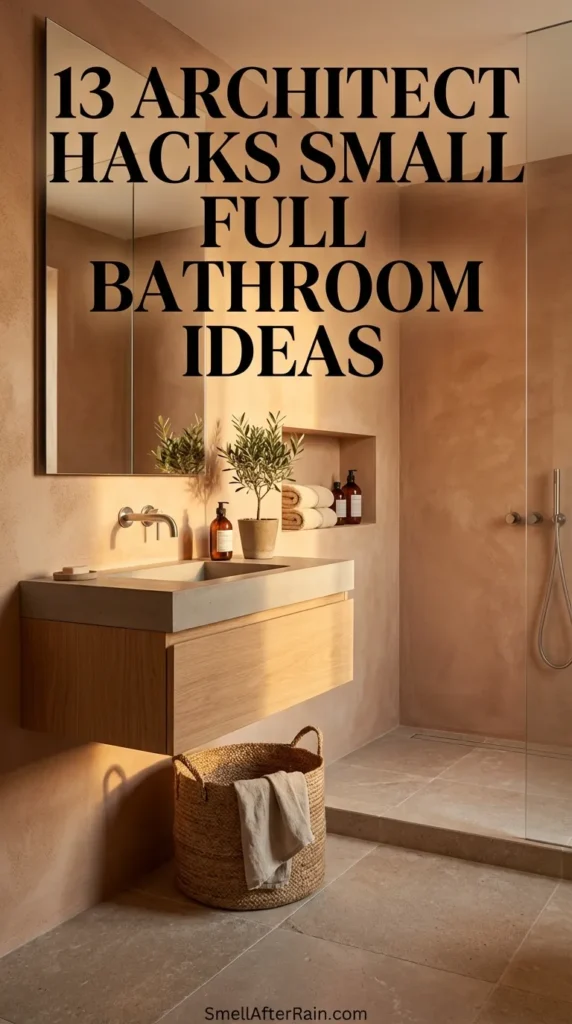
7. Implement the Wet Room Concept
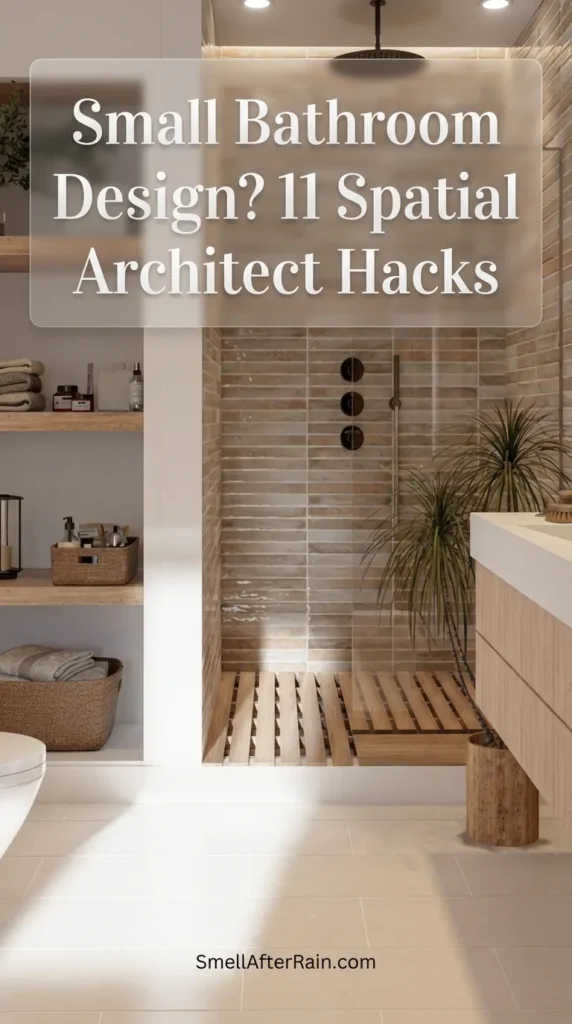
Ideally suited for super small bathroom ideas, the wet room eliminates the shower enclosure entirely. The entire bathroom becomes the shower, with a central drain and waterproofed surfaces throughout. This is particularly effective in spaces that are too small for a standard 30-inch shower clearance.
A wet room allows you to place the toilet and sink within the splash zone if necessary, maximizing utility in footprints as small as 25 square feet. While this requires professional waterproofing and tanking, the result is the ultimate utilization of space.
8. Strategize Lighting Layers for Vertical Depth
Lighting in small spaces should never be unidimensional. A single overhead light casts shadows in corners, making the room feel smaller. To counter this, layer your lighting. Combine recessed ceiling lights with wall sconces and LED strip lighting under floating vanities or in niches.
Vertical sconces flanking a mirror draw the eye upward, emphasizing ceiling height. Backlighting mirrors creates a soft glow that pushes the wall away visually. For more on creating a soothing atmosphere through illumination, check out our guide on cozy bathroom ideas.
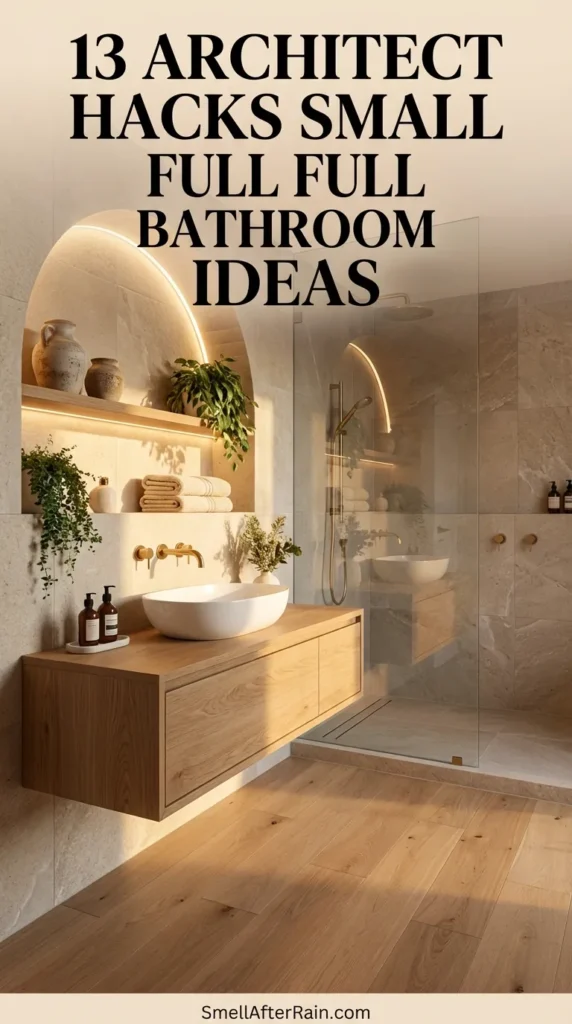
9. Opt for Monochromatic Color Drenching
High contrast shrinks spaces. If you have dark walls and white trim, the eye immediately registers the boundaries of the room. “Color drenching” involves painting the walls, trim, ceiling, and even the door in the same color. This blurs the hard edges where planes meet.
Whether you choose a crisp white, a soft beige, or a moody charcoal, uniformity is key. This lack of visual interruption prevents the eye from getting “stuck” on corners, making the room feel expansive and enveloping. This technique is equally effective in bedroom design, creating a seamless transition if you are remodeling an ensuite.
10. Install Pocket Doors to Reclaim Swing Space
A standard hinged door requires approximately 9 square feet of clear floor space to swing open. In a tiny full bathroom, this “dead zone” often dictates where you can place the vanity or toilet. A pocket door, which slides into the wall cavity, eliminates this arc entirely.
If structural constraints prevent a pocket door, consider a barn door on an external track. Reclaiming that swing space can be the difference between fitting a full-size vanity or being forced into a pedestal sink. It optimizes the flow and makes the bathroom feel accessible rather than cramped.

11. Use Mirrors to Double the Perspective
Mirrors are the oldest trick in the architect’s book, but their placement is crucial. Don’t stop at a small medicine cabinet. Consider a floor-to-ceiling mirror or a wall-to-wall mirror above the vanity. This effectively doubles the light and the visual depth of the room.
Positioning a mirror opposite a window is ideal, as it reflects the outdoors in. If there is no window, place it opposite a light source or a piece of art. The reflection creates a “phantom” space that tricks the brain into perceiving more depth than physically exists. For broader context on using mirrors in home design, browse our general bathroom ideas collection.
12. Select Curved Fixtures to Soften Flow
In tight quarters, sharp corners are hip-bruisers. Curved vanities, round toilets, and oval tubs allow for better circulation. Structurally, a rounded corner on a vanity allows you to shave off inches from the circulation path, making movement through the room smoother.
Visually, curves are softer and less imposing than harsh rectangular blocks. They guide the eye gently through the space rather than stopping it abruptly. This organic approach aligns well with minimalist small bathroom trends where fluidity and comfort are paramount.
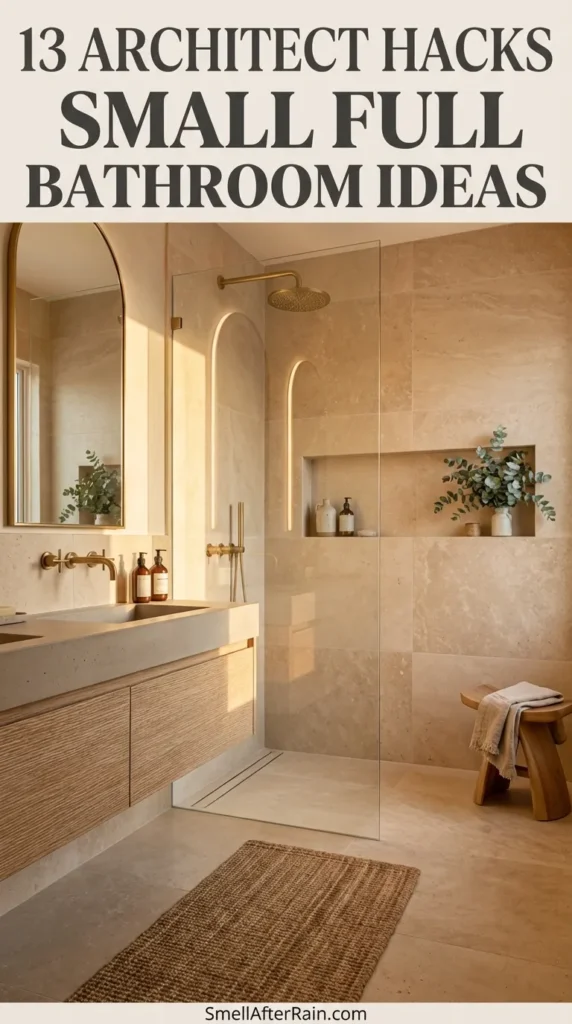
13. Integrate Vertical Storage Above the Toilet
The space above the tank is often wasted. However, avoid the clunky “over-the-toilet” freestanding units found in big-box stores. Instead, opt for custom cabinetry or floating shelves that extend to the ceiling. This draws the eye upward, emphasizing verticality.
Closed cabinetry keeps the look clean and hides clutter, which is essential for maintaining the illusion of space. By utilizing the full height of the wall, you gain significant storage without sacrificing floor space, solving one of the biggest headaches in small full bathroom remodels.
Frequently Asked Questions
Can I fit a bathtub in a super small bathroom?
Yes, but you may need to compromise on length. Standard tubs are 60 inches long, but many manufacturers offer deep soaking tubs that are only 48 or 54 inches long. These “Japanese soaking tubs” allow for full submersion without the horizontal footprint. Another option is a corner tub, though these can sometimes use more floor space than a rectangular alcove tub.
What is the best color for a small bathroom without windows?
While white is the traditional choice for reflecting light, it can feel clinical in windowless rooms. Warm neutrals, soft greys, or even pale pastels work well. The key is using gloss or semi-gloss finishes that reflect artificial light. Surprisingly, dark colors can also work if you commit to the “jewel box” effect, using rich tones and good lighting to create depth rather than trying to fake brightness.
Is a pedestal sink better than a vanity for small bathrooms?
Visually, yes, because it exposes more floor. Functionally, no, because you lose storage and counter space. A better compromise for a full bathroom is a floating vanity or a console sink with an open shelf at the bottom. This gives you the visual lightness of a pedestal with the utility of a surface for toiletries.
How much does a small full bathroom remodel cost?
Costs vary wildly based on labor and finishes, but a complete gut renovation of a small bathroom (approx. 40 sq ft) typically ranges from $6,000 to $15,000. Moving plumbing for layouts like wall-mounted toilets or wet rooms will push the cost toward the higher end or beyond, whereas keeping the layout the same keeps costs lower.
Can I use wallpaper in a small full bathroom with a shower?
Yes, provided you use vinyl or humidity-resistant wallpaper and powerful ventilation. Do not place wallpaper directly in the splash zone. Installing wainscoting or tile on the lower half of the wall and wallpapering the upper half is a classic way to add personality without water damage risks.
How do I make a basement bathroom feel less like a dungeon?
Lighting is everything. Use 4000K (natural white) LED bulbs to mimic daylight. Avoid yellow-toned lights. Mirrors are essential, as are light-colored finishes. If possible, use frosted glass doors to borrow light from adjacent basement rooms that might have egress windows.
Conclusion
Designing a small full bathroom is an exercise in restraint and precision. By viewing the space through the lens of a spatial architect, you can uncover hidden potential in even the most cramped quarters. From floating elements to continuous materials, these 13 hacks prove that square footage is just a number—style and functionality are limitless.