- 1. The Architecture of Silence: Prioritizing 'Good Bones'
- 2. The Material Trinity: Marble, Wood, and Wool
- 3. Lighting as Jewelry: The Layering Rule
- 4. The 'Floating' Furniture Layout Strategy
- 5. Textural Depth: Why Velvet Needs Linen
- 6. The Art of the Drape: Floor-to-Ceiling Elegance
- 7. Curating, Not Filling: The Investment Piece Philosophy
- 8. The Modern Classic Palette: Beyond Just Beige
- 9. Flooring Fundamentals: The Case for Herringbone
- 10. Metals and Patina: Embracing the Unlacquered Look
- 11. Scentscaping: The Invisible Layer of Luxury
- 12. The Final Edit: Restraint as the Ultimate Status Symbol
- Frequently Asked Questions
- Finding Your Own Quiet Luxury
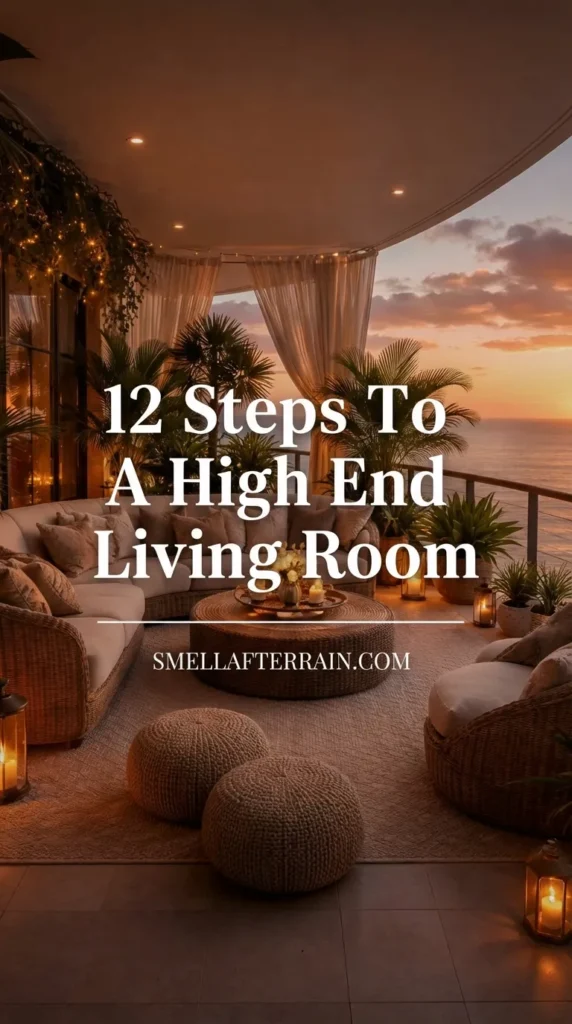
I still remember the first time I walked into a room that truly felt expensive. It wasn’t shouting. It didn’t have gold-plated lions guarding the door or blinding crystal chandeliers everywhere.
It was quiet. There was a heaviness to the curtains and a specific scent of aged oak and rain. That is the secret I’ve spent years chasing.
True luxury home decor isn’t about the price tag on the receipt; it’s about the feeling of permanence. It is about creating a space that feels like it has always been there, waiting to hold you.
I used to think luxury meant perfection. I thought everything had to match. Now, as I curate my own home and help others with theirs, I realize that a luxe living room is actually about texture, history, and a very specific type of confidence.
If you are looking to elevate your space into a modern elegant living room that whispers wealth rather than screams it, you need to look past the trends. We are hunting for fabrics that feel like a hug and layouts that encourage slow conversation.
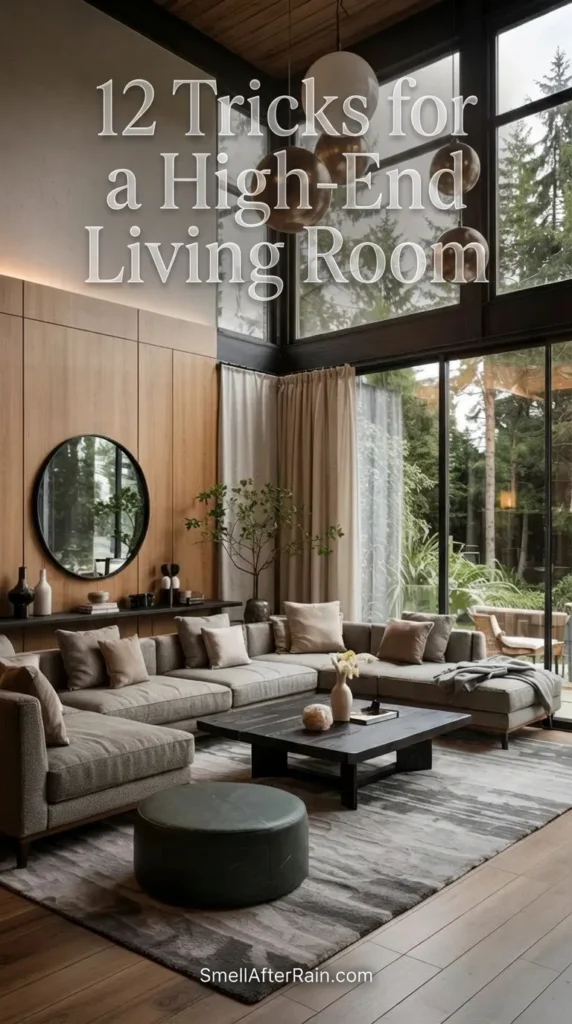
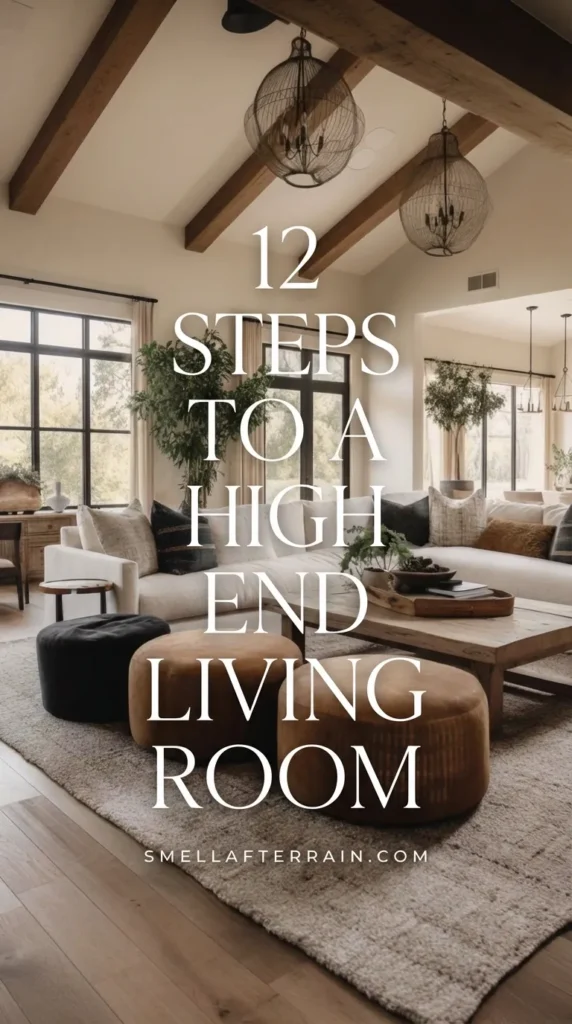
Here are the 12 design principles I swear by for creating that timeless, old-money aesthetic in your own living space.
1. The Architecture of Silence: Prioritizing ‘Good Bones’
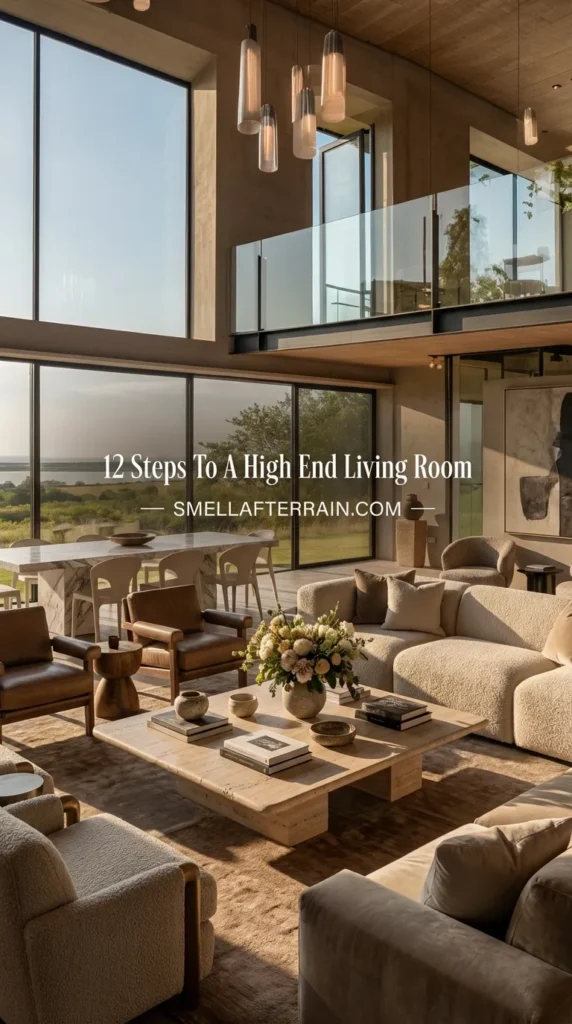
Before we even talk about sofas or rugs, we have to look at the shell. A classy living room starts with the walls themselves. In high-end design, we call this the ‘bones’ of the house.
I have often walked into a big living room that felt cheap simply because it was a plain drywall box. Luxury requires depth. This is where architectural molding comes into play.
The Power of Crown and Baseboard
Standard builder-grade baseboards are usually three inches high. To instantly elevate a room, I always recommend upgrading to baseboards that are at least six to eight inches tall. It grounds the room.
Crown molding draws the eye upward, making ceilings feel higher and the room more grand. If you are renovating, adding picture frame molding (wainscoting) to the walls adds a shadow line that screams rich living room.
The Ceiling is the Fifth Wall
Don’t ignore the ceiling. I love a coffered ceiling or even a simple ceiling medallion around a light fixture. These details add historical context, making a new build feel like it has a soul.
If actual construction isn’t in the budget, paint can mimic this effect. Painting the ceiling a shade just slightly lighter than the walls can create an enveloping, cozy atmosphere that feels incredibly high-end.
2. The Material Trinity: Marble, Wood, and Wool
I have a rule when I’m sourcing for Smell After Rain: if it feels fake, it stays in the store. Luxury is tactile. Your fingers know the difference between polyester and wool, even if your eyes are momentarily fooled.
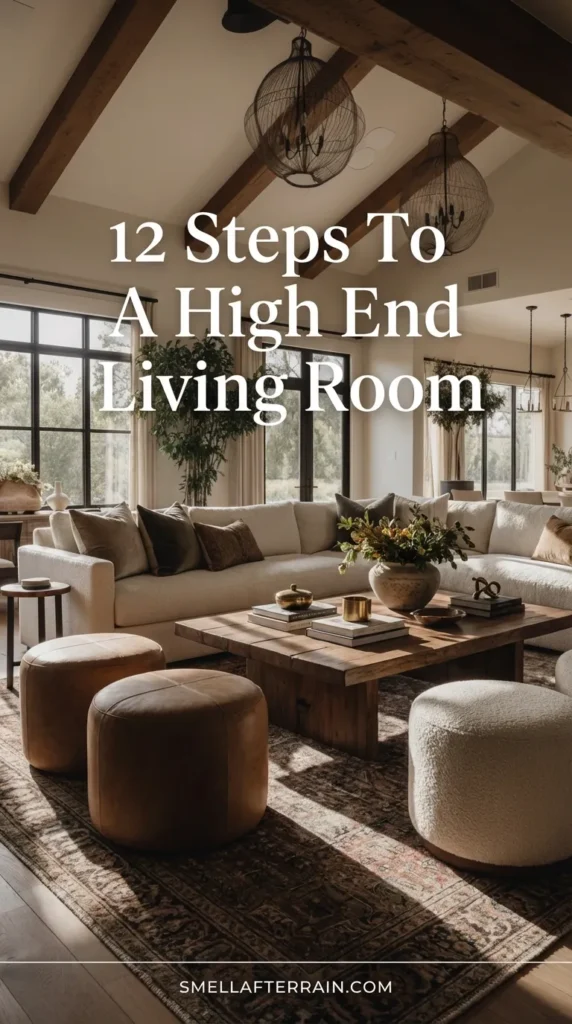
For a true luxury living room, you want to stick to natural materials. I call this the Material Trinity.
Stone with Character
Marble is the classic choice, but avoid the overly shiny, perfect white surfaces that look like a bank lobby. Look for stones with heavy, dramatic veining. Travertine and limestone are also having a massive moment in contemporary living room design.
These stones bring an earthy, organic warmth that feels grounded. A honed finish (matte) often looks more expensive and sophisticated than a polished (shiny) finish because it feels more aged and intentional.
Woods that Warm
Avoid high-gloss lacquered woods that look plastic. I gravitate towards walnuts, white oaks, and mahoganies with a matte or satin finish. The grain should be visible. It tells a story of the tree it came from.
3. Lighting as Jewelry: The Layering Rule
Lighting is where most people get it wrong. They rely on the grid of recessed can lights in the ceiling, which makes a living room feel like a cafeteria. I never use the ‘big light’ if I can help it.
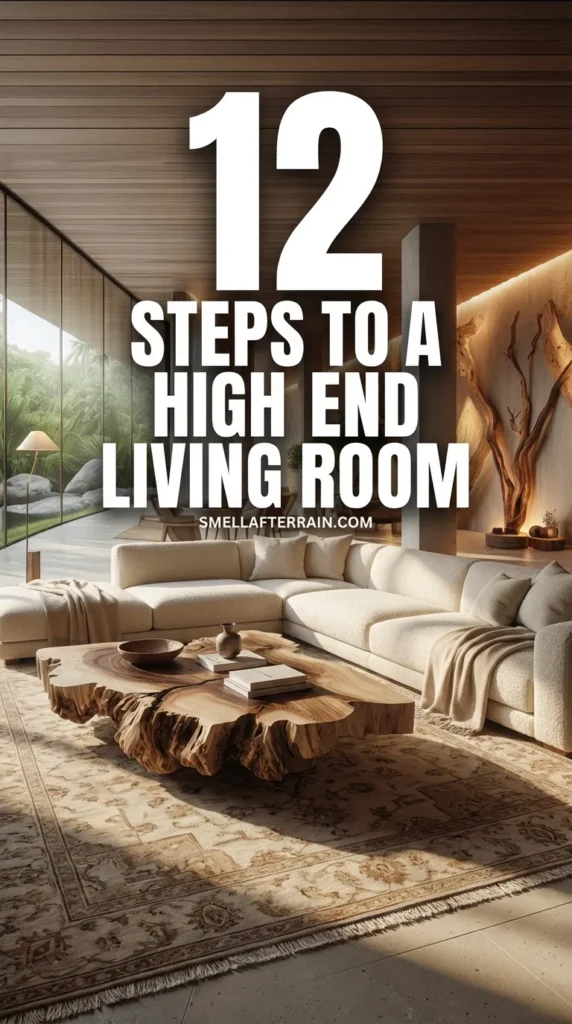
An elegant living room design relies on layers of light. You need at least three sources of light in a room to create that moody, expensive glow.
The Ambient Layer
This is your chandelier or pendant. It shouldn’t be just a light source; it should be a sculpture. For a modern classic living room, I love oversized brass fixtures or alabaster shades that diffuse the light softly.
The Task and Accent Layers
Add floor lamps near reading chairs and table lamps on side tables. This creates pools of light that draw people in. If you have art, invest in picture lights. Nothing says “art collector” like a brass light mounted above a painting.
For more inspiration on how to arrange these elements, check out my thoughts on living room ideas that focus on mood rather than just utility.
4. The ‘Floating’ Furniture Layout Strategy
One of the biggest mistakes I see in a big living room is pushing all the furniture against the walls. It creates a weird, empty dance floor in the middle of the room and makes conversation difficult.
Luxury is about intimacy. Pull your furniture off the walls. Float the sofa in the center of the room. Place two armchairs opposite it. Create a ‘conversation circle’.
Anchoring with Rugs
When you float furniture, the rug becomes crucial. It acts as an island. All front legs of your furniture pieces must sit on the rug. If the rug is too small, the furniture looks like it’s drifting away.
This layout signals that the room is for people, not for looking at the television. It prioritizes connection, which is the hallmark of a refined home.
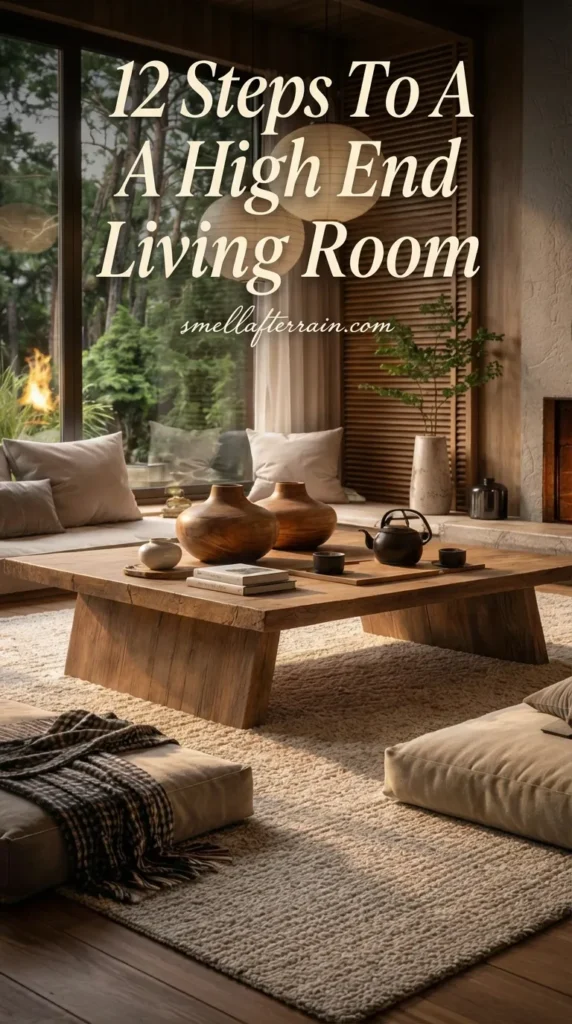
5. Textural Depth: Why Velvet Needs Linen
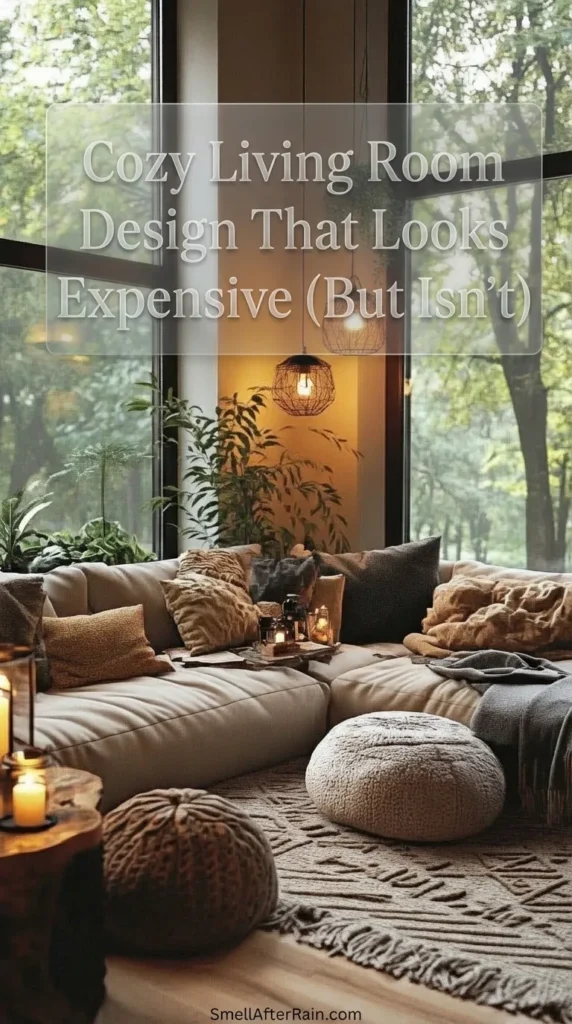
I am obsessed with texture. A room can be entirely monochrome—fifty shades of cream—and look incredibly interesting if the textures are varied. This is the secret to a cozy living room design that looks expensive.
If you have a velvet sofa, don’t put velvet pillows on it. That’s too much visual weight. Pair the velvet with rough linen, nubby bouclé, or smooth silk.
- The Base: Start with a substantial fabric for the sofa, like a performance velvet or a heavy weave.
- The Contrast: Add throw blankets in cashmere or mohair. The fuzzy texture catches the light differently than the sofa.
- The Accent: Leather adds a masculine edge that cuts through the softness. A cognac leather ottoman or side chair prevents the room from feeling too precious.
This interplay of surfaces makes the eye travel around the room. It creates a visual rhythm that feels curated over time.
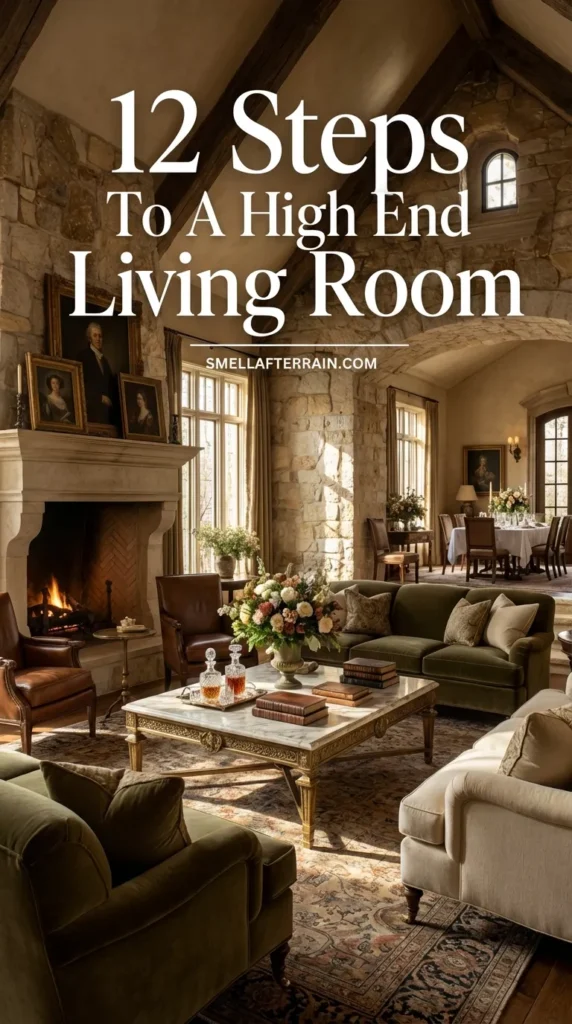
6. The Art of the Drape: Floor-to-Ceiling Elegance
Nothing kills the vibe of a luxe living room faster than skimpy curtains. If you want your home to look like a high-end hotel, you need to rethink your window treatments.
Go High and Wide
Mount your curtain rod as close to the ceiling as possible, not right above the window frame. This tricks the eye into thinking the windows are massive. Extend the rod past the sides of the window so that when the curtains are open, they don’t block the glass.
The Puddle Effect
Let the fabric touch the floor. For a romantic, elegant living room decor style, I love a slight ‘break’ or puddle on the floor (about 1-2 inches of extra fabric). It implies that you have so much luxurious fabric you don’t mind if it drags a little.
Invest in custom pleating if you can. A pinch-pleat or Euro-pleat looks infinitely more tailored than grommets (the metal rings), which tend to look a bit collegiate.
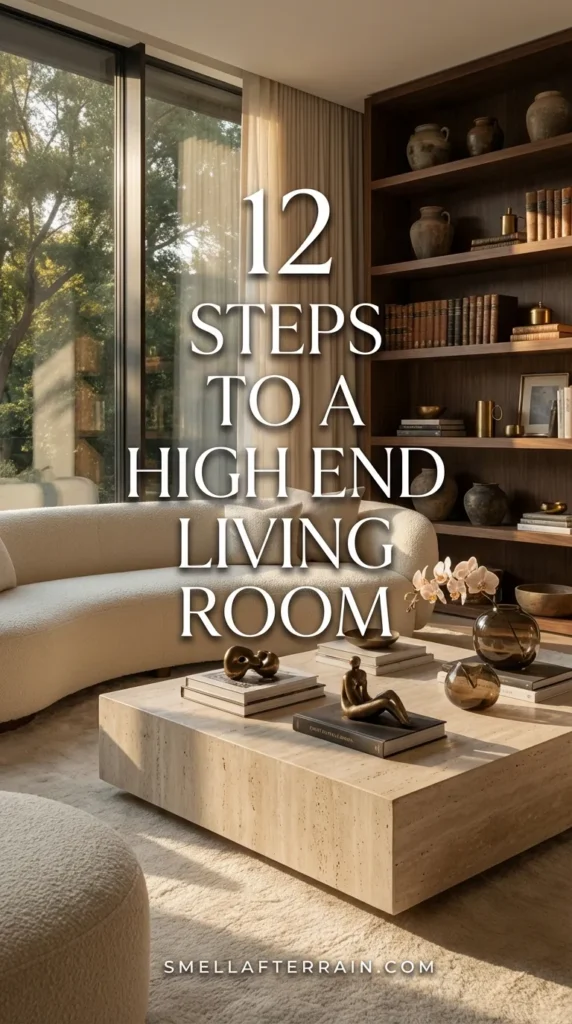
7. Curating, Not Filling: The Investment Piece Philosophy
There is a distinct difference between a cluttered room and a collected room. A rich living room isn’t stuffed with things bought on a whim. It is curated.
I always advise buying one incredible piece rather than five mediocre ones. This might be a vintage burl wood coffee table, a hand-knotted rug, or a piece of original art.
The Slow Hunt
Don’t rush to finish the room. Leave a corner empty until you find the perfect chair. The negative space speaks to a confidence in your vision.
When selecting decor, look for items that have weight. A heavy ceramic vase feels better than a lightweight glass one. If you love reading, don’t just stack random paperbacks. Create intentional book nooks that celebrate your collection as part of the architecture.
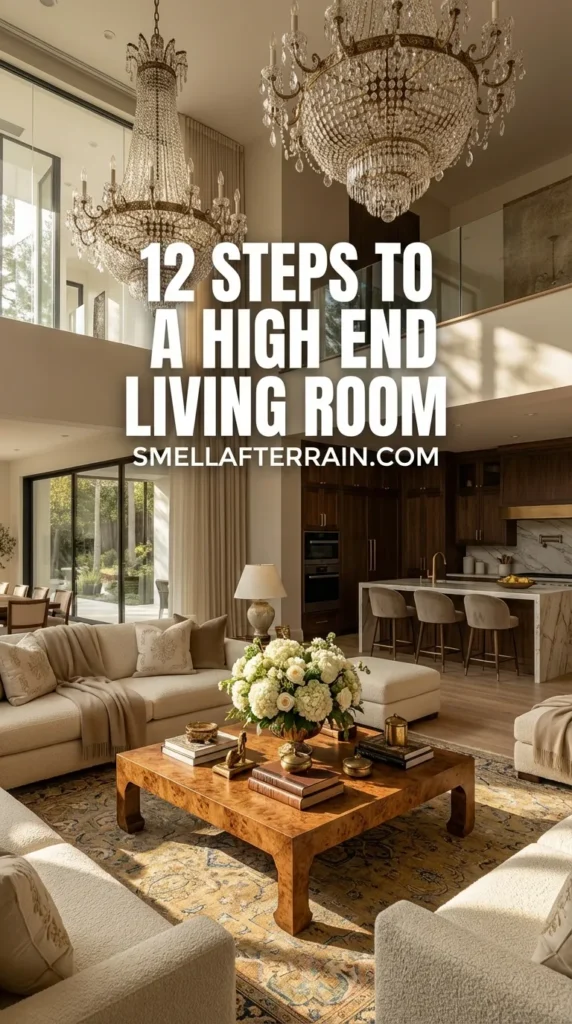
8. The Modern Classic Palette: Beyond Just Beige
While I love a neutral room, “luxury” doesn’t have to mean boring. The modern elegant living room often utilizes a palette that is subdued but rich.
The ‘Old Money’ Colors
Think about colors found in nature or historical estates. Deep forest greens, navy blues that look almost black, charcoal, and warm taupes.
If you prefer a lighter palette, move away from stark white. Look for “greige” (gray-beige), oatmeal, or plaster tones. These colors have an undertone of warmth that stark white lacks.
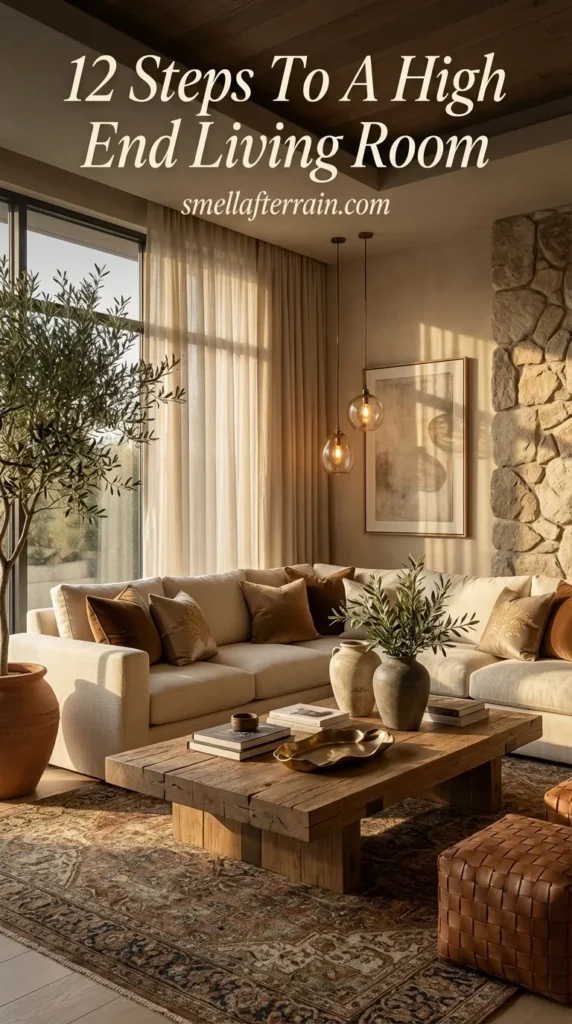
Painting the trim and walls the same color creates a seamless, enveloping look that is very popular in contemporary living room design right now. It blurs the edges of the room and makes the furniture pop.
9. Flooring Fundamentals: The Case for Herringbone
If you are in a position to choose your flooring, the pattern matters as much as the material. Standard straight-plank oak is beautiful, but a herringbone or chevron pattern instantly elevates the space to a Parisian apartment level.
This pattern requires more labor and material, which is why it is associated with luxury home decor. It acts as a textured backdrop for everything else in the room.
Rug Layering
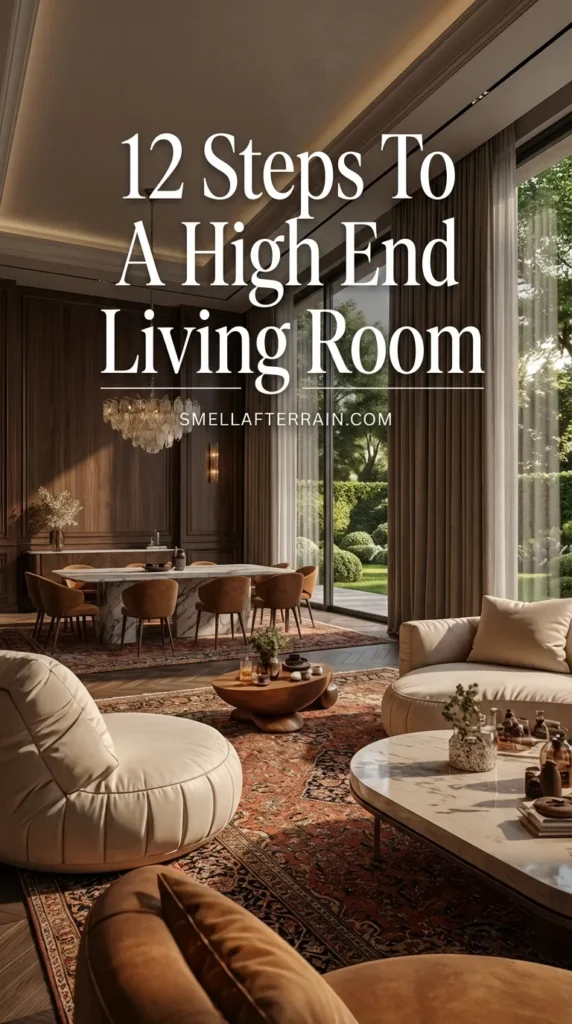
If changing the floor isn’t an option, use rugs to cover what you don’t love. I love layering a vintage Persian rug over a large, neutral sisal or jute rug. The sisal provides coverage and texture, while the Persian rug adds history and pattern without breaking the bank on a massive vintage size.
10. Metals and Patina: Embracing the Unlacquered Look
Chrome and brushed nickel can sometimes feel a bit cold or clinical. For a warmer, classy living room, I am drawn to unlacquered brass and polished nickel.
The Beauty of Aging
Unlacquered brass is a living finish. Over time, it will darken and develop a patina where you touch it. This aging process is beautiful. It shows that the home is lived in and loved.
Don’t be afraid to mix metals. You can have a black metal curtain rod and a brass lamp. The mix feels more collected and less like a ‘set’ you bought from a catalog. This principle applies to other rooms too; I often use mixed metals in my bedroom ideas to keep the sanctuary space feeling organic.
11. Scentscaping: The Invisible Layer of Luxury
You can’t see it, but you notice it immediately. Every high-end hotel has a signature scent. Your home should too. This is the ethos behind why I started this blog—the smell after rain is the most calming scent in the world to me.
For a luxe living room, avoid sugary, food-based scents. You don’t want your elegant lounge to smell like a cupcake factory. Lean towards woodsy, spicy, or floral notes.
- Sandalwood and Amber: Warm, inviting, and expensive-smelling.
- Fig and Vetiver: Earthy, green, and sophisticated.
- Bergamot: Fresh but with a depth that lemon doesn’t have.
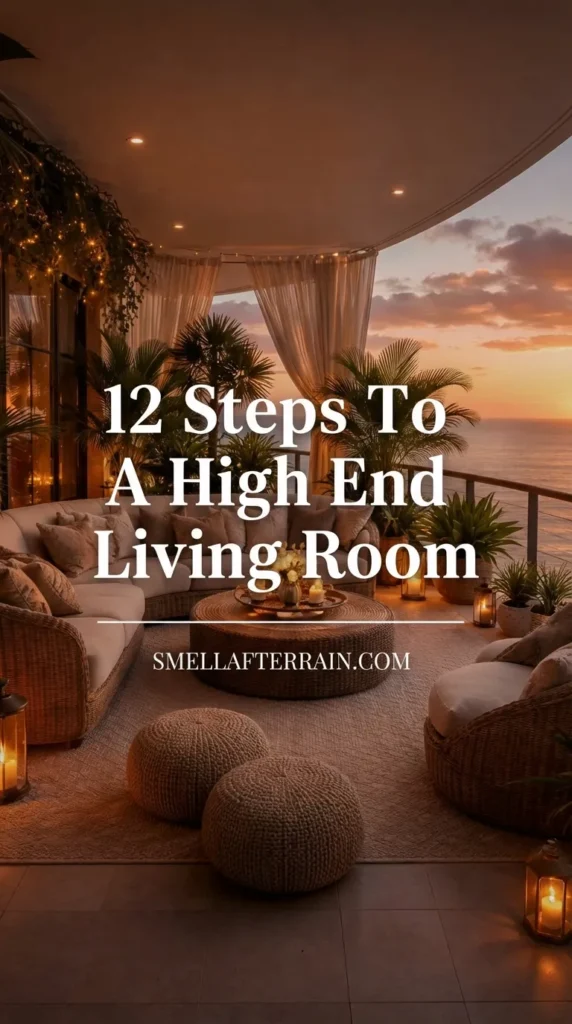
Use a combination of candles and reed diffusers to maintain a subtle background fragrance that greets you at the door.
12. The Final Edit: Restraint as the Ultimate Status Symbol
Finally, the most important rule of all: editing. Coco Chanel said to take one thing off before you leave the house. The same applies to your living room.
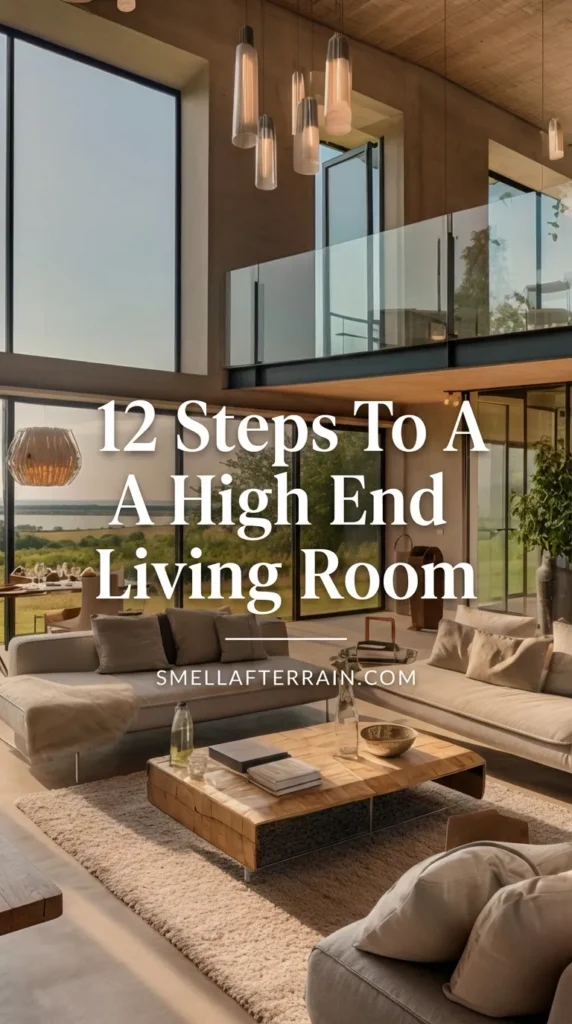
A modern classic living room breathes. It is not cluttered. Surfaces should have some empty space. If every table is covered in knick-knacks, the eye has nowhere to rest.
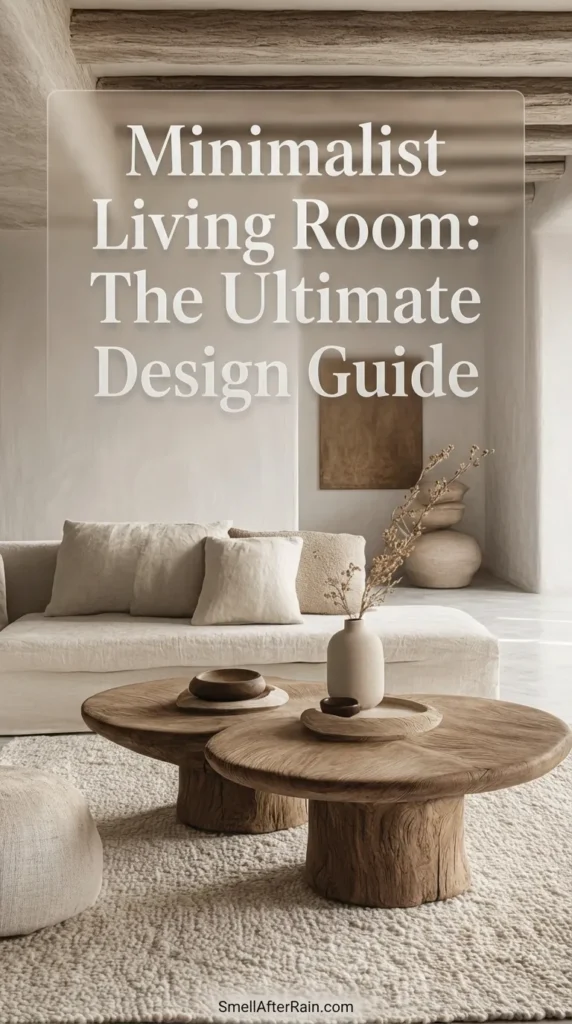
Restraint is confident. It says, “This object is beautiful enough to stand alone.” This aligns closely with the principles of minimalism. If you’re interested in how to achieve this balance, read my guide on the minimalist living room.
Periodically walk through your room and remove items that don’t spark joy or that clutter the visual flow. Allow the beautiful materials and ‘good bones’ we talked about earlier to shine through.
Frequently Asked Questions
How can I make my living room look expensive on a budget?
Focus on scale and decluttering. Remove small, cluttery items and replace them with fewer, larger statement pieces. Swap out standard throw pillows for larger ones (22-24 inches) with down-filled inserts. Paint is also the cheapest way to transform a room; a deep, rich color or a warm white can change the entire feel instantly.
What is the “Old Money” aesthetic in interior design?
The “Old Money” aesthetic focuses on quality, heritage, and comfort over flashiness. It prioritizes natural materials like wood, stone, linen, and wool. It embraces antiques and pieces that look like they’ve been inherited. The goal is a look that is timeless and classic, rather than trendy.
How do I mix modern and traditional styles?
This is the key to a contemporary living room. A good rule of thumb is the 80/20 rule. If your home’s architecture is traditional, use 80% traditional furniture and 20% modern lighting or art to keep it fresh. Conversely, in a modern apartment, add 20% antique pieces to bring in soul and warmth.
What are the best colors for a luxury living room?
Neutrals are always safe and sophisticated: ivory, taupe, greige, and charcoal. However, jewel tones like emerald green, navy blue, and deep burgundy are incredibly luxurious. The trick is to choose muddy, muted versions of these colors rather than bright primary shades.
Does a luxury living room need a rug?
Almost always, yes. A rug grounds the furniture and adds a layer of acoustic softening that is subconscious but vital for that “quiet luxury” feel. Without a rug, furniture can feel like it’s floating aimlessly on the floor.
How important is symmetry in elegant design?
Symmetry creates a sense of balance and calm, which is very common in classic design. However, perfect symmetry can feel stiff. I prefer asymmetrical balance—for example, a floor lamp on one side of the sofa balanced by a side table and artwork on the other.
What size art should I buy?
Go bigger than you think. A common mistake is hanging a small piece of art on a large wall. The art should generally take up about two-thirds to three-quarters of the available wall space. If you can’t afford a large piece, group smaller pieces together to create a gallery wall that acts as one large unit.
Finding Your Own Quiet Luxury
Creating a luxury living room isn’t about copying a catalog page. It’s about building a space that supports the life you want to live. It’s about rainy Sunday afternoons with a book, the sound of ice in a glass, and the feeling of soft wool against your skin.
Take your time. Hunt for the pieces that speak to you. And remember, the most luxurious thing you can own is a home that makes you feel completely at peace.