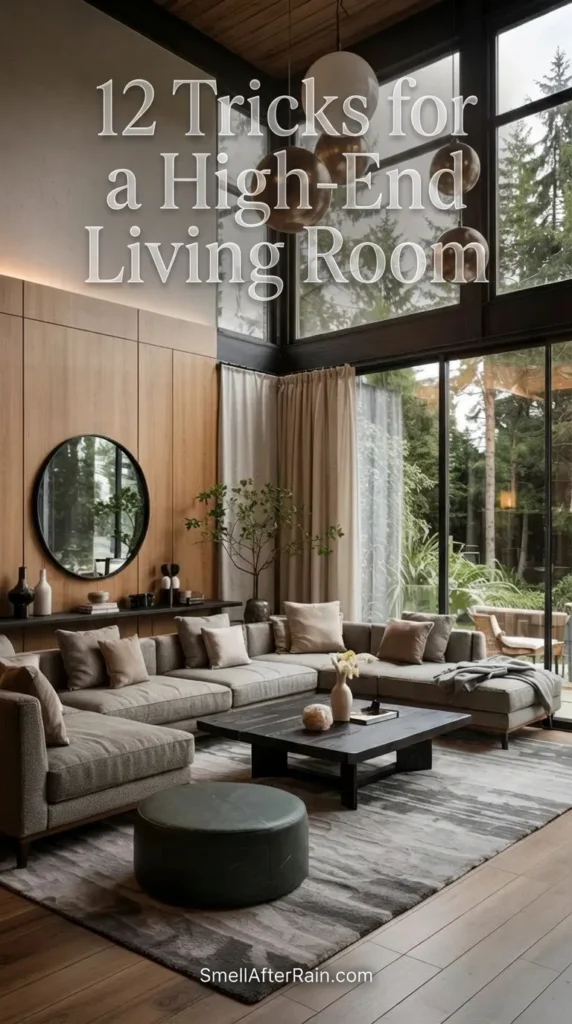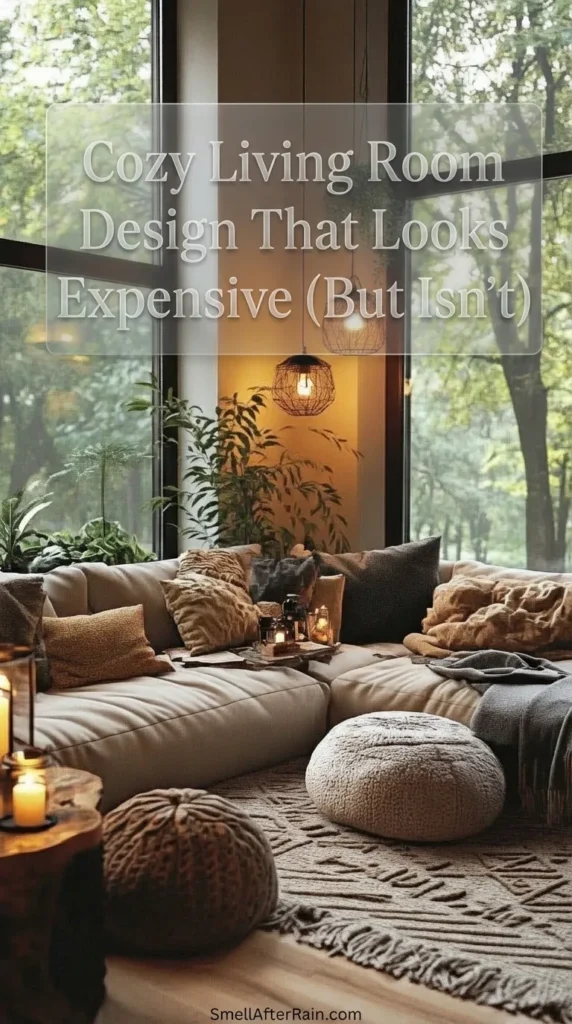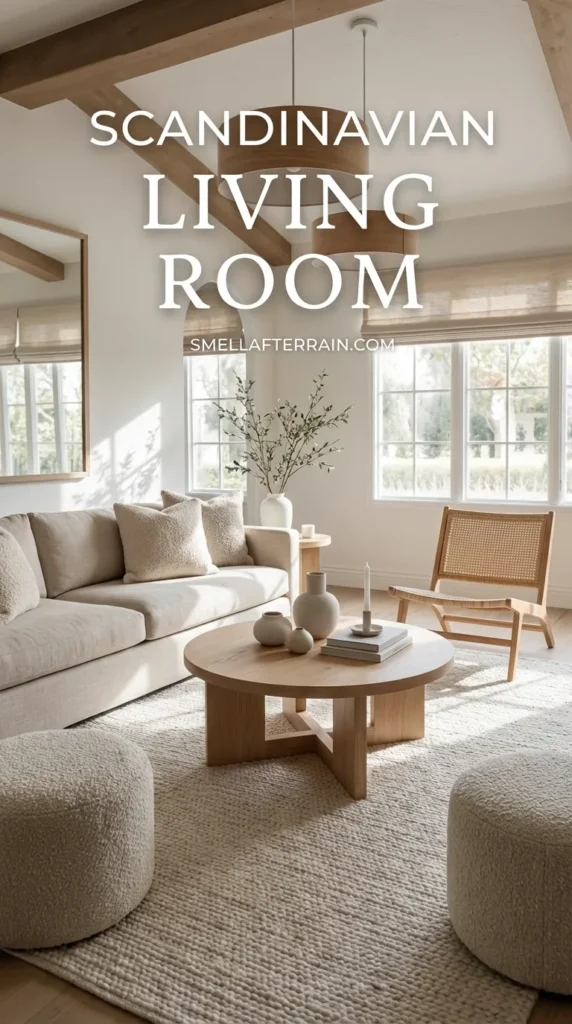

- 1. The 'Catalog' Syndrome: Mistaking Sets for Soul
- 2. The Beige Trap: Failing to Layer Tone on Tone
- 3. Ignoring the 'Hand' of the Fabric: Why Visuals Aren't Enough
- 4. Lighting Temperature: The Invisible Mood Killer
- 5. The Flat Wall Fallacy: Why Paint Isn't Always the Answer
- 6. Disregarding Wood Grain Direction and History
- 7. The Rug Island: Sizing Mistakes That Shrink Space
- 8. Plastic Plants vs. Structural Organics
- 9. Over-Curating: The Loss of the 'Undone' Corner
- 10. Forgetting the Acoustic 'Softness' of Earthy Rooms
- 11. The Scent Disconnect: Ignoring the Olfactory Experience
- Frequently Asked Questions
This morning, before the coffee even finished brewing, I ran my hand along the edge of the old oak sideboard in my hallway. It’s not perfect. In fact, it has a deep scratch from when I moved in three years ago, and the finish is worn down to the raw wood right where I drop my keys every day.
It felt rough, warm, and incredibly real. That specific texture—the friction against my fingertips—grounded me before the chaos of the digital world could rush in. It reminded me of my grandmother’s sunroom, a space filled with items that had lived a life long before they reached her.
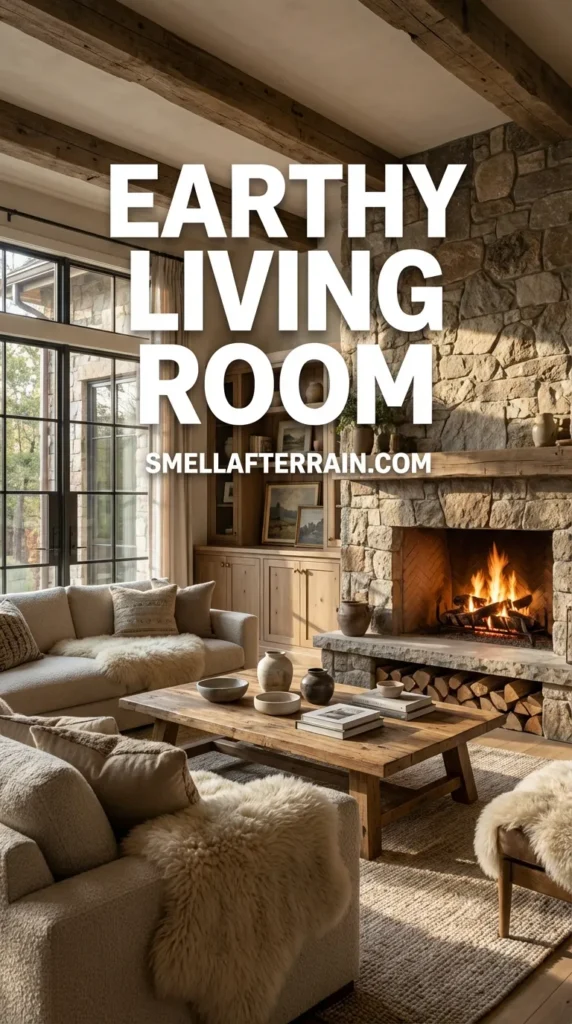
That feeling is exactly what I want to talk about today. We often chase the “look” of an earthy living room—scrolling through endless feeds of beige sofas and pampas grass—but we forget the soul of it. We forget that “earthy” isn’t just a color palette; it’s a connection to history, nature, and the imperfections that make a house a home.
In my years of curating spaces and helping readers find their own personal sanctuary, I’ve noticed a pattern. We try so hard to get the aesthetic right that we sanitize the life out of the room.
If you feel like your space looks like a warm tone living room on Pinterest but feels cold in real life, you might be falling into a few common traps. I’ve certainly been there. I used to think perfection was the goal, but now I know that a truly cosy living room needs a bit of mess, a bit of history, and a lot of texture.
Let’s walk through the mistakes I see most often, and more importantly, how we can fix them to create a space that feels like a warm hug.
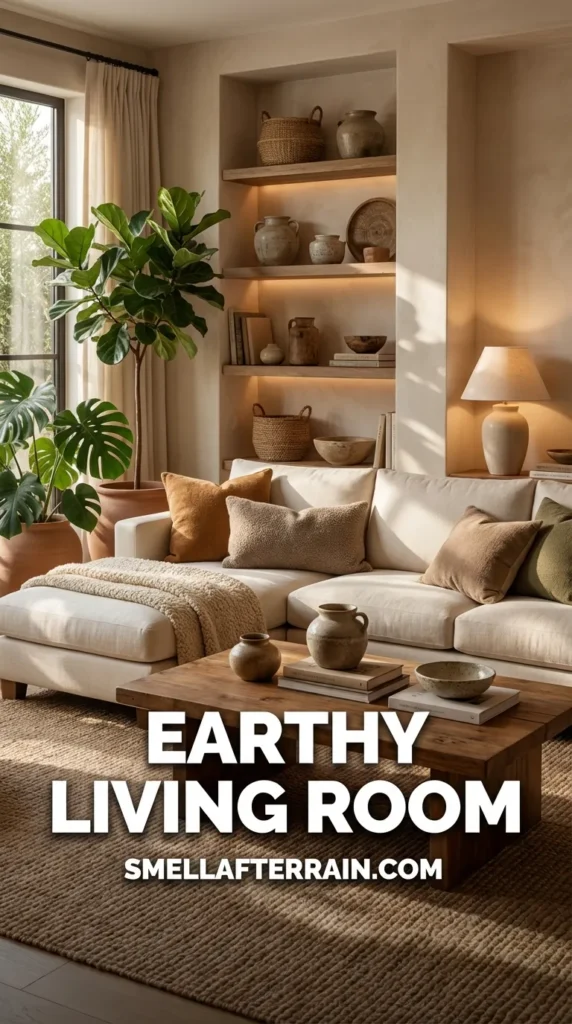
1. The ‘Catalog’ Syndrome: Mistaking Sets for Soul
The biggest mistake I see—and one I made in my very first apartment—is buying everything from the same collection. It’s tempting. The store has already done the matching for you. You get the coffee table that matches the side table that matches the media console.
But here is the hard truth: nature doesn’t match. A forest isn’t made of identical trees. When you buy a matching set, you are creating a showroom, not a home. It strips away the narrative of the room.
An organic modern living room relies on the tension between different materials and eras. If everything is new and matching, the room lacks the “heirloom” quality that makes earthy styles so comforting.
The Fix: The ‘One-Off’ Rule
Break up the set. If you have a heavy, timber coffee table, pair it with a sleek, metal side table or a vintage ceramic stool. I often tell my readers, as I mentioned in my 9 steps to your dream aesthetic living room journey, that contrast is where the magic happens.
Go to a thrift store. Find a wooden chair that looks like it has a story. Sand it down. Let that one piece be the “odd one out.” Suddenly, the room feels curated, not purchased.
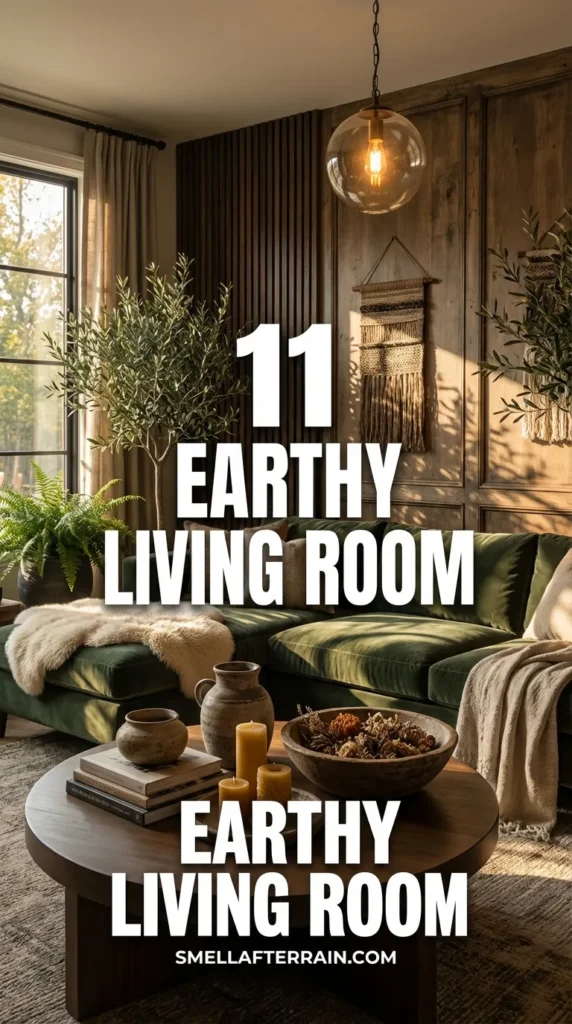
2. The Beige Trap: Failing to Layer Tone on Tone
Beige is beautiful. I love it. It’s the color of unbleached linen and dried wheat. But a room that is entirely one shade of beige is incredibly flat. It feels like waiting in a doctor’s office rather than relaxing in a sanctuary.
Many people aiming for Japandi interiors fall into this monochromatic trap. They fear color, so they opt for safety. But without tonal variety, the eye has nowhere to rest. The room becomes a blur.
The Fix: The 60-30-10 Tonal Rule
You don’t need bright colors to fix this. You need depth. Think of the earth itself. It has layers of soil, clay, stone, and sand.
- 60% Base: Your primary neutral (e.g., oatmeal or cream).
- 30% Contrast: A darker earthy tone (e.g., walnut wood, charcoal, or terracotta).
- 10% Accent: A metallic or deep organic color (e.g., olive green or brass).
This layering creates shadows and highlights. It mimics the complexity of nature.
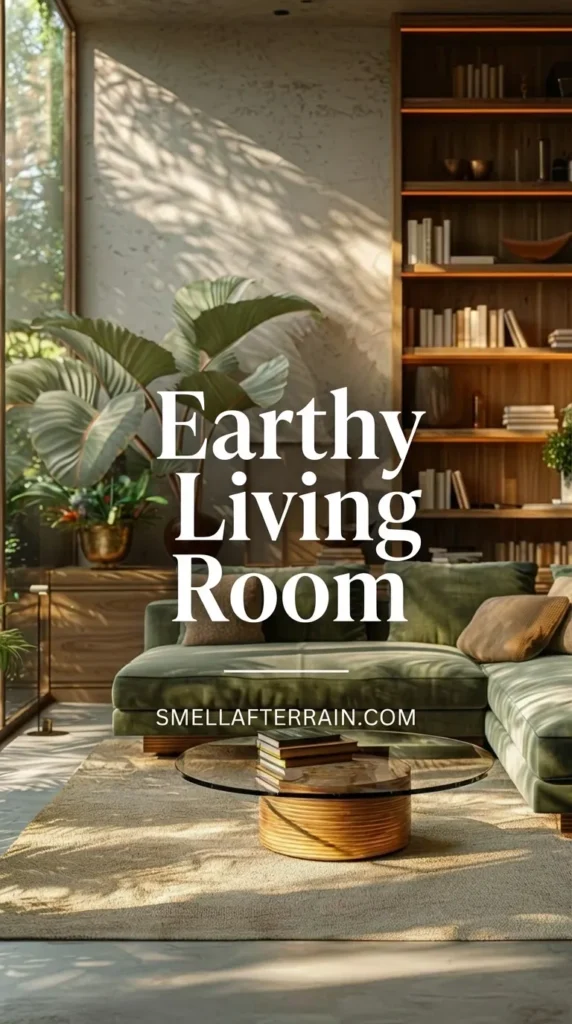
3. Ignoring the ‘Hand’ of the Fabric: Why Visuals Aren’t Enough
In the textile world, the “hand” refers to how a fabric feels when you touch it. In the age of online shopping, we prioritize the “look” over the “hand.” We buy a pillow because the pattern is cute, even if the fabric is a cheap, printed polyester.
An earthy home decor scheme falls apart when the materials feel synthetic. If you sit on a sofa and the fabric feels slick or plastic-y, the illusion of nature is broken immediately.
The Fix: Prioritize Weave Over Print
I always encourage hunting for fabrics that invite touch. Look for nubby bouclé, washed linen that wrinkles (perfectly imperfect!), or heavy wool.
Avoid printed patterns where the design sits on top of the fabric. Instead, look for woven patterns where the design is part of the structure of the cloth. As I explored in my guide to creating a cozy living room design that looks expensive through texture, the physical weight of the material matters.
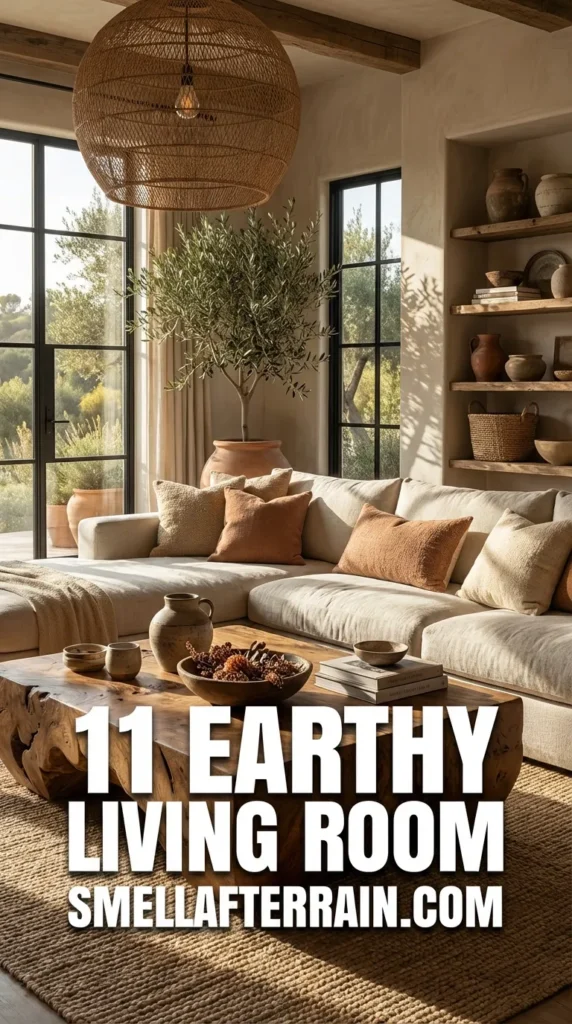
4. Lighting Temperature: The Invisible Mood Killer
You can have the most beautiful vintage furniture and the softest rugs, but if you screw in a “Daylight” (5000K) LED bulb, you will destroy the atmosphere instantly. Cool, blue-tinted light makes wood look grey and makes skin look sickly.
It feels sterile, like a laboratory. An aesthetic living room rooted in earth tones requires lighting that mimics the golden hour or the warmth of a fire.
The Fix: The 2700K Standard
Check every single bulb in your living room. You want a color temperature of 2700K (Warm White). This specific temperature enhances the reds and yellows in wood and leather.
Furthermore, avoid relying on a single overhead light. Create pools of light with floor lamps and table lamps. Shadows are just as important as the light itself in creating a cozy mood.
5. The Flat Wall Fallacy: Why Paint Isn’t Always the Answer
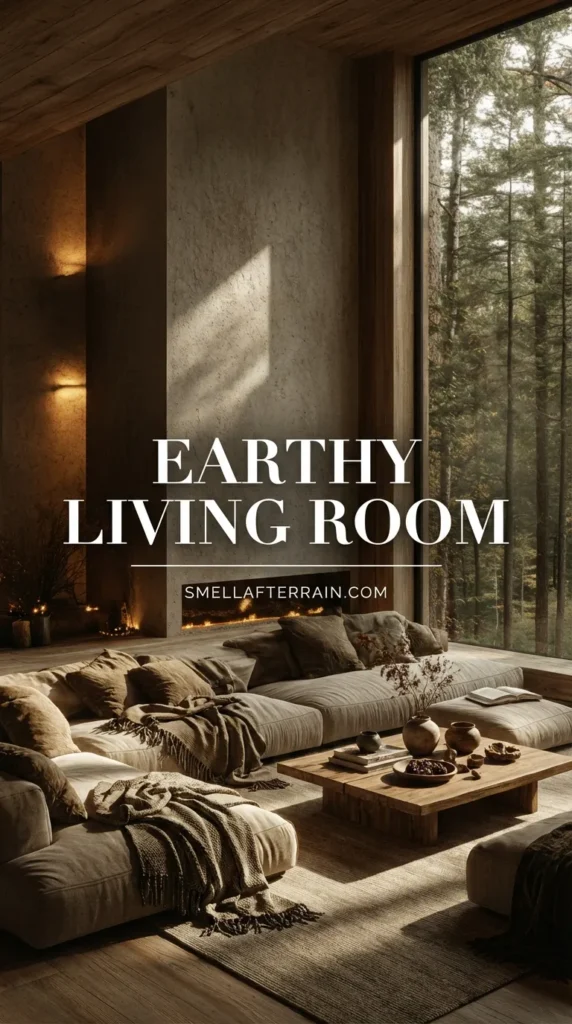
We often treat walls as just a background color. We paint them a flat “Greige” and call it a day. But if you look at old homes—the kind built with cob or plaster—the walls have movement.
Flat latex paint is a modern invention. It’s uniform and practical, but it lacks depth. In a natural living room, flat walls can feel a bit like a plastic box.
The Fix: Limewash and Clay
I am a huge advocate for limewash paint or Roman clay. These materials react with light. They have subtle highs and lows that change throughout the day.
If re-plastering isn’t an option, consider adding texture through wall hangings or matte finish paints rather than eggshell. The goal is to stop the walls from looking like a synthetic shell.
6. Disregarding Wood Grain Direction and History
This is a subtle one, but once you see it, you can’t unsee it. Cheap laminate furniture often has a “wood print” that is repetitive or unrealistic. Real wood has grain that tells a story of growth—knots, swirls, and variations.
Mixing too many conflicting wood tones or using faux-wood that looks too perfect can make a room feel chaotic and cheap. It disconnects the space from the organic vibe you are chasing.
The Fix: The Real Wood Audit
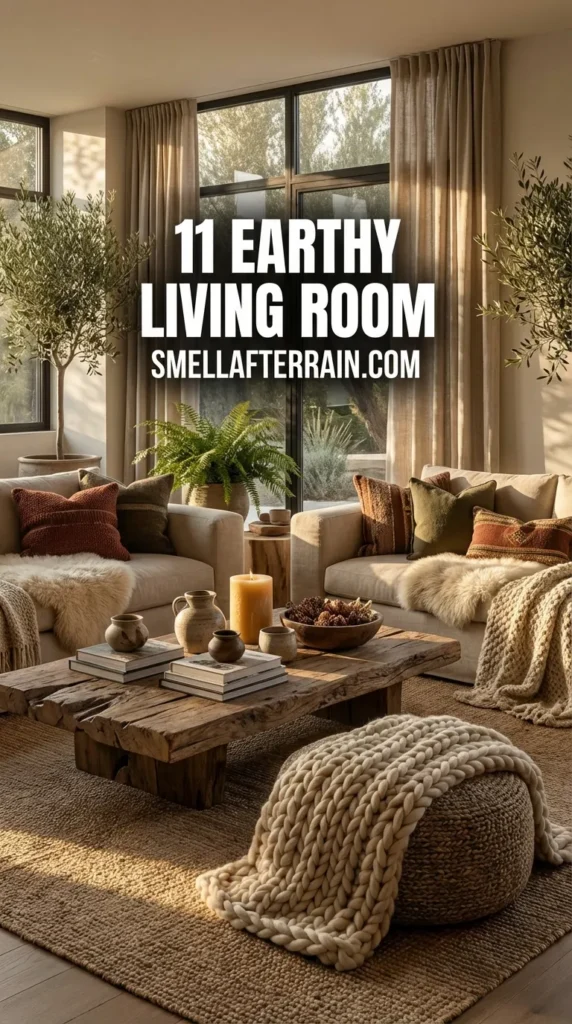
Try to introduce at least one piece of solid, reclaimed wood. It grounds the space. I discuss this heavily in my breakdown of principles of a Scandinavian living room, where the respect for raw materials is paramount.
Don’t be afraid of scratches or water marks on vintage pieces. That patina is what I call “visual history.” It proves the item has served a purpose.
7. The Rug Island: Sizing Mistakes That Shrink Space
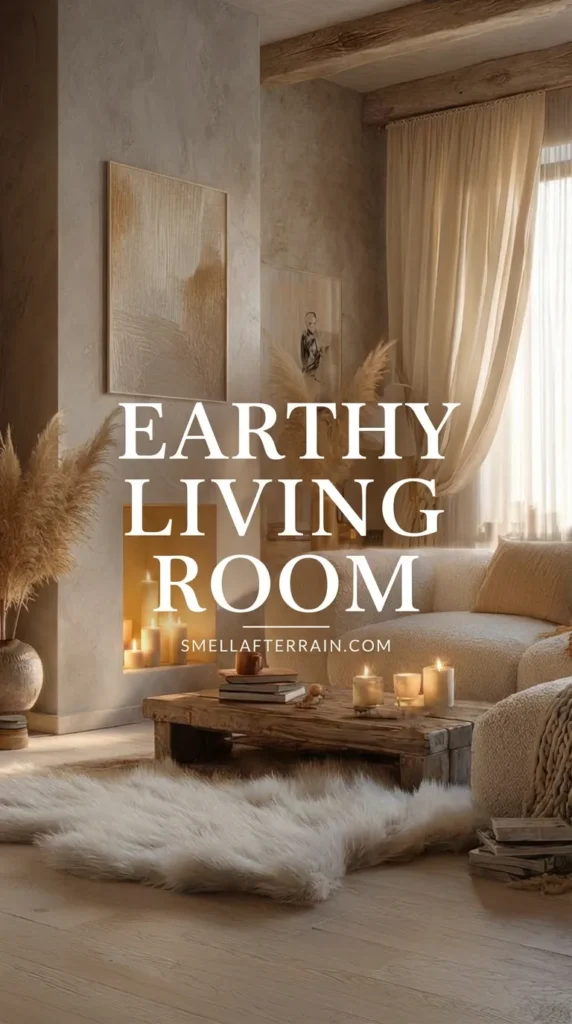
Nothing creates a “floating furniture” look faster than a rug that is too small. It makes the room feel disjointed and unanchored. In an earthy theme, the floor is your foundation—literally the earth beneath your feet.
If your rug is a postage stamp in the middle of the room, you lose the sense of sprawling comfort. It feels temporary, like you’re camping rather than living.
The Fix: Front Legs On, Always
Get a rug large enough that at least the front legs of all your main furniture pieces (sofa, chairs) sit on it. This physically connects the furniture items into a single conversation area.
For material, skip the shiny synthetics. Jute, sisal, and wool are your best friends here. They offer resistance underfoot that feels reassuringly solid.
8. Plastic Plants vs. Structural Organics
I understand the appeal of fake plants. They don’t die. But they also don’t breathe. They collect dust and, eventually, they fade into a weird blue-green color that doesn’t exist in nature.
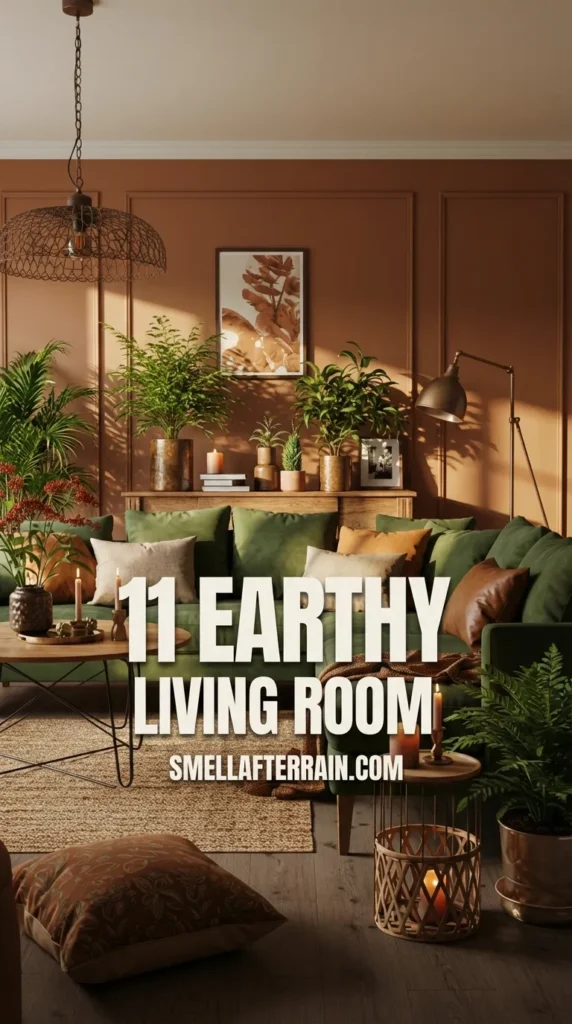
A cozy boho living room needs life. Real plants improve air quality and add a sense of impermanence—leaves grow, unfurl, and sometimes brown. That cycle is part of the aesthetic.
The Fix: Go Big and Structural
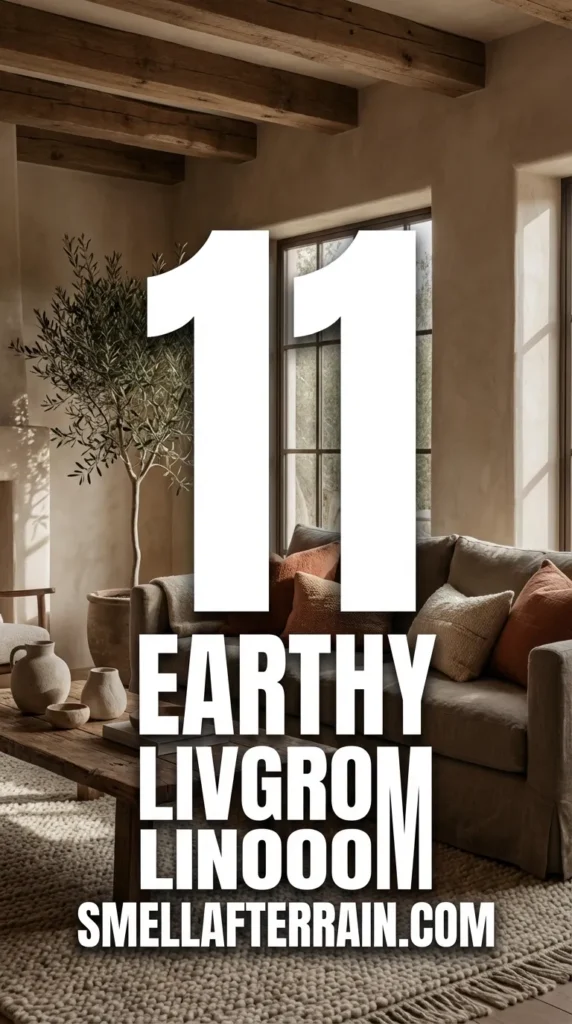
Instead of ten tiny succulents cluttering a shelf, choose one large, structural tree. A Ficus Audrey or a large Olive tree creates an architectural moment.
Treat the plant like a sculpture. The pot matters too—opt for unglazed terracotta or concrete over shiny plastic pots.
9. Over-Curating: The Loss of the ‘Undone’ Corner
Social media has trained us to style every single corner. The coffee table has a tray, books, and a candle. The bookshelf is color-coordinated. The pillows are chopped perfectly.
But a home that is too styled feels anxious. It feels like you can’t touch anything. An earthy living room should feel lived-in. It should feel like you can kick off your shoes and nap.
The Fix: Leave Empty Space
Leave a shelf empty. Leave a corner of the coffee table bare. Let a throw blanket drape naturally rather than folding it perfectly.
Japanese aesthetics, specifically Wabi-Sabi, embrace this imperfection. As I wrote in my article on guide to minimalist living rooms that breathe, the empty space allows the beautiful objects you do have to sing.

10. Forgetting the Acoustic ‘Softness’ of Earthy Rooms
We design with our eyes, but we live with our ears. A room with hard floors, hard walls, and minimalist furniture echoes. It sounds cold. That echo subconsciously creates stress.
A true warm apartment aesthetic sounds dampened and quiet. It absorbs the noise of the outside world.
The Fix: Heavy Textiles
Curtains are crucial here. Even if you don’t need them for privacy, heavy linen or velvet drapes dampen sound. Add a thick rug pad under your area rug.
Tapestries or canvas art on the walls also help. You want the room to sound like a library, not a hallway.
11. The Scent Disconnect: Ignoring the Olfactory Experience
Finally, the most overlooked mistake. You create a room that looks like a forest or a desert, but it smells like “Clean Linen” chemical spray or cheap vanilla.
Scent is the strongest link to memory. If the visual story is “earthy,” the scent story must match. A disconnect here creates a subtle cognitive dissonance.
The Fix: Grounded Aromas
Put away the sweet, sugary candles. Look for scents with notes of sandalwood, cedar, vetiver, smoke, or damp moss. I love diffusing essential oils that smell like rain on hot asphalt.
For more on creating a full sensory experience, you might enjoy my 12 cozy living room ideas for timeless luxury, where I touch on how luxury is a feeling, not a price tag.
Fixing these mistakes isn’t about spending a fortune. It’s about slowing down. It’s about looking at your room and asking, “Does this feel real?”
Take your time. Swap out one thing at a time. Let the room evolve as you do.

Frequently Asked Questions
How can I make my living room look earthy but not cluttered?
The key is “closed storage” and “negative space.” Use baskets made of natural materials (seagrass, wicker) to hide the clutter (remotes, toys, cords). Keep your surfaces relatively clear, displaying only a few items that have texture and meaning. Earthy styles love breathing room.
What colors go best with an earthy living room besides beige?
Look to nature for your palette. Olive green, terracotta, rust, deep slate blue, and charcoal are wonderful. Even mustard yellow can work beautifully if it’s a muted, muddy tone rather than a bright primary yellow. Avoid neon or pastel shades.
Can I mix metals in an organic modern living room?
Absolutely, and you should! Mixing metals adds age and history. I love pairing unlacquered brass (which patinas over time) with matte black iron. Avoid high-shine chrome, as it tends to look too industrial and cold for this aesthetic.
How do I make a grey sofa fit into a warm, earthy room?
This is a common challenge. The trick is to warm it up with textiles. Drape a camel or rust-colored wool throw over the back. Use pillows in warm creams, leathers, or browns. Place a jute rug underneath the sofa to visually separate the cool grey from the floor and add warmth.
What is the difference between Boho and Earthy styles?
Boho tends to be more maximalist, colorful, and pattern-heavy, often featuring global textiles and eclecticism. Earthy style (or Organic Modern) is quieter, more disciplined, and focuses on the raw materials themselves rather than patterns. However, they share a love for natural materials and plants.
Is it expensive to decorate in an earthy style?
Not necessarily. In fact, it can be cheaper because it embraces second-hand items. Thrifted wood furniture, DIY art using canvas and plaster, and propagating your own plants are all budget-friendly ways to achieve the look. You are paying for materials, not brand names.
I hope this helps you find that quiet corner in your home. I’ll be here, rearranging my bookshelf and waiting for the rain.