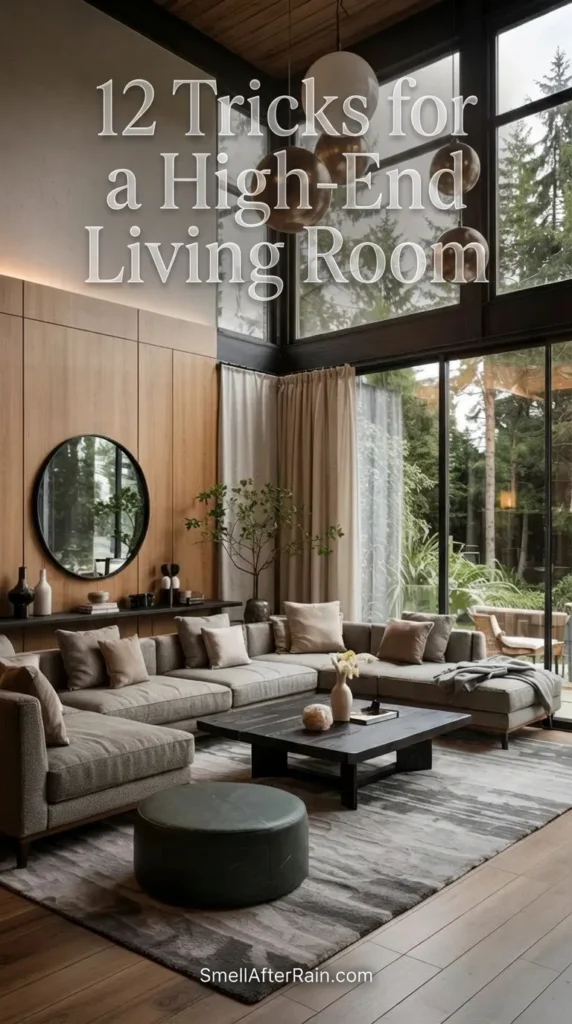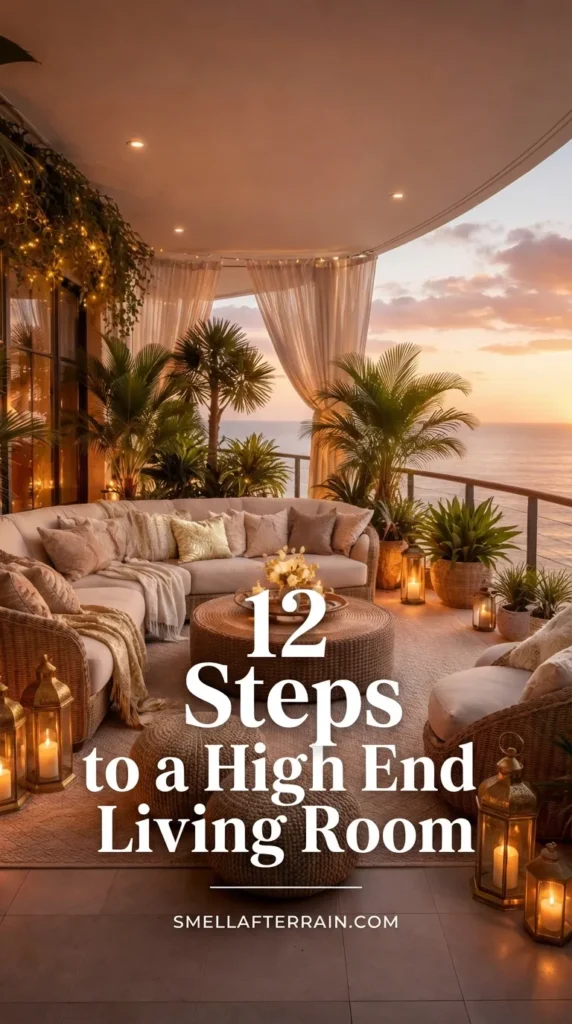
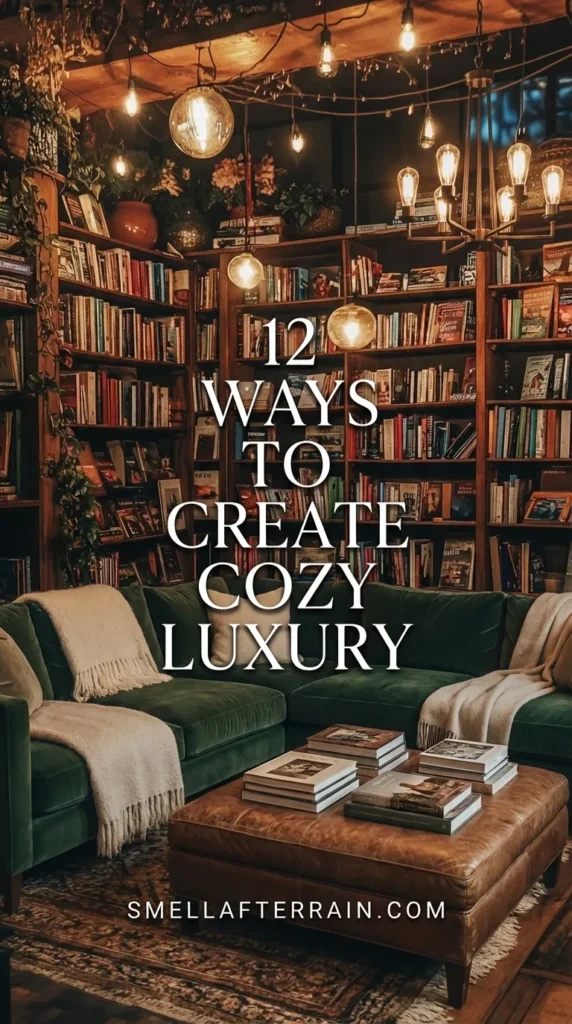
- 1. The Foundation: Oversized Vintage Rugs as Anchors
- 2. Deep Seating: The Psychology of the Low-Profile Sofa
- 3. Lighting Architecture: Banishing the Big Light
- 4. Wall Treatments: The Subtle Power of Limewash and Plaster
- 5. Window Dressing: Floor-to-Ceiling Drapery Physics
- 6. Materiality: Incorporating Travertine and Raw Stone
- 7. The Curated Bookshelf: Intellectual Minimalism
- 8. Palette Theory: Why 'Greige' is Out and 'Earth' is In
- 9. Antique Integration: The 'Old Money' Patina
- 10. Negative Space: The Luxury of Empty Corners
- 11. Scentscaping: The Invisible Layer of Design
- 12. Flow Dynamics: Arranging Furniture for Conversation, Not TV
- Frequently Asked Questions

The rain is currently drumming a steady, insistent rhythm against the north-facing window of my study. It’s that heavy, grey afternoon light—the kind that makes shadows pool in the corners and turns polished wood into a mirror. Just now, I watched a single beam of diffused daylight catch the worn velvet arm of my reading chair, illuminating dust motes dancing in the stillness.
It was a quiet reminder that a living room isn’t just a place to sit. It is a container for our calm. In a world that screams for our attention, our homes should be the place that whispers.
I used to believe that a luxury living room meant pristine surfaces, chrome finishes, and showroom perfection. But over years of curating spaces, I’ve learned that true “old money” aesthetic—or perhaps we should call it “timeless quality”—isn’t about flash. It is about texture. It is about the weight of materials. It is about silence.
When we look for living room ideas cozy enough to hold us, yet sophisticated enough to elevate the property, we have to look past trends. We need to look at longevity.
If you are looking to transform your space into a sanctuary that feels inherited rather than purchased, here is my personal collection of calm. These are the twelve design principles I return to when I want a room to feel like a warm, heavy hug.
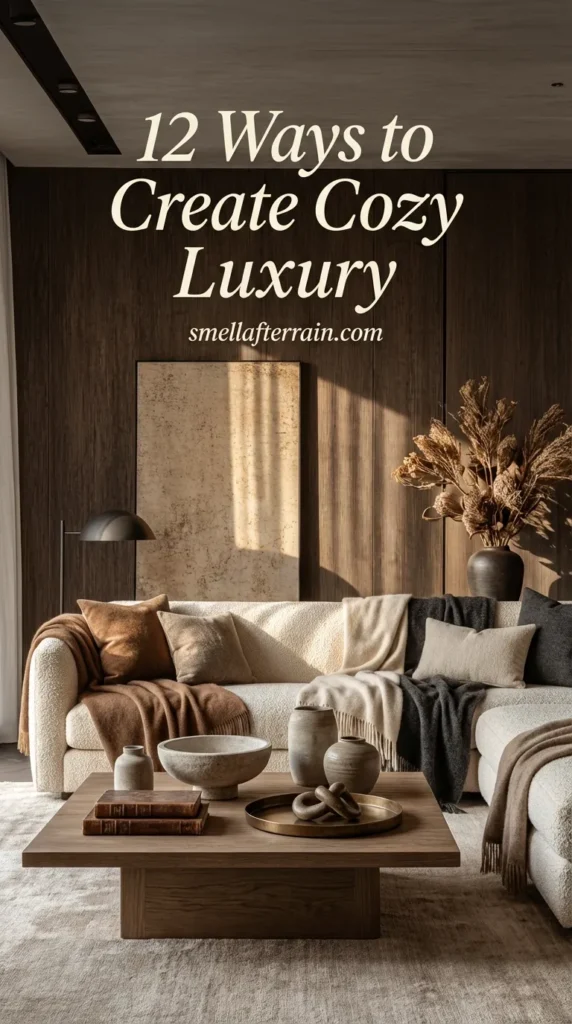
1. The Foundation: Oversized Vintage Rugs as Anchors
There is a specific mistake I see often, and it breaks my heart a little every time. It’s the postage-stamp rug. A small rug floating in the middle of a room makes the space feel disjointed and anxious. It feels temporary.
To achieve that grounded, warm apartment aesthetic, you need a rug that swallows the furniture. The front legs of your sofa and chairs should always sit firmly on the weave. This creates a dedicated zone—an island of texture.
I always encourage hunting for natural fibers. A hand-knotted wool rug might be an investment, but it offers a tactile experience that synthetic blends simply cannot mimic. Wool breathes. It has oils that naturally repel dirt. But more importantly, it ages beautifully.
Think of a faded Oushak or a heavy jute weave. These textures absorb sound, dampening the echo in the room and instantly making the space feel quieter and more expensive.
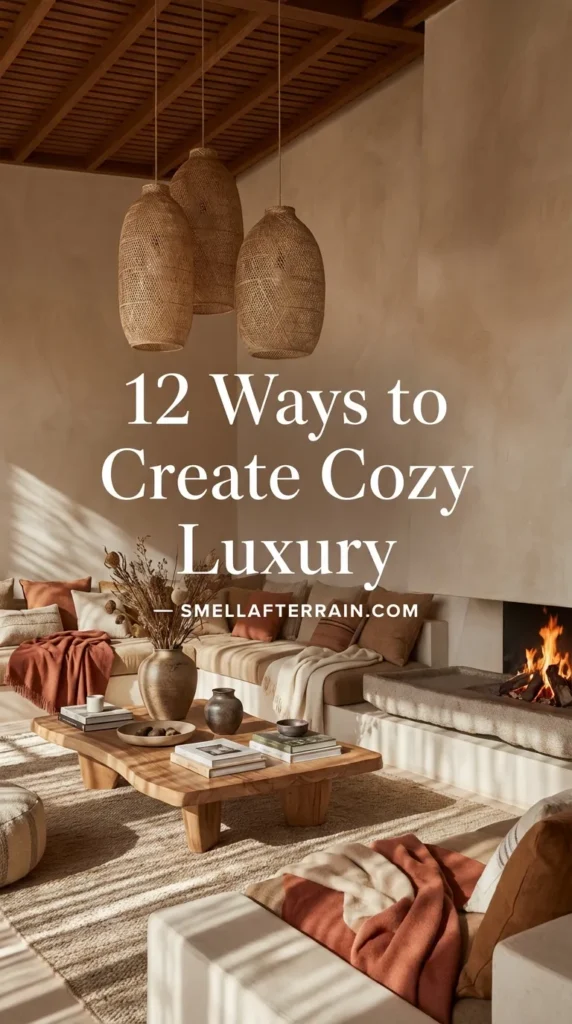
2. Deep Seating: The Psychology of the Low-Profile Sofa
When I advise on aesthetic living room furniture, I talk about the “sit test.” But beyond comfort, there is a visual psychology to your sofa. High, stiff backs can feel formal and uninviting, like a waiting room.
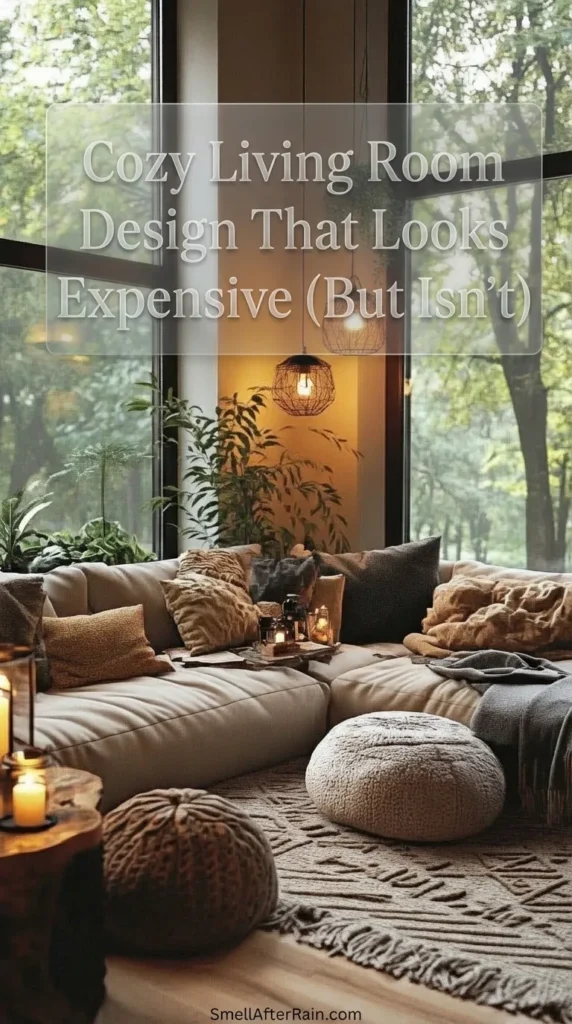
The secret to that effortless, high-end look is a lower profile with deep seating. It invites you to sink in, not just perch. I’ve written extensively about this in my guide to crafting a cozy living room design that looks expensive, where silhouette is everything.
Look for single-cushion “bench” seats if possible. They eliminate the gap that you inevitably fall into and create a long, clean visual line that expands the room. In terms of fabric, lean toward heavy linens or mohair velvet. These fabrics capture light differently, adding depth even to a monochrome palette.
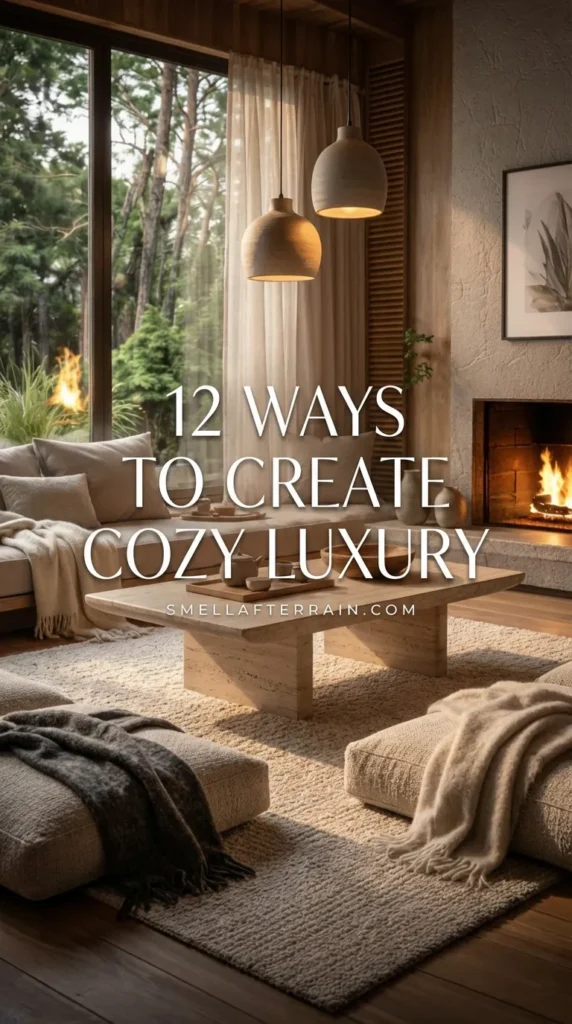
3. Lighting Architecture: Banishing the Big Light
I have a rule in my home: the overhead light is strictly for finding lost earrings. For living, we never use the “big light.” Nothing kills the mood faster than flat, overhead glare.
Lighting should be architectural and layered. You want pools of light that guide the eye. Start with a floor lamp at eye level when seated—this is your task lighting. Then, add table lamps with linen shades to diffuse the glow into a soft warmth.
If you can, install picture lights or sconces. Even if you are renting, battery-operated sconces can add that layer of permanence and history. The goal is to create pockets of shadow and light, which adds mystery and makes even a small living room decor scheme feel vast and intricate.
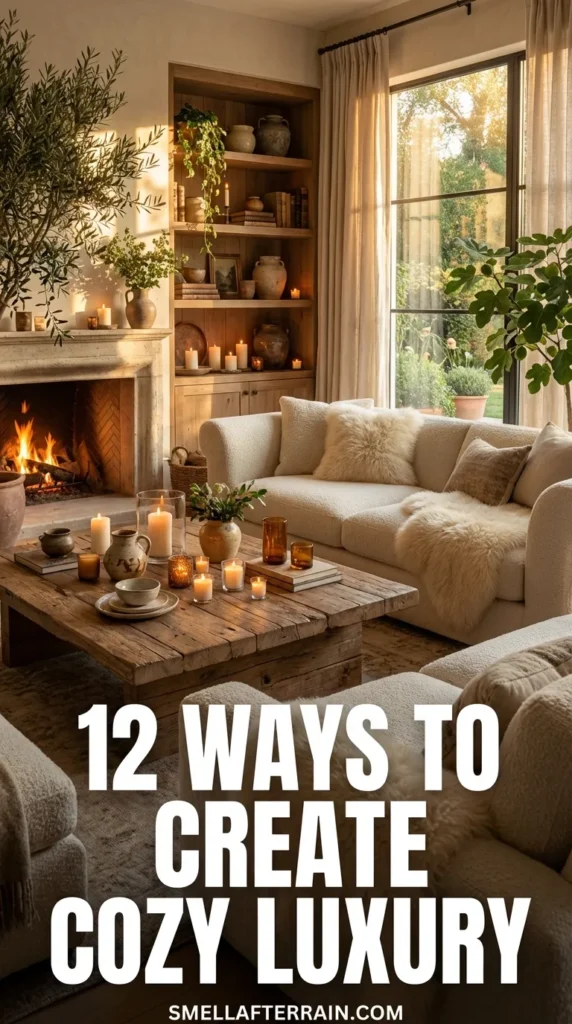
4. Wall Treatments: The Subtle Power of Limewash and Plaster
White walls are safe, but they can feel sterile. The “old money” aesthetic often relies on walls that have a presence of their own. This is where texture comes in again.
I am currently obsessed with the revival of limewash and plaster finishes. Unlike flat paint, limewash penetrates the surface and creates a clouded, matte texture that looks velvety to the touch. It softens the acoustics of the room and catches the sunlight in a way that flat latex paint never will.
If plaster is too big a commitment, consider a “skimming stone” color—a white with enough grey and brown in it to feel like stone. It provides a backdrop that feels ancient and solid, anchoring your minimalist living room concepts in history.
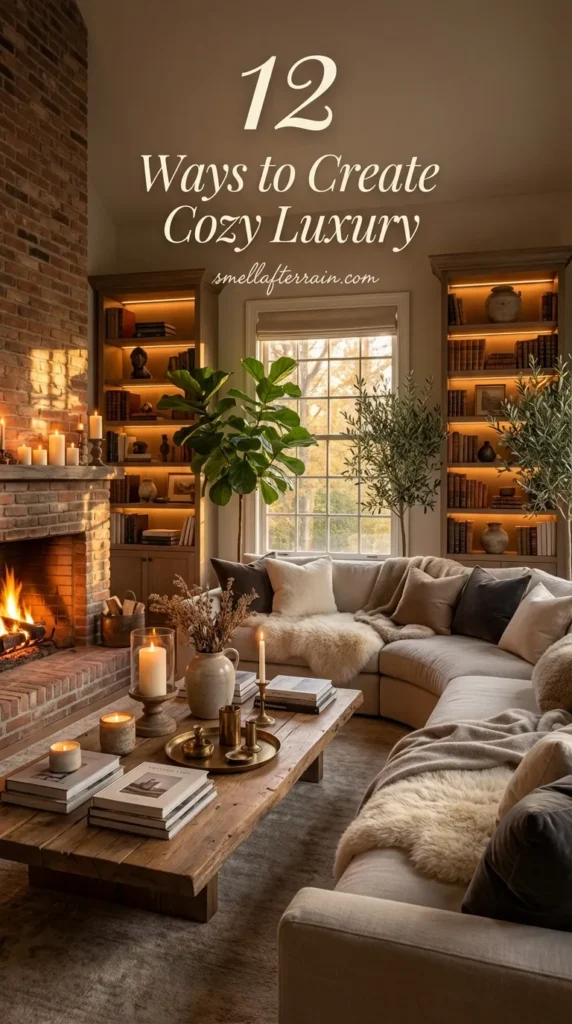
5. Window Dressing: Floor-to-Ceiling Drapery Physics
If you do only one thing to elevate your home, let it be this: raise your curtain rods. High, wide, and heavy.
Mount your curtain rod as close to the ceiling as possible, and let it extend ten inches past the window frame on either side. This tricks the eye into thinking your windows are massive, letting in more light when the curtains are open.
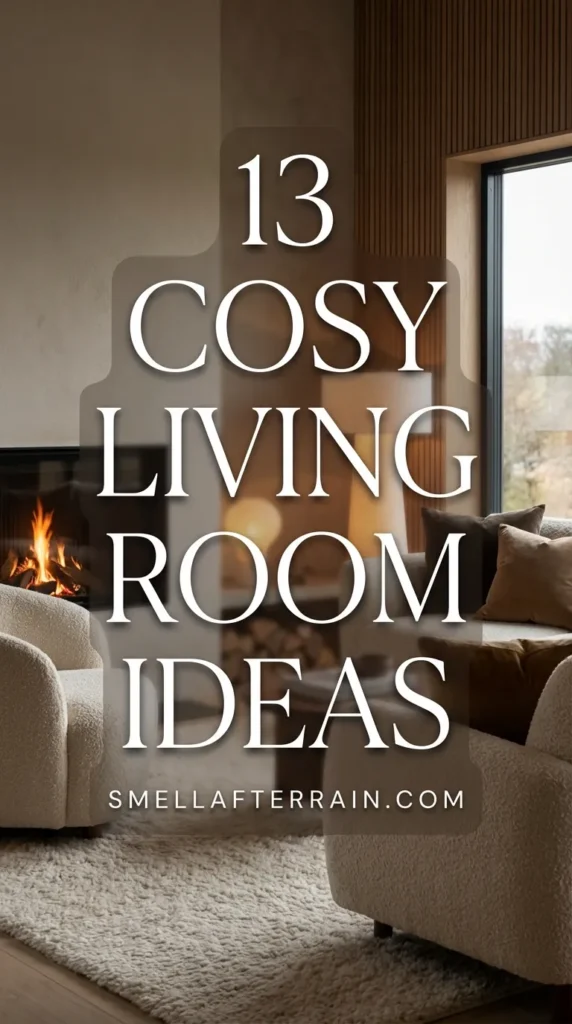
But the fabric matters. Flimsy, unlined cotton that lets too much light through looks temporary. You want lined linen or velvet that “puddles” slightly on the floor. This excess fabric implies luxury—it says you didn’t skimp on materials. The weight of the fabric also helps block drafts, contributing to physically and visually cosy living room ideas.
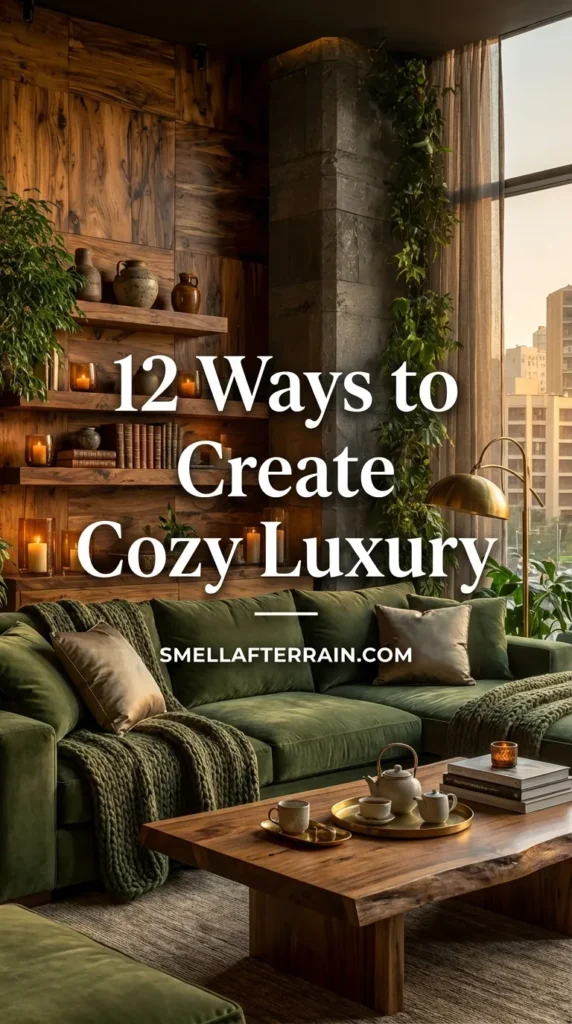
6. Materiality: Incorporating Travertine and Raw Stone
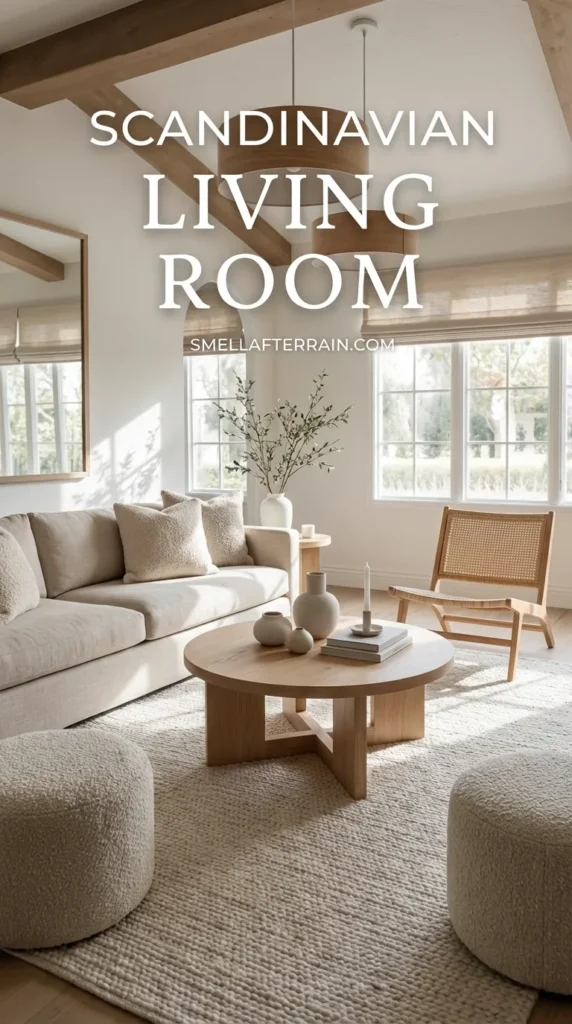
In a world of plastic and veneer, real stone feels grounding. There is something primal about bringing a piece of the earth inside. It connects us to the outdoors, which is a core tenet of the Scandinavian living room philosophy.
I love using travertine coffee tables or unpolished marble side tables. The porosity of travertine, with its tiny holes and imperfections, adds a grit that contrasts beautifully with soft upholstery.
It doesn’t have to be a large piece. A heavy stone bowl on a shelf or a marble plinth for a lamp adds that necessary element of “weight.” These elements serve as a counter-balance to the softness of your textiles.
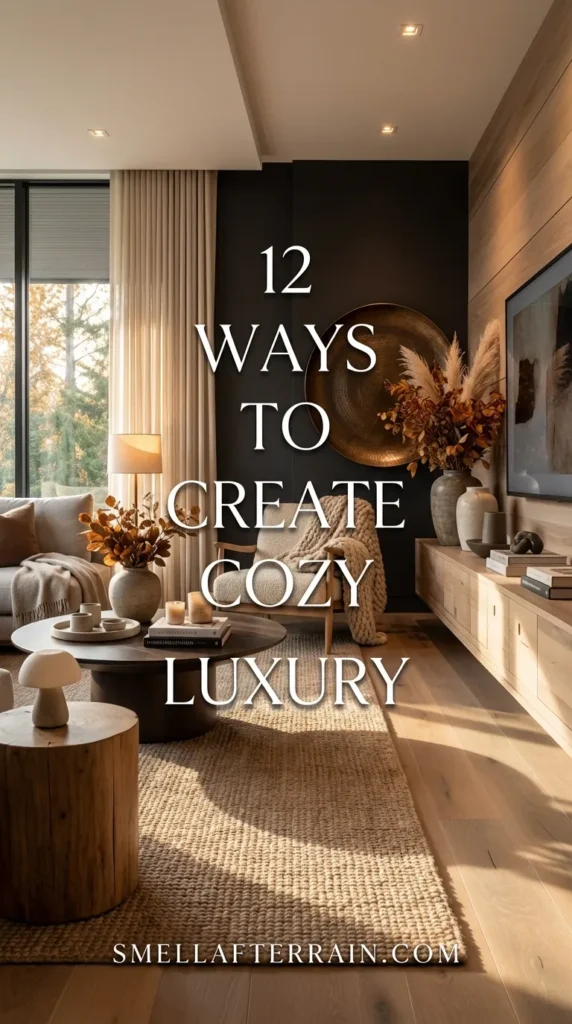
7. The Curated Bookshelf: Intellectual Minimalism
Bookshelves often become clutter catch-alls. To achieve a high-end look, we must treat the bookshelf as a composition, not storage.
I love the look of books stacked horizontally as well as vertically. It breaks the grid. But the key here is breathing room. Don’t fill every inch. Leave spaces for the eye to rest.
Intersperse your books with organic objects—a piece of driftwood, a ceramic vessel, a vintage clock. This suggests a life well-traveled and a mind that collects ideas, not just things. It moves away from chaotic clutter toward a contemporary living room feel that respects the written word.

8. Palette Theory: Why ‘Greige’ is Out and ‘Earth’ is In
For a long time, cool greys dominated the design world. But they can feel cold, especially in low light. The shift now is toward “earthy” neutrals. We are talking about mushroom, oatmeal, terracotta, and warm olive.
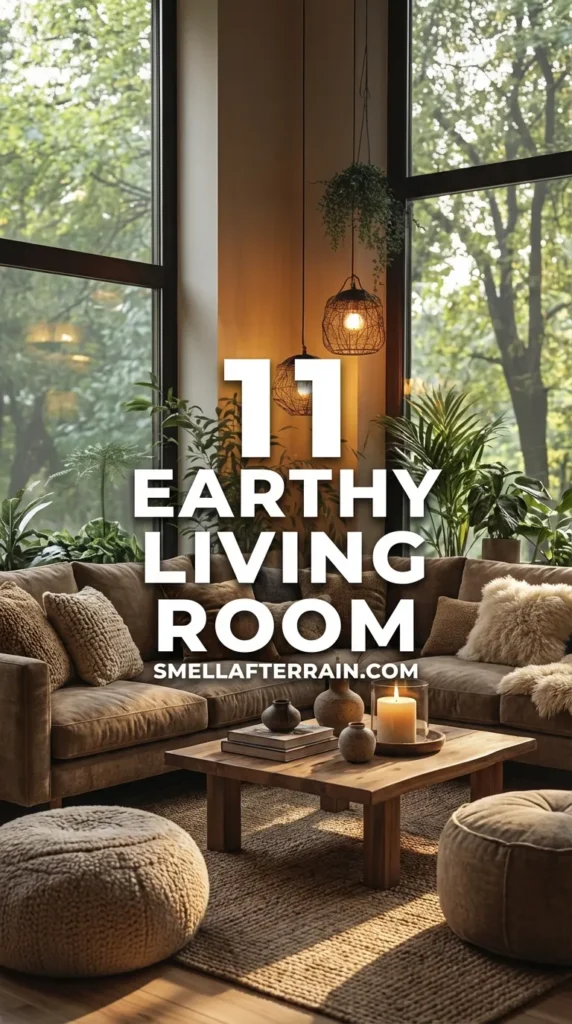
These colors wrap around you. An earthy living room feels lived-in. It mimics the colors of nature, which is inherently calming to the human nervous system. When building your palette, try to stay tonal.
Layer different shades of the same color family. A camel sofa, with oatmeal cushions, on a sisal rug, against cream walls. This tonal layering creates a rich complexity that doesn’t scream for attention but feels incredibly sophisticated.
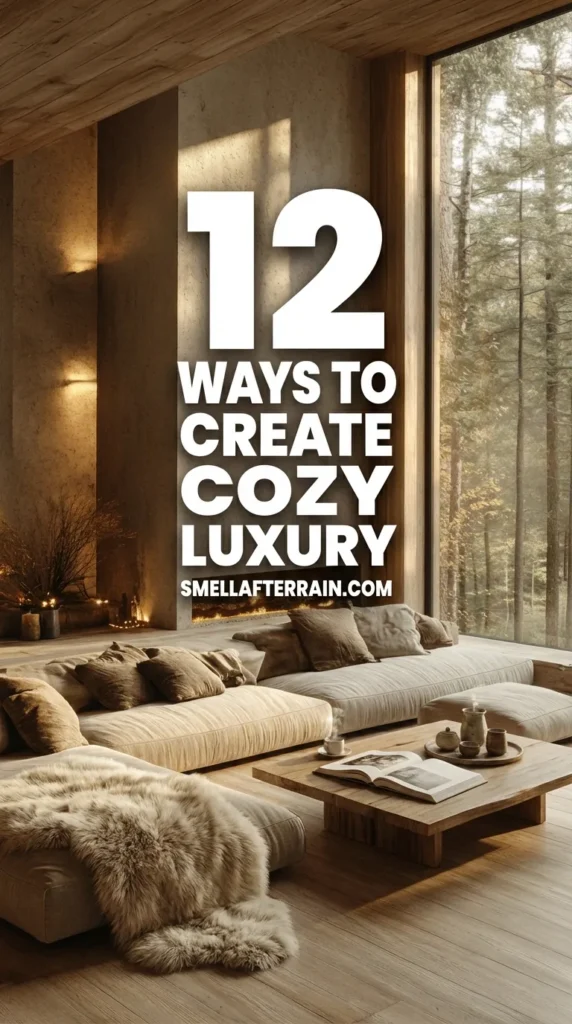
9. Antique Integration: The ‘Old Money’ Patina
You cannot buy “soul” from a big-box store. A room filled entirely with brand-new furniture can feel like a showroom—impersonal and flat. To give a room character, you need something old.
It doesn’t have to be a museum piece. A battered leather ottoman, a vintage wooden stool with scratches, or an antique oil painting with a chipped frame. These imperfections tell a story. They imply that the room has evolved over time.
I often discuss this mix of old and new in my articles on true luxury living room styling. The contrast between a sleek, modern lamp and a rustic antique table is where the magic happens. It creates tension, and tension creates interest.
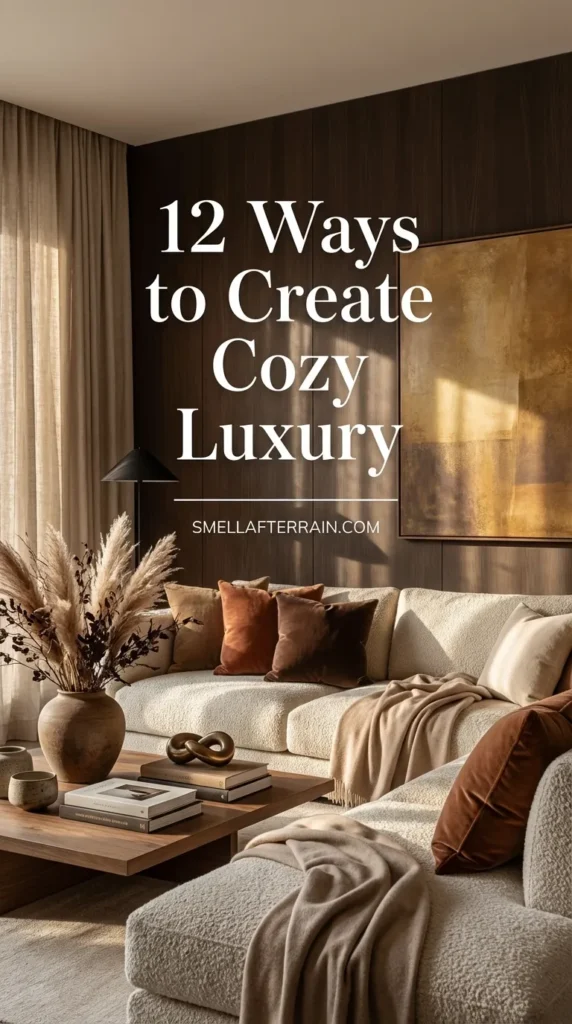
10. Negative Space: The Luxury of Empty Corners
In our quest to decorate, we often forget the power of nothingness. Negative space is the area between objects, and it is just as important as the objects themselves.
Luxury is space. If you jam furniture into every corner, the room shrinks. Leaving a corner empty, or perhaps occupied only by a tall plant or a sculpture, allows the architecture of the room to breathe.
This is particularly crucial for a neutral living room. Without the distraction of bright colors, the eye focuses on form. Give your beautiful pieces room to be seen. Let the shadows play on the floor.

11. Scentscaping: The Invisible Layer of Design
We often design for the eyes, but we feel a room with all our senses. Scent is the most direct link to memory and emotion. A truly high-end home always smells… intentional.
Avoid chemical, sugary sprays. Look for complex, woody scents—sandalwood, cedar, vetiver, or fig. I prefer using a ceramic diffuser or high-quality soy candles.
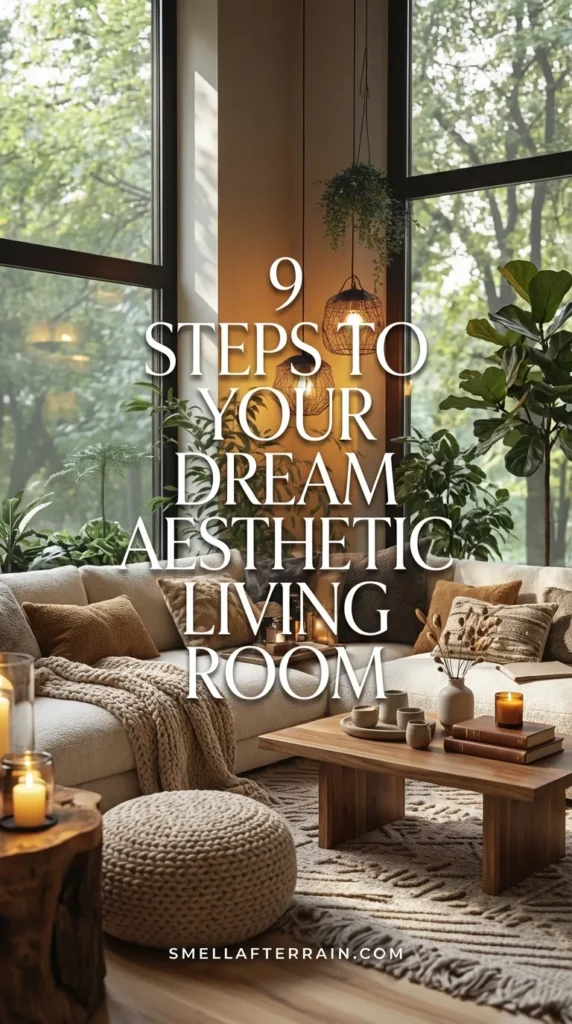
The scent shouldn’t hit you like a wall when you walk in; it should be a subtle background note. This invisible layer is the final touch in my 9 steps to your dream aesthetic living room. It creates an immersive experience that feels expensive because it feels cared for.
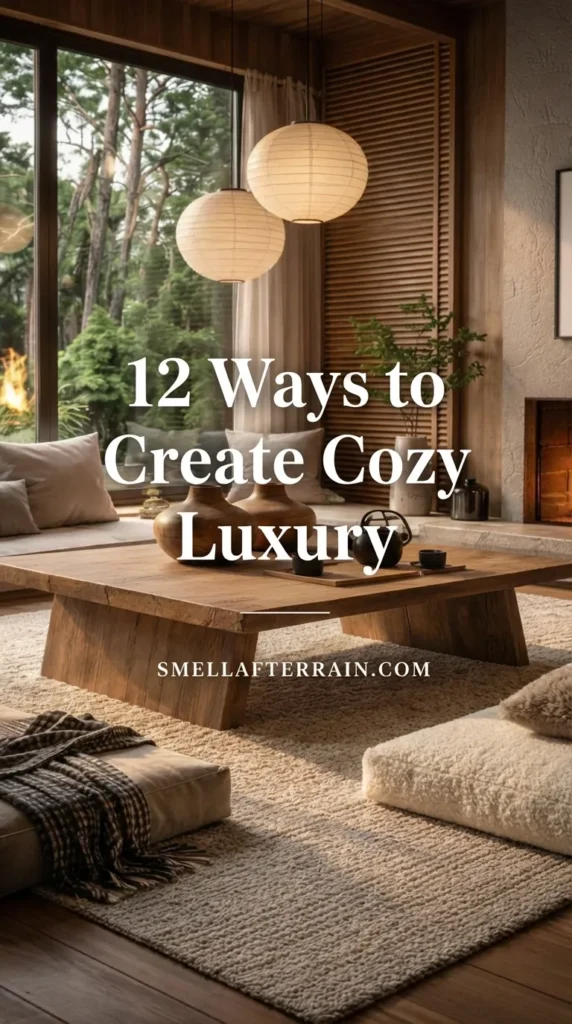
12. Flow Dynamics: Arranging Furniture for Conversation, Not TV
Finally, we must address the layout. Too many living rooms are designed like theaters, with all furniture pointing at the television. This suggests that the primary activity is consumption, not connection.
For a sophisticated, social atmosphere, pull your furniture off the walls and create a conversation circle. Two sofas facing each other, or a sofa flanked by two substantial armchairs.
If you have a television, try to place it on a side wall or conceal it (perhaps within a dark built-in). Prioritize the human face. When you orient a room toward conversation, you change the energy of the space. It becomes a salon, a place for ideas, a true sanctuary from the digital noise outside.
For more detailed layout strategies, specifically for challenging spaces, I recommend reading my thoughts on broader living room ideas where I break down flow in depth.

Frequently Asked Questions
How can I make my small living room look expensive?
The counter-intuitive secret is to use fewer, larger pieces. A small room filled with small furniture looks cluttered. Use one large rug, a substantial sofa, and a large mirror to reflect light. Stick to a monochromatic palette to blur the edges of the room, making it feel expansive.
What exactly defines the “Old Money” aesthetic in interior design?
It is defined by a lack of pretension and a focus on heritage materials. It prioritizes natural fabrics like wool, linen, and leather over synthetics. It values patina (wear and tear) on wood and metal, preferring antiques to shiny new items. It is quiet luxury—quality that doesn’t need to shout.
I rent my apartment. How can I add architectural interest without renovating?
Focus on what you can control: lighting and textiles. Add plug-in wall sconces to mimic hardwired lighting. Use heavy, floor-to-ceiling curtains to hide generic window frames. Large area rugs can cover unattractive rental flooring completely.
Is a minimalist living room always cold and uninviting?
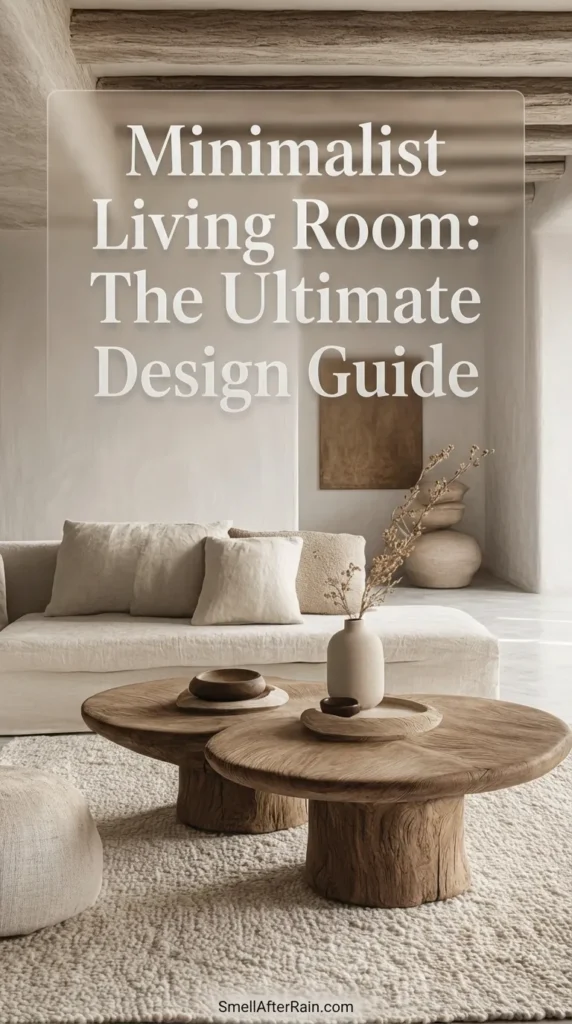
Not at all. Warm minimalism is about reducing clutter while amplifying texture. If you remove objects, you must increase the tactile quality of what remains. Think of a room with nothing in it but a fireplace and a sheepskin rug—that is minimalist, but incredibly cozy.
What are the best colors for a calming living room?
Look to nature’s “quiet” colors. Warm stone greys, creamy oats, sage greens, and muted terracotta. Avoid high-saturation primary colors (bright red, royal blue) as they stimulate the brain too much for a relaxation space.
As the rain continues to streak the glass, I hope these ideas help you look at your own four walls a little differently. It’s not about spending a fortune; it’s about choosing pieces that feel like home.