- The Foundation: Color Psychology for Warmth
- Texture Layering: The Luxury Illusion
- Furniture Arrangement Principles
- Lighting: The Non-Negotiable Upgrade
- The Art of Strategic Styling
- Budget-Friendly Material Swaps
- Wall Treatment Techniques
- Plant Strategy for Living Spaces
- Window Treatment Elevation
- Common Mistakes That Cheapen Your Space
- Creating Zones in Open Spaces
- The Five-Senses Approach
- Maintenance Habits That Preserve the Look
- Frequently Asked Questions
- Bringing It All Together
Your living room doesn’t need a luxury budget to feel like a high-end retreat. The secret to a modern cozy living room lies in strategic design choices that maximize perceived value. With the right textures, colors, and furniture arrangement, you can transform any space into a warm apartment aesthetic that rivals designer showrooms.
This guide reveals professional interior design techniques for creating a comfy living room that photographs beautifully and feels even better in person. Whether you’re working with a minimalist living room or adding warmth to a rental apartment, these principles work across all styles and budgets.
The Foundation: Color Psychology for Warmth
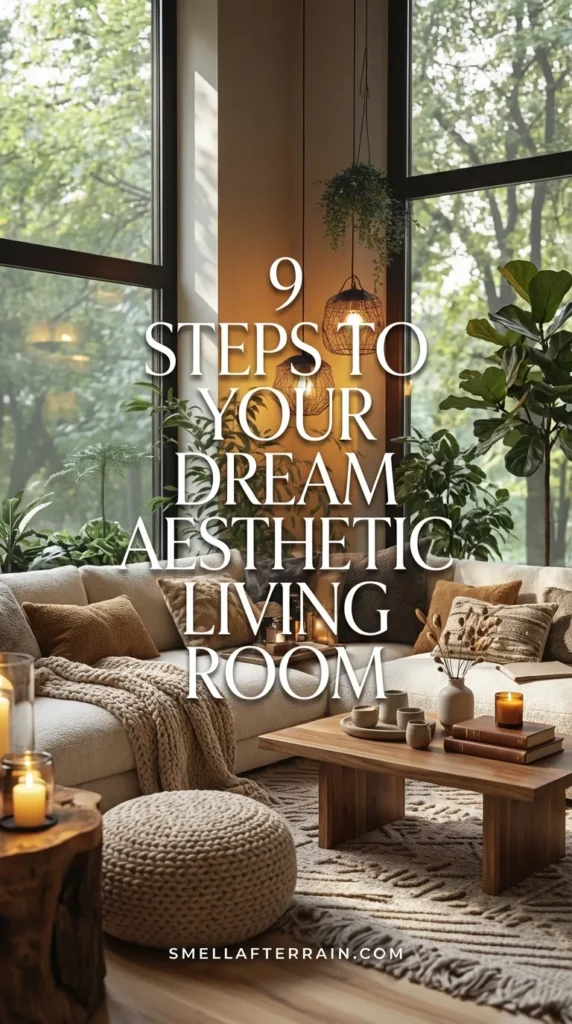
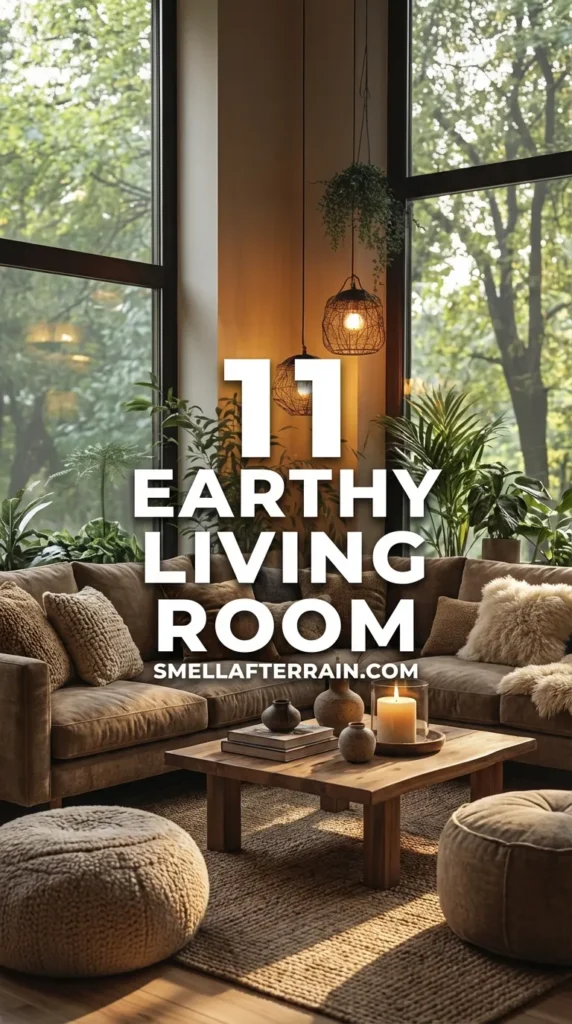
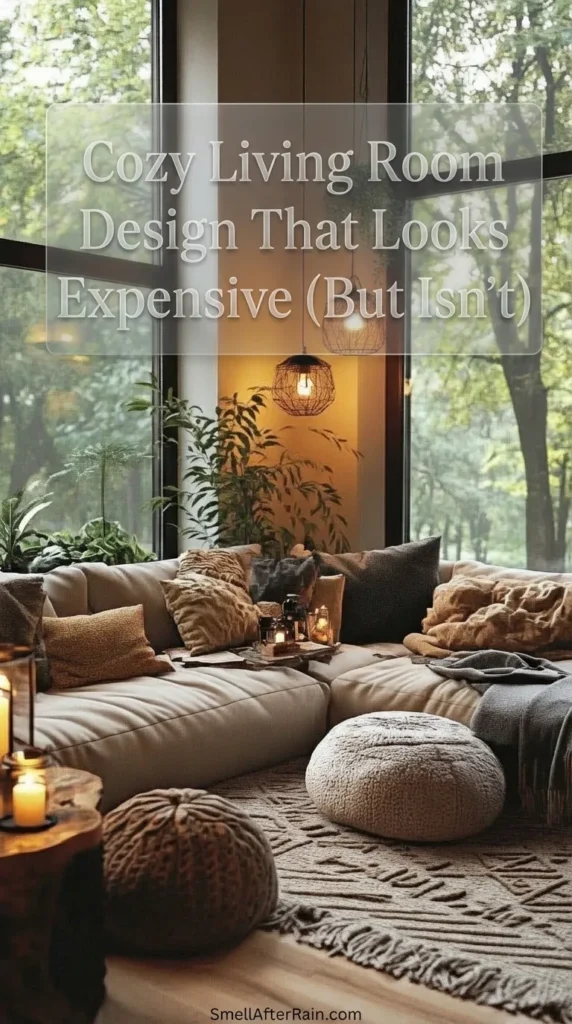
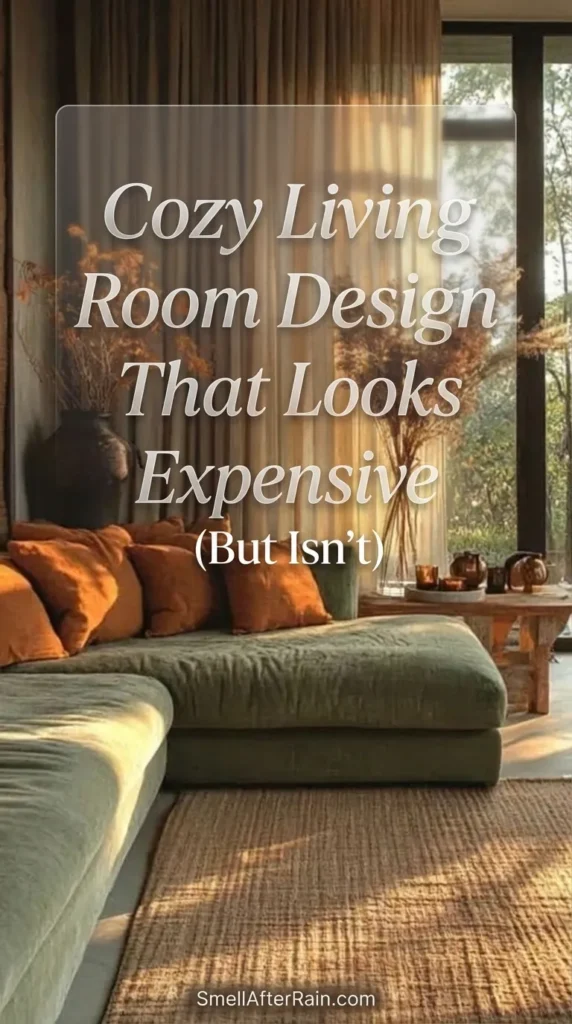
Warm living room ideas start with understanding how color affects perception of luxury. Earthy tones signal richness and sophistication in ways that bright colors cannot replicate. Terracotta, burnt sienna, deep olive, and warm taupe create an apartment aesthetic cozy vibe while appearing more expensive than cool-toned alternatives.
Layering is key to avoiding flatness. Use three shades of the same color family—one dominant wall color, one for larger furniture pieces, and one for accent items. This creates visual depth that tricks the eye into perceiving higher quality.
Avoid these common color mistakes that cheapen your space:
- Using pure white walls without warm undertones (creates a sterile hospital feel)
- Matching furniture exactly to wall colors (eliminates dimension)
- Choosing trendy colors that date quickly instead of timeless neutrals
- Ignoring natural light direction when selecting paint (cool light needs warm colors to balance)
Texture Layering: The Luxury Illusion
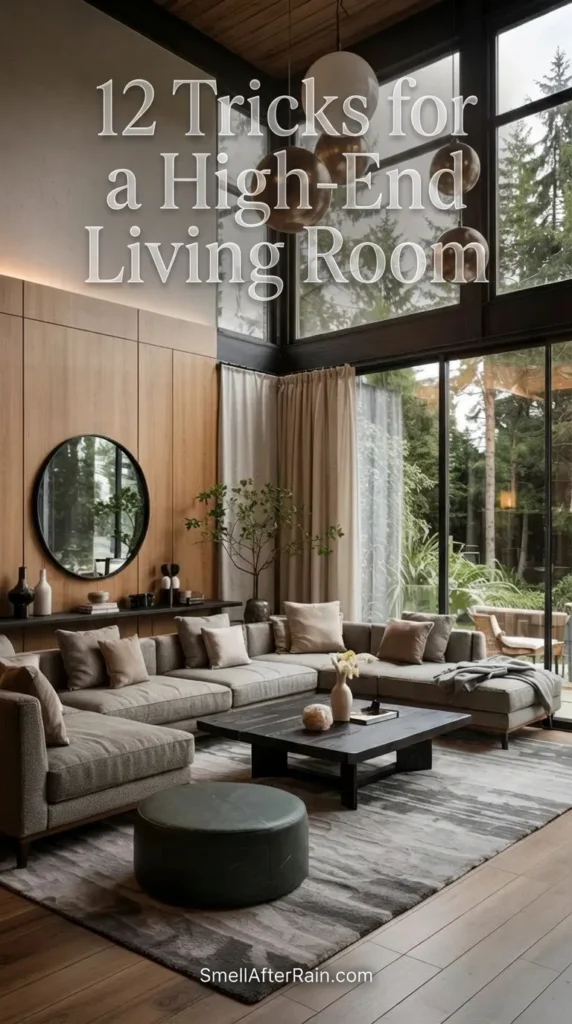
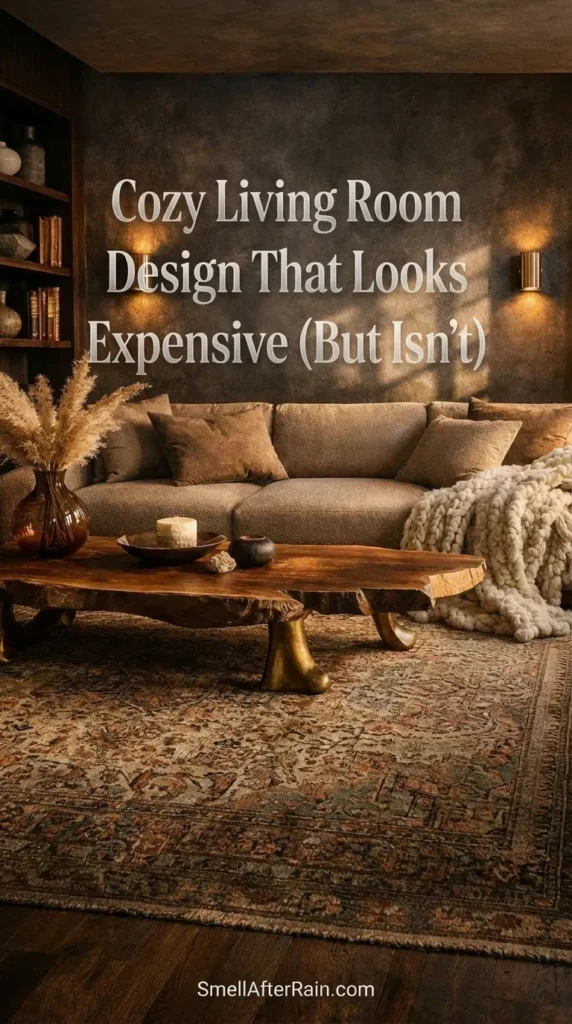
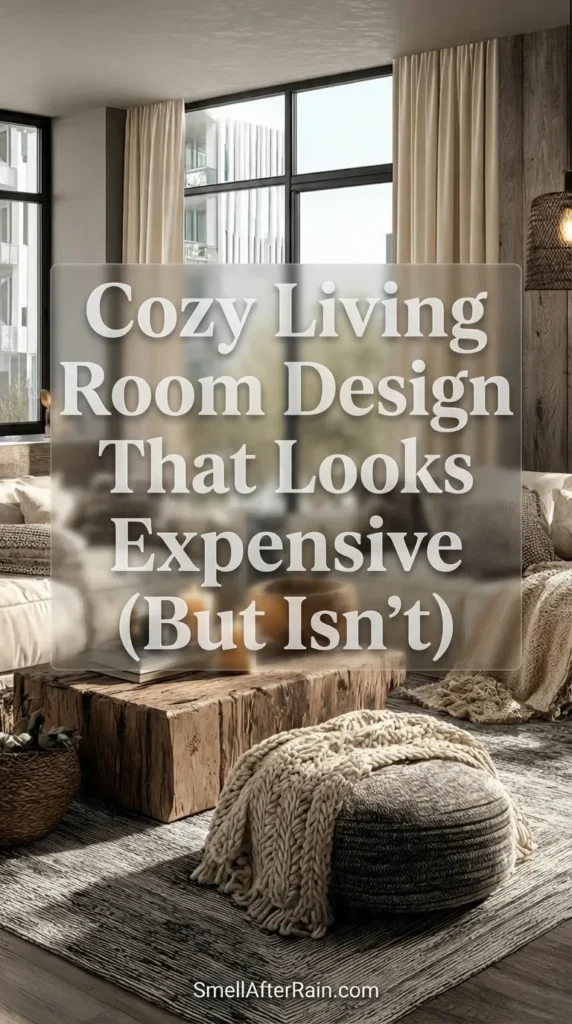
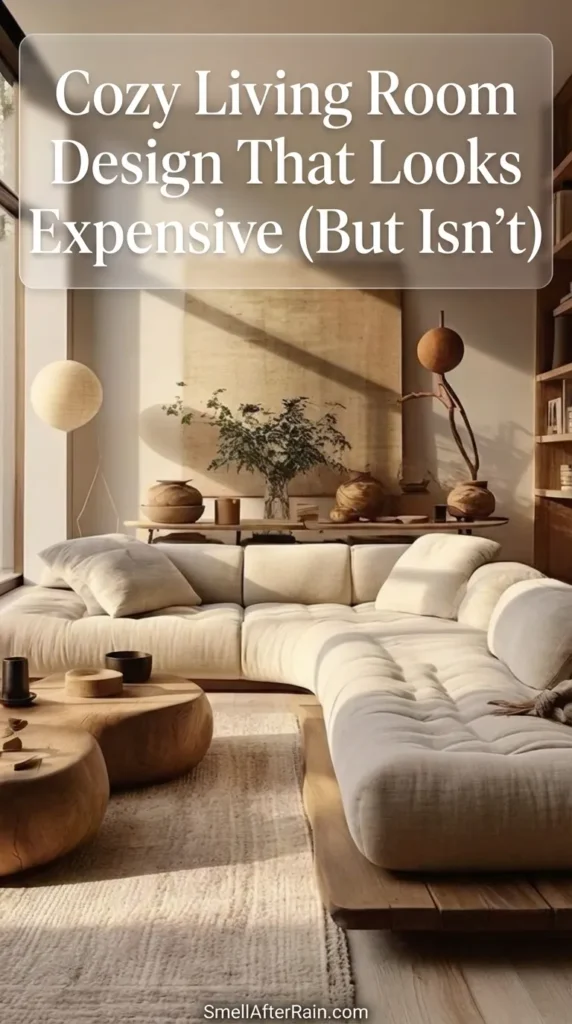
High-end living room decor cozy spaces always feature multiple texture types in close proximity. This is the fastest way to add perceived value without spending more. Combine at least four different textures in your seating area: linen, velvet, wood, and metal or stone.
Budget-friendly texture upgrades include chunky knit throws ($25-40), textured pillow covers in various weaves, and jute or wool rugs. These items photograph well and feel luxurious to the touch. The cosy living room ideas that perform best on platforms like Pinterest always showcase visible texture contrast.
Strategic Textile Choices
Natural fibers automatically elevate your space. Cotton-linen blends, wool, and even well-made synthetic velvets outperform cheaper polyester alternatives. When selecting throw pillows, choose covers with visible weave patterns or subtle sheen rather than flat cotton prints.
Curtains deserve special attention. Floor-length panels in heavyweight fabric (even affordable options from home stores) create vertical lines that make ceilings feel higher. Hang curtain rods as close to the ceiling as possible and let fabric pool slightly on the floor for an effortless, expensive look.
Furniture Arrangement Principles
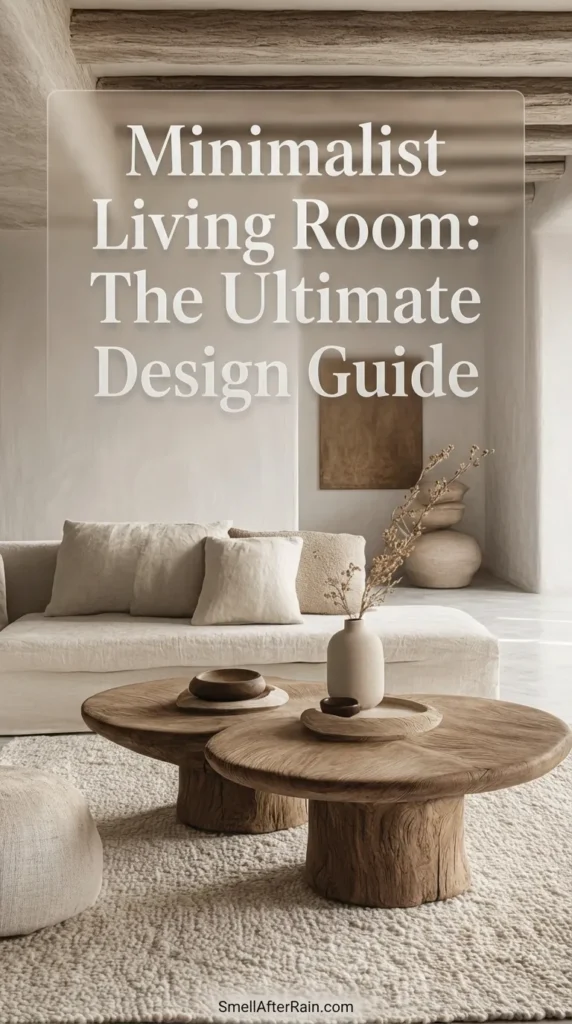
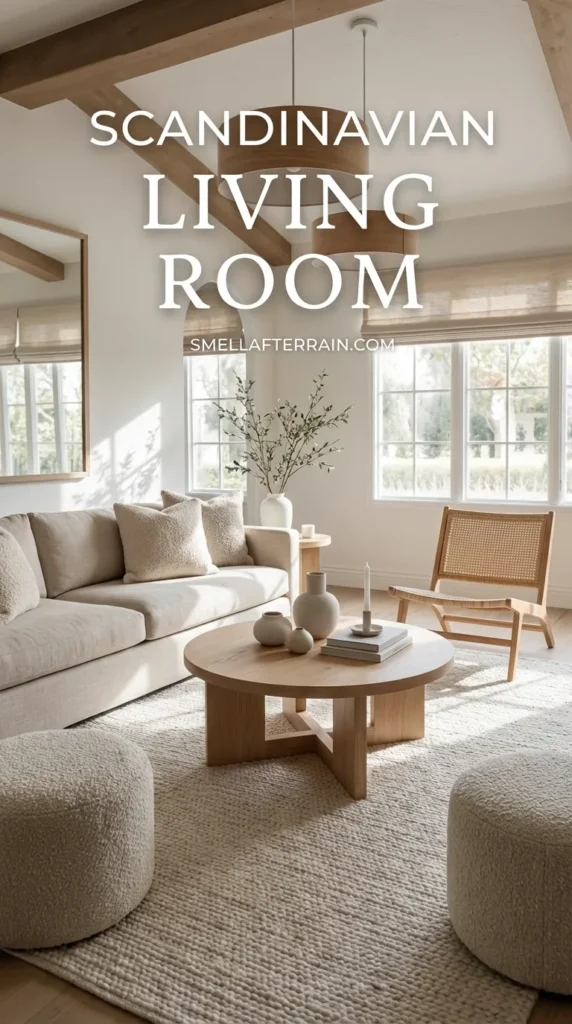
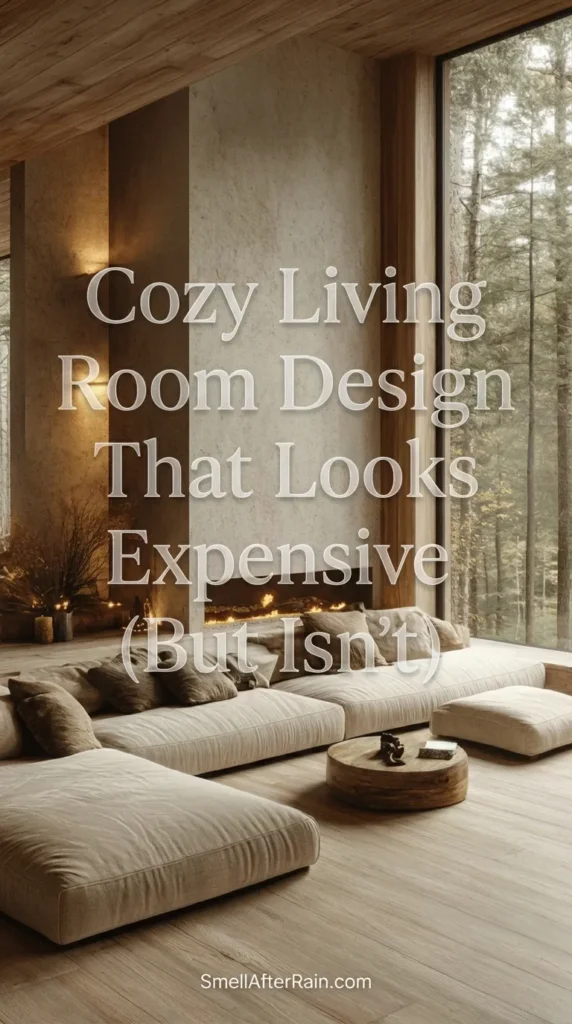
A minimalist living room layout creates breathing room that signals luxury. Furniture pushed against walls screams budget constraints, while floating arrangements suggest you have space to spare. Pull your sofa at least 12 inches from the wall and create conversation zones with angled chairs.
The 60-30-10 rule applies to furniture scale as well as color. Sixty percent of your visual weight should come from one large anchor piece (typically the sofa), thirty percent from medium items (chairs, side tables), and ten percent from small accents. This proportion feels professionally designed.
Creating Focal Points
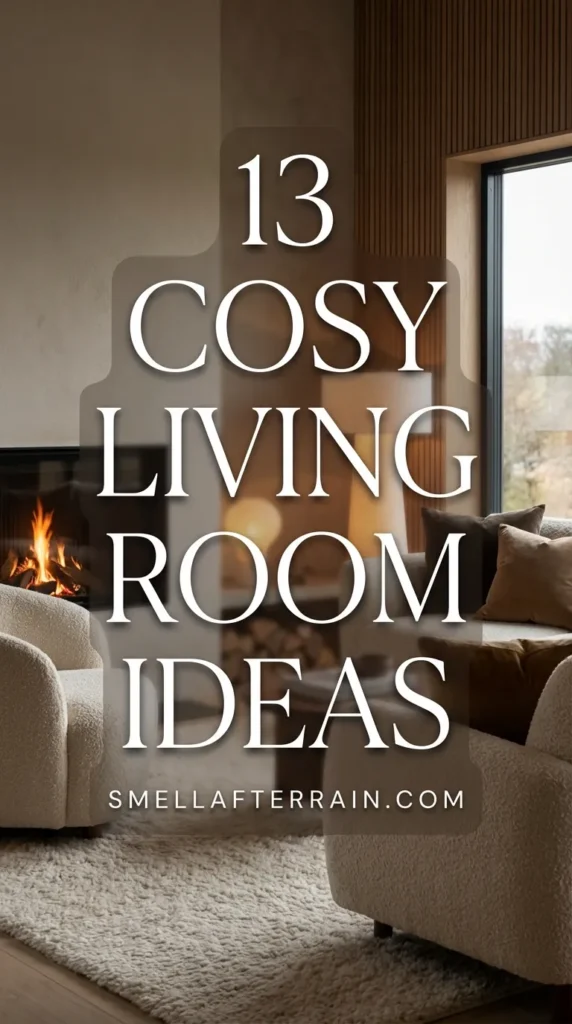
Every cozy living room aesthetic needs a clear focal point that draws the eye immediately. This could be a fireplace, a large piece of art, or a statement media console. Arrange seating to face this focal point, creating intentional flow.
Avoid competing focal points. If you have both a fireplace and a large TV, choose one as primary and minimize the other’s visual impact. Luxury spaces feel curated, not cluttered with multiple attention-grabbing elements.
Lighting: The Non-Negotiable Upgrade
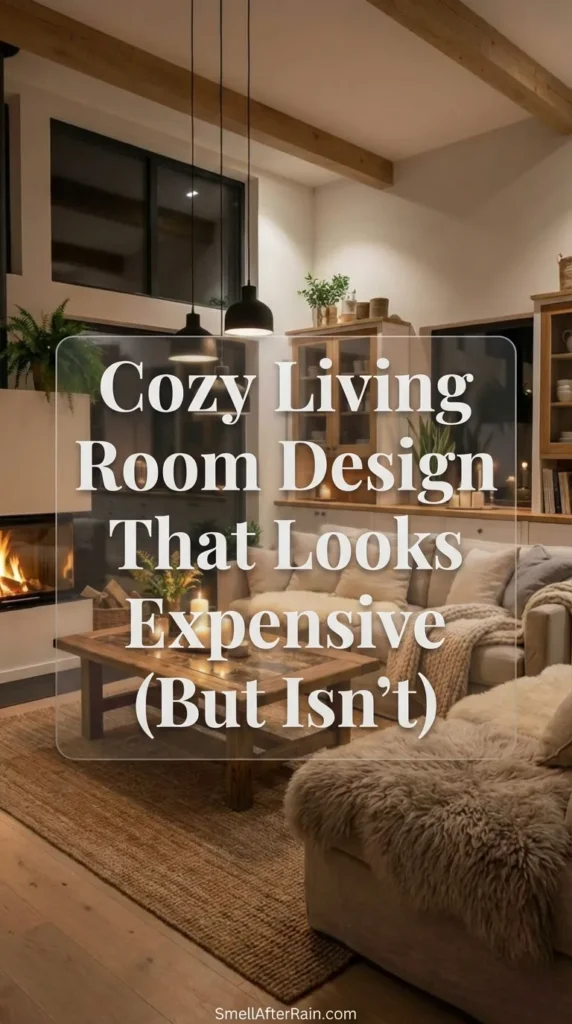
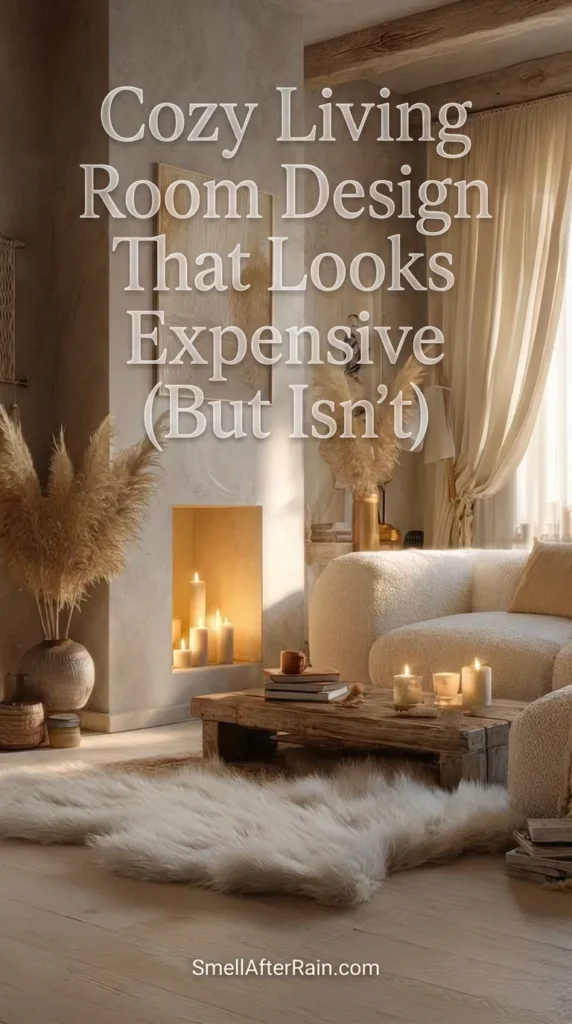
Overhead lighting alone will ruin even the best-designed space. Warm living room ideas require layered lighting at multiple heights: ambient (overhead), task (reading lamps), and accent (picture lights, LED strips). Aim for at least three separate light sources that can be controlled independently.
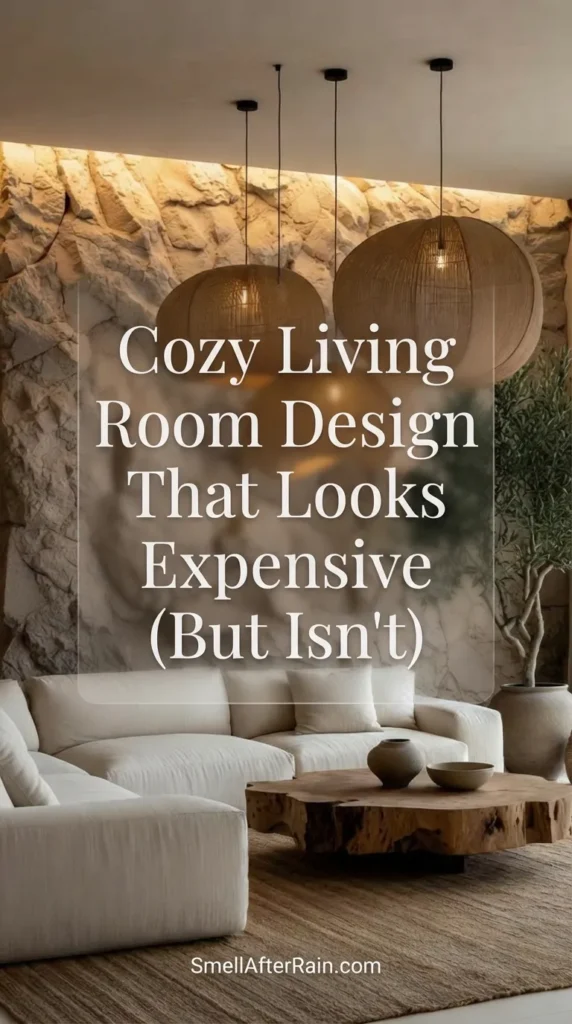
Swap out builder-grade light fixtures first. A modern pendant or semi-flush mount fixture costs $80-150 but reads as a $500 upgrade. Choose warm white bulbs (2700-3000K) exclusively—cool white lighting makes spaces feel commercial and cheap.
- Table lamps with fabric shades diffuse light more luxuriously than exposed bulbs
- Floor lamps with arched designs add architectural interest without permanent installation
- Dimmer switches ($15 each) let you adjust ambiance for different times of day
- LED strip lights behind furniture create a floating effect that photographs beautifully
The Art of Strategic Styling
Minimalist styling paradoxically makes spaces look more expensive than over-decorated ones. The modern cozy living room features carefully curated items with generous negative space around them. Display only items that serve a purpose or hold genuine meaning—every object should earn its place.
Use the rule of three when arranging decorative objects. Group items in odd numbers (three candles, five books, one large plant with two smaller ones). Vary heights dramatically for visual interest, ensuring at least 6 inches of height difference between grouped items.
Books as Design Elements
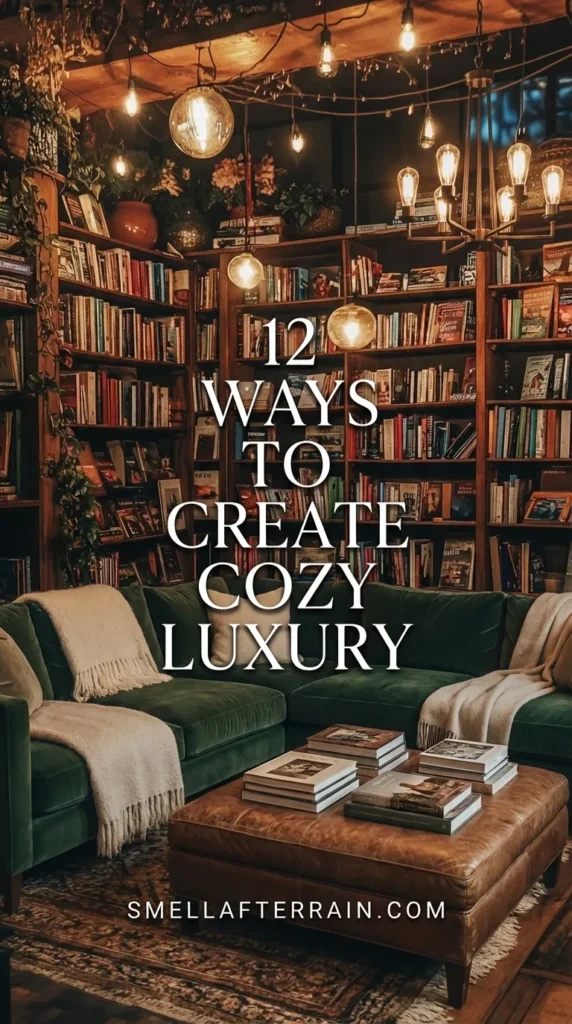
Coffee table books are the easiest luxury signal. Even budget-friendly options from discount stores create an instant designer effect when stacked horizontally with a small object on top. Choose books with neutral spines or turn them backward for a cohesive look.
Built-in or standalone bookshelves should follow the 70/30 rule: seventy percent filled, thirty percent empty space. This prevents the cluttered look that diminishes perceived value. Organize books by color or size for visual calm.
Budget-Friendly Material Swaps
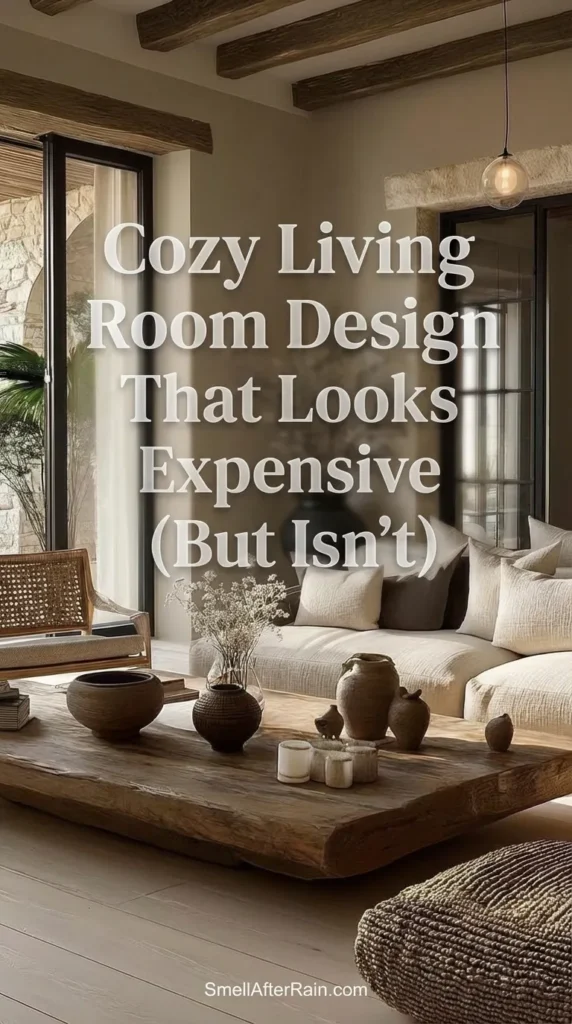
Certain materials code as expensive regardless of actual cost. Learn to identify and prioritize these in your living room ideas. Wood tones, especially walnut and oak, always appear more valuable than painted furniture. Look for laminate or veneer pieces that mimic real wood grain convincingly.
Metal finishes matter more than you think. Brushed brass, matte black, and aged bronze all read as higher-end than shiny chrome or silver. Swap out hardware on existing furniture (drawer pulls, lamp bases) for an instant upgrade that costs under $50.
Rug Selection Strategy
Large area rugs anchor living room decor cozy schemes and make rooms feel intentionally designed. The biggest mistake is buying too small—your rug should fit under at least the front legs of all seating furniture. An 8×10 or 9×12 rug is usually minimum for standard living rooms.
Natural fiber rugs (jute, sisal, wool blends) appear more expensive than synthetic options and wear better over time. If budget is tight, layer a smaller expensive-looking rug over a larger neutral one for dimension and perceived luxury.
Wall Treatment Techniques
Empty walls broadcast “unfinished space” more than any other design element. The earthy living room trend embraces large-scale art, gallery walls, or architectural elements like board-and-batten or picture frame molding. These upgrades require more time than money.
Oversized art (real or printed) makes a stronger impact than collections of small frames. A single 40×60 inch canvas commands attention and suggests you invested in your space. Sites offer affordable prints that look custom when properly framed and matted.
DIY Architectural Details
Adding dimension to flat walls creates instant luxury. Simple DIY projects include installing picture rail molding, creating an accent wall with peel-and-stick wallpaper, or building floating shelves with substantial brackets. These modifications require basic tools but deliver professional results.
Vertical shiplap or board-and-batten treatments cost $100-200 in materials for an accent wall but appear as custom millwork. Paint these treatments in the same color as surrounding walls for subtle texture, or use a shade darker for definition.
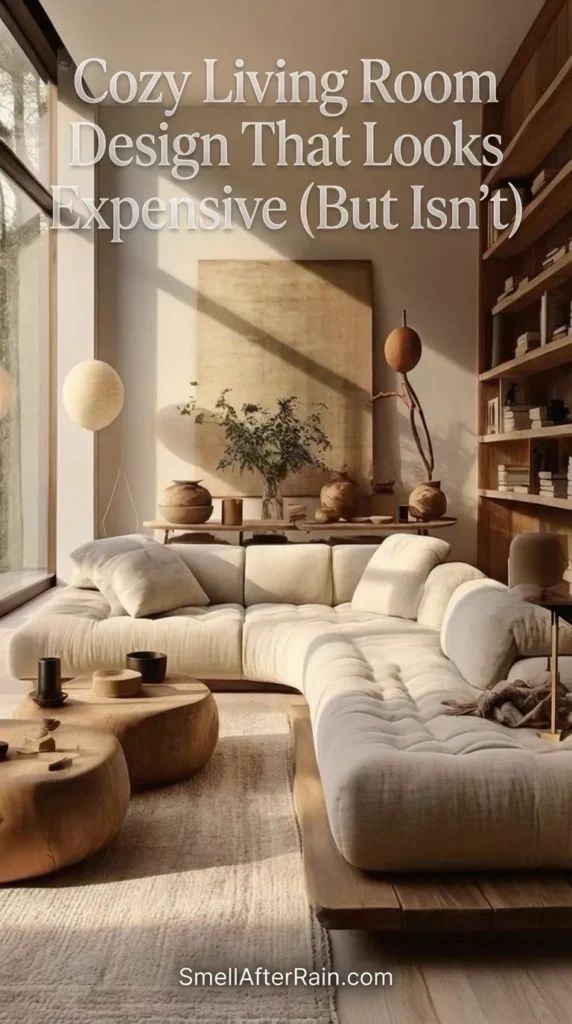
Plant Strategy for Living Spaces
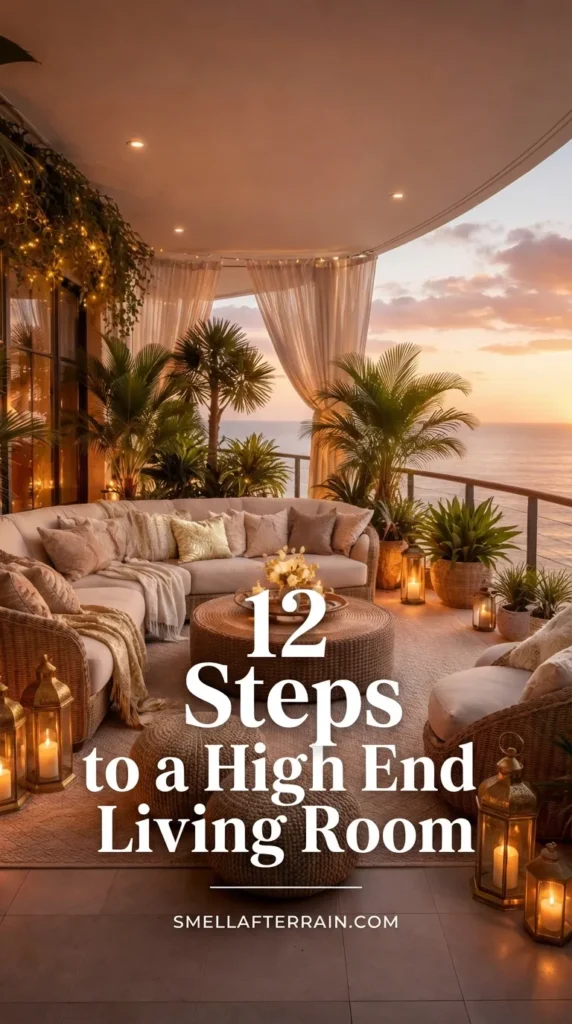
Living plants are the most cost-effective luxury addition to any apartment aesthetic cozy design. Large-scale greenery (fiddle leaf figs, birds of paradise, monstera) creates height and drama for $30-80 per plant. They signal that you care for your space and have the lifestyle to maintain living things.
Use substantial planters that complement your color scheme. Terracotta, ceramic, and textured concrete pots look far more expensive than plastic alternatives. Elevate plants on stands to create varied heights and fill empty floor space without adding furniture.
- Place large plants in corners to soften hard architectural lines
- Cluster three plants of different heights near windows for a lush, layered look
- Choose low-maintenance varieties (pothos, snake plants, ZZ plants) if you’re new to plant care
- Use plant stands or stools to display medium plants at eye level on side tables
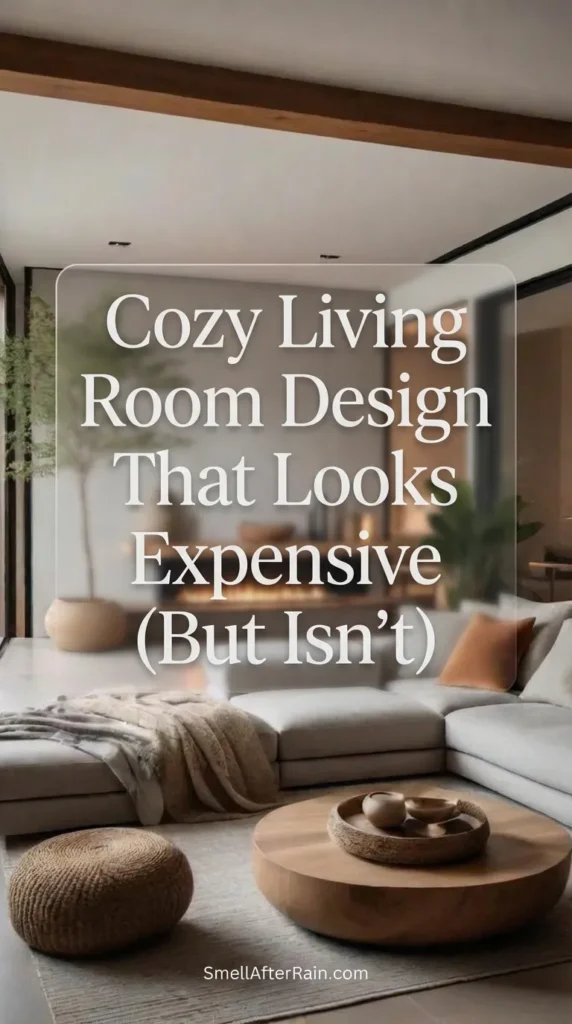
Window Treatment Elevation
Windows dressed poorly undermine every other design choice. Cozy living room aesthetic spaces require substantial window treatments that frame views properly. Floor-length curtains should just kiss the floor or puddle slightly—never hang 2-3 inches above the floor, which looks unintentional.
Install curtain rods 4-6 inches above the window frame and extend them 8-12 inches beyond each side. This makes windows appear larger and lets in maximum light when curtains are open. Choose curtain panels that are 2-3 times the width of your window for proper fullness.
Layering Window Treatments
Combining sheer curtains with heavier drapes creates depth and functionality. Sheers filter light during the day while maintaining privacy, and outer drapes add texture and warmth. This layered approach appears custom and expensive compared to single panels.
Roman shades or woven blinds add architectural interest inside the window frame, while curtains provide softness outside the frame. This combination offers light control options and visual richness that single treatments cannot match.
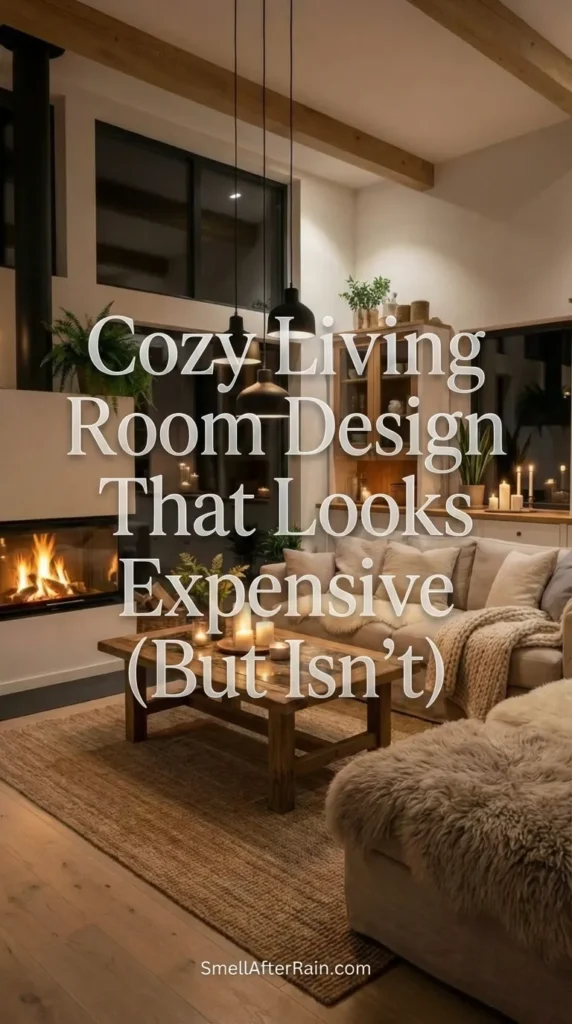
Common Mistakes That Cheapen Your Space
Even with quality items, certain arrangements or choices broadcast “budget design.” Avoid pushing all furniture against walls—this creates a bowling alley effect that makes rooms feel awkward. Floating furniture creates zones and suggests abundant square footage.
Matching furniture sets look staged and inexpensive. Mix wood tones, styles, and eras for a collected-over-time aesthetic that designers favor. Your sofa and chairs don’t need to match—they should coordinate through color, scale, or style elements instead.
- Too many small decorative items create visual clutter (edit ruthlessly to your top favorites)
- Visible cords and cables distract from otherwise polished spaces (use cord management solutions)
- Seasonal decor left out year-round appears dated (rotate items with intention)
- Artwork hung at the wrong height (center should be 57-60 inches from the floor)
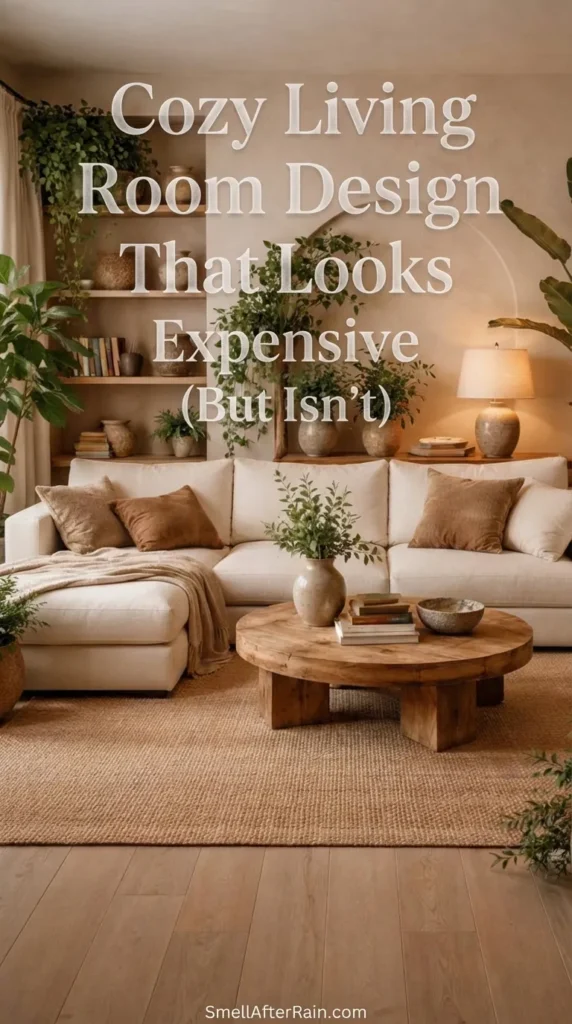
Creating Zones in Open Spaces
Modern cozy living rooms often exist within open floor plans. Define your living area clearly using rugs, furniture arrangement, and lighting. A substantial area rug marks territory and unifies seating pieces into one functional zone separate from dining or kitchen areas.
Use the back of your sofa as a divider in open layouts. A console table behind the sofa creates a physical boundary while providing surface space for lamps and decor. This technique adds architectural definition without building walls.
The Five-Senses Approach
Truly cosy living room ideas engage multiple senses beyond the visual. Invest in sensory details that make your space feel expensive: quality candles with natural scents, soft throws you actually want to touch, and subtle background sound from a quality speaker system.
Temperature comfort matters more than people realize. A small space heater or fan maintains ideal comfort, making guests want to linger. These functional items can also serve as design objects when chosen with aesthetics in mind.
Scent as a Luxury Signal
High-end spaces have signature scents. Use reed diffusers, candles, or essential oil diffusers to create an olfactory experience. Avoid artificial air fresheners—opt for natural scents like sandalwood, cedar, fig, or amber that smell expensive and sophisticated.
Rotate scents seasonally to keep your space feeling fresh. Lighter florals and citrus work for warm months, while woody and spicy scents suit cooler seasons. Consistency matters—use the same scent family throughout your home for cohesion.
Maintenance Habits That Preserve the Look
A well-maintained space always appears more valuable. Establish simple routines: fluff pillows daily, fold throws neatly after use, and dust surfaces weekly. These small actions maintain the styled appearance that makes rooms photograph-ready at any moment.
Invest in furniture-appropriate cleaning supplies. Wood polish, fabric freshener, and glass cleaner keep surfaces looking new. Stains and wear patterns rapidly diminish perceived value, so address spills immediately and rotate cushions regularly.
Frequently Asked Questions
How can I make a small living room look more expensive?
Focus on scale and negative space. Choose one substantial sofa instead of multiple small pieces, use large-scale art, and keep surfaces mostly clear. Mirrors strategically placed opposite windows reflect light and create the illusion of more space. Light colors on walls and furniture make rooms feel larger and more open, which reads as luxurious.
What’s the fastest way to upgrade my living room on a tight budget?
Replace light fixtures first, then add texture through throws and pillows. These changes deliver maximum visual impact for minimal investment. Rearrange existing furniture to float pieces away from walls, and edit out 30% of your current decor items to create breathing room.
Should I follow trends or stick with timeless design?
Build your foundation with timeless neutral pieces, then add trendy elements through easily changed accessories like pillows, throws, and small decor items. This approach lets you refresh your space without expensive overhauls. Classic furniture in neutral colors never looks dated and photographs well across all seasons.
How many accent colors should a cozy living room have?
Stick to one primary accent color beyond your neutral base, with a secondary accent used sparingly. Too many colors create visual chaos that reads as inexpensive. For example: cream walls and sofa (neutral base), terracotta pillows and throw (primary accent), and black metal accents (secondary accent). This restraint appears sophisticated and intentional.
What’s the best way to mix patterns without looking cluttered?
Vary pattern scale dramatically: pair large-scale patterns with small-scale ones, and use a solid as a buffer between competing patterns. Stick to patterns within the same color family for cohesion. Never use more than three patterns in one room, and ensure they share at least one common color.
How do I choose the right size furniture for my space?
Measure your room carefully and create a floor plan before buying anything. Furniture should be proportional—oversized pieces overwhelm small rooms, while undersized furniture makes large rooms feel empty. Leave at least 30 inches of walking space around furniture, and ensure your coffee table sits 14-18 inches from your sofa.
Can I make a rental apartment look expensive with temporary changes?
Absolutely. Focus on removable upgrades: peel-and-stick wallpaper, removable curtain rods, freestanding furniture, and strategic lighting. Layer textiles generously, use command strips for artwork, and invest in one substantial area rug. These elements transform a space without permanent modifications and can move with you.
What’s the ideal lighting temperature for a warm, cozy atmosphere?
Use bulbs in the 2700-3000K range exclusively. This warm white light mimics evening sunlight and makes spaces feel inviting. Avoid anything above 3500K, which feels cold and institutional. Install dimmer switches so you can adjust brightness throughout the day—bright for morning cleaning, dimmed for evening relaxation.
Bringing It All Together
Creating a living room that looks expensive while staying budget-friendly requires understanding the visual shortcuts our brains use to assess quality. Texture, scale, lighting, and intentional negative space all signal luxury more effectively than expensive price tags. For more home design inspiration, explore our guides on bedroom ideas, kitchen ideas, and bathroom ideas.
Start with foundational changes that deliver maximum impact: lighting upgrades, furniture arrangement, and texture layering. These modifications cost little but photograph beautifully and feel luxurious in daily life. Your warm apartment aesthetic should reflect your personal style while incorporating timeless principles that maintain value over trends.
Remember that luxury is a feeling, not a price point. A thoughtfully designed space with quality basics always outperforms a expensive room that lacks cohesion. Focus your budget on items you interact with daily—seating, lighting, and textiles—and save on purely decorative elements.