- What Defines a Minimalist Living Room
- The Minimalist Color Palette Strategy
- Furniture Selection for Minimalist Spaces
- Material Choices That Elevate Your Space
- Small Living Room Decor Strategies
- Lighting Design in Minimalist Spaces
- The Minimalist Approach to Decor and Accessories
- Nordic Living Room Influence
- Storage Solutions That Disappear
- Common Mistakes to Avoid
- Connecting Your Minimalist Vision Throughout Your Home
- Frequently Asked Questions About Minimalist Living Rooms
Your minimalist living room should feel like a breath of fresh air, not a sterile showroom. The secret to achieving that perfect balance between aesthetic living room beauty and functional comfort lies in understanding the core principles of minimalist interior design. This comprehensive guide will transform how you approach small living room decor and modern living room decor, proving that less truly is more.
Whether you’re working with a compact space or a generous floor plan, minimalist design principles create rooms that breathe. The philosophy behind a simple living room isn’t about deprivation—it’s about intentionality. Every piece you choose should serve a purpose while contributing to the overall visual harmony of your space.
What Defines a Minimalist Living Room
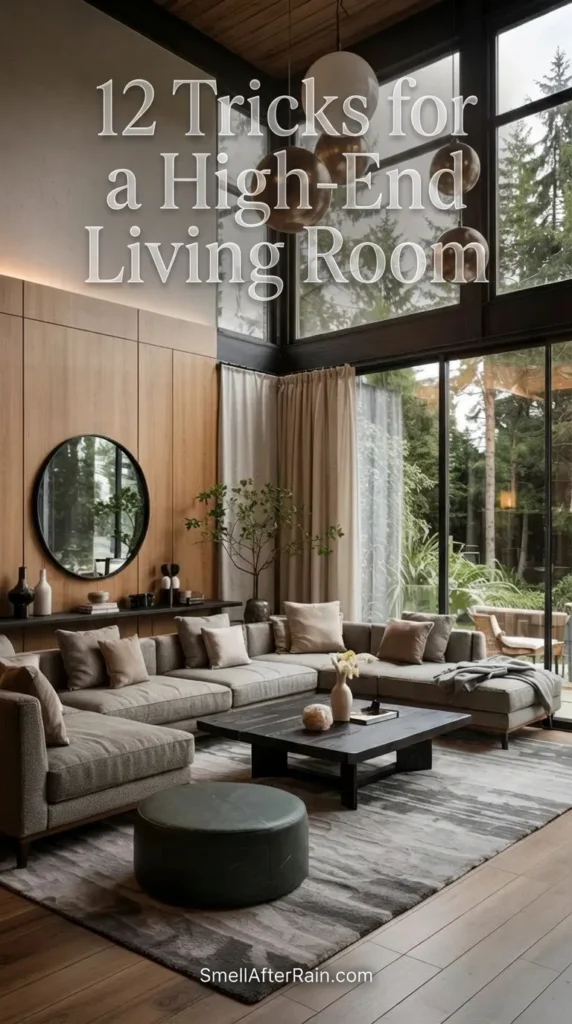
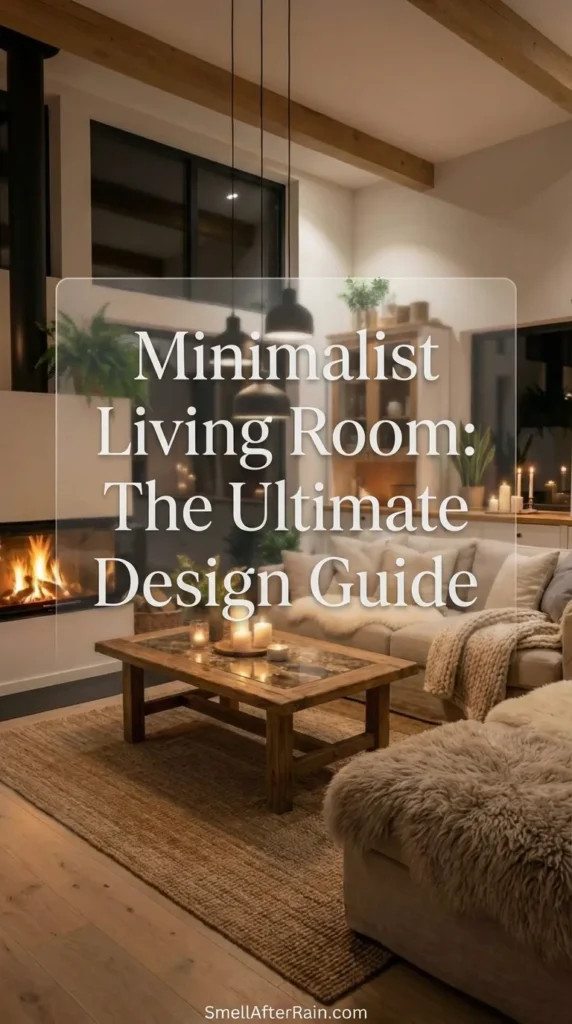
A minimalist living room strips away the unnecessary to highlight what truly matters. This design approach focuses on clean lines, neutral palettes, and carefully curated furnishings that serve both form and function. The result is a contemporary living room that feels spacious, calming, and timelessly elegant.
The foundation of minimalist interior design rests on three pillars: simplicity, functionality, and quality. Unlike cluttered spaces that overwhelm the senses, a well-executed minimalist space allows your eye to travel freely. Natural light becomes a design element in itself, and negative space transforms into an intentional feature rather than an afterthought.
Core Elements of Minimalist Design
Understanding the essential components helps you create an authentic aesthetic living room. These elements work together to achieve that coveted modern elegant living room look without feeling cold or unwelcoming.
- Clean architectural lines that define the space without dominating it
- A restrained color palette anchored by neutrals with strategic accent opportunities
- High-quality materials that prioritize texture over pattern
- Functional furniture with streamlined silhouettes
- Abundant natural light enhanced by thoughtful window treatments
- Intentional negative space that allows the room to breathe
The Minimalist Color Palette Strategy
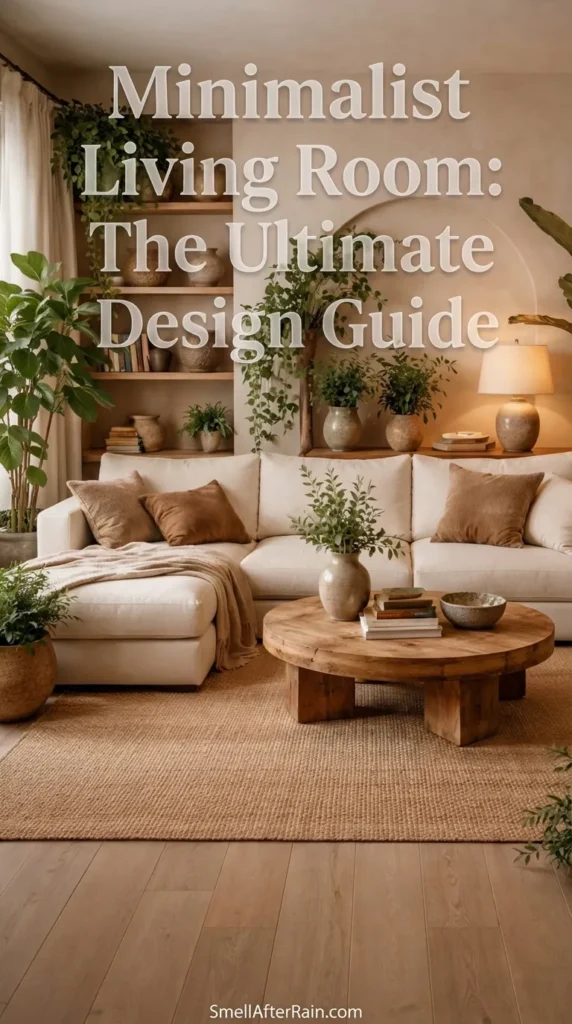
Color choices make or break your minimalist living room vision. The most successful cozy living room design schemes start with a neutral base—think soft whites, warm grays, or gentle beiges. These foundational tones create a serene backdrop that never competes with your furnishings or architectural features.
But neutral doesn’t mean boring. Layering different shades of the same color family adds depth and visual interest. Consider how a crisp white wall interacts with an ivory sofa and cream textured throw—the subtle variations create richness without complexity.
Adding Warmth Without Clutter
A common misconception is that minimalist spaces must feel cold. The truth is that warmth comes from material choices and thoughtful layering, not from accumulating decorative objects. Natural wood tones instantly soften a contemporary living room while maintaining clean lines.
Incorporate warm metals like brass or bronze through lighting fixtures and hardware. These metallic accents catch light beautifully and add a rich living room quality without overwhelming the space. The key is selecting a single metal finish and using it consistently throughout the room.
Furniture Selection for Minimalist Spaces
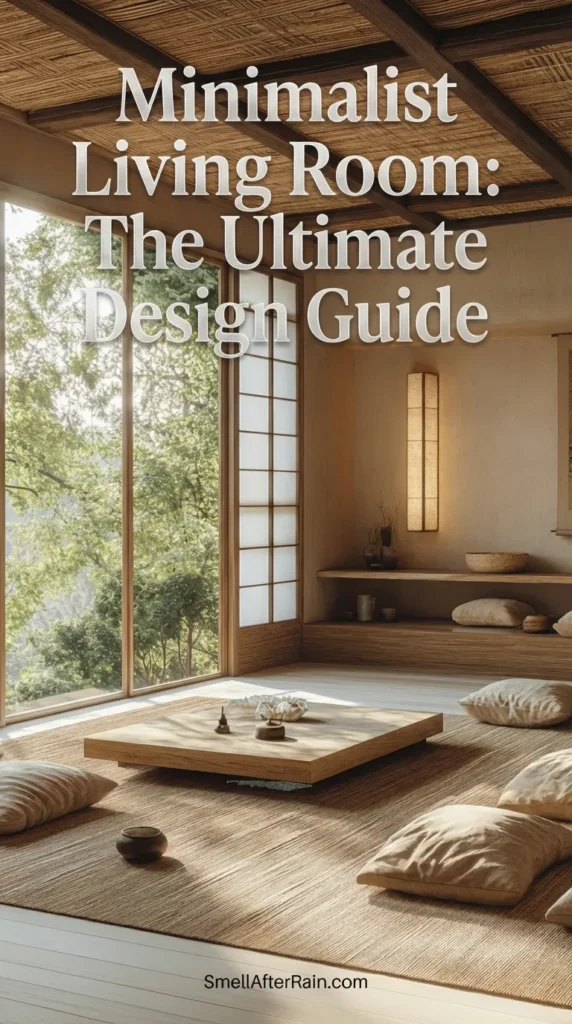
Every piece of furniture in your minimalist living room should justify its presence. Start with the essentials: a sofa, seating for guests, and functional storage. Avoid the temptation to fill every corner—negative space is a design feature, not a problem to solve.
Choose furniture with exposed legs rather than skirted pieces. This simple trick creates visual lightness and makes even substantial furniture feel less heavy. Low-profile sofas and chairs maintain sight lines across the room, making the space feel more expansive.
The Art of Multi-Functional Furniture
For small living room decor challenges, multi-functional pieces become your best allies. An ottoman with hidden storage serves as extra seating, a coffee table, and a concealed organization solution. Nesting tables provide surface area when needed and disappear when you want more open floor space.
Consider furniture that serves your lifestyle without announcing its practicality. A sleek console behind your sofa adds surface space without blocking circulation. Built-in shelving eliminates the need for freestanding bookcases while creating architectural interest.
Material Choices That Elevate Your Space
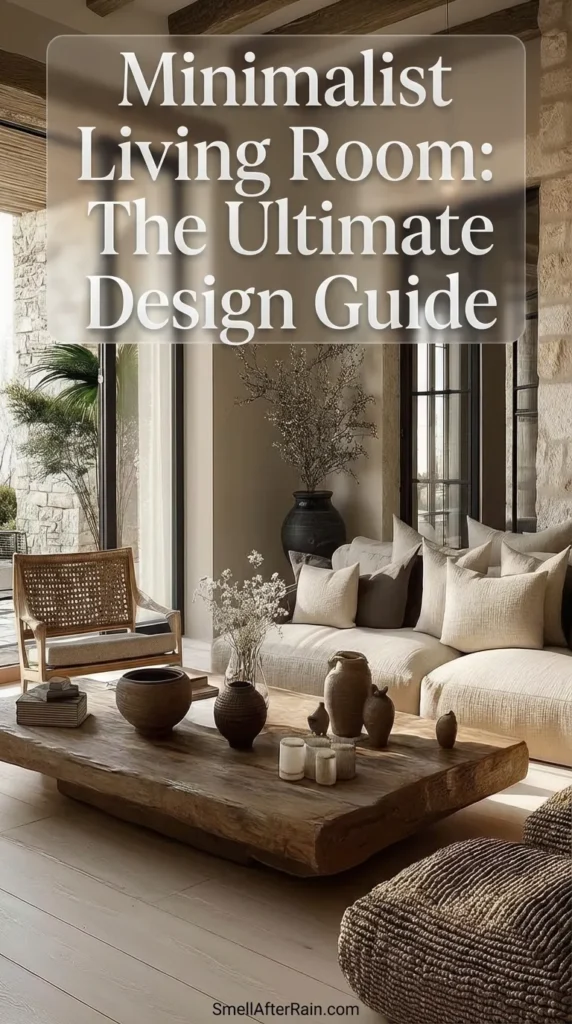
Material selection separates amateur attempts from truly modern living room decor success. Natural materials like wood, stone, linen, and wool bring organic warmth and textural variety to minimalist spaces. These materials age beautifully and develop character over time rather than simply wearing out.
Contrast smooth surfaces with textured ones to create tactile interest. A polished marble coffee table gains depth when paired with a nubby wool rug. Smooth leather seating becomes more inviting alongside chunky knit throws.
Texture Over Pattern
While patterns can work in minimalist spaces, texture provides visual interest without the busy-ness patterns often introduce. A bouclé sofa, linen curtains, and a jute rug create layers of texture that feel intentional yet understated. This approach maintains the calm atmosphere essential to minimalist interior design.
When you do incorporate pattern, keep it subtle and geometric. A simple stripe or grid maintains the clean aesthetic while adding dimension. Limit yourself to one patterned element per room to avoid visual competition.
Small Living Room Decor Strategies
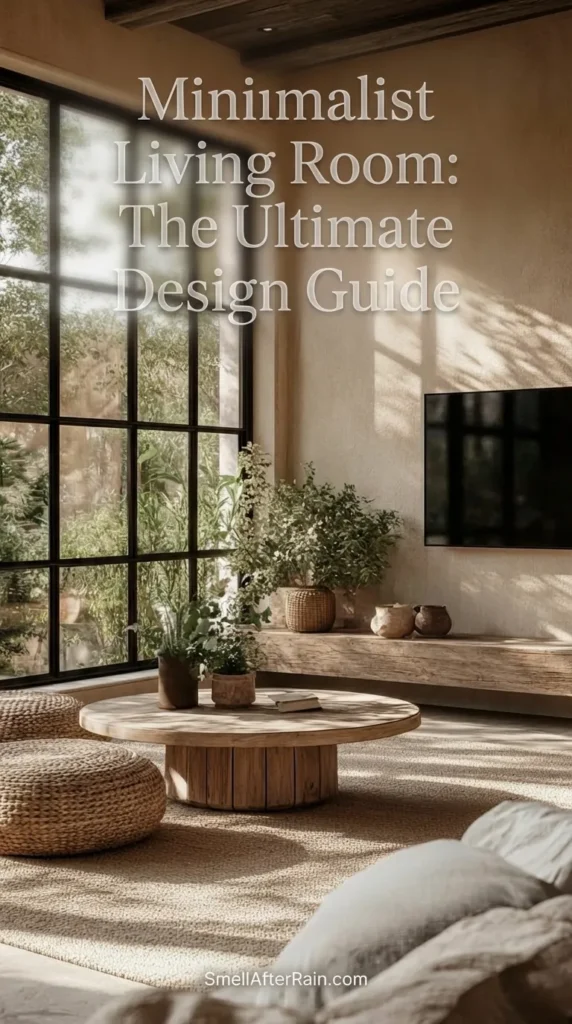
Minimalism thrives in compact spaces where every item must earn its place. The challenge isn’t making a small room feel minimalist—it’s ensuring your minimalist approach doesn’t make the space feel empty or unwelcoming. Strategic choices create a cozy living room design that feels intentional rather than sparse.
Scale becomes crucial in smaller spaces. Oversized furniture can actually work better than expected—one substantial sofa creates more impact than several small pieces. The key is leaving breathing room around each piece rather than pushing everything against walls.
Maximizing Vertical Space
When floor space is limited, look upward. Tall, narrow shelving draws the eye up and creates storage without consuming valuable square footage. Wall-mounted lighting eliminates the need for floor lamps and side tables, freeing up circulation space.
Floating furniture—like wall-mounted consoles or suspended cabinets—creates the illusion of more floor space. This simple trick makes even the smallest room feel less cramped. Just ensure these pieces are securely installed to handle their intended use.
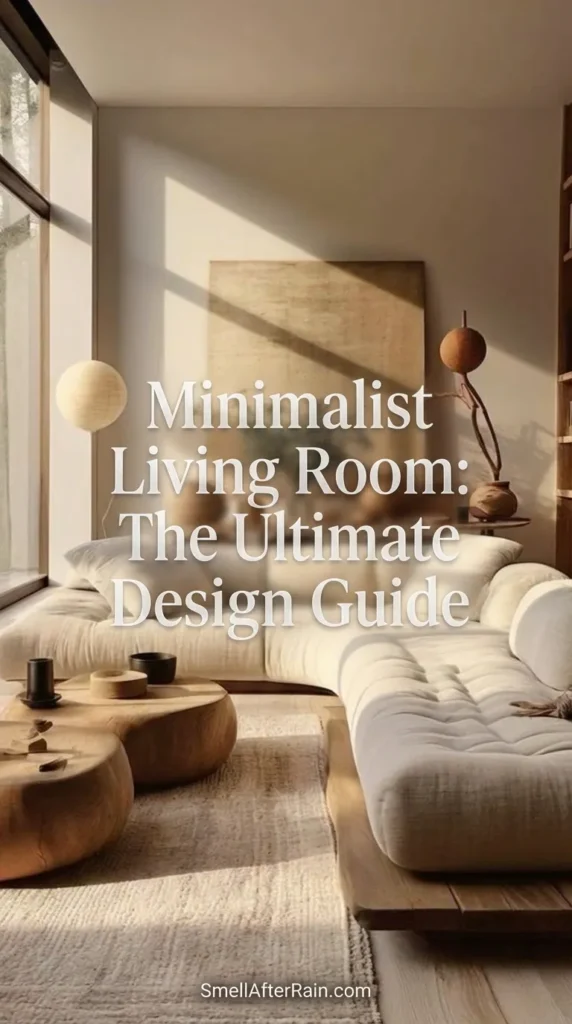
Lighting Design in Minimalist Spaces
Lighting transforms a simple living room from stark to sophisticated. Layer different light sources to create flexibility and ambiance. Start with overhead lighting, add task lighting where needed, and incorporate ambient lighting for warmth.
Natural light should be maximized through minimal window treatments. Sheer linen curtains filter harsh sunlight while maintaining brightness. For privacy, consider cellular shades that disappear when raised or simple roller blinds in neutral tones.
Choosing Minimalist Light Fixtures
Light fixtures in a minimalist living room should be sculptural yet understated. A single statement pendant can serve as your room’s focal point while providing essential illumination. Alternatively, recessed lighting creates a clean ceiling line and allows other elements to shine.
Consider the quality of light itself. Warm white bulbs (2700-3000K) create inviting ambiance, while cooler temperatures feel too clinical for residential spaces. Dimmers give you control over mood and functionality throughout the day.
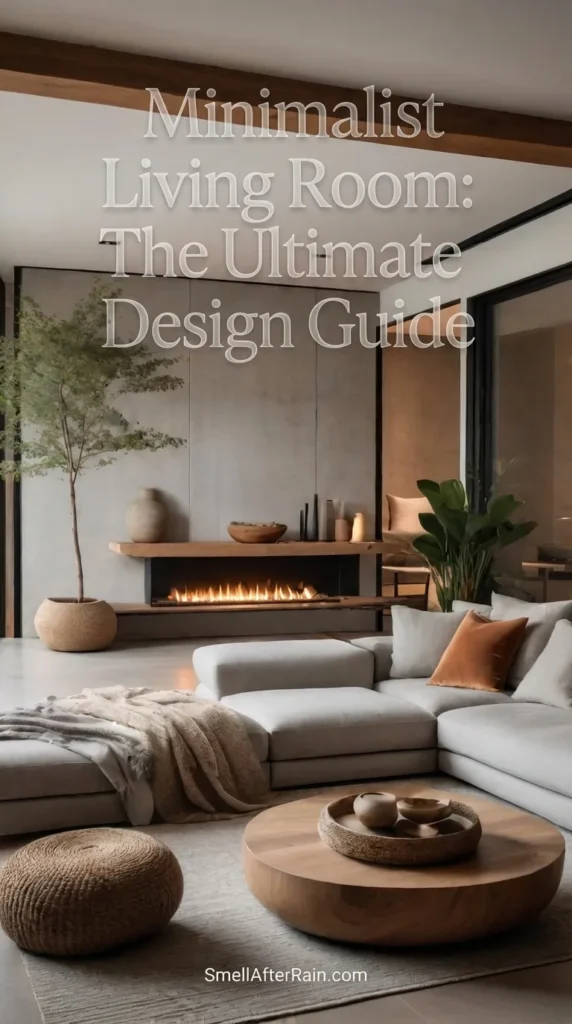
The Minimalist Approach to Decor and Accessories
This is where many people struggle with minimalist living room design. The “less is more” philosophy doesn’t mean eliminating personality—it means being highly selective about what you display. Each decorative element should feel meaningful and contribute to the overall composition.
Quality trumps quantity every time. One large-scale piece of art creates more impact than a gallery wall of smaller prints. A single sculptural vase makes a stronger statement than a collection of trinkets. This restraint allows each item to be fully appreciated.
Bringing Life Into the Space
Plants are the minimalist decorator’s secret weapon. Greenery adds life, color, and organic form without cluttering the space. Choose plants with interesting architectural shapes—a fiddle leaf fig, snake plant, or monstera—and display them in simple ceramic or concrete planters.
Limit yourself to a few well-placed plants rather than creating an indoor jungle. Three to five plants of varying heights create visual interest without overwhelming the space. Remember that in minimalist design, even living elements should be thoughtfully curated.
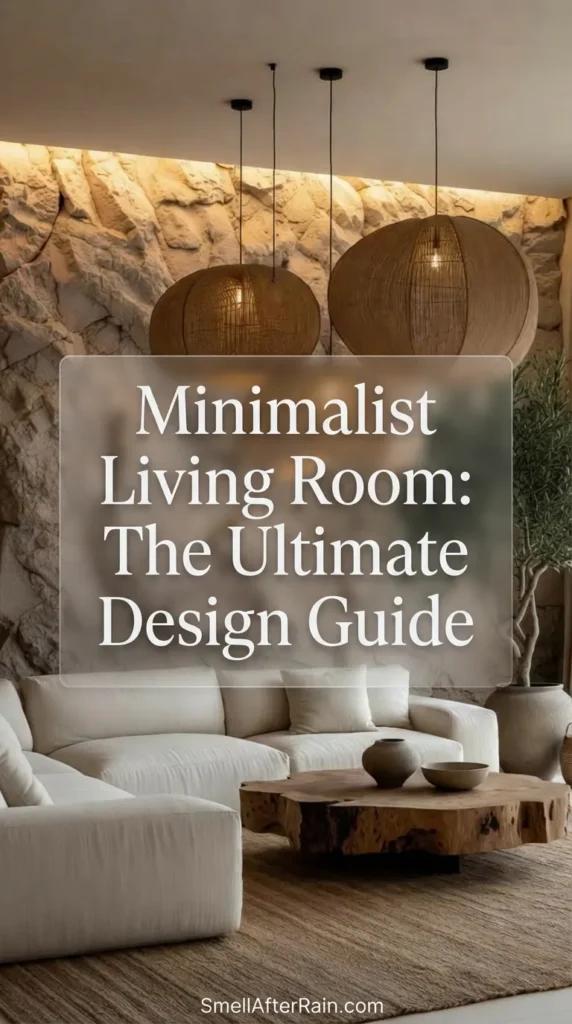
Nordic Living Room Influence
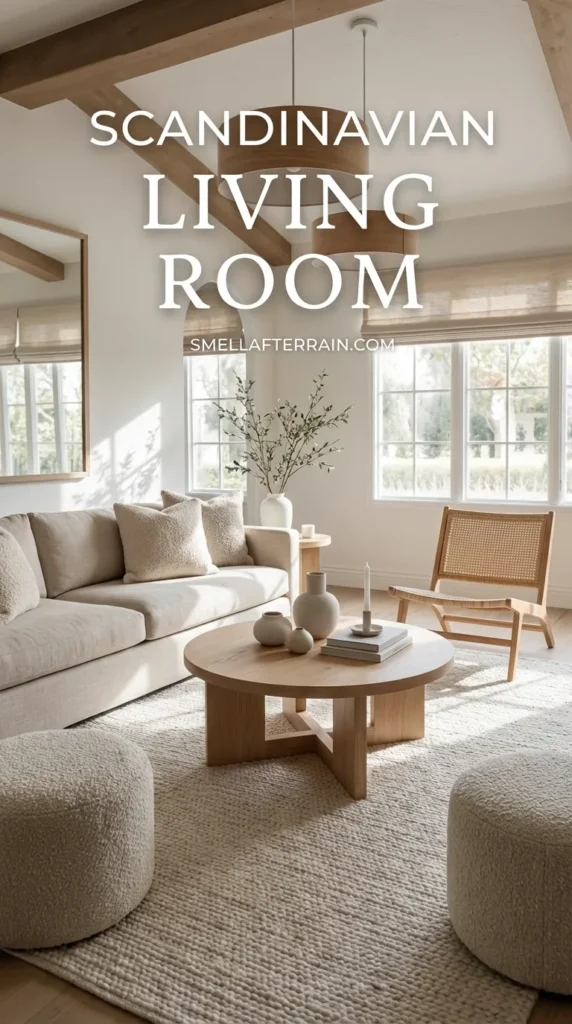
The Nordic living room aesthetic shares DNA with minimalism but adds warmth through specific material and color choices. Scandinavian design embraces light woods, particularly oak and birch, which bring warmth without visual weight. This approach creates a cozy living room design that still feels clean and uncluttered.
The Nordic palette expands slightly beyond strict minimalism, welcoming soft pastels and muted earth tones. Dusty blue, sage green, and warm terracotta can appear as accent colors while maintaining the serene atmosphere. These subtle color additions prevent the space from feeling too austere.
Hygge Elements in Minimalist Design
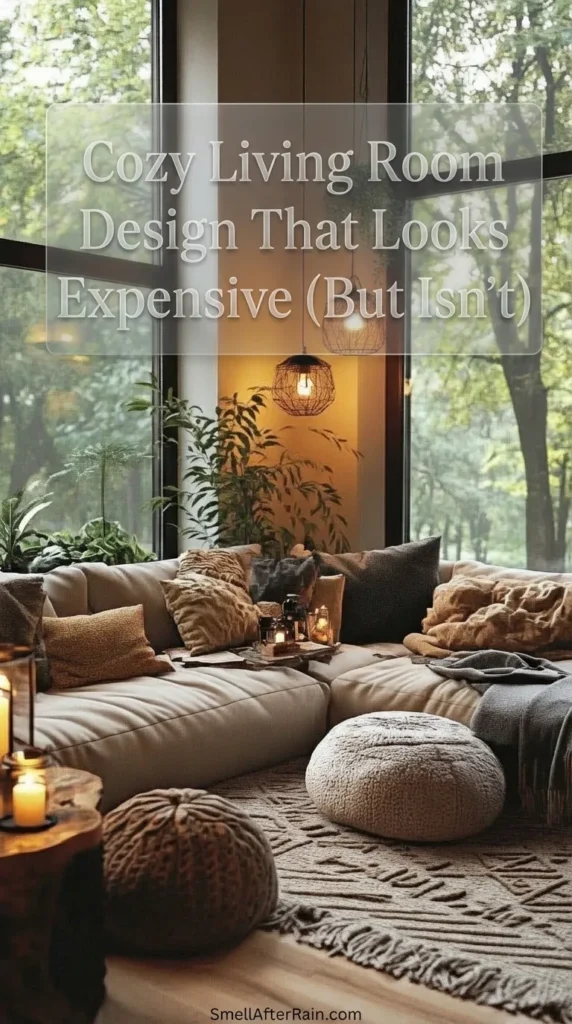
Incorporating hygge—the Danish concept of cozy contentment—softens minimalist edges. Layer soft textiles like sheepskin throws, wool blankets, and linen cushions. These tactile elements invite touch and create comfort without adding visual clutter.
Candlelight is essential to the Nordic approach. Simple pillar candles in minimal holders add warmth and ambiance. The flickering light creates shadows and depth that enhance the room’s dimensionality during evening hours.
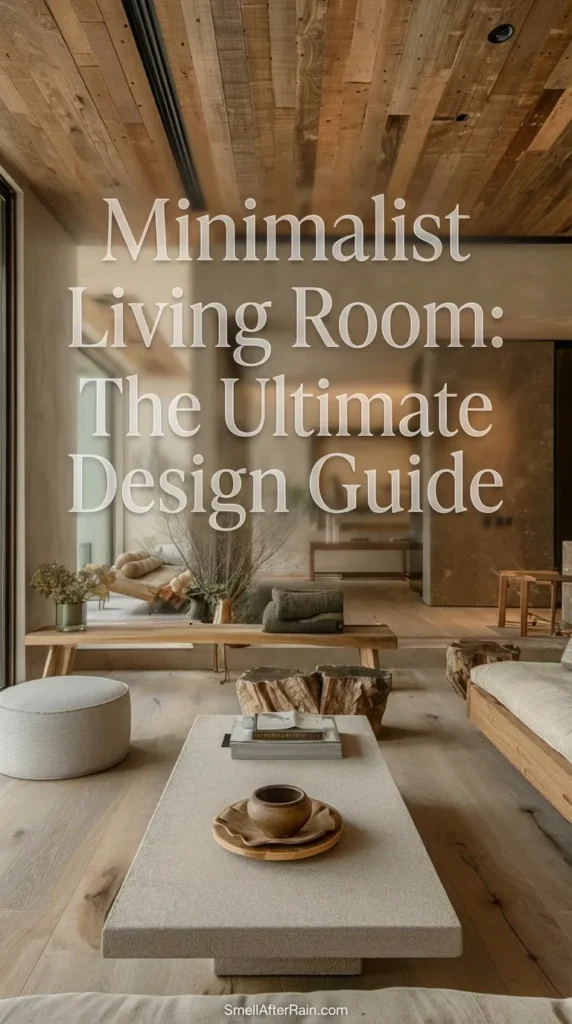
Storage Solutions That Disappear
Effective storage is the backbone of successful modern living room decor. Everything needs a home, but that doesn’t mean your storage solutions should be visible. Built-in cabinetry with push-to-open mechanisms eliminates hardware and creates seamless wall surfaces.
Furniture with hidden storage serves double duty without advertising its practicality. Lift-top coffee tables, hollow ottomans, and benches with internal compartments keep essentials accessible while maintaining clean surfaces. This approach is particularly valuable for small living room decor where every square foot matters.
The Closed Storage Advantage
Open shelving has its place, but closed storage maintains the calm visual field essential to minimalism. When you do use open shelving, style it meticulously with items arranged by color, size, or type. Leave plenty of empty space between objects to prevent a cluttered appearance.
Consider the rule of thirds for open storage: one-third decorative objects, one-third practical items displayed beautifully, and one-third empty space. This formula creates breathing room while ensuring the shelving doesn’t feel barren or overly styled.
Common Mistakes to Avoid
The biggest mistake in creating an aesthetic living room is confusing minimalism with emptiness. A truly successful space feels complete and inviting, not like you’re in the process of moving. If your room feels cold or uncomfortable, you’ve likely gone too far in eliminating essential comfort elements.
Another pitfall is sacrificing functionality for appearance. Your minimalist living room must work for your actual life. If you love reading, you need proper lighting and a comfortable chair—these aren’t negotiable. The goal is to edit out the unnecessary, not eliminate what brings you joy and serves your needs.
Avoiding the Showroom Effect
Minimalist spaces can feel like furniture showrooms when they lack personal touches. Incorporate items that reflect your personality and experiences—just be selective about what makes the cut. A small collection of meaningful objects displayed on a single shelf adds warmth without creating clutter.
Don’t forget the importance of comfort. Hard surfaces and rigid seating might look sleek but won’t encourage actual use. Layer in soft textiles, comfortable seating, and elements that invite relaxation. A modern elegant living room should be as comfortable as it is beautiful.
Connecting Your Minimalist Vision Throughout Your Home
Your minimalist living room shouldn’t exist in isolation. The principles you apply here can extend to create a cohesive aesthetic throughout your home. The same restraint and intentionality that defines your living space can transform your bedroom into a serene retreat or make your kitchen feel more organized and functional.
Consider how your living room connects to adjacent spaces. Visual continuity through consistent flooring, color palettes, and material choices creates flow. This doesn’t mean every room should look identical, but they should feel like parts of a unified whole.
Extending Minimalism to Other Spaces
The bathroom benefits tremendously from minimalist principles. A clutter-free bathroom design with hidden storage and clean surfaces creates a spa-like atmosphere. Similarly, applying these concepts to your broader living room ideas ensures your entire home feels cohesive and intentional.
For more inspiration on creating a unified minimalist aesthetic throughout your home, explore additional design strategies at Smell After Rain. Each space in your home deserves the same thoughtful approach that makes your living room feel complete.
Frequently Asked Questions About Minimalist Living Rooms
How do I make a minimalist living room feel cozy instead of cold?
Warmth comes from layering natural materials and soft textiles rather than from quantity of items. Incorporate wool rugs, linen curtains, wood furniture, and plush throws. Choose warm white lighting over cool tones, and add living plants for organic softness. The key is selecting quality materials with inherent warmth rather than relying on decorative clutter.
Can I have a TV in a minimalist living room?
Absolutely. Mount your TV on the wall to minimize its visual footprint, or incorporate it into a built-in wall unit. When not in use, consider a frame TV that displays artwork, or use a simple cabinet with doors that conceal the screen. The goal is integrating technology thoughtfully rather than making it the room’s focal point.
What’s the difference between minimalist and Scandinavian design?
While both embrace simplicity and functionality, Scandinavian design tends to be warmer and more textural. Nordic living rooms incorporate more natural wood tones, softer color palettes, and cozier textiles. Minimalism can be more austere with stronger geometric lines and stricter neutral palettes. Scandinavian design prioritizes hygge—cozy comfort—alongside clean aesthetics.
How many pieces of furniture should be in a minimalist living room?
There’s no magic number, but include only what you actually use regularly. A typical setup includes seating (sofa and chairs), a coffee table, and storage. Evaluate each piece: if it doesn’t serve a clear functional or aesthetic purpose, eliminate it. The right amount of furniture allows comfortable circulation and creates negative space.
Is minimalist design expensive to achieve?
Not necessarily. While minimalism emphasizes quality over quantity, you can build your space gradually. Start with essential pieces, invest in versatile neutrals, and add thoughtfully over time. The minimalist principle of buying less but better actually saves money long-term. Focus on timeless pieces that won’t need frequent replacing rather than trendy items.
How do I transition from my current style to minimalist design?
Start by decluttering ruthlessly—remove everything that doesn’t serve a purpose or bring genuine joy. Next, establish a cohesive color palette and gradually replace pieces that don’t fit. You don’t need to change everything overnight. Begin with paint and textiles, then upgrade furniture as budget allows. The transition works best when approached as a gradual evolution rather than a complete overhaul.
Can I combine minimalist design with other styles?
Yes. Minimalism works as a foundation that can incorporate elements from other aesthetics. You might blend minimalist principles with mid-century modern furniture, add Japanese wabi-sabi elements, or incorporate industrial materials. The key is maintaining the core principles—intentionality, restraint, and functionality—while allowing other influences to add character.