- 1. Biophilic Intervention: Bringing the Outdoors In
- 2. The Psychology of Monochromatic Palettes
- 3. Circadian Lighting: Mastering Biological Rhythm
- 4. Cognitive Flow in Layout Design
- 5. Haptic Feedback: The Science of Texture
- 6. Scent Scaping: The Olfactory Anchor
- 7. The Isolation Tank Effect: Freestanding Tubs
- 8. Mirror Placement for Psychological Expansion
- 9. Digital Detox Integration
- 10. Acoustic Softening for Anxiety Reduction
- 11. Transitional Harmony: Connecting Home Zones
- 12. Invisible Storage and Cognitive Load
- 13. The 'Third Space' Concept in Luxury Design
- Frequently Asked Questions
- Conclusion
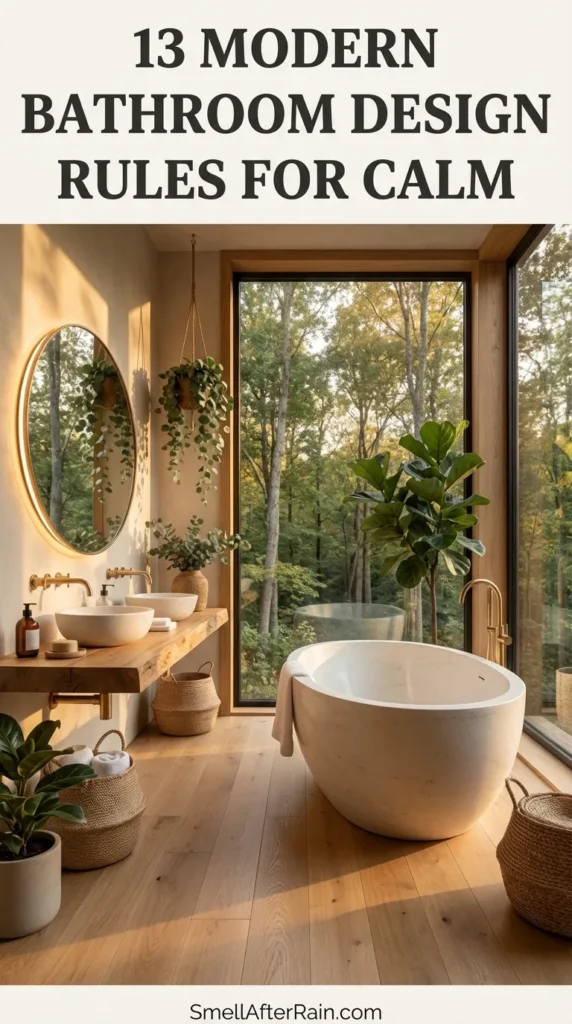
We often think of interior design as a visual discipline—a pursuit of aesthetics, trends, and superficial beauty. However, as an interior psychologist, I argue that the most successful modern bathroom design isn’t just about how a space looks; it’s about how it makes you feel. The bathroom is the first room you visit in the morning and the last one you see before bed. It is the bookend to your day, a transitional chamber where you shed your public persona and engage in your most vulnerable rituals.
If your bathroom is cluttered, poorly lit, or chromatically jarring, it spikes cortisol levels before your day even begins. Conversely, a thoughtfully designed modern luxury bathroom acts as a psychological reset button. It utilizes spatial theory, color psychology, and sensory integration to lower your heart rate and induce a state of flow.
In this guide, we are moving beyond standard renovation tips. We are exploring 13 deep psychological design principles to transform your bathroom into a sanctuary of mental clarity and emotional safety.
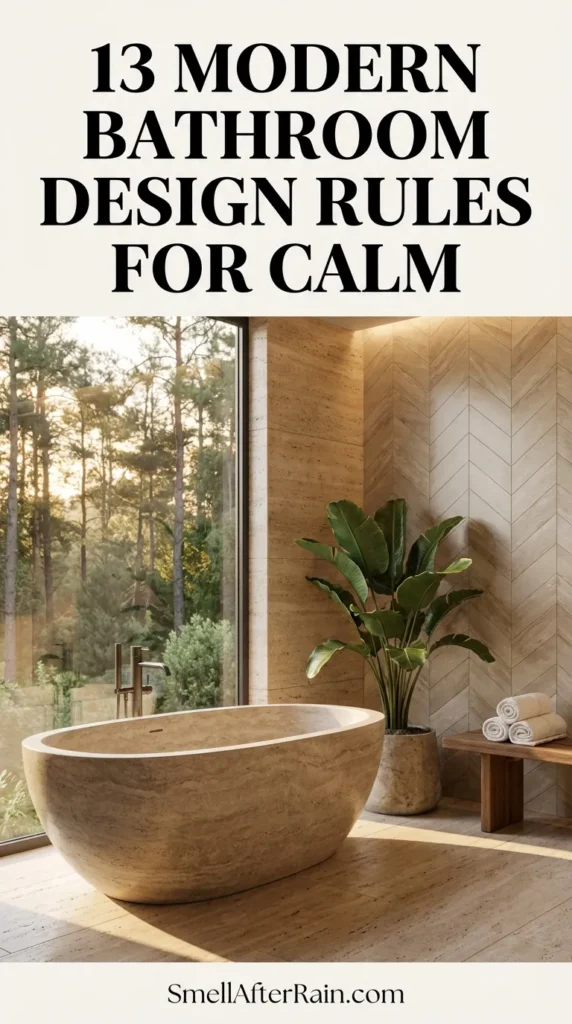
1. Biophilic Intervention: Bringing the Outdoors In
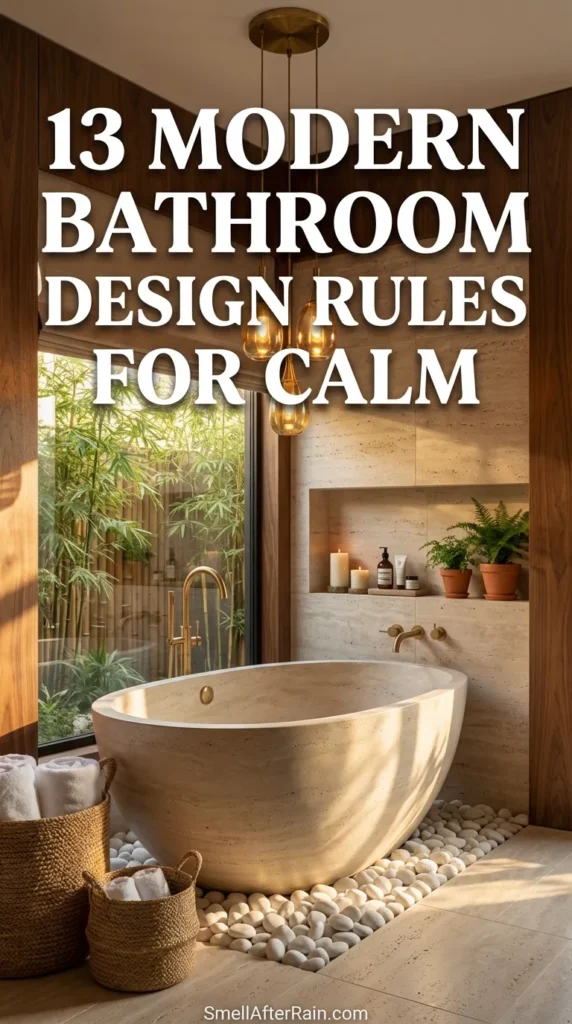
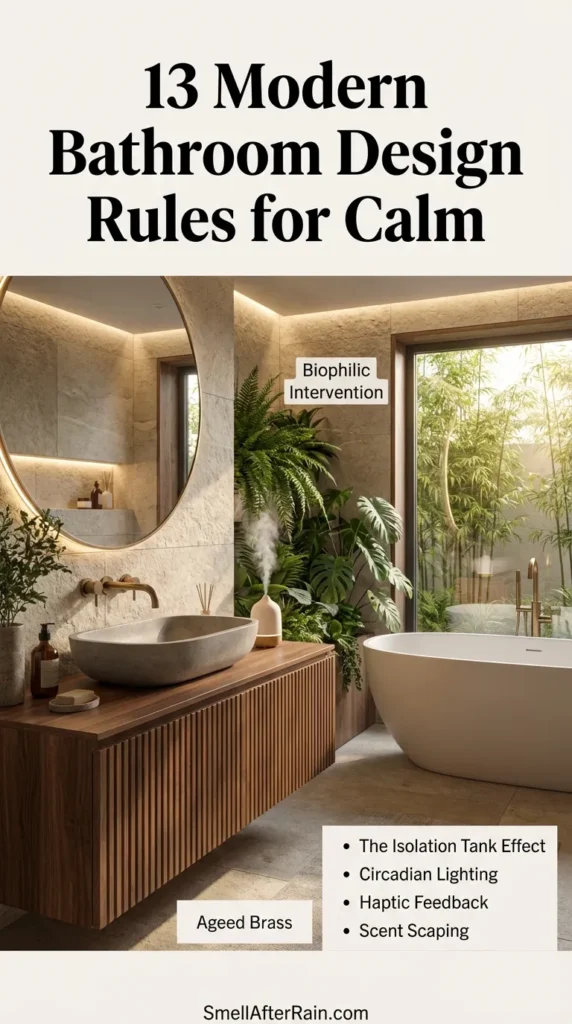
Humans possess an innate tendency to seek connections with nature, a phenomenon known as biophilia. In the context of bathroom design interior, this is not merely about placing a potted plant on the vanity; it is about simulating a natural environment to trigger the parasympathetic nervous system.
Modern environments are often sterile and rectilinear. By introducing organic elements—living walls, moss features, or large-format windows that frame outside greenery—you reduce physiological stress. The high humidity of a bathroom makes it the perfect microclimate for tropical flora. When you engage with modern bathroom ideas that prioritize life, you signal to your primitive brain that you are in a resource-rich, safe environment.
For more inspiration on integrating natural elements into your sanitary spaces, explore our guide on comprehensive bathroom ideas that merge nature with architecture.
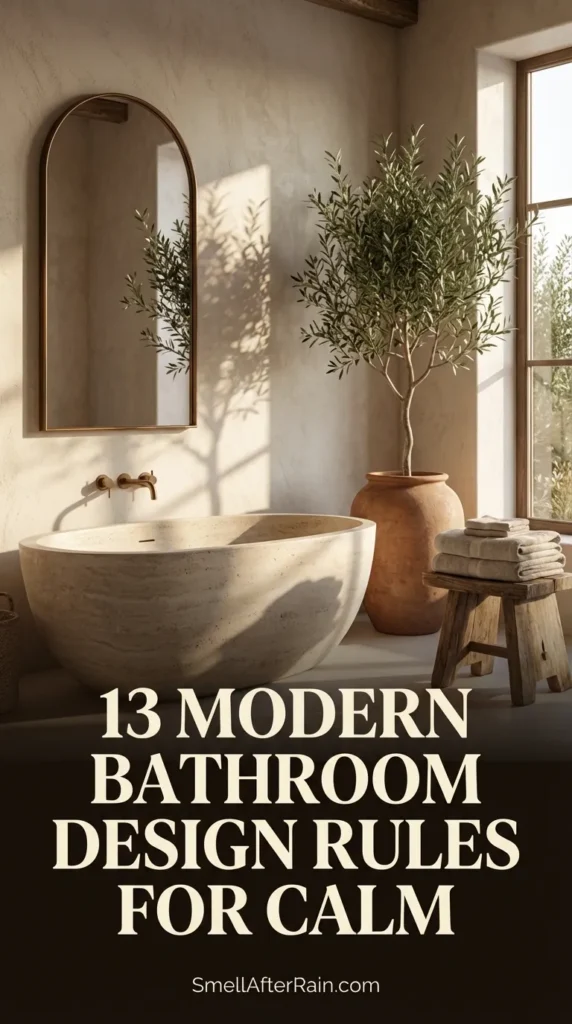
2. The Psychology of Monochromatic Palettes
Color is a wavelength of energy that our eyes perceive and our brains interpret as emotion. In modern small bathrooms, the cognitive load can quickly become overwhelming if too many contrasting colors are competing for attention. A monochromatic palette—using varying shades, tones, and tints of a single hue—simplifies the visual data your brain has to process.
This is the essence of “Quiet Luxury.” By utilizing soft creams, warm beiges, or slate greys, you create a seamless visual envelope. This lack of abrupt visual borders makes the room feel expansive and cohesive. It allows the mind to wander rather than fixating on disparate elements.
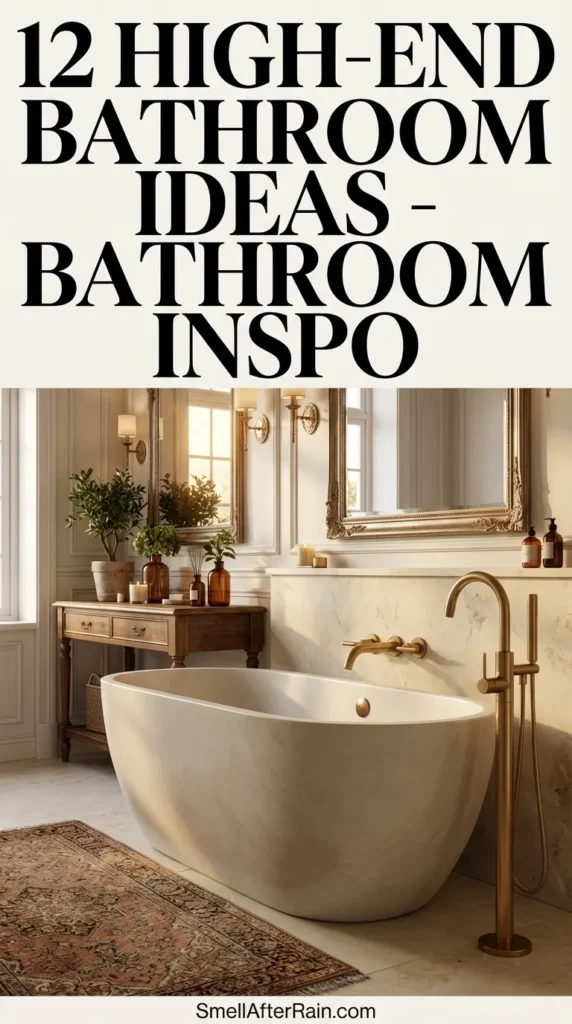
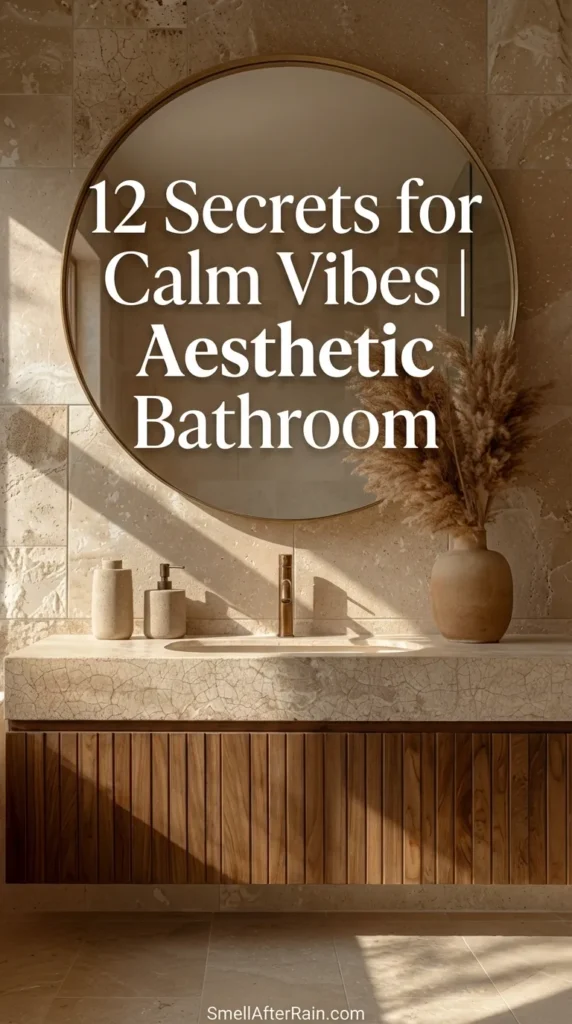
If you are drawn to this understated elegance, you must read about quiet luxury and high-end bathroom ideas, where the focus is on tone-on-tone sophistication rather than ostentatious display.
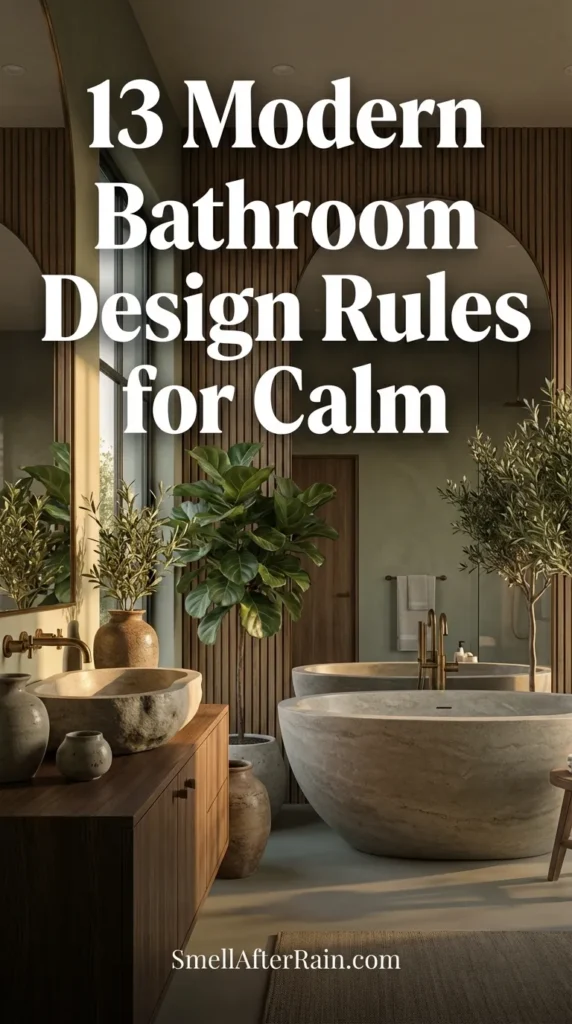
3. Circadian Lighting: Mastering Biological Rhythm
Most bathrooms suffer from “interrogation room” lighting—harsh, cool-toned overhead LEDs that shock the system. From a psychological standpoint, lighting should mimic the sun’s natural arc to support your circadian rhythm.
In the morning, you need bright, blue-enriched light to suppress melatonin and wake you up. In the evening, however, your bathroom interior ideas must pivot to warm, amber glows (2700K or lower) to prepare the body for sleep. Investing in smart lighting systems that adjust color temperature throughout the day is one of the most impactful changes you can make.
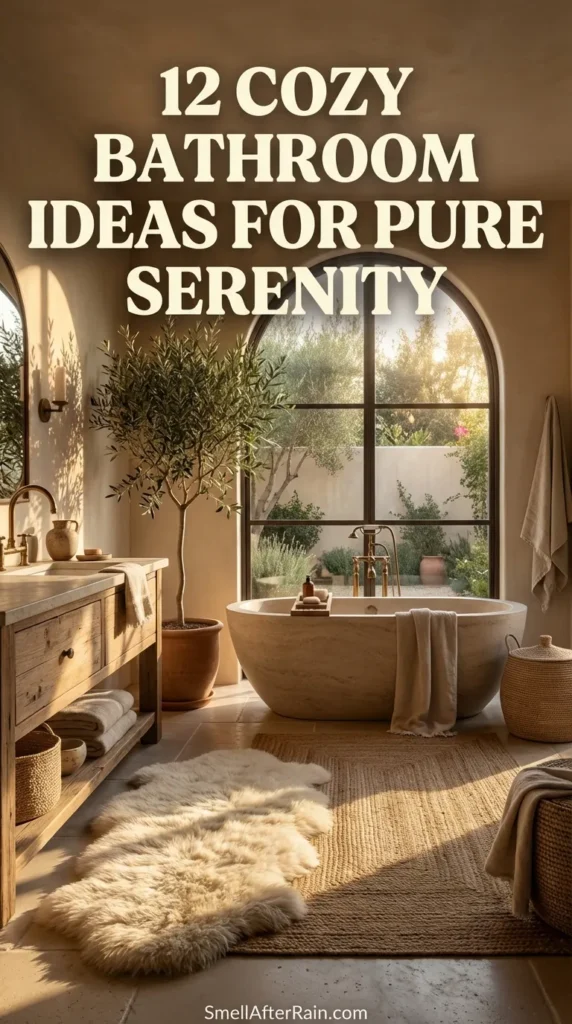
Consider layering your lighting: task lighting for grooming, ambient cove lighting for mood, and low-level toe-kick lighting for late-night visits. This layering creates a sense of warmth and safety, essential for creating pure serenity in cozy bathrooms.
4. Cognitive Flow in Layout Design
Anxiety often stems from friction—the physical obstacles we encounter when moving through space. In a small modern bathroom, layout is critical. If you have to squeeze past the toilet to reach the shower, or if the door hits the vanity, your brain registers a micro-stressor every time.
Good design facilitates “cognitive flow,” where movement is intuitive and unobstructed. This might mean opting for a wall-mounted toilet to free up floor space or choosing a wet-room configuration where the shower blends seamlessly with the rest of the room. When the physical barrier is removed, the mental barrier dissolves.
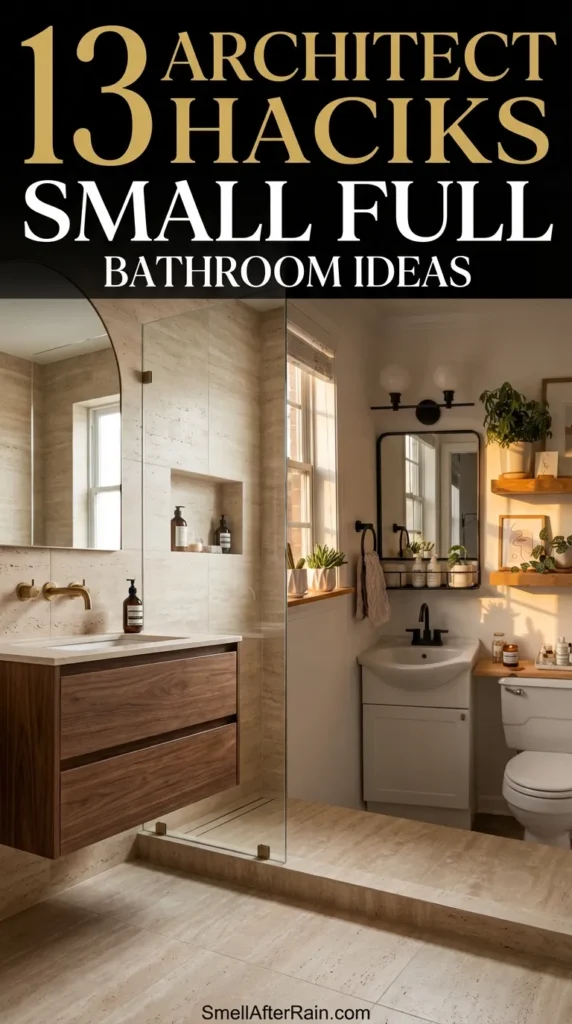
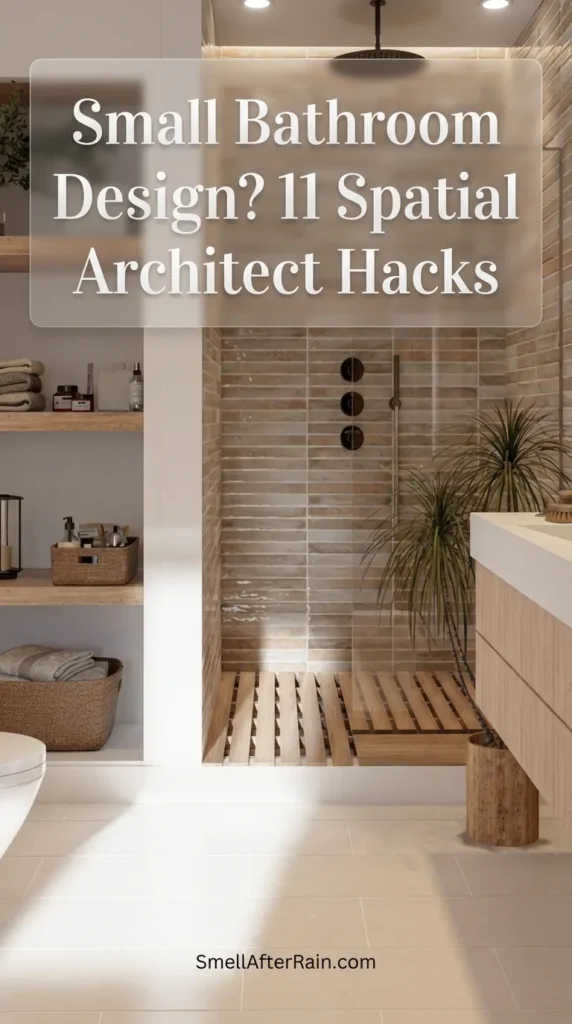
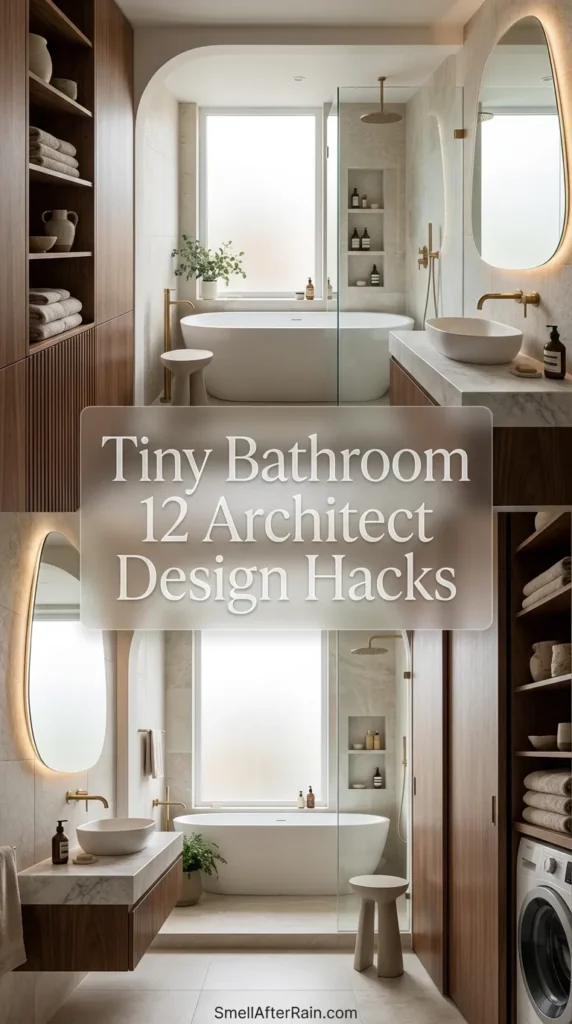
For those dealing with limited square footage, specific architectural interventions can maximize flow. Discover these 13 architect hacks for small full bathrooms to optimize your layout.
5. Haptic Feedback: The Science of Texture
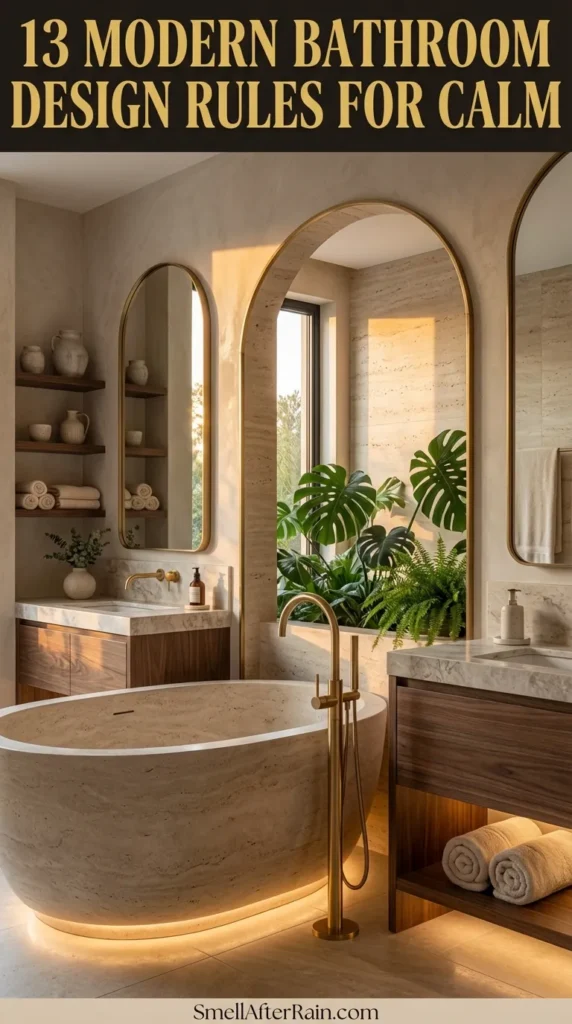
We experience the world through touch, yet we often design bathrooms solely for the eye. Haptic feedback refers to the tactile information we receive from our environment. In a modern bathroom interior, the feel of the materials is just as important as the look.
Imagine the difference between stepping onto cold, slick vinyl versus warm, textured slate or smooth, honed marble. Natural wood grains (properly sealed), matte finishes, and knurled metal hardware engage our sense of touch in a grounding way. These textures provide “sensory anchoring,” helping to pull us out of our anxious thoughts and back into our bodies.
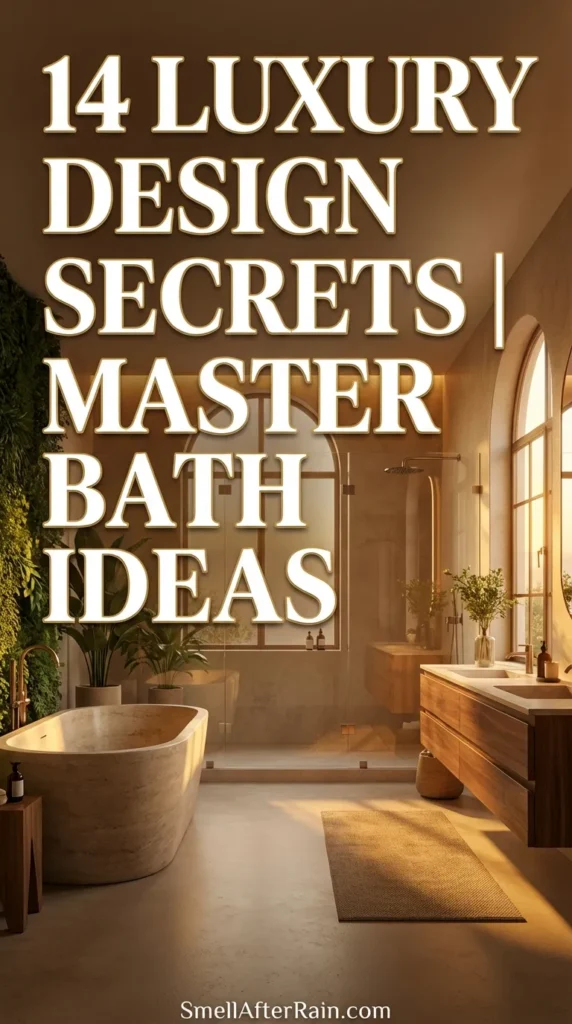
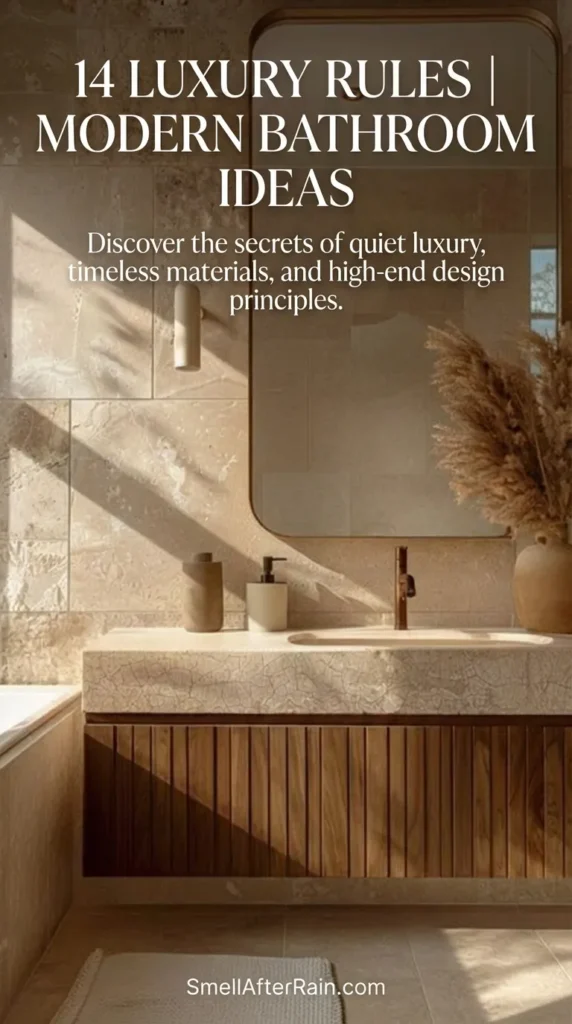
To dive deeper into the materials that define upscale tactile experiences, review our 14 luxury design secrets for master baths.
6. Scent Scaping: The Olfactory Anchor
The olfactory bulb is directly connected to the limbic system, the part of the brain responsible for emotion and memory. This makes scent the fastest route to changing your mood. A truly modern luxury bathroom isn’t finished until the scent architecture is defined.
Avoid synthetic air fresheners which can trigger headaches. Instead, use diffusers with essential oils like eucalyptus (invigorating), lavender (sedative), or sandalwood (grounding). The scent should be subtle, acting as a background “texture” that signals to your brain: You are home. You are safe.
For a holistic approach to home ambiance and scent, visit Smell After Rain to understand how fragrance shapes our spatial perception.
7. The Isolation Tank Effect: Freestanding Tubs
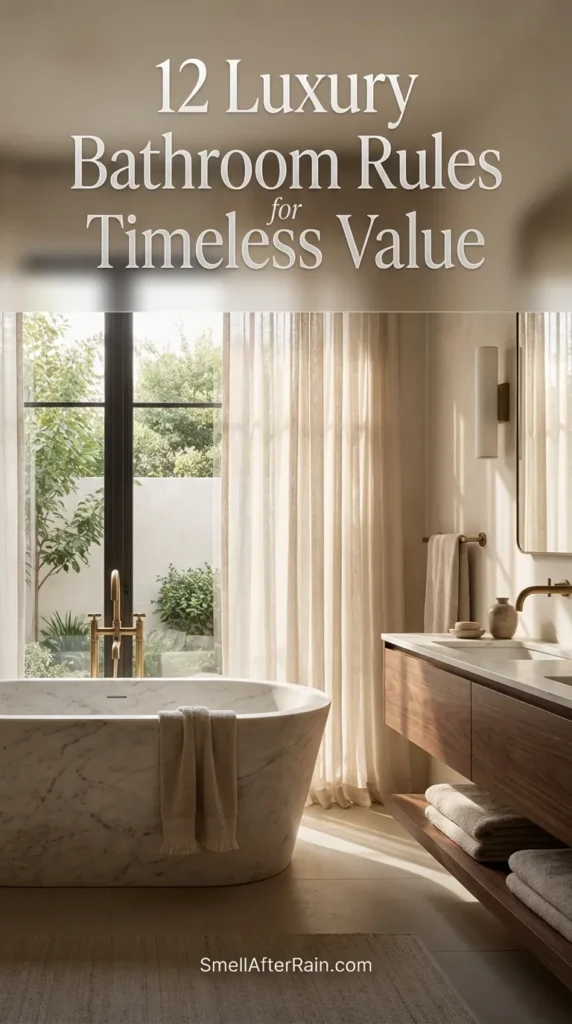
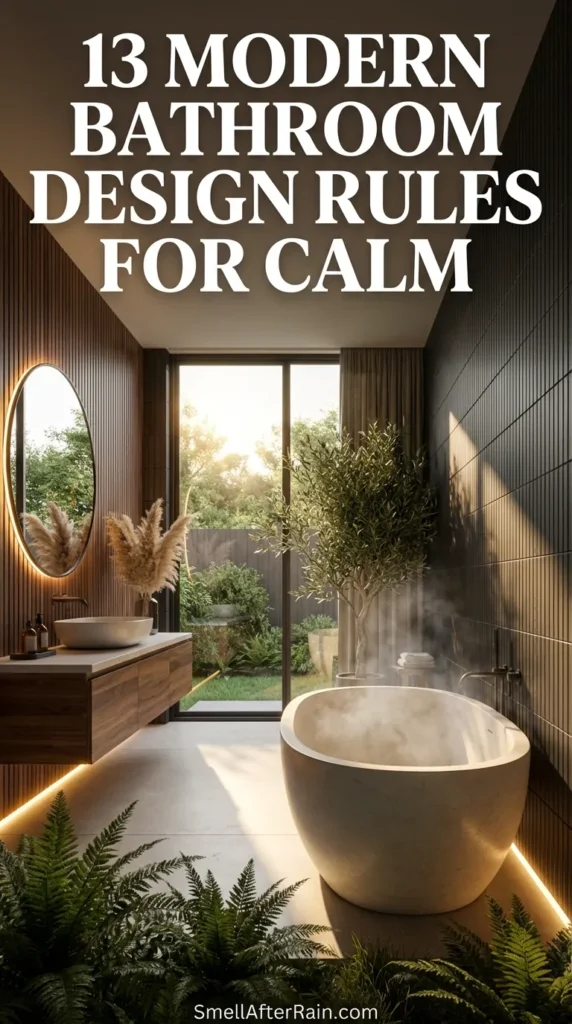
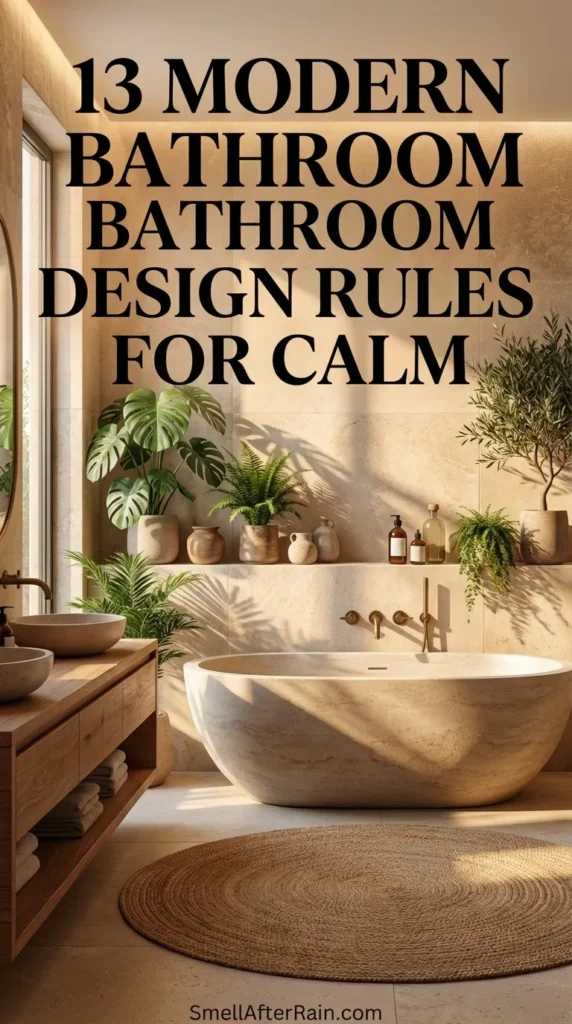
Water has been used therapeutically for millennia. The concept of the “isolation tank” involves removing sensory input to allow the brain to rest. A deep, freestanding soaking tub serves a similar purpose in bathroom design inspiration.
By submerging the body, you alter your proprioception (sense of body position), which can induce a meditative state. The freestanding tub, distinct from the walls, becomes an island—a psychological space separate from the responsibilities of the house. It frames the act of bathing not as hygiene, but as a ritual of renewal.
8. Mirror Placement for Psychological Expansion
Claustrophobia is the enemy of relaxation. In small modern bathrooms, the walls can feel like they are closing in. Large-format mirrors are the antidote. Psychologically, mirrors double the visual processing field, tricking the brain into perceiving more space than exists.
However, placement matters. Avoid placing mirrors where they create infinite reflections or chaotic visual loops. Instead, position them to reflect a light source or a view of nature. This “borrows” light and space from the outside, bringing it into the room and expanding the mental breathability of the area.
9. Digital Detox Integration
We are addicted to dopamine loops provided by our screens. The modern bathroom often falls victim to this, with people scrolling on their phones while brushing their teeth. A design-forward approach to wellness involves creating physical barriers to technology.
Design your vanity *without* convenient USB ports on the countertop surface. Create a “tech drop zone” outside the bathroom. Install waterproof speakers for music or audiobooks, but keep screens out. This enforces a period of mindfulness, forcing you to be present with your own thoughts, which is crucial for mental hygiene.
10. Acoustic Softening for Anxiety Reduction
Bathrooms are traditionally echo chambers—tiled walls, glass, and porcelain bounce sound waves aggressively. High reverberation times increase stress levels, making the space feel cold and institutional.
Luxury bathroom design now incorporates acoustic softening. This can be achieved through moisture-resistant rugs, soft-close cabinetry (eliminating the jarring “bang”), and even acoustic plaster ceilings. Adding fabric elements, like heavy linen Roman shades or plush towels, absorbs sound frequencies, creating a “hushed” atmosphere that is subconsciously soothing.
11. Transitional Harmony: Connecting Home Zones
Disjointed design creates cognitive dissonance. If your kitchen is a rustic farmhouse style and your bathroom is ultra-futuristic chrome, the transition can feel jarring. There should be a narrative thread that connects your spaces.
This doesn’t mean they must match perfectly, but they should share a design language—perhaps a similar color palette, hardware finish, or wood tone. Ensuring a smooth flow from the heart of the home to the bathroom maintains emotional continuity.
Check out our kitchen ideas to see how you can mirror materials and textures across these two functional powerhouses of the home.
12. Invisible Storage and Cognitive Load
Clutter is visual noise. Every bottle, tube, and tool on your counter is a demand for your attention. “Cognitive load” refers to the amount of working memory resources used. A cluttered bathroom creates a high cognitive load environment, making it impossible to relax.
Modern bathroom interior design prioritizes “invisible storage.” This involves integrated niches, medicine cabinets recessed into the wall, and vanities with specific organizers. The goal is to have surfaces completely clear. When the eye scans the room and finds no “to-do” items (like a messy counter), the brain is allowed to downregulate.
13. The ‘Third Space’ Concept in Luxury Design
In sociology, the “third place” is a social surrounding separate from the two usual social environments of home and the workplace. In the context of the private home, the bathroom is evolving into a personal “third space.” It is becoming a lounge.
We are seeing the introduction of comfortable seating (like a velvet armchair in a large master bath), bookshelves, and art galleries within the bathroom. This shifts the room’s purpose from strictly utilitarian to a place of leisure. By treating the bathroom as a living space, you invite yourself to linger, to read, to breathe, and to simply be.
Frequently Asked Questions
What are the key elements of a modern bathroom?
A modern bathroom is defined by clean lines, minimalism, and a focus on function and flow. Key elements include floating vanities, frameless glass showers, geometric shapes, and a neutral or monochromatic color palette. Unlike traditional styles, it avoids heavy ornamentation, preferring sleek materials like stone, glass, and concrete.
How can I make a small bathroom look modern and luxurious?
To elevate a modern small bathroom, focus on lighting and continuity. Use large-format tiles to reduce grout lines, which makes the floor look expansive. Install a wall-mounted toilet and vanity to reveal more floor area. Invest in high-quality brass or matte black fixtures; these small touchpoints act as jewelry for the room, signaling luxury without taking up space.
What colors are best for a relaxing bathroom design?
From a psychological perspective, colors found in nature are the most relaxing. Soft sage greens, sky blues, warm stones, and sandy beiges lower the heart rate. Avoid high-saturation colors like bright red or neon orange, as these are stimulating. Charcoal and warm blacks can also be relaxing if used in a “cocooning” way with adequate lighting.
Is a bathtub necessary for a modern luxury bathroom?
While a freestanding tub is a staple of luxury bathroom design, it is not mandatory if it compromises the flow of the room. A spacious, high-tech walk-in steam shower can offer equal or superior therapeutic value. The “luxury” comes from the quality of the experience and materials, not just the presence of a tub.
How do I add warmth to a modern bathroom interior?
Modern design runs the risk of feeling cold. To add warmth, introduce organic textures. Use wood (or wood-look porcelain) for vanities or flooring. Incorporate woven baskets, plush towels, and warm-temperature lighting (2700K). Metallic finishes like brushed gold or bronze also add a sense of visual heat compared to chrome.
What is the biggest mistake in bathroom lighting?
The biggest mistake is relying on a single overhead grid light. This casts unflattering shadows on the face (making you look tired) and creates a sterile atmosphere. You must layer your lighting: sconces at eye level for grooming, recessed cans for general illumination, and accent lights for mood.
How much does a modern bathroom remodel cost?
Costs vary wildly based on size and finish level. A cosmetic update (paint, vanity, fixtures) might cost $5,000–$10,000. A full gut renovation for a modern luxury bathroom with high-end stone, smart showers, and structural changes can easily range from $25,000 to $50,000+. Focusing on high-impact areas like tiles and hardware can maximize ROI on a smaller budget.
Conclusion
Designing a bathroom is not just about selecting tiles and faucets; it is about curating an experience. By applying these 13 psychological design rules, you move beyond the superficial and create a space that actively contributes to your mental well-being. Whether you are working with a small modern bathroom or an expansive master suite, the goal remains the same: to create a vessel for serenity in a chaotic world.