- 1. The Unlacquered Brass Revolution
- 2. Slab Stone Integration Over Tiles
- 3. Architectural Molding and Wainscoting
- 4. The Freestanding Sculptural Tub
- 5. Vintage Rugs Instead of Bath Mats
- 6. Layered Lighting and Sconces
- 7. Converting Antiques into Vanities
- 8. The Art of Hidden Storage
- 9. Monochromatic Texture Layering
- 10. Statement Mirrors with History
- 11. Drapery in the Bathroom
- 12. The Master Suite Flow
- Frequently Asked Questions
In the world of interior design, the bathroom is often treated as a purely utilitarian space—a necessity rather than a sanctuary. However, the old money aesthetic teaches us that true luxury lies in the details of the most intimate spaces. Whether you are seeking small bathroom inspiration or planning a sprawling master retreat, the principles of high-end design remain the same: quality materials, timeless silhouettes, and an aversion to fleeting trends.
Elevating your property value requires looking beyond the standard builder-grade finishes found in big-box stores. It requires a curate eye for aesthetic bathroom design that balances function with the romance of the past. From the patina of unlacquered brass to the warmth of vintage textiles, creating a space that feels inherited rather than purchased is the ultimate goal.
At Smell After Rain, we believe that your home should engage all the senses. Below, we explore 12 architectural and decorative strategies to transform your washroom into a haven of quiet luxury.
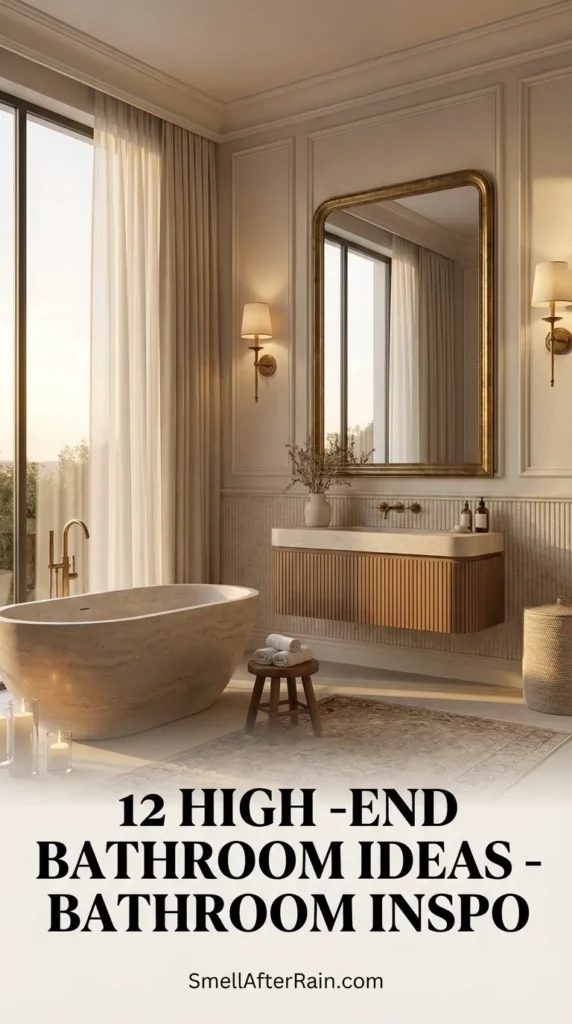
1. The Unlacquered Brass Revolution
Nothing screams “new money” quite like shiny, plastic-coated chrome or perfectly uniform brushed nickel. In contrast, the hallmark of an aesthetic bathroom rooted in the old-world tradition is the use of living finishes, specifically unlacquered brass.
Understanding Patina
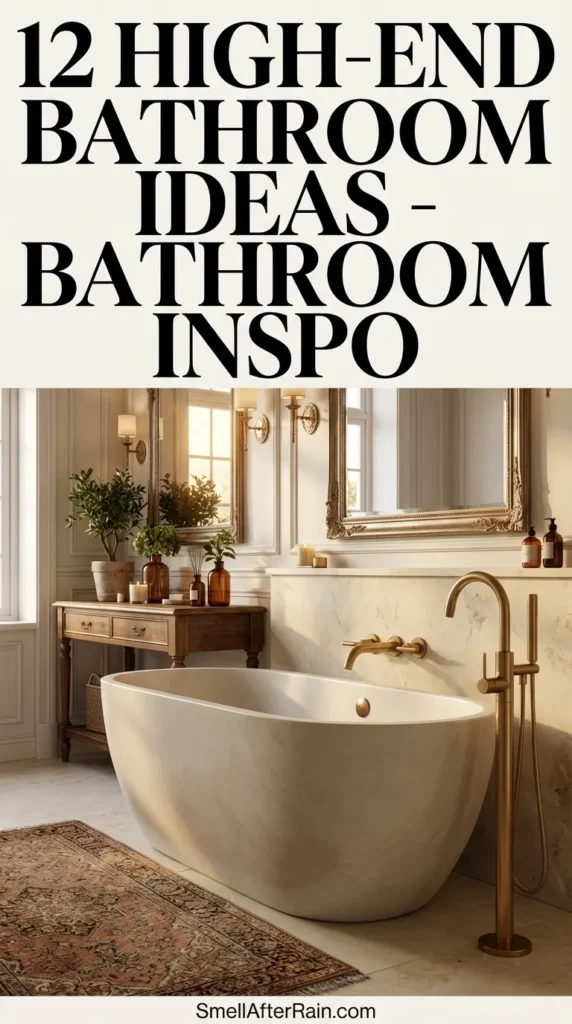
Unlacquered brass is a raw metal that interacts with the environment. Over time, exposure to water, air, and touch causes the metal to oxidize, creating a rich, darkening patina. This isn’t a defect; it is the soul of the hardware. It tells a story of use and life. In a small full bathroom, using brass faucets, drawer pulls, and towel bars adds instant warmth that cold chrome simply cannot achieve.
Investment Value
While the upfront cost of solid brass is higher, it is an investment piece. Unlike plated metals that chip and peel over a decade, solid brass lasts for centuries. If the patina ever becomes too heavy, it can be polished back to its original shine, making it a sustainable, lifelong choice for your home.
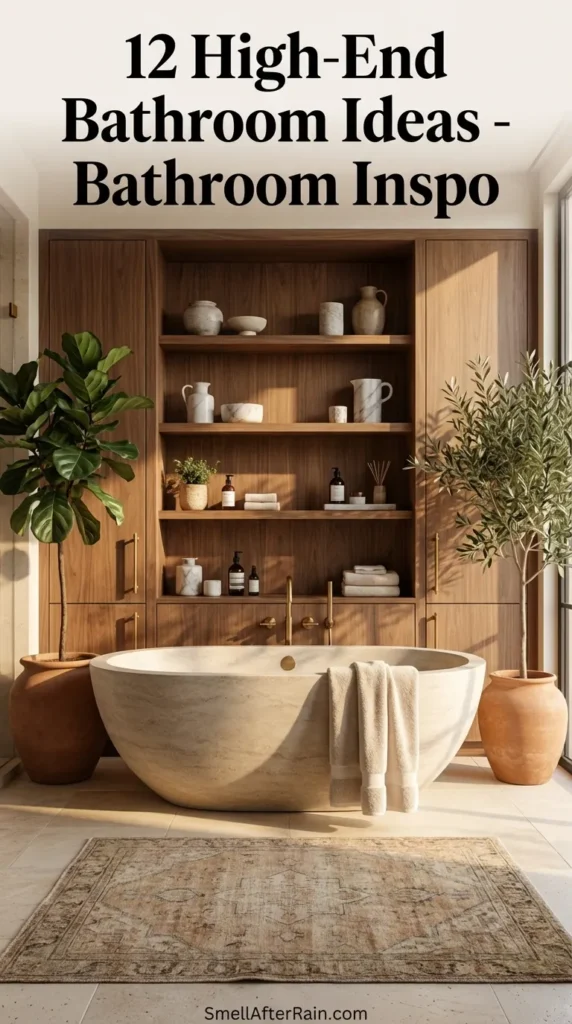
2. Slab Stone Integration Over Tiles
Grout lines can be the enemy of a clean, high-end visual. While subway tile has its place, the ultimate luxury statement in modern bathroom ideas is the use of large stone slabs.
Continuity of Design
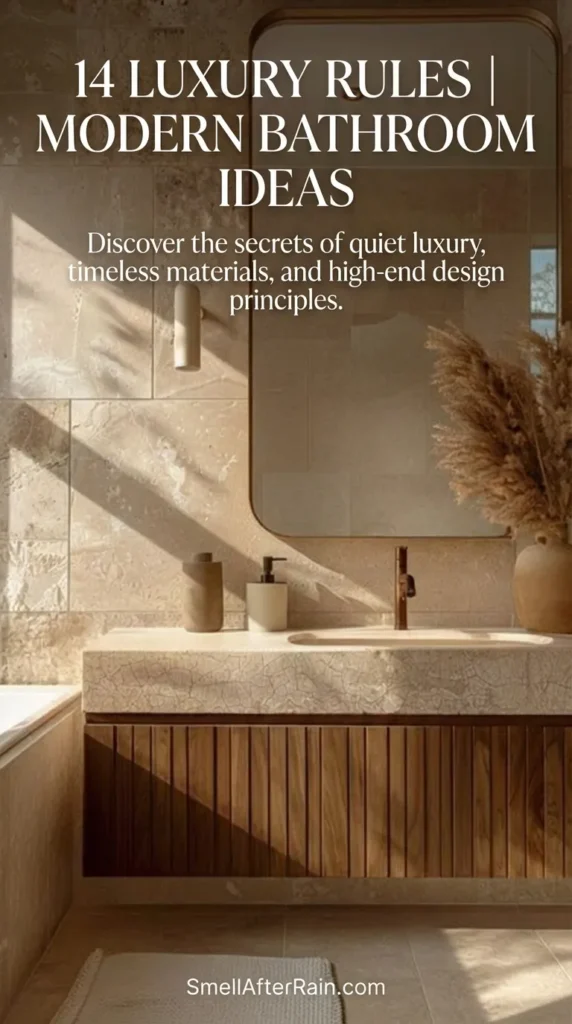
Using a continuous slab of Carrara marble, Calacatta Viola, or even a high-end quartzite for the shower walls or backsplash creates a seamless, mural-like effect. The veining of the stone becomes the artwork. In tiny bathroom ideas, this is particularly effective because the lack of grid lines (grout) tricks the eye into seeing a larger, more expansive surface area.
Material Science: Honed vs. Polished
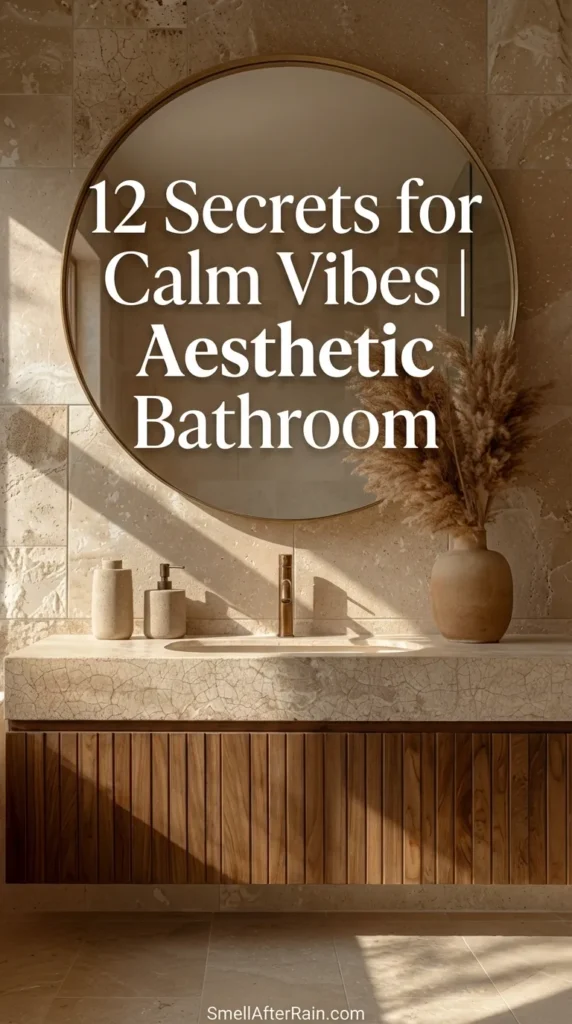
For an authentic, aged look, opt for honed finishes over polished ones. A honed finish is matte and velvety to the touch. It hides water spots better than a high-gloss polish and feels more organic, aligning perfectly with a cozy bathroom aesthetic that prioritizes comfort over showiness.
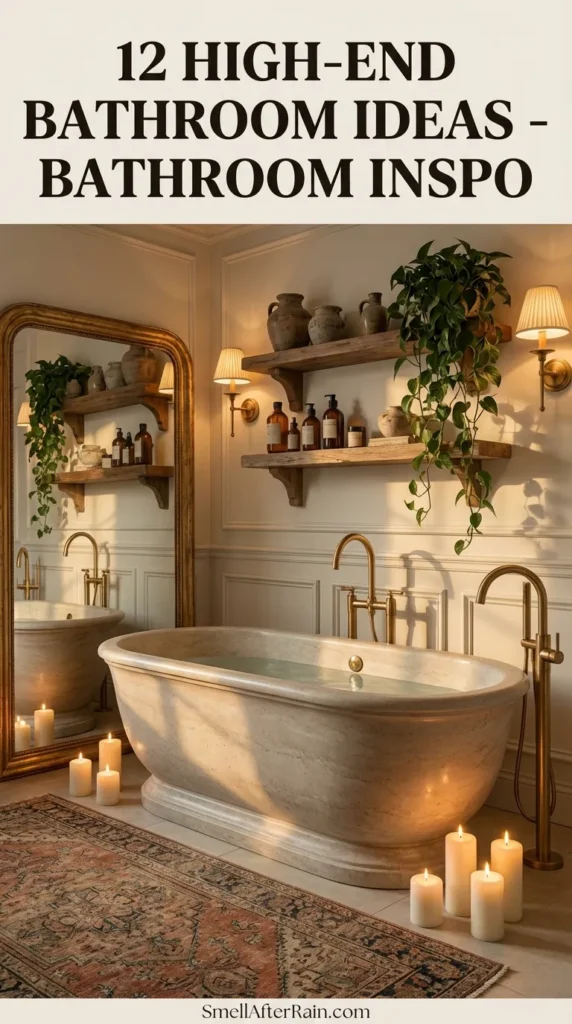
3. Architectural Molding and Wainscoting
The difference between a plain box and a room with character is almost always millwork. Adding architectural details is one of the most cost-effective ways to inject high-end style into guest bathroom ideas.
Types of Elevating Trim
- Picture Frame Molding: creating boxes on the walls adds depth and shadow, giving the room a sense of history.
- Beadboard: For a more cottage or English countryside feel, floor-to-ceiling beadboard painted in a high-gloss hue creates durability and charm.
- Crown Molding: Never underestimate the power of drawing the eye upward. A thick crown molding makes ceilings feel higher and the room more finished.
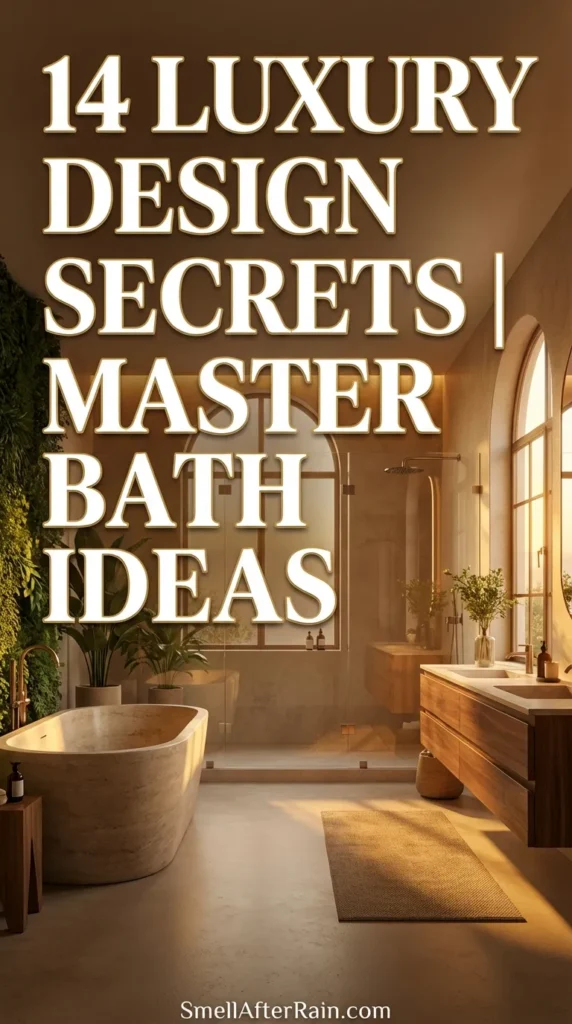
For more inspiration on how structure defines a room, explore our guide on master bath design secrets.
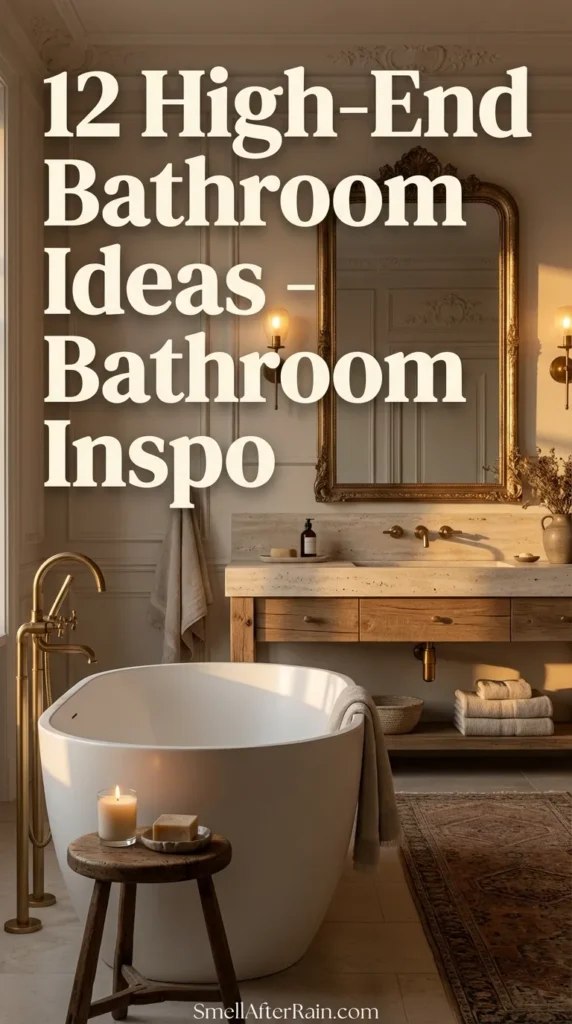
4. The Freestanding Sculptural Tub
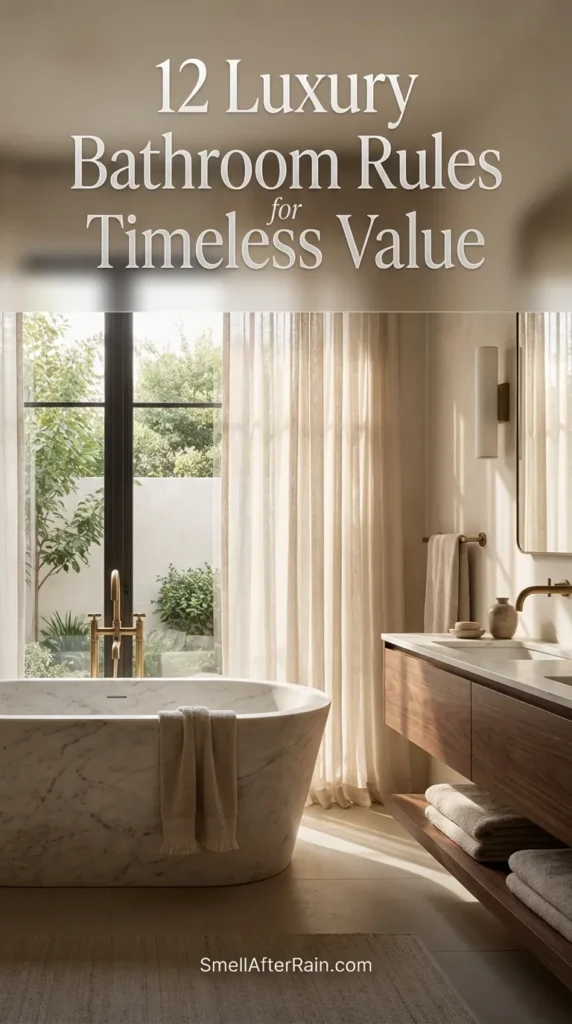
In a master setting, the bathtub is the focal point. While built-in tubs are functional, a freestanding tub is sculptural. It implies that space is a luxury you can afford to use artistically.
Material Matters: Cast Iron vs. Acrylic
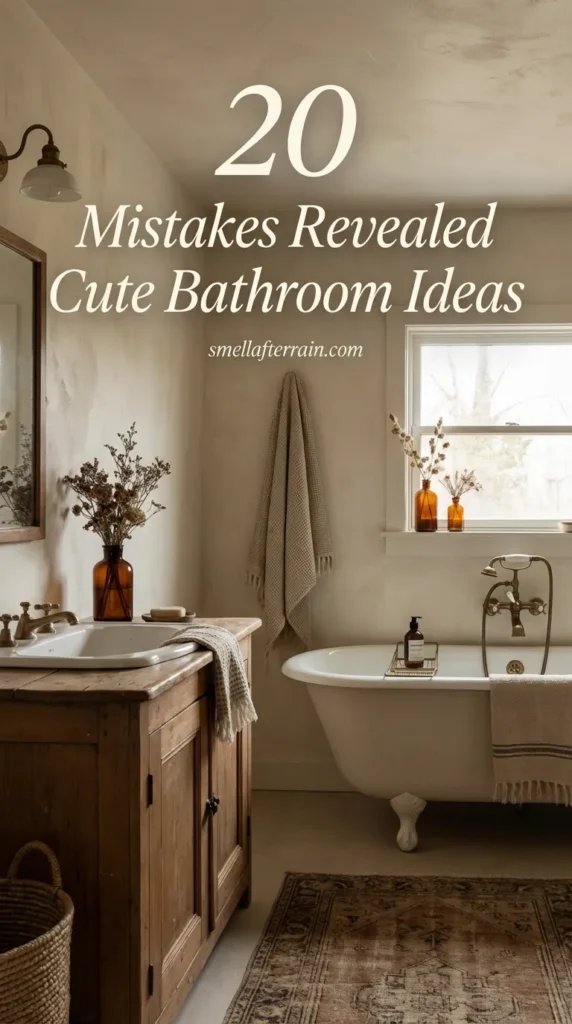
For true old-money appeal, seek out a cast iron tub. They retain heat significantly longer than modern acrylic versions, allowing for longer, more relaxing soaks. A clawfoot tub painted in a matte black or a deep hunter green on the exterior acts as an anchor in the room, commanding attention.
Even in small bathroom inspo searches, you will find petite clawfoot tubs (some as small as 54 inches) that can fit where a standard alcove tub would, instantly elevating the design quotient.
5. Vintage Rugs Instead of Bath Mats
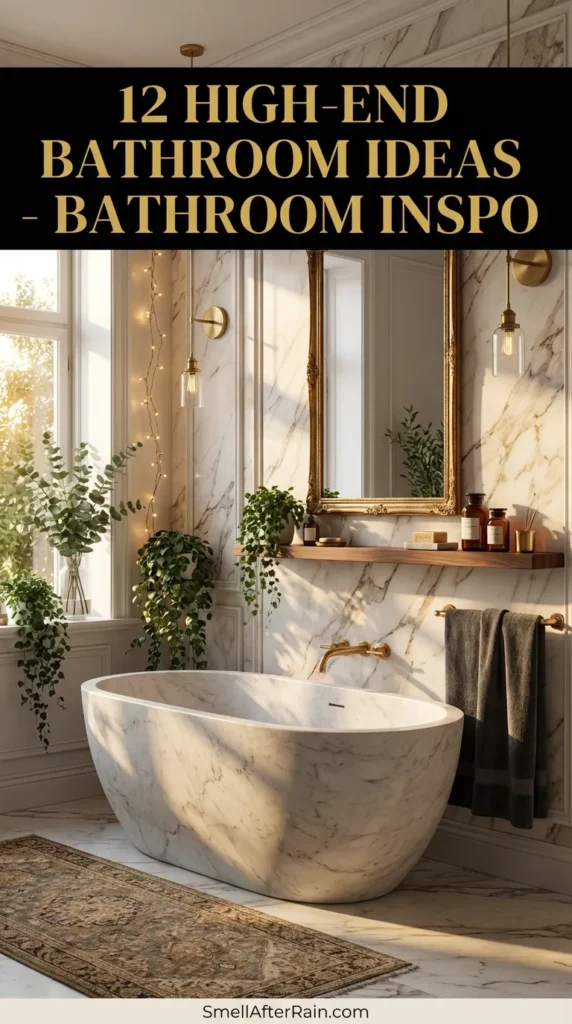
One of the easiest swaps to make for a cozy bathroom is replacing the terry cloth bath mat with a vintage Persian or Turkish runner. This is a controversial tip for some, but it is a staple in designer portfolios.
Why it Works
Bathrooms are full of hard, cold surfaces—tile, stone, porcelain, glass, metal. They desperately need softness to feel habitable. A wool rug brings in history, pattern, and intense color. Wool is naturally water-repellant and durable. As long as the space is ventilated, a vintage rug adds a layer of sophistication that a rubber-backed mat never will.
6. Layered Lighting and Sconces
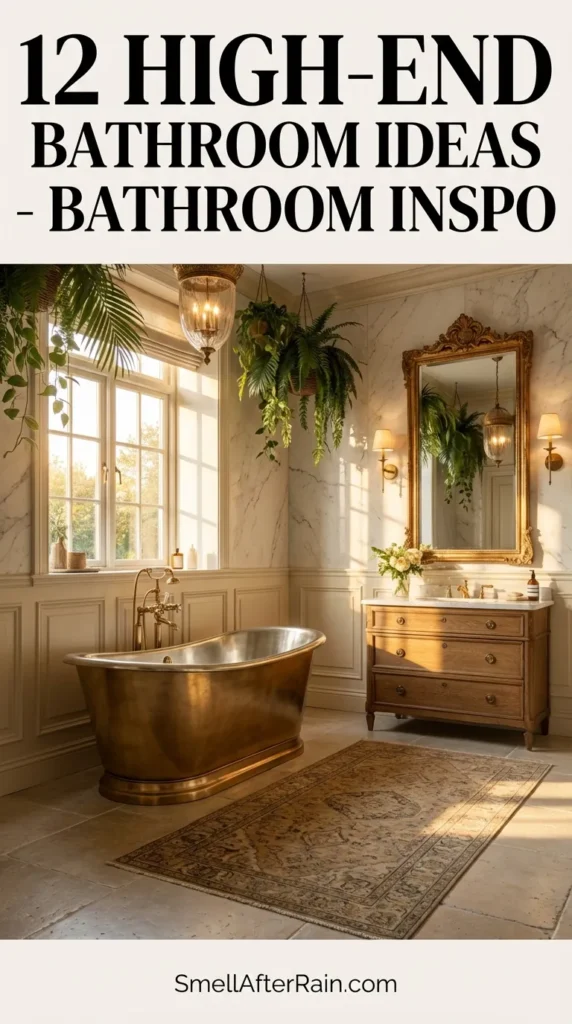
Lighting can make or break a bathroom. The standard single overhead light fixture casts unflattering shadows and creates a sterile, hospital-like environment. To achieve a cute bathroom idea that transitions into an elegant evening space, you must layer your lighting.
The Sconce Strategy
Place sconces at eye level on either side of the mirror. This provides the most flattering cross-illumination for grooming. Choose fixtures with linen shades to diffuse the light, creating a soft, amber glow rather than a harsh beam.
Kelvin Temperature
Ensure all bulbs are between 2700K and 3000K. Anything higher (4000K+) will look blue and clinical. Install dimmer switches on every light source. The ability to dim the lights for a bath transforms the room into a spa.
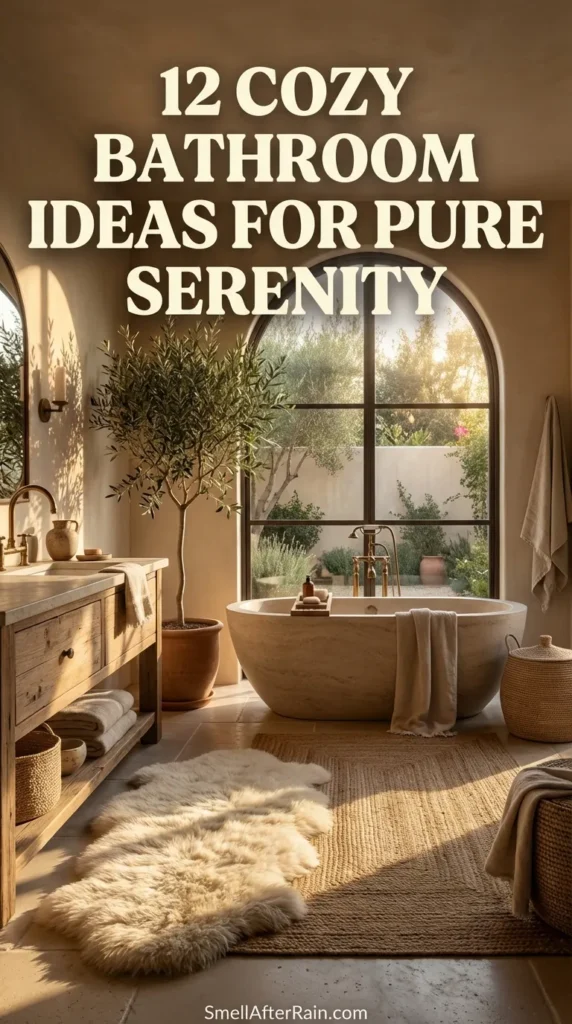
For more on creating a serene atmosphere, read about 12 cozy bathroom ideas for pure serenity.
7. Converting Antiques into Vanities
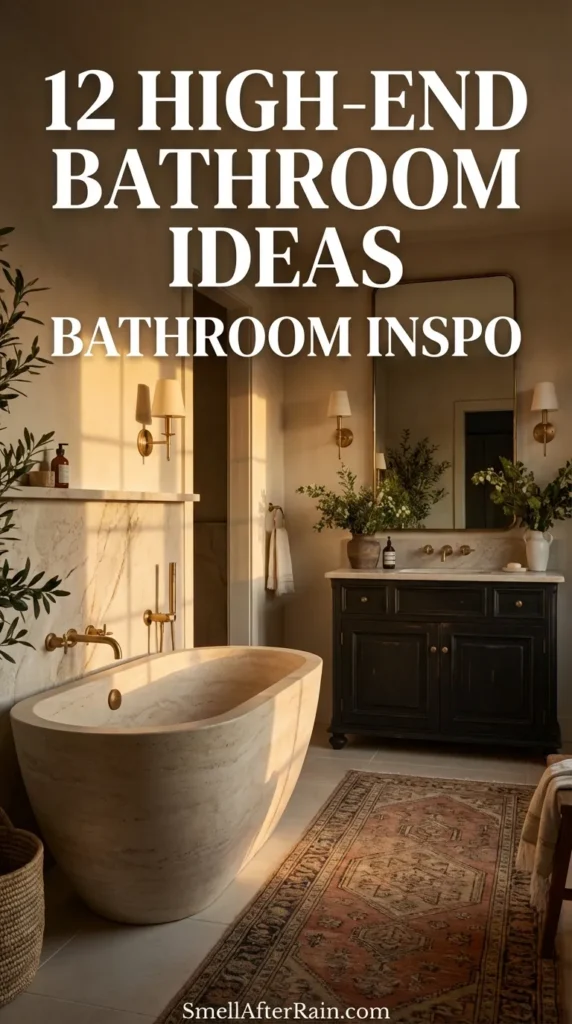
Standard cabinetry often lacks soul. A profound way to introduce character into half bathroom ideas or powder rooms is by converting an antique chest of drawers, sideboard, or console table into a vanity.
The Process
This requires a skilled carpenter to cut the internal drawers to accommodate plumbing, but the result is a one-of-a-kind piece. Look for solid wood pieces with intricate carving or interesting legs. Top it with a custom piece of marble and an undermount sink. This juxtaposition of furniture-grade wood with plumbing fixtures is the essence of high-end eclectic design.
8. The Art of Hidden Storage
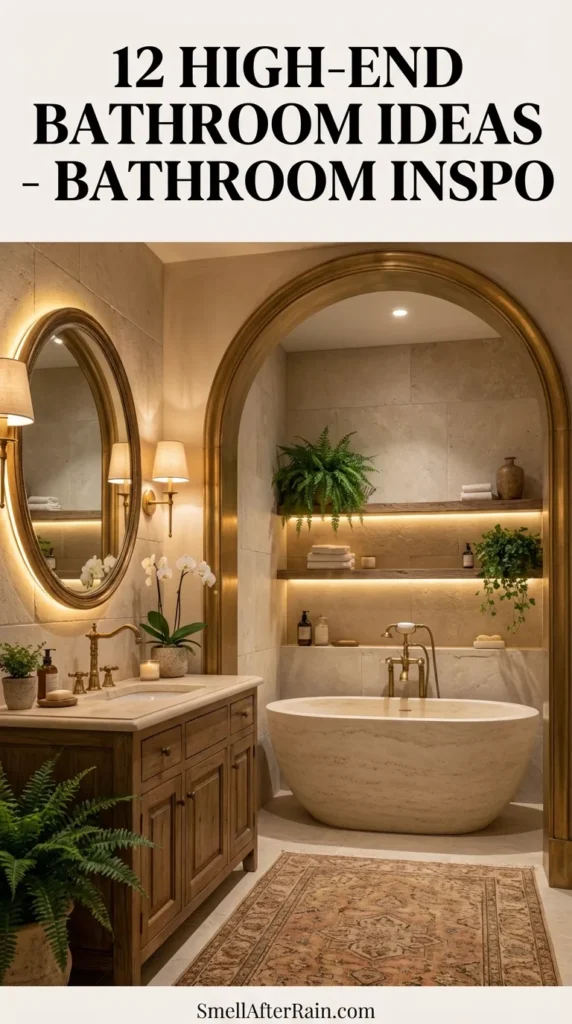
Clutter is the antithesis of luxury. In small bathroom inspiration, storage is usually the biggest pain point. However, visible plastic bins or open shelving that displays toothpaste and razors degrades the aesthetic.
Recessed Solutions
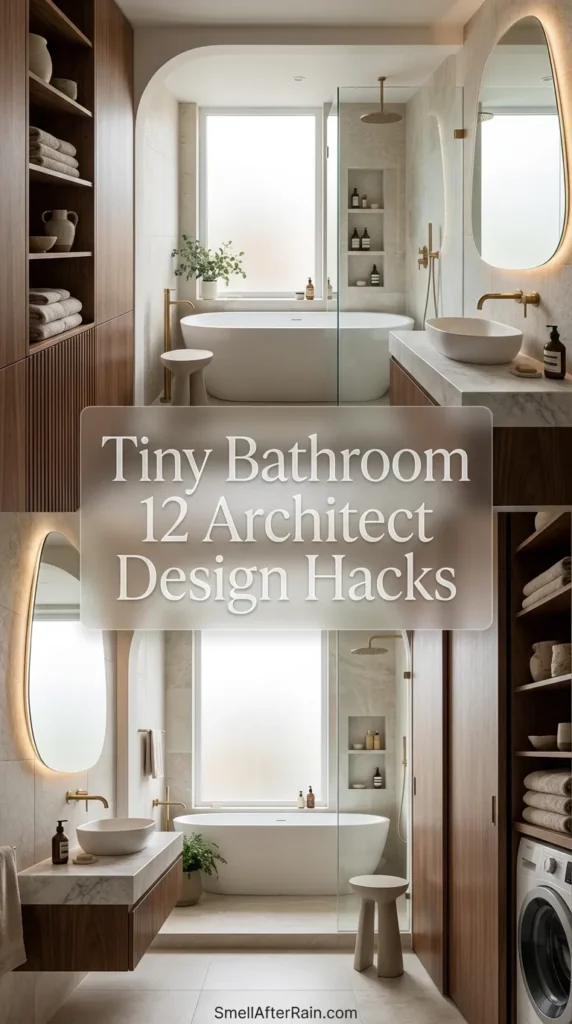
Utilize the space between studs. Recessed medicine cabinets have come a long way; modern versions can be flush-mounted and framed to look like mirrors. Furthermore, consider “appliance garages” within your cabinetry to keep hair dryers and electric toothbrushes plugged in but out of sight.
For broader home organization and styling tips, check our comprehensive bathroom ideas category.
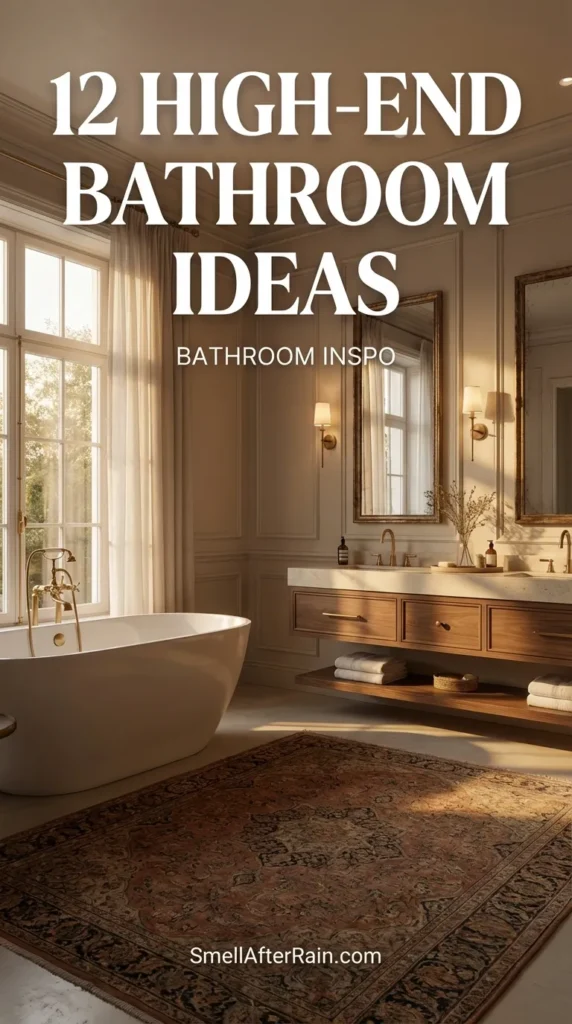
9. Monochromatic Texture Layering
A common mistake in DIY design is relying on color to create interest. High-end designers often rely on texture. A monochromatic palette—whites, creams, beiges, or greys—feels expansive and calm, perfect for modern bathroom ideas.
How to Layer
If your walls are cream Venetian plaster, choose a honed limestone floor in a similar tone, and pair it with unbleached linen curtains. The slight variations in tone and the vast differences in texture (smooth plaster vs. rough stone vs. soft fabric) create a rich visual experience without the visual chaos of contrasting colors.
10. Statement Mirrors with History
The mirror is often the centerpiece of the vanity area. Avoid the frameless sheet of glass glued to the wall by the builder. instead, source a mirror that acts as art.
Shape and Frame
For a tiny bathroom ideas boost, an oversized mirror can reflect light and double the visual space. Look for Louis Philippe style mirrors with rounded top corners, or ornate gilt frames that contrast with modern tile. An antique mirror with slight desilvering (foxing) can add incredible moodiness to a powder room where perfect reflection isn’t the primary goal.
11. Drapery in the Bathroom
Fabric is an unexpected element in bathrooms, which makes it incredibly luxurious. If you have a window, skip the plastic blinds. Install a proper curtain rod and hang linen or cotton drapery.
Softening the Hard Edges
The drapes introduce vertical lines that heighten the room and soften the acoustics, absorbing the echo common in tiled spaces. Ensure the fabric is washable or treated for humidity. In a master bath, floor-to-ceiling drapery framing a freestanding tub is the height of romance.
12. The Master Suite Flow
Finally, a high-end bathroom never feels disconnected from the bedroom it serves. The transition should be seamless. The color palette, flooring tones, and architectural details should flow from the sleeping area into the bathing area.
Cohesive Design
If your bedroom features heavy velvet textures, bring a velvet vanity stool into the bathroom. If you use brass lighting in the bedroom, continue that metal finish in the bath. This holistic approach makes the entire suite feel like a boutique hotel wing.
To ensure your bedroom complements your new bathroom design, visit our bedroom ideas section.
Frequently Asked Questions
How can I make a small bathroom look expensive?
To elevate small bathroom inspo, focus on “jewel box” design. Because the square footage is low, you can afford higher-quality materials. Use wallpaper on all four walls (and even the ceiling) to blur the boundaries of the room. Upgrade your lighting to sconces, and replace standard hardware with solid brass. A small room with high-end finishes always looks better than a large room with cheap finishes.
What is the best color for a timeless bathroom?
For longevity and resale value, neutral tones are king. Warm whites (like Swiss Coffee), soft greys, and earthy taupes never go out of style. If you crave color, introduce it through easily changeable elements like towels, rugs, or art, rather than expensive tile.
Are half bathrooms worth renovating?
Absolutely. Half bathroom ideas are often the most fun to execute because guests see this room the most. It is a self-contained space where you can take design risks, like dark moody paint or bold wallpaper, without overwhelming the rest of the house.
What constitutes a “modern” bathroom in 2025?
Modern design is shifting away from the stark, sterile white-and-grey aesthetic. Modern bathroom ideas now incorporate organic warmth—think wood vanities, Zellige tiles with handmade imperfections, and warmer metal finishes like brushed bronze or nickel. It is about “warm minimalism.”
How do I add warmth to a white bathroom?
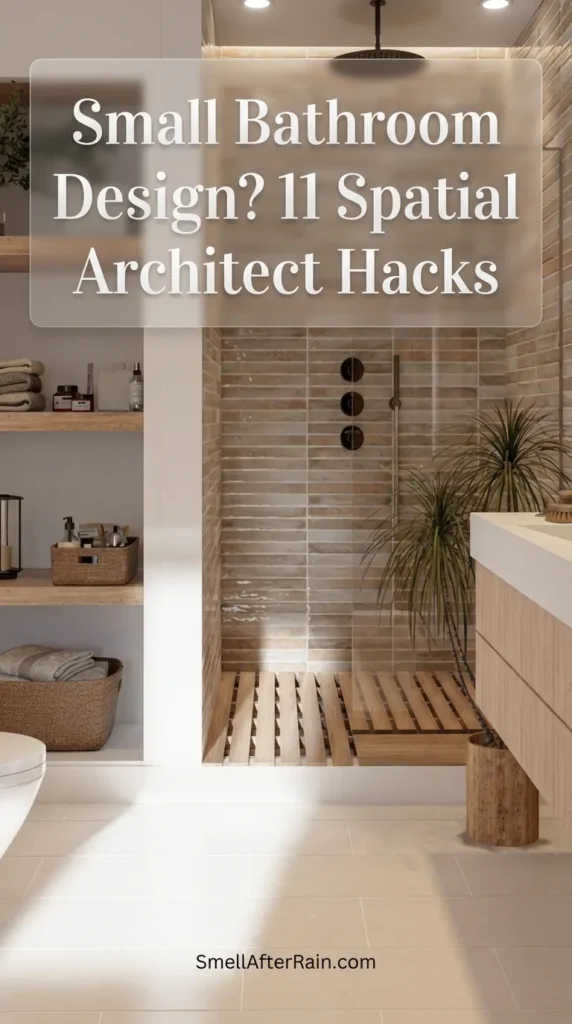
If you have an existing white bathroom, add warmth through texture. Add a wooden stool, a woven laundry basket, a vintage wool runner, and linen towels. Plants are also essential; a vase of fresh eucalyptus or a potted fern breathes life into sterile spaces.
In conclusion, creating a bathroom that resonates with the “Old Money” aesthetic is not about spending the most money, but about spending it wisely on materials that age gracefully. By focusing on natural stone, living metals, and architectural integrity, you create a space that offers daily respite and lasting value.