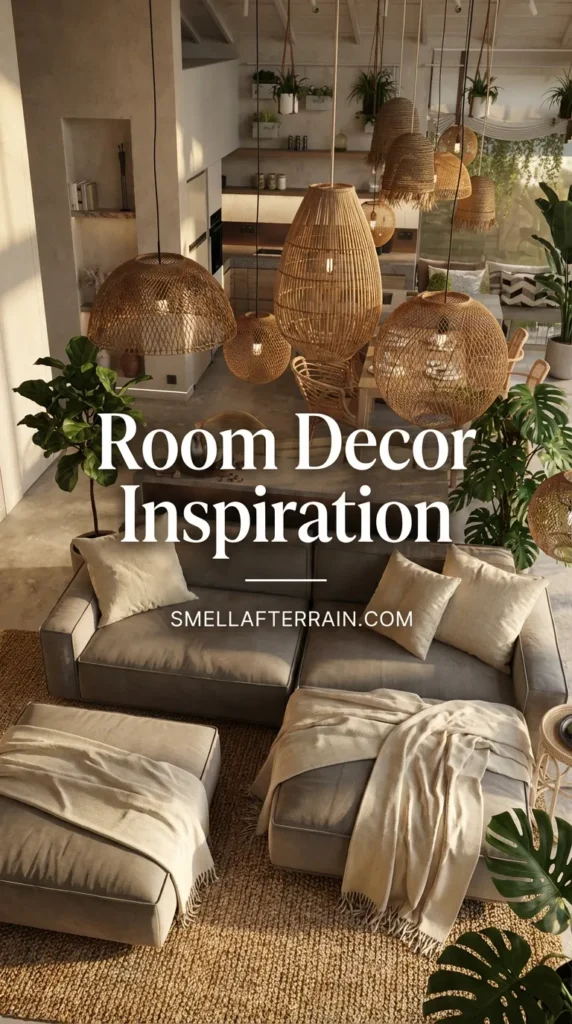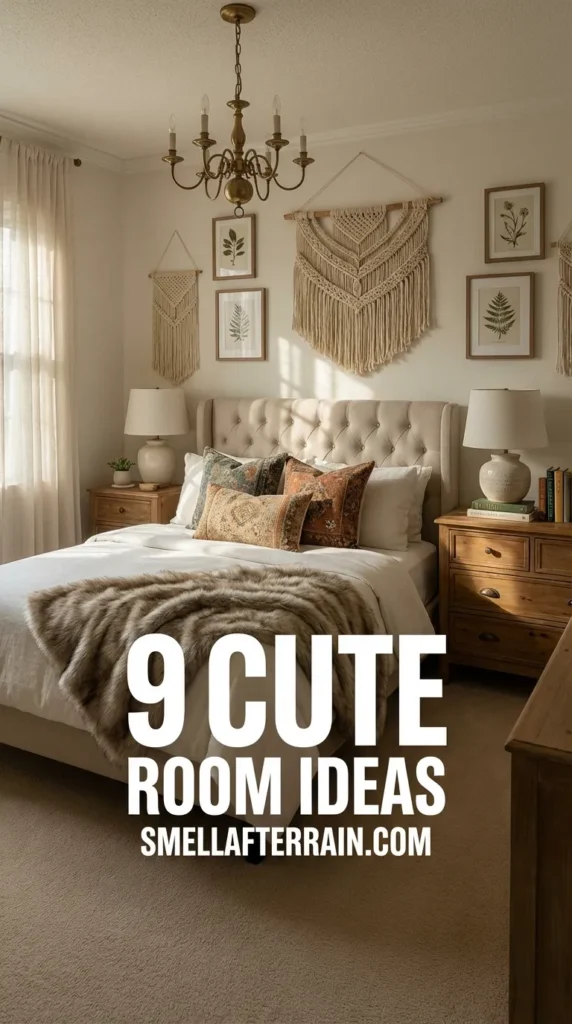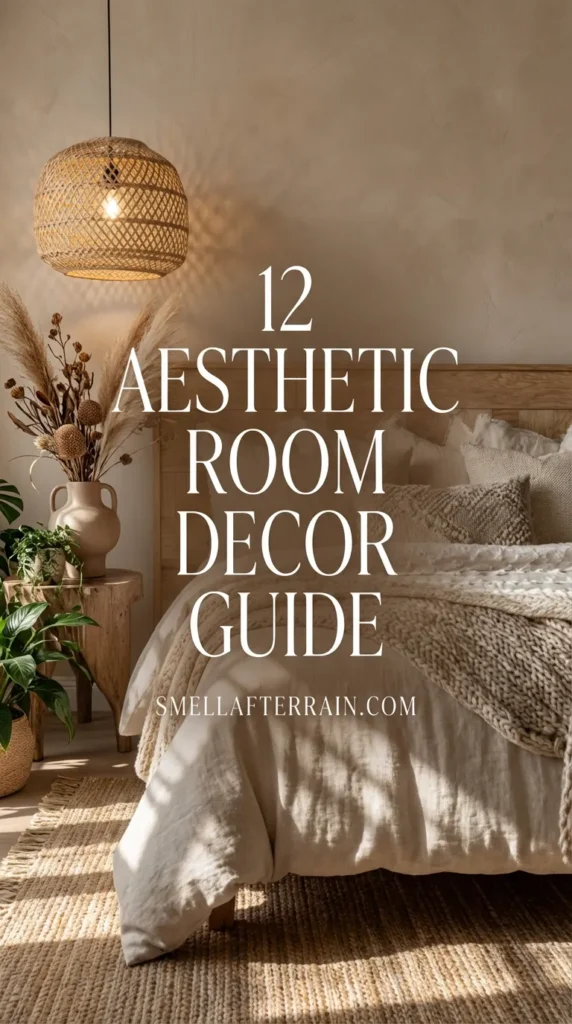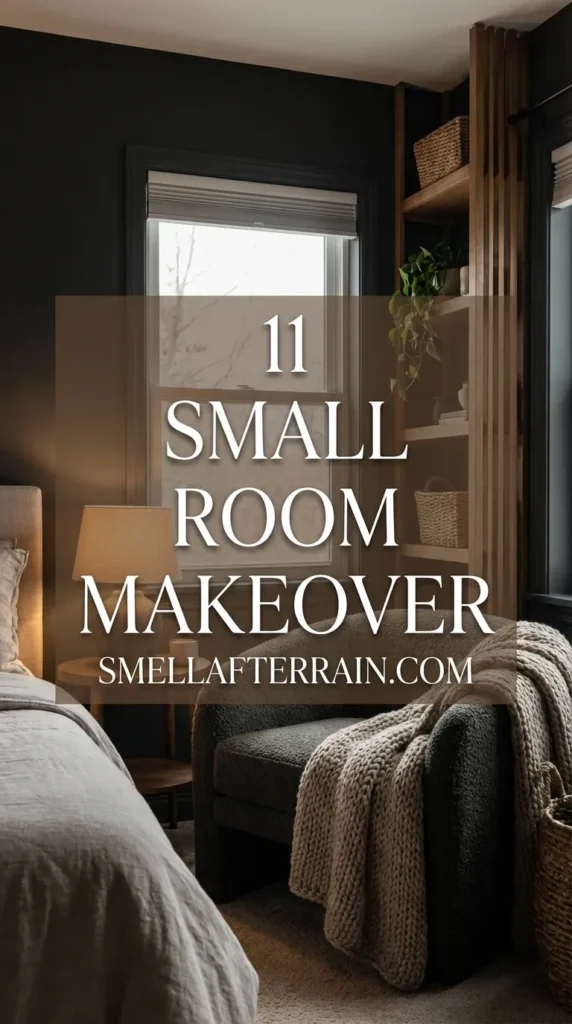
- 1. The Foundation of Memory: Grounding Your Space with Heritage Rugs
- 2. Emotional Lighting: Designing the Golden Hour
- 3. The Palette of the Past: Color Psychology Meets Nostalgia
- 4. Textural Healing: Why Your Room Needs a 'Hug'
- 5. The Solitary Sanctuary: Crafting a Narrative Book Nook
- 6. Living History: Biophilic Design and Heirloom Plants
- 7. The Gallery Wall: Curating a Visual Timeline
- 8. Sensory Rest: Bedding That Improves with Age
- 9. Scentscaping: The Invisible Layer of Decor
- 10. The 'Grandmother' Chair: Investing in Statement Seating
- 11. Filtering the World: Window Treatments with Softness
- 12. The Art of the Imperfect: Wabi-Sabi and DIY Decor
- Frequently Asked Questions
- Final Thoughts
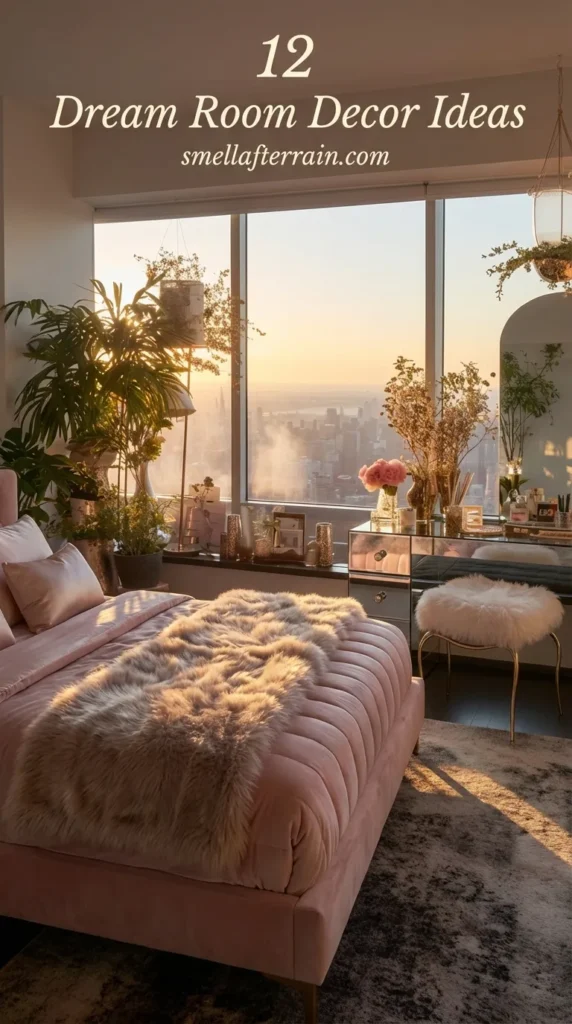
I’m sitting here clutching a ceramic mug of Earl Grey, the kind with the rough, unglazed bottom that warms your palms instantly. Steam is rising in thin, lazy ribbons, catching the afternoon light filtering through my linen curtains. It’s quiet, save for the rain tapping against the glass. This specific moment—the warmth of the tea, the softness of the light, the smell of damp earth—is exactly what I try to capture when I talk about dream room decor.
I used to think a dream room was about glossy magazines and matching furniture sets. I was wrong.
A true dream room isn’t a showroom; it’s a memory box. It’s a space that acts as a psychological anchor, grounding you when the world feels too fast and too loud. As I’ve moved away from rigid perfectionism, I’ve embraced the role of a “nostalgic historian” in my own home. I look for pieces that tell a story, textures that remind me of my grandmother’s house, and layouts that encourage deep, restorative breaths.
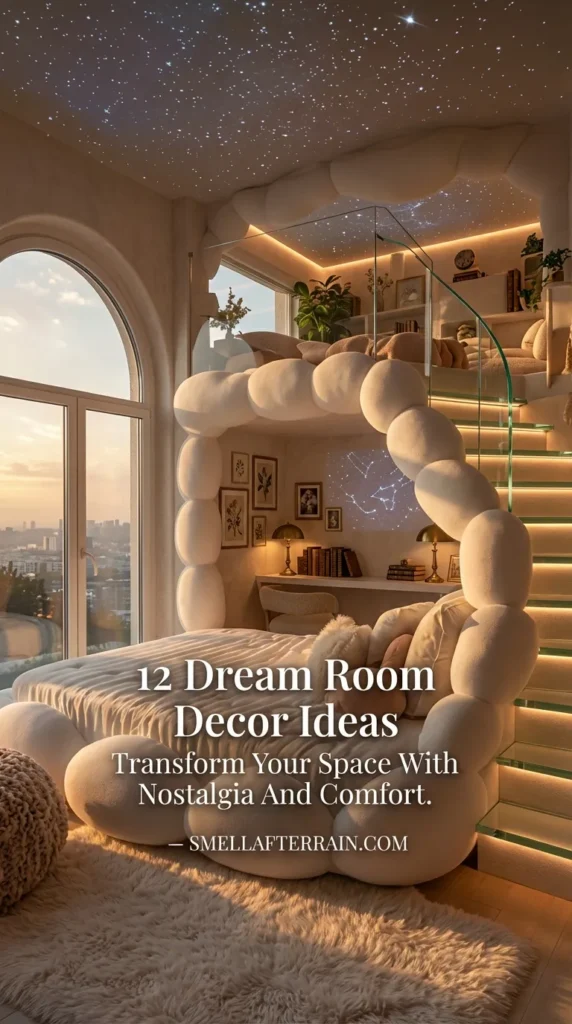
If you are looking for room decor inspiration that transcends trends and touches the soul, you’re in the right place. I’ve curated a list of twelve principles to help you build a space that feels less like a hotel and more like a hug.
1. The Foundation of Memory: Grounding Your Space with Heritage Rugs
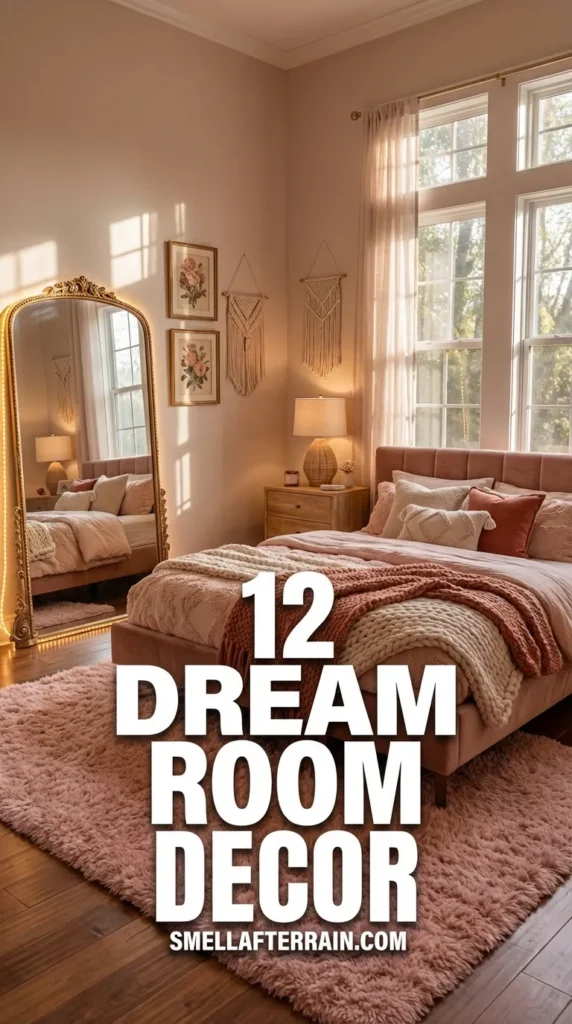
Whenever I start a room makeover, I look down first. The floor is the foundation of your room’s psychology. In modern design, we often see stark, cold floors that echo. But think back to the homes in your childhood memories.
You likely remember the softness underfoot. To create a dreamy room idea that lasts, I always suggest starting with a high-quality, preferably vintage or vintage-inspired rug. This isn’t just about aesthetics; it’s about acoustics and tactile grounding.
A thick wool rug dampens the sharp frequencies of modern life—the hum of the fridge, the traffic outside, the ping of a phone. It creates a cone of silence that signals to your brain: “It is safe to relax here.”
- The Material Matters: Look for wool or cotton blends. Synthetic fibers often feel slippery and cold, whereas natural fibers warm up with the room.
- The Pattern Play: Don’t be afraid of intricate patterns. A Persian-style rug hides life’s little messes and adds a layer of history that makes a new room feel established.
- Size Is Everything: A common mistake is buying a rug that floats in the middle of the room like a postage stamp. Ensure the front legs of your furniture sit on the rug to anchor the conversation area.
As I discussed in my thoughts on curating inviting living room spaces, the rug frames the experience of the room. It defines the boundary where the stress ends and the sanctuary begins.
2. Emotional Lighting: Designing the Golden Hour
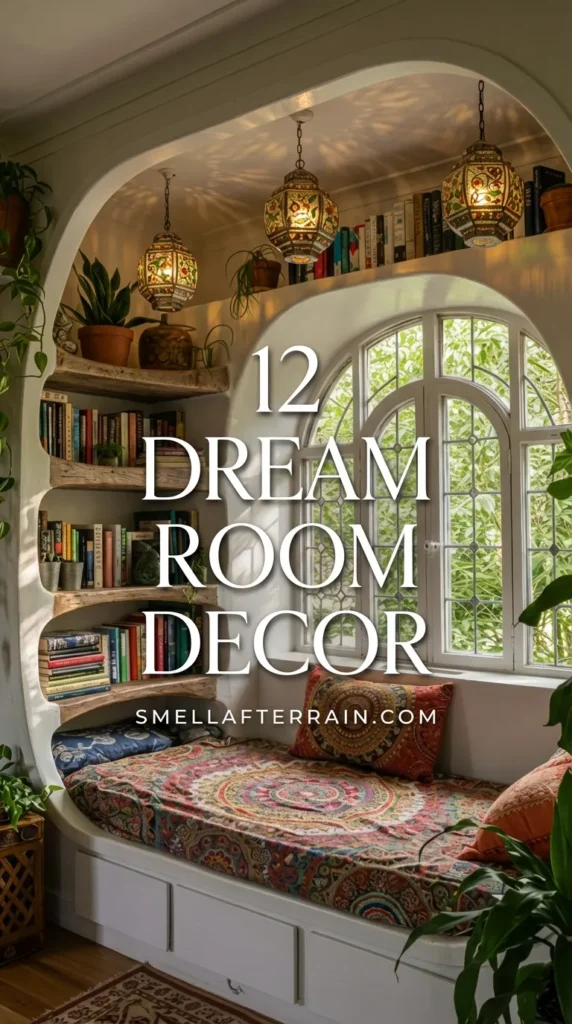
Have you ever noticed how everyone looks beautiful and feels calm during the “golden hour,” right before sunset? Your goal is to trap that feeling in a bottle—or rather, in a lightbulb.
Harsh, blue-tinted overhead lighting is the enemy of cool room decor. It triggers cortisol and reminds our biological clock of high noon, a time for work and alertness. For a dream room, we need to lower the center of gravity of the light.
I almost never turn on my “big light.” Instead, I rely on a constellation of lamps. I place them at eye level or lower. This mimics the ancestral comfort of a campfire. We are biologically wired to feel safe when light comes from below or the side, warm and flickering.
Elara’s Tip for Bulb Temperature: Always check the Kelvin rating on your bulbs. You want 2700K (Soft White). Anything above 3000K belongs in a hospital or a garage, not your sanctuary.
3. The Palette of the Past: Color Psychology Meets Nostalgia
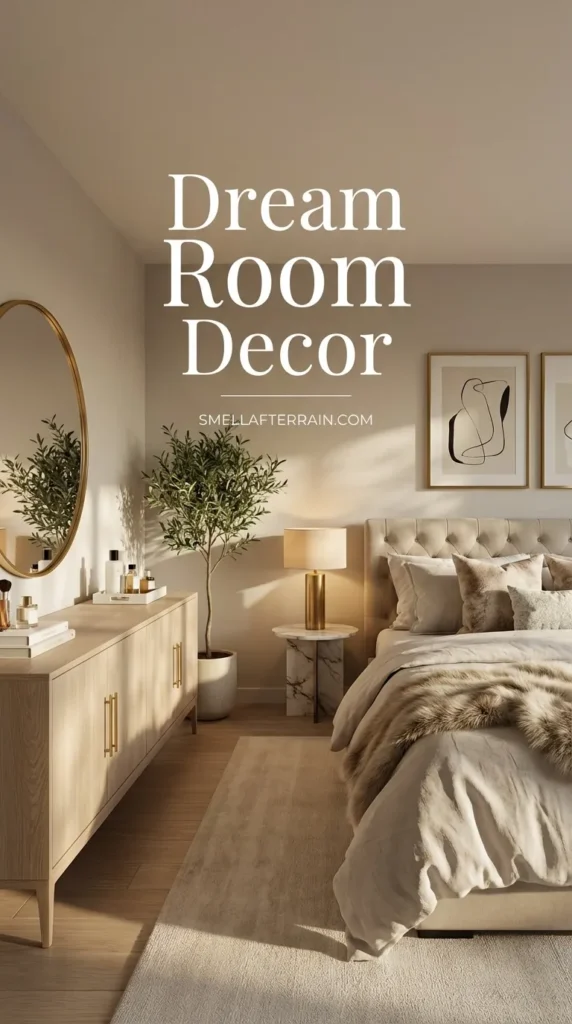
When choosing paint or textiles, I steer clear of the hyper-saturated colors often found in digital room inspo decor. Instead, I look to the past. I call them “heirloom colors.”
Think of colors that have been sun-faded over decades. A bright teal becomes a soothing dusty blue. A sharp emerald becomes a calming sage. A stark white becomes a creamy parchment.
These muted tones are psychologically soothing because they don’t demand your attention. They recede, allowing your mind to wander. In my own home, I painted the walls a color that reminds me of old book pages. It changes with the light, shifting from gray to cream to beige.
If you are exploring serene bedroom ideas for better sleep, try a monochrome palette. Layering different shades of the same vintage hue creates a visual continuity that allows the eye to glide effortlessly across the room.
4. Textural Healing: Why Your Room Needs a ‘Hug’
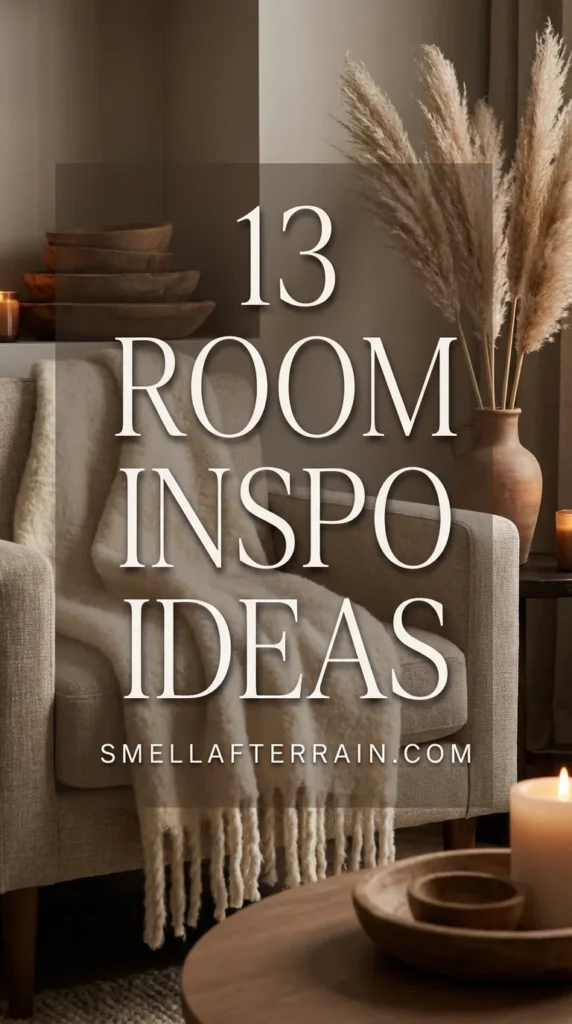
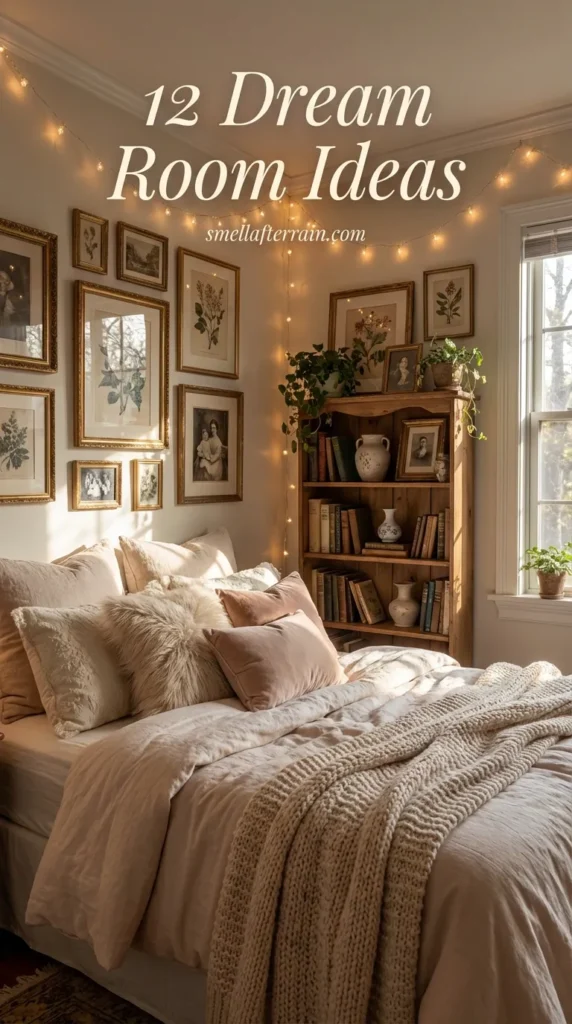
I realized recently that I touch my home as much as I look at it. I run my hand along the sofa back, I curl my toes into the carpet, I wrap myself in a throw. Texture is the secret language of aesthetic room decor.
To create a room that feels like a hug, you must contrast textures. If everything is sleek and smooth, the room feels slippery and uninviting. You need friction. You need the rough to appreciate the smooth.
Try this formula for every surface in your room:
- Something Rough: A jute basket, a raw wood table, or a stone planter.
- Something Soft: Velvet cushions, a cashmere throw, or a high-pile rug.
- Something Sleek: A glass vase, a brass lamp, or a polished mirror.
This interplay stimulates our sense of touch, grounding us in the physical moment and pulling us out of our digital anxieties.
5. The Solitary Sanctuary: Crafting a Narrative Book Nook
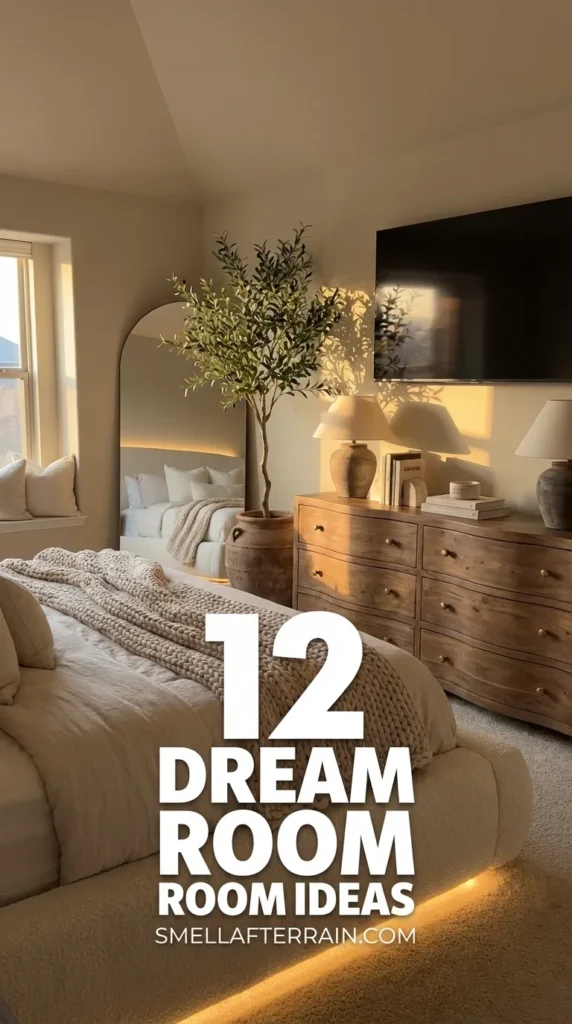
Even in a small apartment, you need a corner that is yours alone. This is where the concept of the “book nook” transcends simple reading. It is a declaration of solitude.
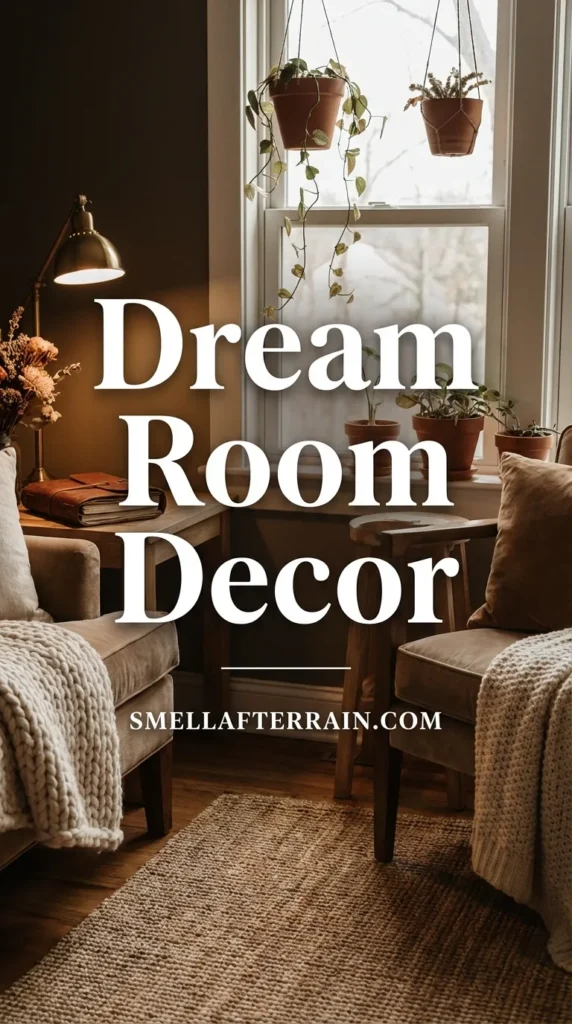
I have a corner chair that faces away from the television. It is paired with a small side table just big enough for that cup of tea I mentioned earlier. This setup invites me to stop. It invites me to pick up a physical book with paper pages.
When styling these corners, I refer back to my deep dive on creating cozy reading corners in small spaces. The key is enclosure. A floor lamp slightly arched over the chair, or a tall plant beside it, creates a subconscious canopy of protection.
Fill this space with things that have history. A stack of books you read in college. A bookmark from a trip. These items are anchors to your identity.
6. Living History: Biophilic Design and Heirloom Plants
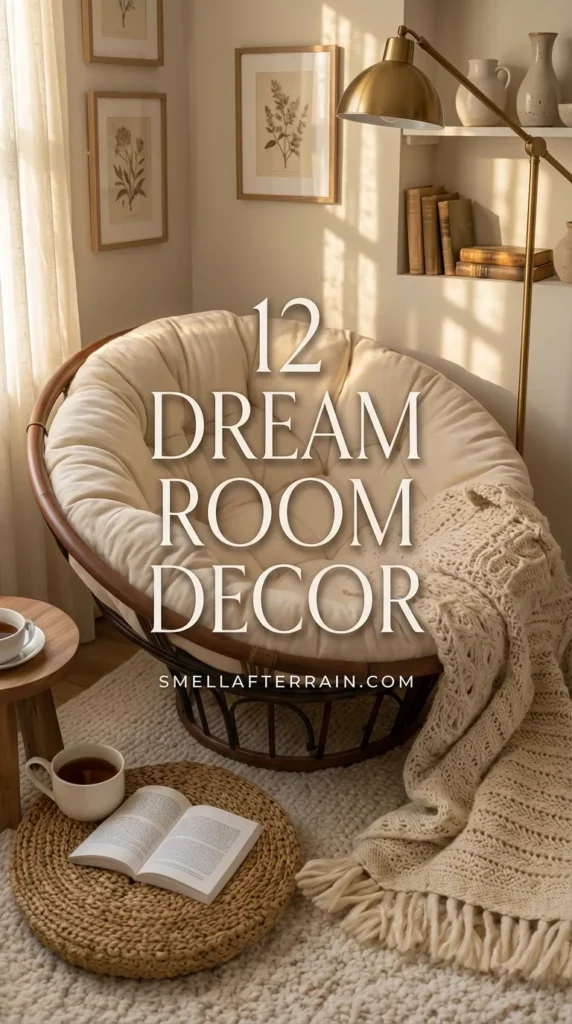
DIY room decor often focuses on crafts, but the ultimate DIY is growing something. Plants are living sculptures that change over time. They mark the seasons within your walls.
But beyond the aesthetic, biophilic design—bringing the outdoors in—lowers blood pressure and improves concentration. I prefer plants that feel wild and unmanicured. A Pothos vine trailing casually off a shelf feels more relaxed than a stiff, upright cactus.
I like to think of my plants as heirlooms in the making. My Monstera was a cutting from a friend’s plant, which was a cutting from her mother’s. When I water it, I am nurturing a lineage. That connection makes the room feel alive and loved.

7. The Gallery Wall: Curating a Visual Timeline
Forget generic art prints bought in bulk. Your walls should be a scrapbook of your life. The “Gallery Wall” is a classic concept, but I approach it as a historian.
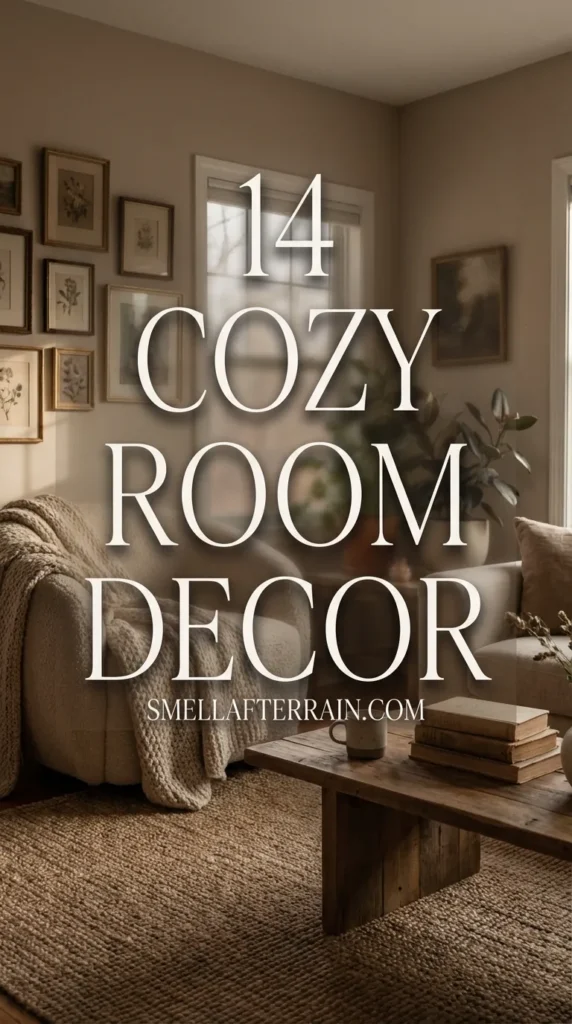
I mix mediums. I frame old postcards, pressed flowers from a summer walk, and black-and-white photos of my ancestors. I mix the frames, too—scavenging thrift stores for ornate gold frames to mix with simple wooden ones.
This eclectic mix prevents the room from feeling sterile. It gives the eye something to discover. When guests come over, they don’t just say, “Nice picture.” They ask, “What is the story behind this?”
For more on how to arrange these personal artifacts without clutter, I often reflect on the principles of balancing modern and vintage room decor. The goal is organized chaos—a collection that grew over time, not one purchased in a day.
8. Sensory Rest: Bedding That Improves with Age
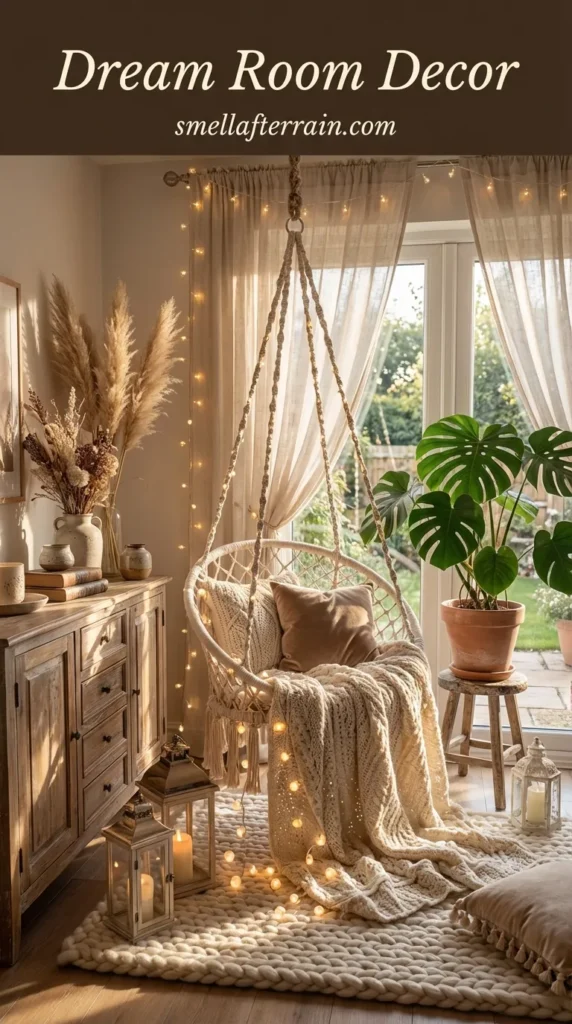
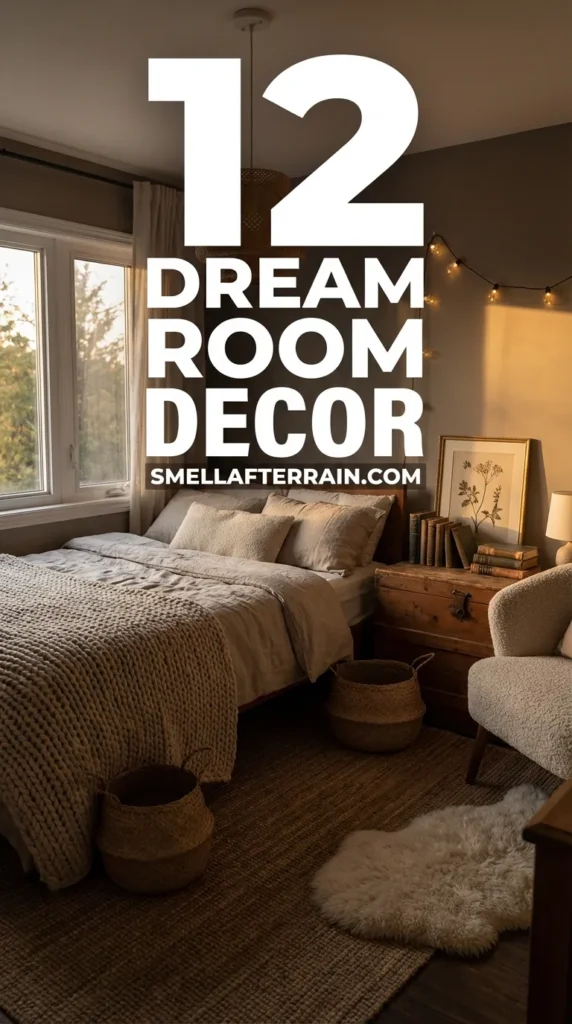
If we are talking about dream room ideas, we cannot ignore the bed. It is the altar of rest. In my quest for the perfect sleep environment, I’ve abandoned high-thread-count cotton for pure linen.
Linen is a historical fabric. It has been used for thousands of years for a reason. It regulates temperature, keeping you cool in summer and warm in winter. But the magic is in the texture. It starts slightly crisp and rough, but with every wash, it breaks down and becomes softer.
There is something profound about owning bedding that gets better the longer you use it. It resists the disposable culture of modern living. Layer your bed with a heavy duvet and a knitted throw to add weight, which acts like a mild form of deep pressure therapy to calm the nervous system.
9. Scentscaping: The Invisible Layer of Decor
You can have the most beautiful room makeover ideas visually, but if the room smells sterile or stale, the illusion breaks. Scent is the strongest trigger for memory.
I use “scentscaping” to define the mood of my rooms. In the morning, I might diffuse something bright like bergamot or lemon to energize the space. In the evening, as I wind down, I switch to deeper, earthier scents.
My favorites are sandalwood, cedar, and amber. These are ancient scents. They smell like old libraries and wood fires. They add a layer of depth to the room that you feel before you even see the decor. Avoid synthetic, sugary smells; aim for scents that exist in nature.
10. The ‘Grandmother’ Chair: Investing in Statement Seating
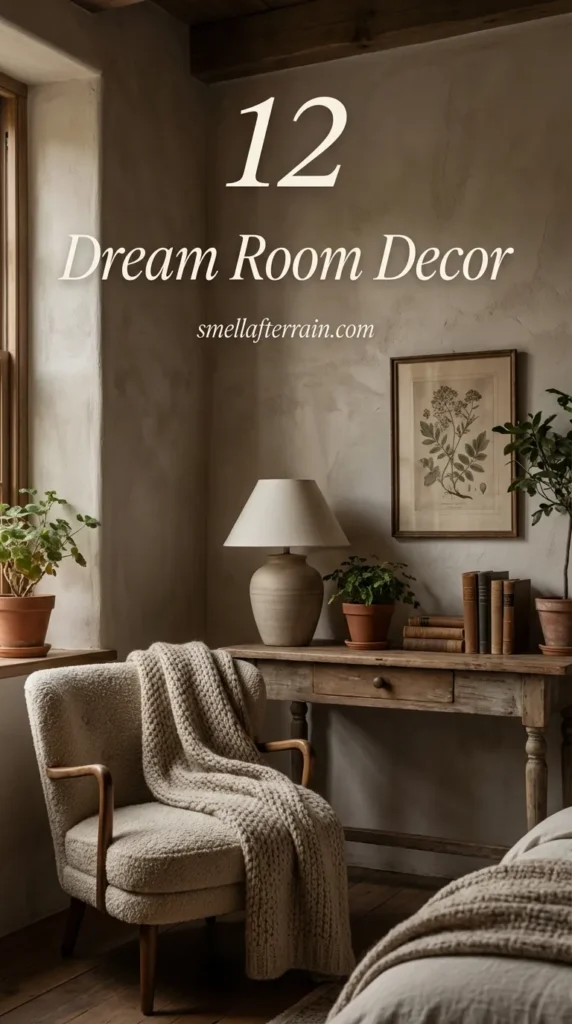
Every dream room needs a throne. I don’t mean a literal throne, but a chair that commands respect. I call this the “Grandmother Chair.” It’s that one piece of furniture that looks like it has seen everything.
Maybe it’s a worn leather armchair with cracks that look like a map. Maybe it’s a velvet wingback. This piece shouldn’t necessarily match your sofa. It should stand apart.
I believe in investing in pieces that will outlive me. When you look at high-end room makeover ideas that last, the common thread is craftsmanship. A solid wood frame, hand-tied springs, quality upholstery. These pieces carry an energy of stability that cheap, flat-pack furniture simply cannot replicate.
11. Filtering the World: Window Treatments with Softness
Windows are the eyes of the room, but they are also the barrier between your sanctuary and the chaotic world outside. How you dress them determines how much of that chaos you let in.
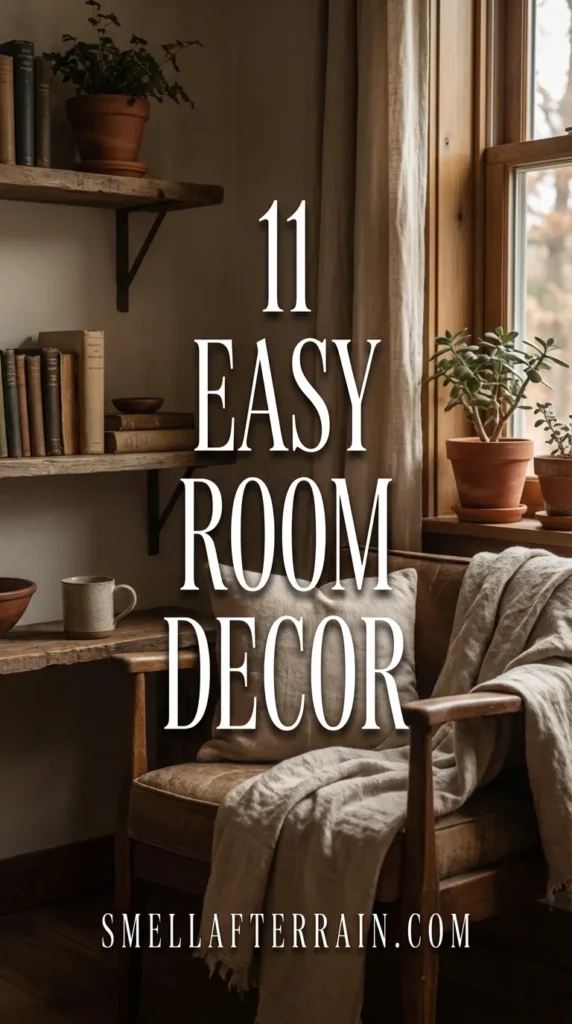
I love layering window treatments. I start with a sheer linen curtain closest to the glass. This acts as a filter, softening the harsh sunlight and blurring the view of the street, turning the outside world into an impressionist painting.
Over that, I layer heavier drapes—velvet or thick cotton—in a color that matches the walls or the rug. Drawing these curtains at night is a ritual. It signifies the closing of the day and the securing of the home. It’s a physical boundary that helps me mentally switch off.

12. The Art of the Imperfect: Wabi-Sabi and DIY Decor
Finally, the most important element of cute room ideas is imperfection. The Japanese concept of Wabi-Sabi teaches us to find beauty in the broken, the old, and the temporary.
Don’t rush to fix a chipped paint frame. Don’t worry if your ceramic bowl has a crack (maybe fill it with gold kintsugi-style). These imperfections show that the home is lived in. It is proof of life.
I love incorporating DIY room decor that celebrates this. Hand-painting a terracotta pot, even if the lines aren’t straight. Sewing a pillow cover from an old shirt. These items carry your personal energy. They are unique to you. In a world of mass production, the most luxurious thing you can own is something that cannot be bought.
For more inspiration on bringing personality into functional spaces, check out my collection of unique kitchen styling ideas where imperfection creates warmth.
Frequently Asked Questions
How can I make my room look dreamy on a budget?
Focus on lighting and textiles first. Changing your lightbulbs to warm 2700K bulbs is cheap and instantly changes the mood. Then, check thrift stores for oversized sweaters or blankets that can be repurposed into pillow covers. A dream room is about atmosphere, not expensive furniture.
What is the best color for a relaxing room?
While blue is traditionally cited, I find that warm neutrals and earth tones are more wrapping. Think oatmeal, terracotta, sage green, or warm gray. These colors mimic nature and feel less clinical than cool blues or stark whites.
How do I mix modern and vintage decor without it looking messy?
Follow the 80/20 rule. Keep 80% of your large pieces (sofa, bed, rug) relatively simple and timeless. Use the remaining 20% for vintage accents (lamps, art, side tables). This allows the vintage pieces to stand out as focal points rather than competing for attention.
Can I make a small room feel like a dream room?
Absolutely. Small rooms are actually easier to make cozy! Embrace the smallness. Paint the walls and ceiling the same color to blur the boundaries. Use vertical space for shelves to draw the eye up. Treat it like a jewel box rather than trying to make it look big.
How do I find my personal decor style?
Stop looking at Pinterest for a week. Look at your closet. What fabrics and colors do you wear? Look at the movies you love. What sets do you want to live in? Your home should be an externalization of your internal world. Start with one item you absolutely love and build around it.
What if I live in a rental and can’t paint?
Focus on what you can cover. Large area rugs cover ugly floors. Peel-and-stick wallpaper is a lifesaver for accent walls. Also, never underestimate the power of art. Large-scale art (even a DIY canvas) can dominate a wall so much that you don’t notice the paint color behind it.
Why does my room feel “cold” even with decor?
It’s likely a texture issue. If you have smooth floors, smooth walls, and smooth leather furniture, there is nothing to absorb light or sound. Add a chunky knit blanket, a woven basket, or velvet curtains. You need soft, light-absorbing materials to add warmth.
Final Thoughts
Creating your dream room isn’t a race. It’s a slow collection of moments, feelings, and objects that tell your story. As I finish my tea—now slightly cold, but still comforting—I look around my room and see the layers of my life reflected back at me. That is the goal.
So, take your time. Hunt for that perfect vintage chair. Wait for the rug that speaks to you. Let your home grow with you. After all, the best rooms are the ones that make you want to stay inside, especially when it rains.