- The Psychology of Coziness: Redefining the Heart of the Home
- Color Theory: The Palette of Warmth and Earthy Tones
- Material Science: Texture, Patina, and Tactile Design
- The Illumination Guide: Lighting Temperature and Layering
- Small Cozy Kitchen Solutions: Maximizing Charm in Compact Spaces
- Vintage Aesthetics: Infusing Nostalgia and History
- Softening the Edges: Textiles, Rugs, and Window Treatments
- The Open Kitchen Dilemma: Zoning for Intimacy
- Sensory Design: Scent, Sound, and Biophilia
- Frequently Asked Questions
In recent years, the world of interior design has witnessed a massive shift away from the sterile, high-gloss laboratories that kitchens once resembled. We are moving collectively toward the cozy kitchen aesthetic—a style that prioritizes comfort, warmth, and a lived-in atmosphere over pristine perfection. A kitchen is no longer just a utilitarian space for food preparation; it is the emotional anchor of the household. Whether you are browsing Smell After Rain for general inspiration or looking specifically to overhaul your culinary space, understanding the nuances of cozy design is essential.
Creating a cozy house kitchen is about more than just tossing a throw blanket on a bench; it is an architectural and stylistic approach that layers texture, history, and light. In this comprehensive encyclopedia of cozy kitchen ideas, we will explore the materials, layouts, and design philosophies that transform cold rooms into inviting sanctuaries.
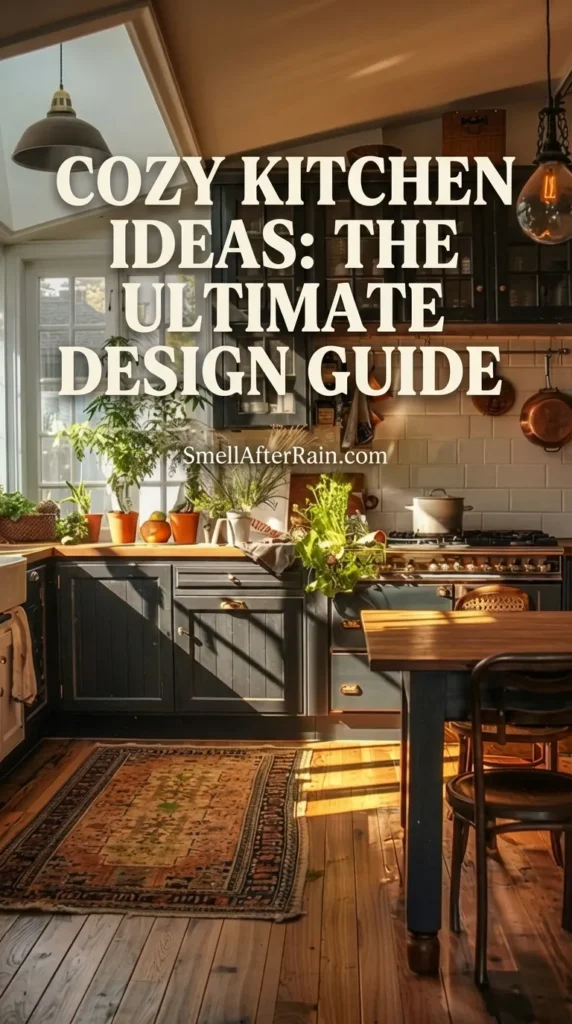
The Psychology of Coziness: Redefining the Heart of the Home
To truly master cozy kitchen design, one must first understand the psychological impact of space. Coziness, often associated with the Danish concept of hygge, triggers a physiological response of relaxation. In a kitchen setting, this means reducing visual noise and harsh lines.
A cosy kitchen acts as a retreat. It invites people to linger. The psychology here relies heavily on “enclosure” and “safety.” Even in an open kitchen layout, the goal is to create pockets of intimacy where the sheer scale of the room doesn’t overwhelm the human experience. We achieve this through visual weight—grounding the room with darker cabinets or substantial islands—and sensory inputs that signal to the brain that this is a safe, warm environment.
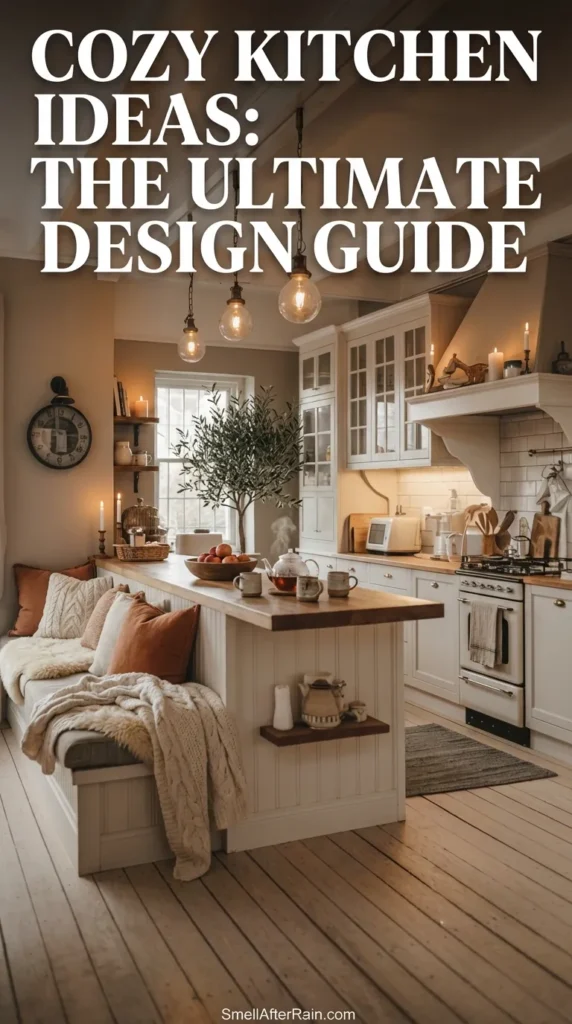
Color Theory: The Palette of Warmth and Earthy Tones
The foundation of any earthy kitchen lies in its color palette. Stark whites and cool grays, which dominated the early 2010s, are often the antithesis of cozy. To warm up a space, we must look to nature.
The Power of Neutrals
Warm neutrals are the backbone of this aesthetic. Think mushroom greige, creamy off-whites (avoiding blue undertones), and soft taupes. These colors reflect light softly rather than bouncing it harshly, creating a glow rather than a glare.
Rich, Earthy Accents
For a truly cozy kitchen decor scheme, incorporate deep, grounded hues:
- Terracotta and Rust: These reddish-brown tones evoke the feeling of clay and hearth.
- Sage and Olive Green: Green connects the indoors with the outdoors, providing a calming effect.
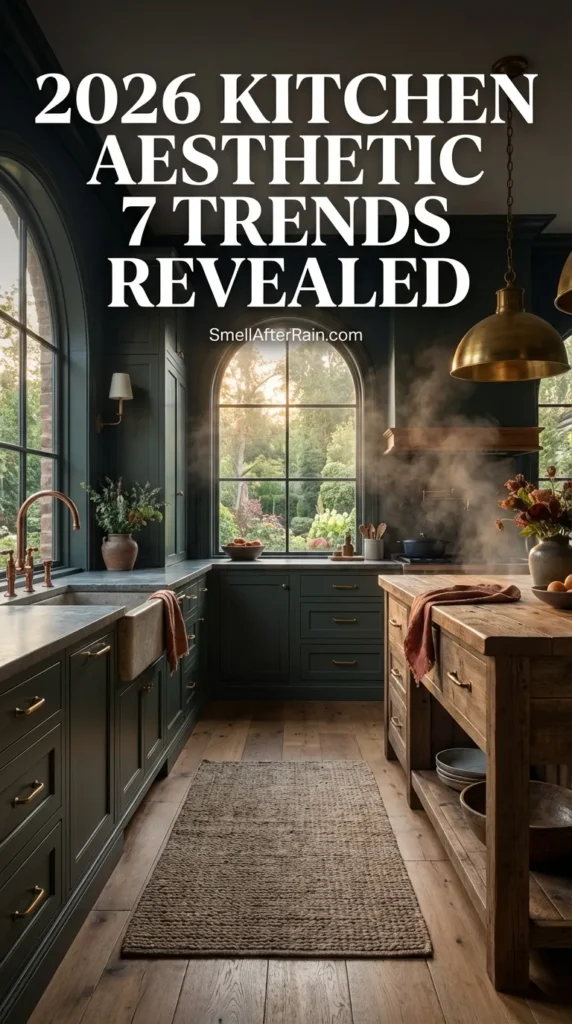
- Moody Blues and Charcoals: Used on lower cabinets, these dark tones ground the space, making the room feel enveloped and secure.
If you are looking for more specific palette examples, our collection of kitchen ideas showcases how these colors interact in real-world settings.
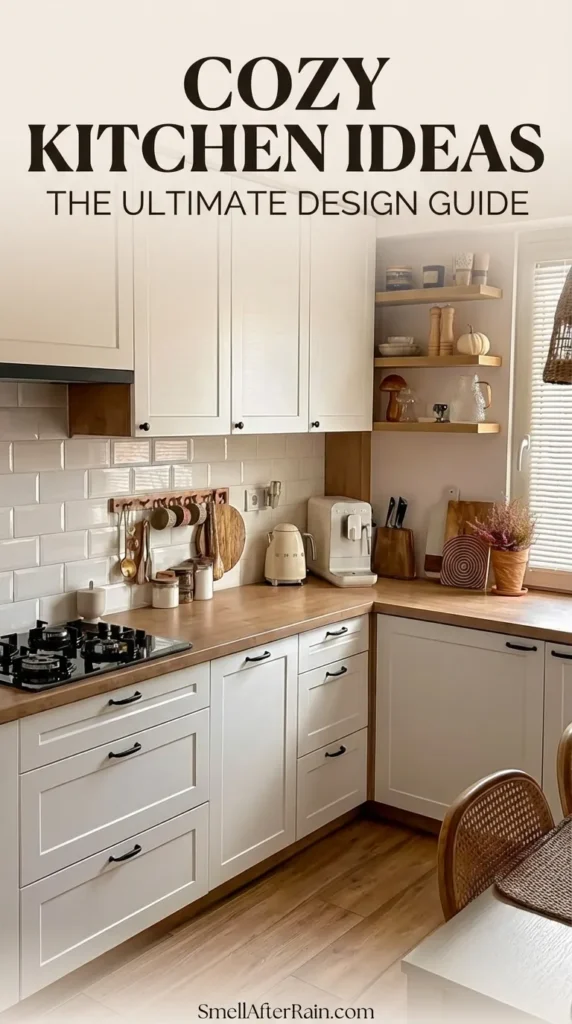
Material Science: Texture, Patina, and Tactile Design
Texture is the secret weapon of the cozy kitchen aesthetic. If everything in your kitchen is smooth, shiny, and new, it will feel cold. Coziness requires friction—surfaces that stop the eye and invite the hand.
The Warmth of Wood
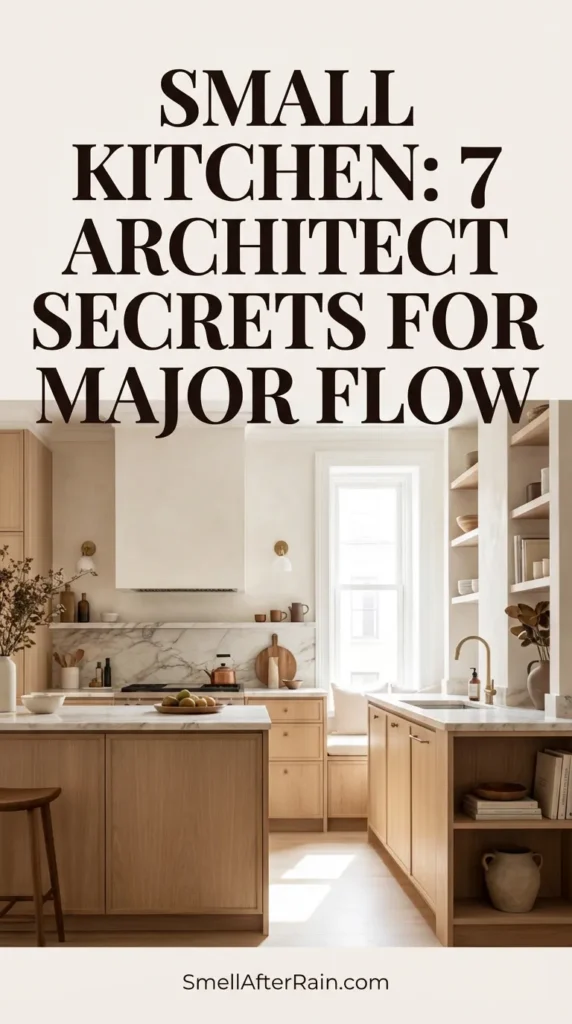
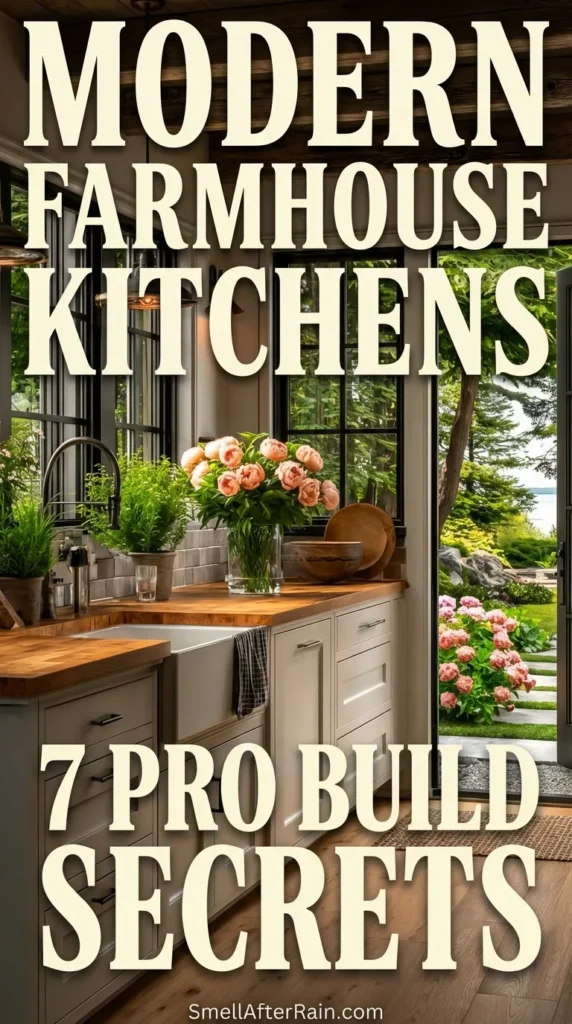
Wood is non-negotiable. Whether it is reclaimed wood beams on the ceiling, a butcher block island, or hardwood floors, wood introduces organic irregularity. In a vintage kitchen, the imperfections in the wood—the knots, the grain, the wear patterns—tell a story. Walnut provides a rich, dark luxury, while white oak offers a lighter, Scandinavian warmth.
Living Finishes
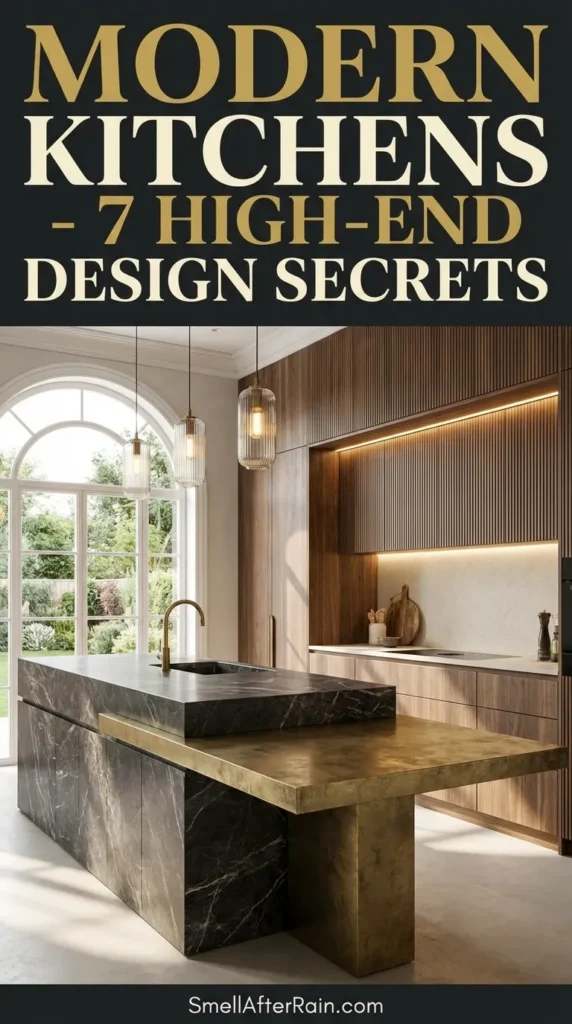
Swap out chrome and stainless steel for “living finishes.” Unlacquered brass, oil-rubbed bronze, and polished nickel are metals that patina over time. They develop a unique character based on how you use your kitchen. This aging process makes the room feel established and timeless, rather than factory-fresh.
Stone and Brick
Exposed brick walls or a stone backsplash add immense visual weight and history. If you don’t have existing architecture to expose, Zellige tiles are a fantastic alternative. These Moroccan clay tiles are hand-molded, meaning no two are perfectly flat. They catch the light unevenly, creating a shimmering, watery effect that is incredibly softening.
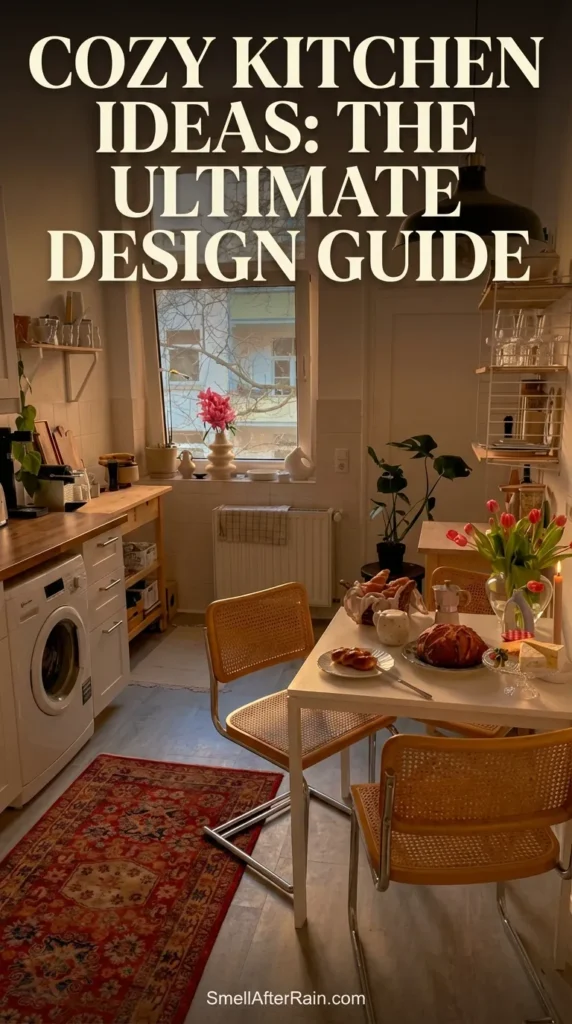
The Illumination Guide: Lighting Temperature and Layering
You cannot have a cozy space with hospital-grade lighting. The color temperature of your bulbs determines the entire mood of the room.
Kelvin Scale Mastery
For a cozy environment, stick to bulbs between 2700K and 3000K. Anything above 3000K veers into cool, blue daylight, which is energetic but not relaxing. 2700K mimics the glow of incandescent filaments or candlelight.
The Art of Layering
Relying on a single grid of recessed can lights is a design mistake. To achieve that warm glow, you need three layers:
- Ambient: The general overhead light (dimmable recessed lights).
- Task: Under-cabinet lighting (essential for cooking) and pendants over the island.
- Accent: This is where the magic happens. A small table lamp on the counter, a picture light over open shelving, or wall sconces. These pools of light create shadows and depth, which are essential for atmosphere.
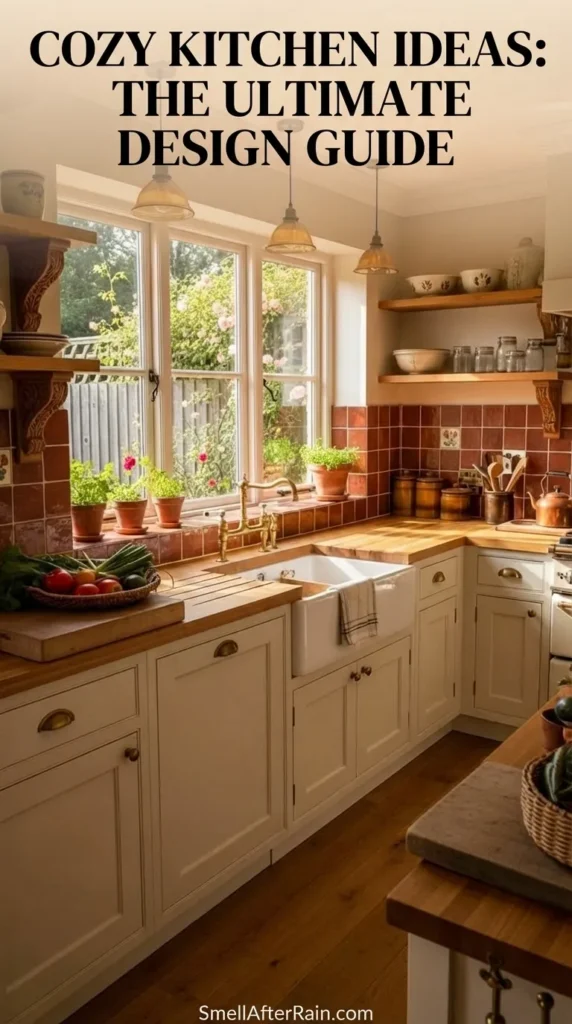
Small Cozy Kitchen Solutions: Maximizing Charm in Compact Spaces
Ironically, a small cozy kitchen is often easier to design than a massive one. The spatial constraints naturally create intimacy. However, the line between “cozy” and “cluttered” is fine.
Verticality and Storage
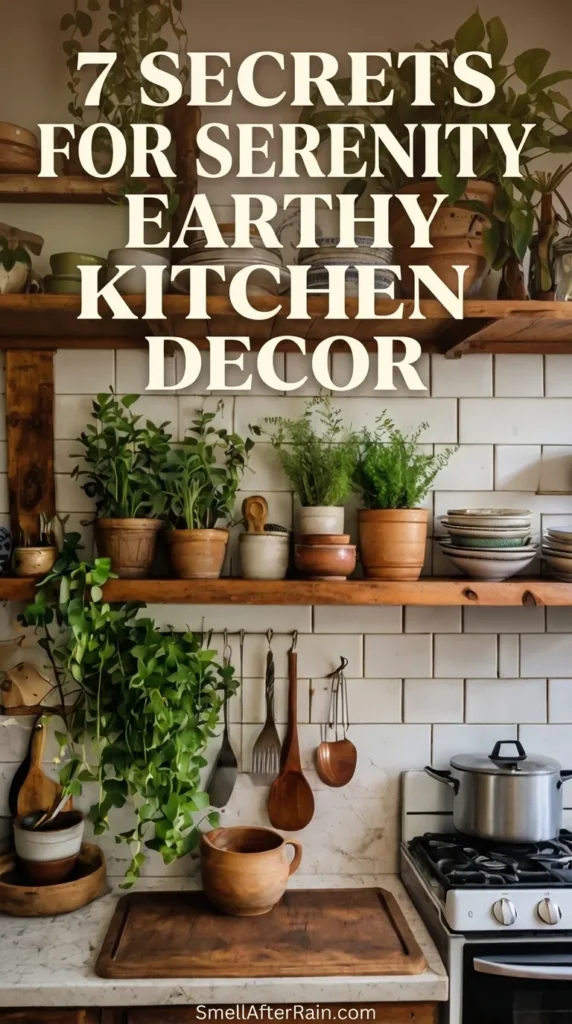
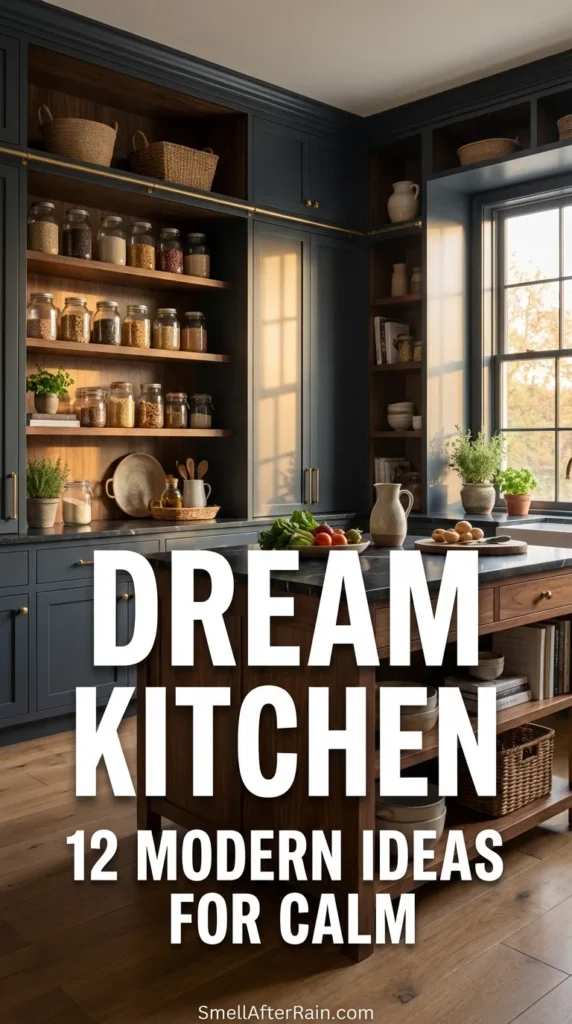
In small spaces, utilize the walls. A pot rack displaying copper cookware acts as decor while freeing up cabinet space. Open shelving can make a small room feel airier, preventing the “box effect” of upper cabinets. However, curate what you display—ceramics, glass jars, and cookbooks add warmth; cereal boxes do not.
The Jewel Box Effect
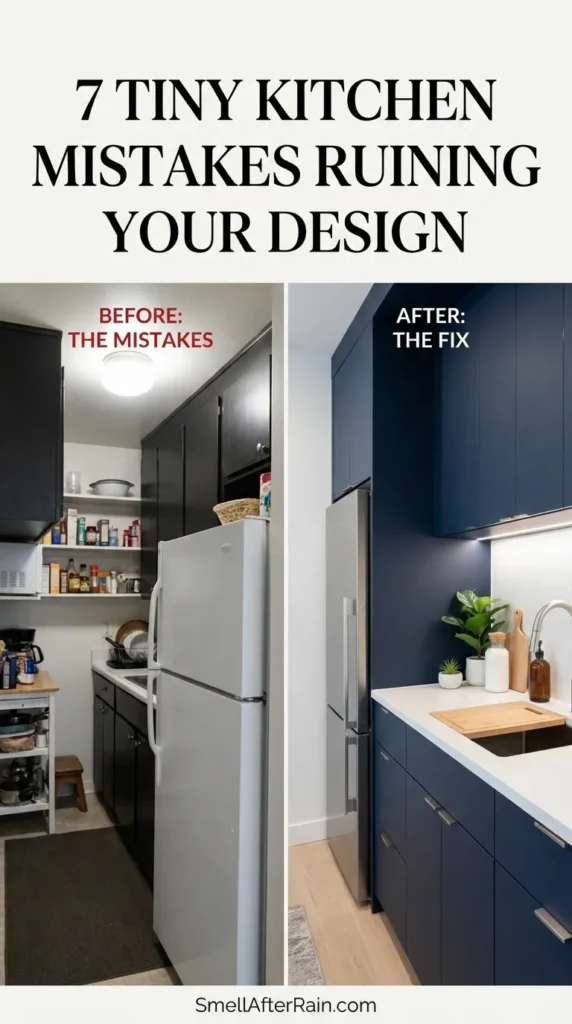
Don’t be afraid of dark colors in a small kitchen. Painting a small kitchen a deep forest green or navy can create a “jewel box” effect, blurring the corners of the room and making it feel like a comforting cocoon. This creates a similar vibe to the intimate spaces found in our book nooks gallery.
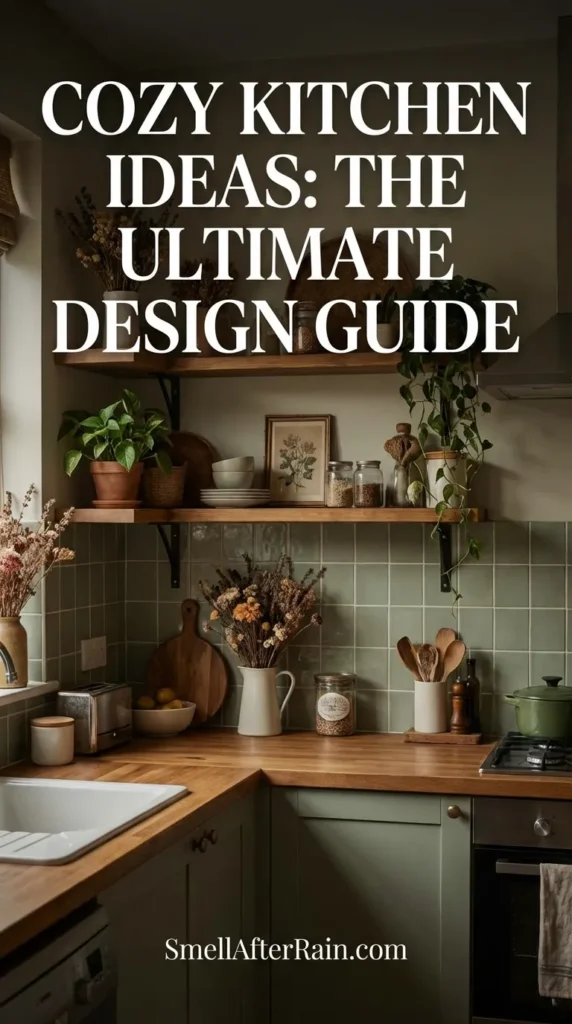
Vintage Aesthetics: Infusing Nostalgia and History
A vintage kitchen style inherently feels cozier because it leverages nostalgia. It reminds us of a grandmother’s kitchen or a country cottage.
Thrifting and Upcycling
Incorporating a standalone piece of furniture, like an antique pine hutch or a farmhouse table used as an island, instantly adds soul. These pieces break the monotony of fitted cabinetry. Look for items with turned legs, original hardware, and worn paint.
Hardware and Fixtures
Swap modern bar pulls for bin pulls or glass knobs. Install a bridge faucet with cross handles. These small ergonomic touchpoints transmit the feeling of the past every time you wash a dish or open a drawer.
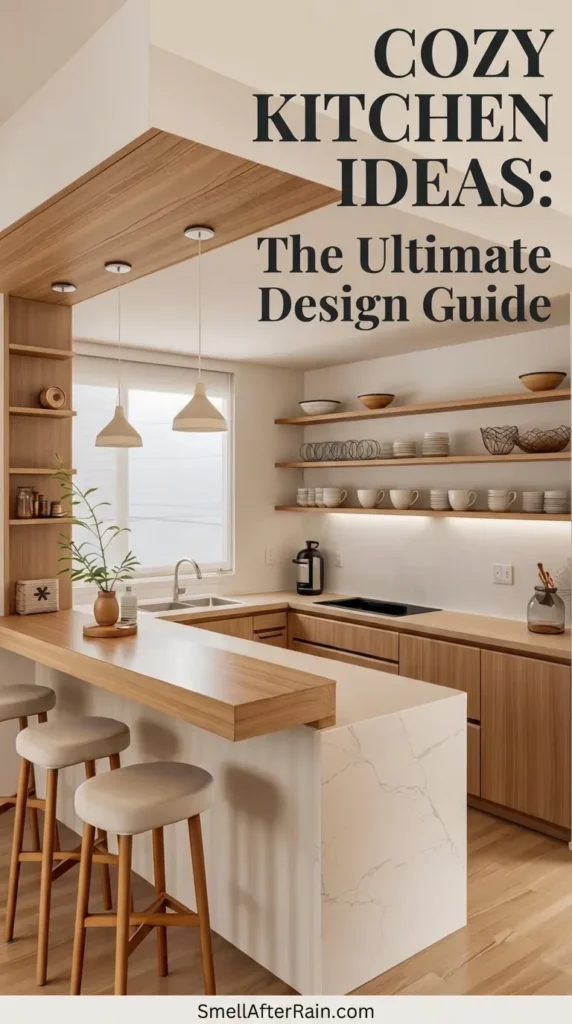
Softening the Edges: Textiles, Rugs, and Window Treatments
Kitchens are full of hard surfaces: stone, tile, wood, metal. To balance this, you must introduce softness through textiles.
The Kitchen Rug
Many people fear rugs in the kitchen, but a vintage runner (usually wool, which is naturally stain-resistant) placed between the island and the sink adds color, pattern, and underfoot comfort. It dampens sound, reducing the echo that often occurs in tiled rooms.
Window Dressings
Skip the aluminum blinds. Opt for a Roman shade in a linen fabric or a “cafe curtain” (which covers only the bottom half of the window). Cafe curtains offer privacy while letting light in, and the gathered fabric adds a romantic, cottage-like softness.
Just as you would layer textures in a sleeping space (see our bedroom ideas for reference), the kitchen deserves the same tactile attention. Linen tea towels, seat cushions on dining chairs, and even a small upholstered armchair in a corner can revolutionize the feel of the room.
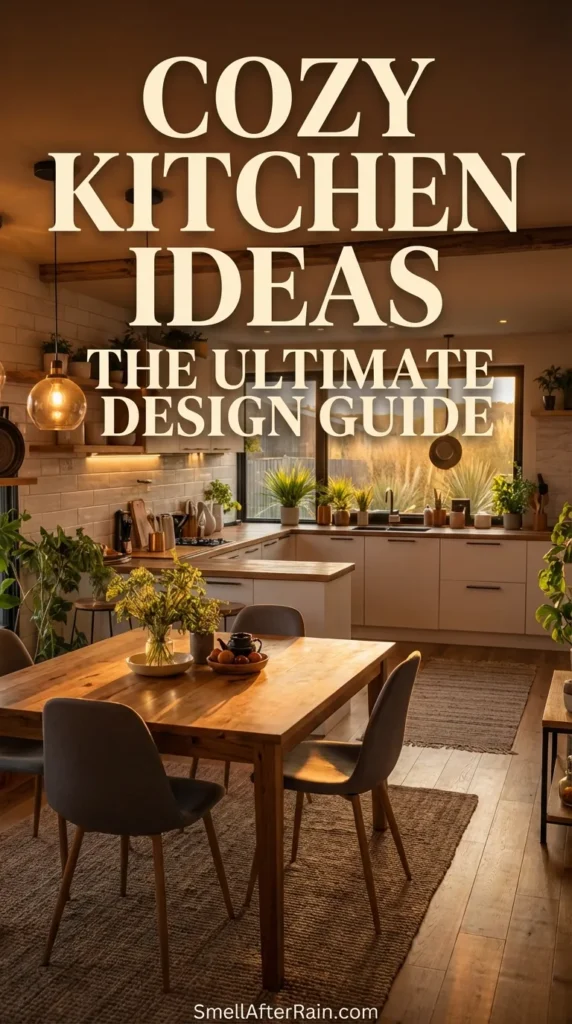
The Open Kitchen Dilemma: Zoning for Intimacy
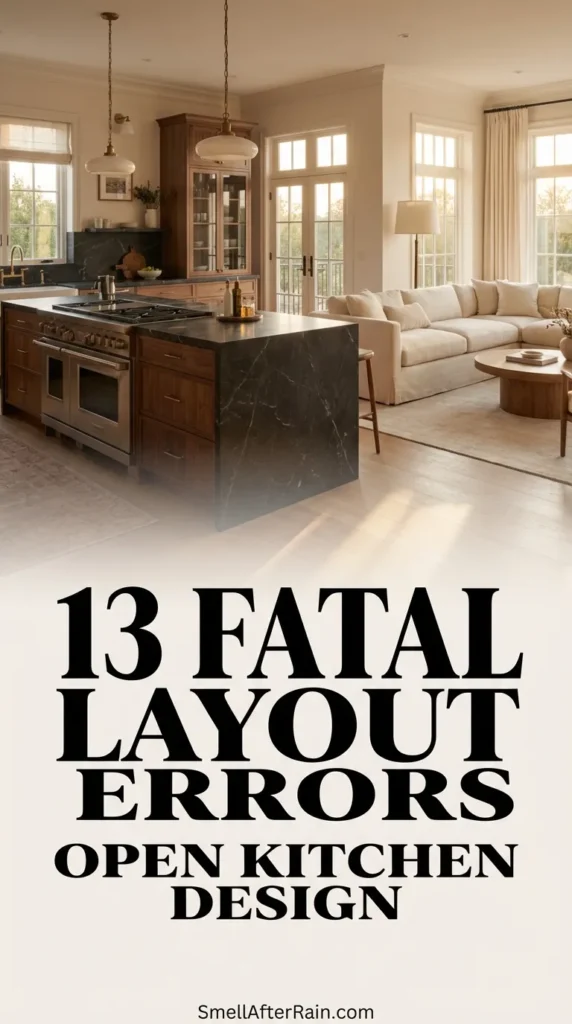
The open kitchen is popular for real estate value, but it can often feel like a cavernous hall. The challenge is to define the kitchen zone without building walls.
Ceiling Treatments
Use the ceiling to define the space. Wooden beams or a coffered ceiling specifically over the kitchen area can visually lower the ceiling height, making the space feel more contained and intimate.
Visual Anchors
A large, low-hanging pendant light over the island or dining table creates a “center of gravity.” This pulls the eye down and establishes a gathering spot. Visit our guide on rooms and nooks to see how zoning creates distinct atmospheres within larger open plans.
Sensory Design: Scent, Sound, and Biophilia
Finally, cozy kitchen design extends beyond the visual.
Biophilia (Plant Life)
Plants bring life to a static room. Fresh herbs on the windowsill are practical and beautiful. A trailing Pothos on top of the fridge softens the hard, industrial edge of the appliance. Terracotta pots contribute to that earthy palette we discussed earlier.
Scentcaping
The smell of a kitchen defines its coziness. While cooking smells are natural, maintaining a background scent of vanilla, cinnamon, or citrus through candles or simmer pots ensures the kitchen is always welcoming, even when not in use.

Frequently Asked Questions
1. How can I make my modern white kitchen feel cozy without renovating?
You don’t need to tear out cabinets to warm up a white kitchen. Focus on “warming” accessories. Add wooden cutting boards leaned against the backsplash to break up the white. Introduce a vintage runner rug with warm red or brown tones. Swap cool daylight bulbs (4000K) for warm white bulbs (2700K-3000K). Add a small table lamp to the counter and use amber glass soap dispensers. These small changes reduce the clinical feel significantly.
2. Are rugs sanitary in a kitchen?
Yes, if you choose the right material. Vintage wool rugs are excellent because wool has natural lanolin that repels liquids and stains. Alternatively, modern washable rugs (like Ruggable) allow you to have the aesthetic of a rug with the ability to machine wash it. Avoid high-pile or shag rugs which trap crumbs; stick to flat-weave or low-pile options.
3. What is the best paint color for a cozy small kitchen?
While white expands space, it doesn’t always equal “cozy.” For a small cozy kitchen, consider mid-tone warm neutrals like “Greige” (a mix of gray and beige) or soft earthy tones like Sage Green or Terracotta. If you are bold, a dark charcoal or navy can blur the boundaries of the room, creating a snug, enveloping feel. Ensure you have adequate lighting if you go dark.
4. How do I add vintage charm to a standard rental kitchen?
In a rental, you are limited on structural changes. Focus on: 1) Changing cabinet knobs (keep the old ones to swap back). 2) Using peel-and-stick wallpaper or backsplash tiles in vintage patterns. 3) Styling with thrifted decor—copper canisters, wooden bowls, and vintage art leaning on counters. 4) Laying down a large area rug to cover generic rental flooring.
5. What makes a kitchen style “Cottagecore” vs. “Modern Rustic”?
Both are cozy, but they differ in execution. Cottagecore embraces clutter, floral patterns, pastel colors, open shelving filled with mismatched china, and a very nostalgic, “grandma-chic” vibe. Modern Rustic is more restrained; it focuses on raw materials (heavy wood, stone) and neutral palettes but maintains cleaner lines and less clutter. Modern rustic is minimalism with texture; Cottagecore is maximalism with nostalgia.
6. How important is lighting for a cozy aesthetic?
Lighting is the single most critical factor. You cannot achieve a cozy atmosphere with harsh, overhead fluorescent lighting. You must have dimmer switches. You must layer light with lower sources (lamps, under-cabinet strips). The goal is to avoid shadows on workspaces while creating a soft ambient glow in the rest of the room. Always aim for a color temperature of 2700K.
7. Can an open-concept kitchen ever truly feel cozy?
Yes, but it requires zoning. Use islands, rugs, and lighting changes to psychologically separate the kitchen from the living area. Dropping the ceiling height slightly with beams or changing the floor material can help. The key is to create a “room within a room” sensation so the kitchen feels anchored rather than floating in a void.