- 1. Circadian Lighting: Syncing Your Kitchen to Your Body Clock
- 2. Chromotherapy: The Science of Serene Color Palettes
- 3. Biophilic Integration: Reducing Cortisol with Nature
- 4. Cognitive Unloading: The Psychology of Concealed Storage
- 5. Tactile Grounding: Why Texture Matters More Than Shine
- 6. Flow Dynamics: Reducing Micro-Stress Through Layout
- 7. Social Zoning: Designing for Connection vs. Isolation
- 8. Acoustic Dampening: The Silent Luxury of Modern Design
- 9. The Olfactory Anchor: Ventilation and Scent Memory
- 10. Reflective Surfaces: Expanding Space and Mental Clarity
- 11. Digital Detox Zones: Hiding Tech for Presence
- 12. Personal Narrative: Curating Joy Through Display
- Frequently Asked Questions
- Conclusion
The modern kitchen is no longer just a utilitarian factory for food production; it is the emotional nucleus of the home. In the realm of interior psychology, the kitchen is where we seek nourishment, not just for our bodies, but for our minds. When we talk about kitchen ideas, we often focus on backsplash tiles or hardware finishes, but the true measure of a successful design is how it makes you feel.
Does your space energize you in the morning or drain you? Does it facilitate connection or create physical barriers? A truly modern home kitchen integrates aesthetic beauty with psychological well-being. By understanding the subtle cues of color, light, and layout, we can craft spaces that actively lower stress levels and promote family harmony.
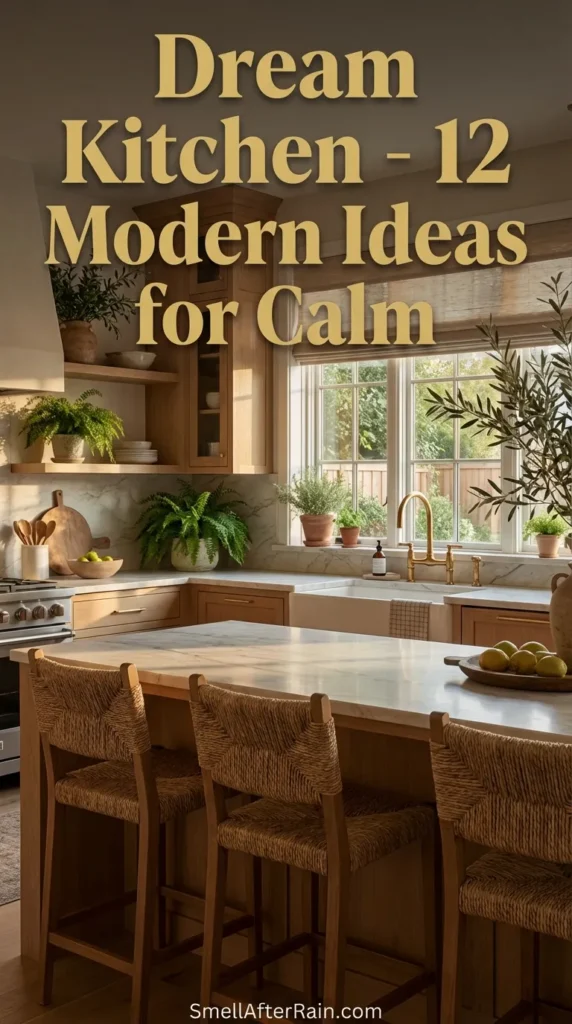
As we explore these 12 modern design principles, we will move beyond trends and look at the science of serenity. Whether you are remodeling a sprawling estate or looking for budget hacks for a small kitchen, the goal remains the same: creating a sanctuary.
1. Circadian Lighting: Syncing Your Kitchen to Your Body Clock
Light is the primary zeitgeber (time-giver) for the human biological clock. In a kitchen interior design modern approach, lighting must be adaptable. A kitchen that is perpetually bright white can disrupt melatonin production in the evening, while a kitchen that is too dim can induce lethargy in the morning.
To support your circadian rhythm, implement a layered lighting strategy. Start with task lighting under cabinets at a cooler temperature (3500K-4000K) for morning prep work to stimulate alertness. Contrast this with ambient overhead fixtures that can be dimmed to a warmer glow (2700K) for evening dining. This transition signals to the brain that the workday is over, aiding in relaxation.
Modern smart systems allow you to automate this shift, ensuring your dream kitchen intuitively supports your sleep-wake cycle.
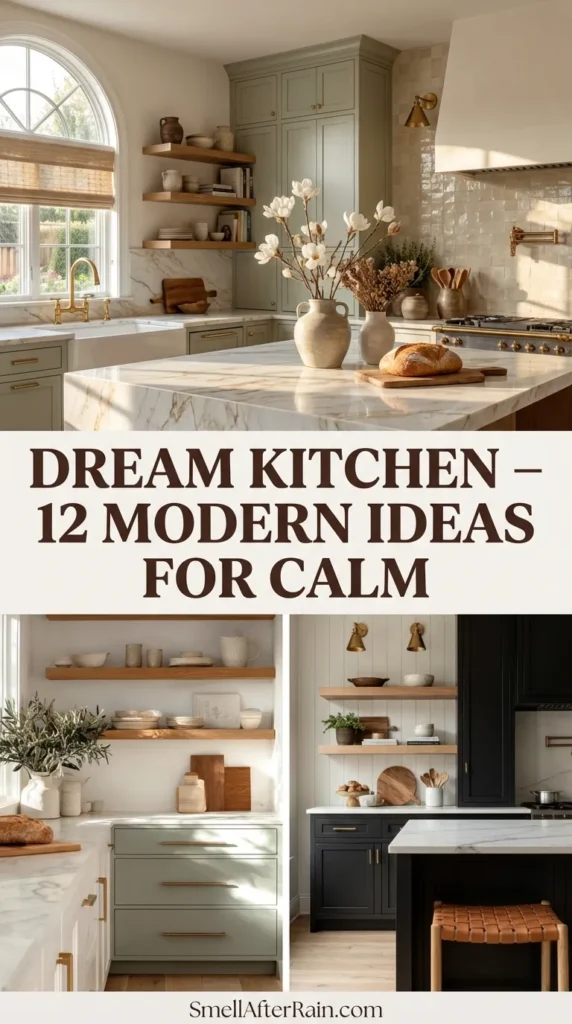
2. Chromotherapy: The Science of Serene Color Palettes
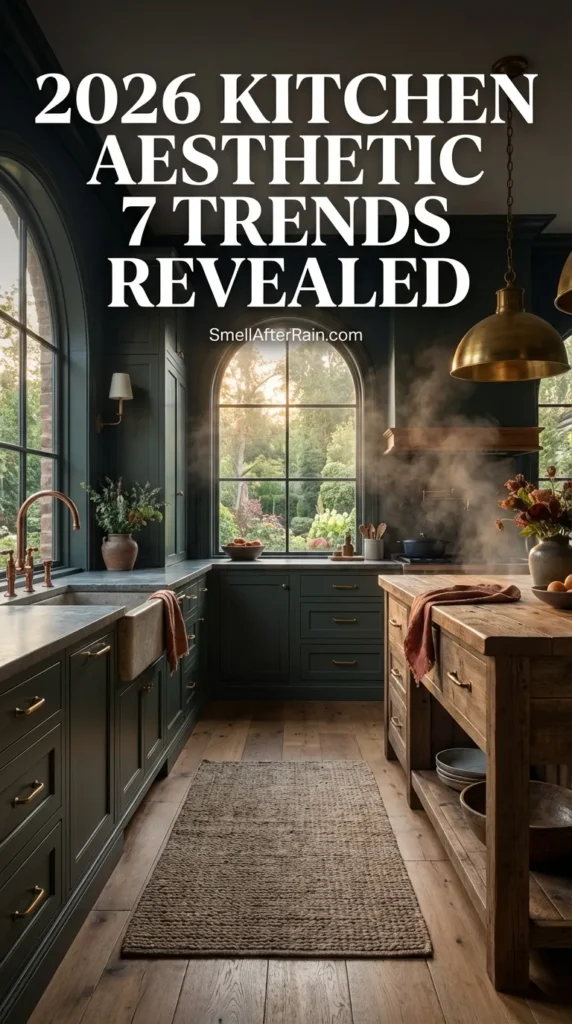
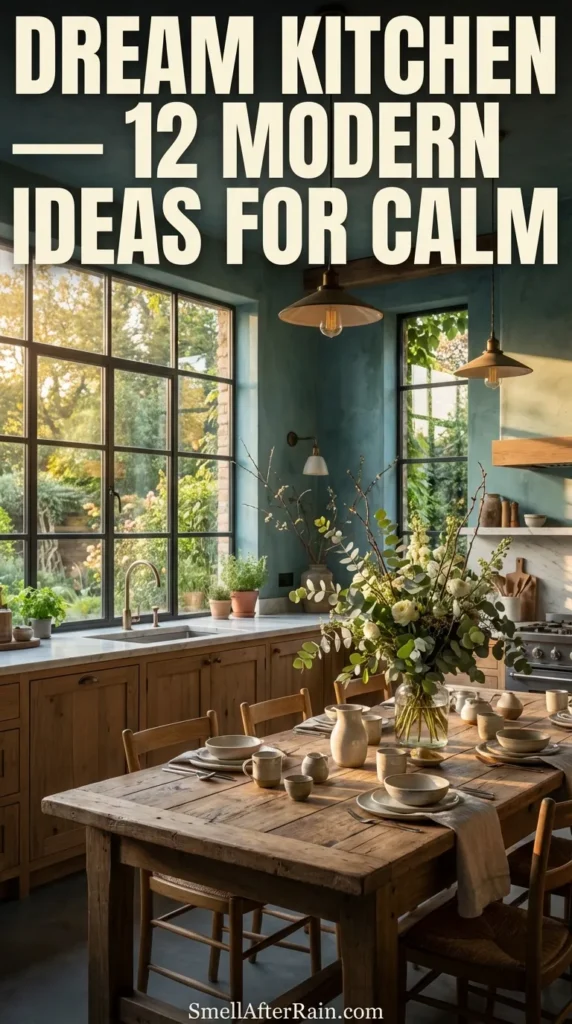
Color is energy made visible, and it has a profound impact on mood. While stark white kitchens have reigned supreme for years due to their association with cleanliness, the 2026 kitchen aesthetic trends are shifting toward colors that wrap the user in comfort.
Soft sage greens, muted terracottas, and deep navy blues invoke feelings of stability and nature. From a psychological standpoint, green is the easiest color for the human retina to process, causing the least amount of eye strain. If you are aiming for a cozy kitchen, avoid high-gloss reds or jarring neons, which can increase heart rate and induce anxiety. Instead, opt for matte finishes in earth tones that ground the space.
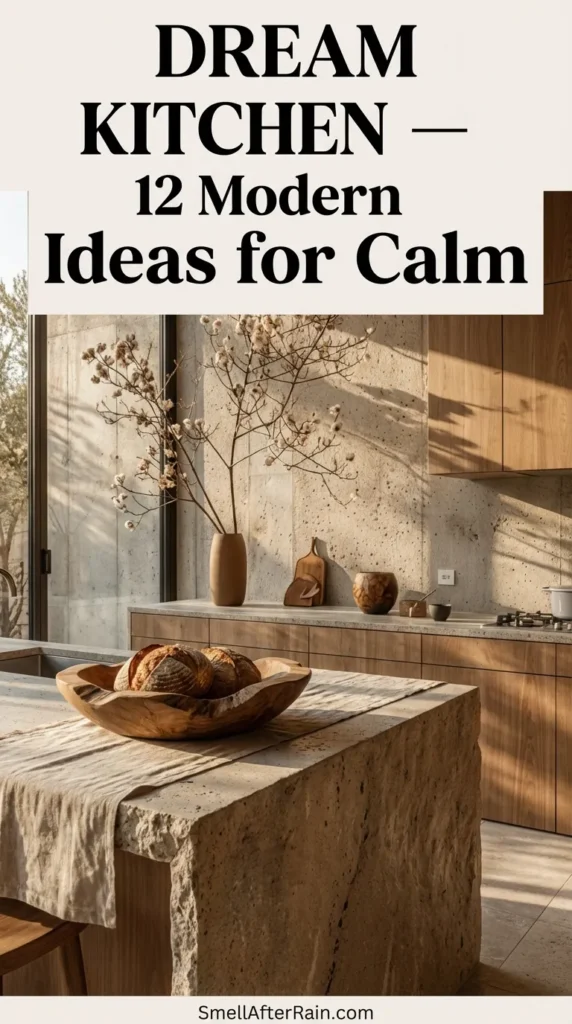
3. Biophilic Integration: Reducing Cortisol with Nature
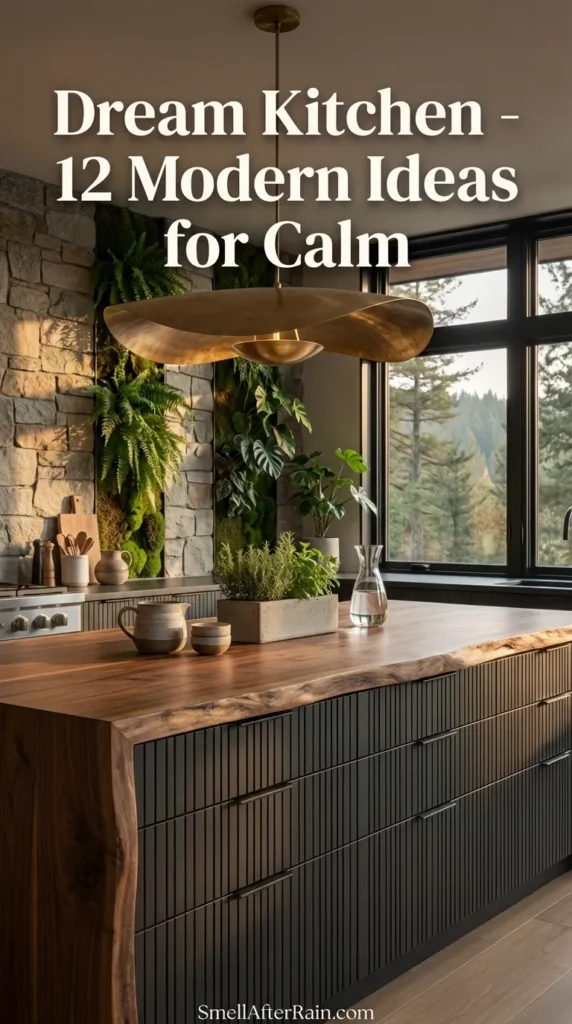
Biophilic design—the innate human tendency to seek connections with nature—is essential for mental health. In an urban environment, the kitchen often serves as the primary connection to the organic world. Incorporating natural materials is not just an aesthetic choice; it is a stress-reduction strategy.
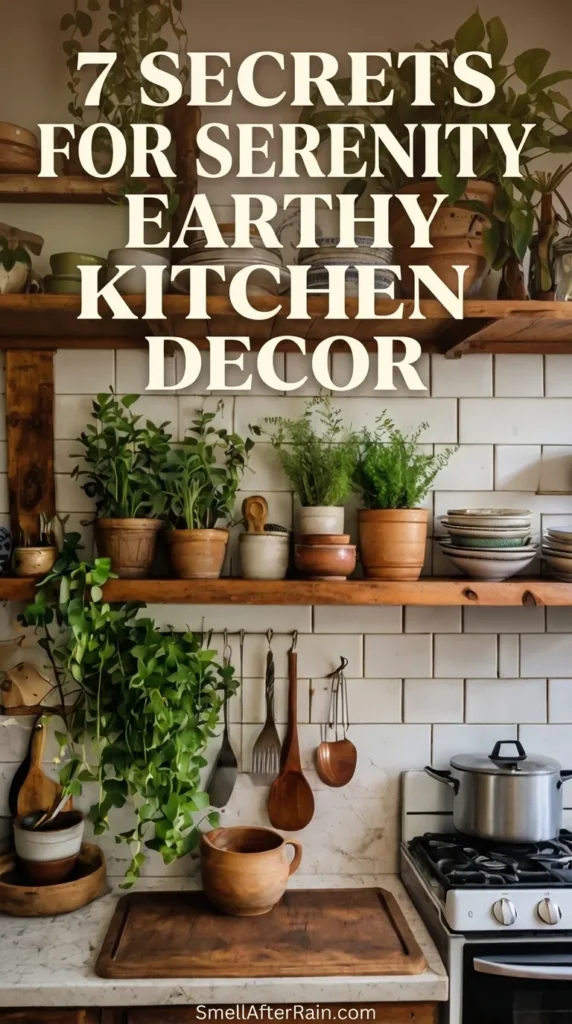
To achieve this, look beyond potted plants. Consider raw wood shelving, stone countertops with visible veining, or clay tiles. These textures provide a subconscious signal of safety and abundance. For a deep dive into using natural elements, explore our guide on earthy kitchen decor secrets.
Even in a modern home kitchen with sleek lines, a slab of live-edge walnut or a vertical herb garden can soften the industrial feel, lowering cortisol levels and making the space feel more humane.
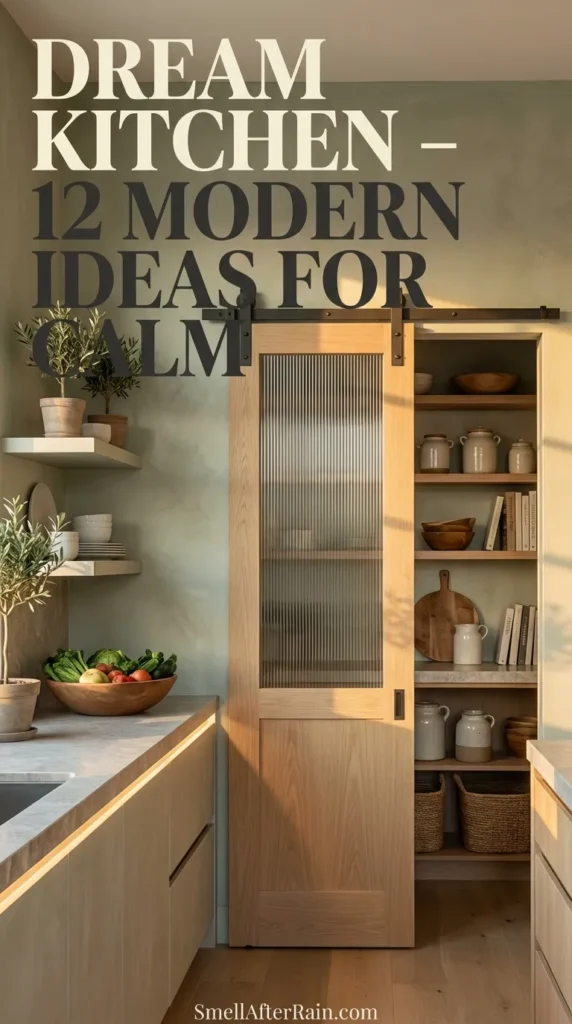
4. Cognitive Unloading: The Psychology of Concealed Storage
Clutter is visual noise. Every object sitting on your countertop competes for your neural attention, leading to what psychologists call “cognitive load.” When your visual field is overwhelmed, your ability to focus and relax diminishes. This is particularly critical in small kitchen designs where space is at a premium.
The modern solution is the “appliance garage” and integrated cabinetry. By concealing toasters, blenders, and coffee makers behind retractable doors, you reset the room to a neutral state. This doesn’t mean minimalism requires emptiness; it means intentionality. When the visual chaos is removed, the brain can rest, allowing for more creative cooking and calmer dining experiences.
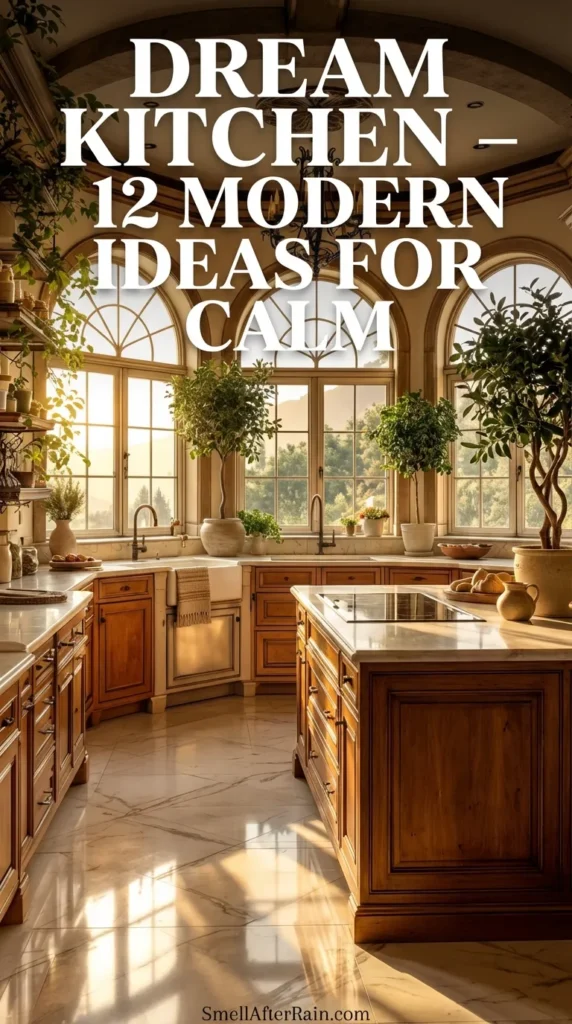
5. Tactile Grounding: Why Texture Matters More Than Shine
We experience our kitchens through touch as much as sight. The cold slickness of polished marble feels different than the warm grain of oak or the rough texture of honed granite. In our increasingly digital world, tactile feedback is grounding.
Modern luxury is moving away from the “showroom shine” and toward materials that invite touch. Think leather cabinet pulls, textured subway tiles, or concrete countertops. If you are inspired by the rustic-meet-modern vibe, review the pro build secrets for modern farmhouse kitchens to see how texture creates depth without adding clutter.
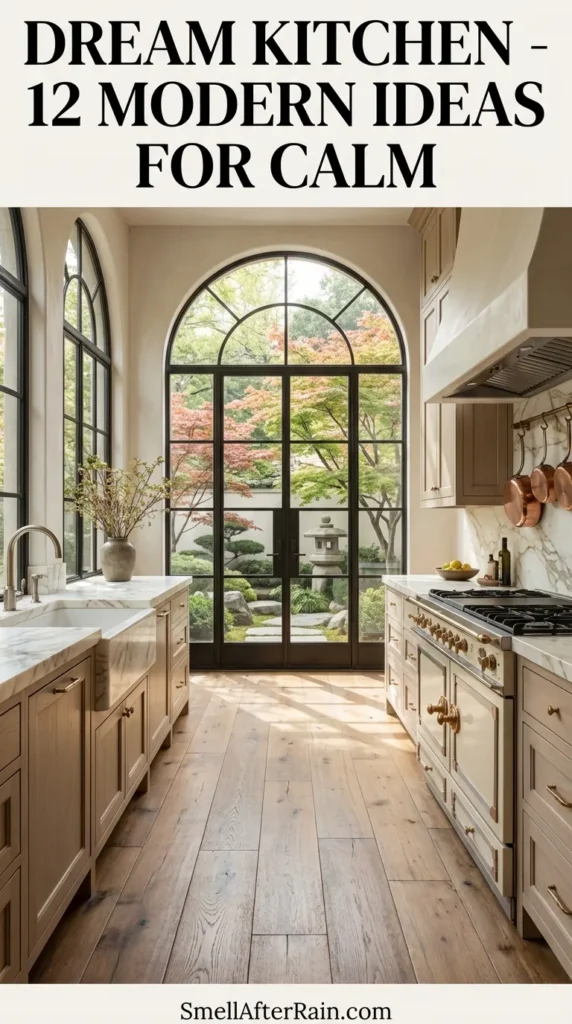
6. Flow Dynamics: Reducing Micro-Stress Through Layout
Nothing induces micro-stress like physical obstruction. Hip-checking a drawer handle, squeezing past a dishwasher, or walking too far between the sink and stove are minor irritants that accumulate over time. A modern kitchen inspiration board often overlooks the invisible architecture of flow.
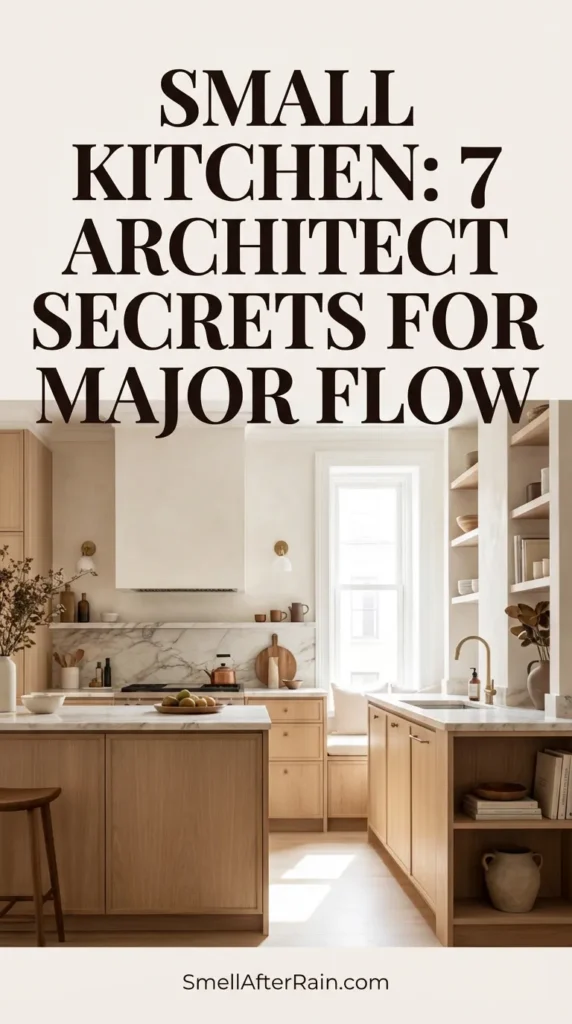
The classic “work triangle” is evolving into “work zones.” This is crucial if you have multiple cooks in the kitchen. The goal is to create unobstructed paths of travel. If you are dealing with architectural constraints, our article on architect secrets for major flow in small kitchens offers geometric solutions to maximize ergonomic comfort. A kitchen that flows well feels larger and calmer, regardless of square footage.
7. Social Zoning: Designing for Connection vs. Isolation
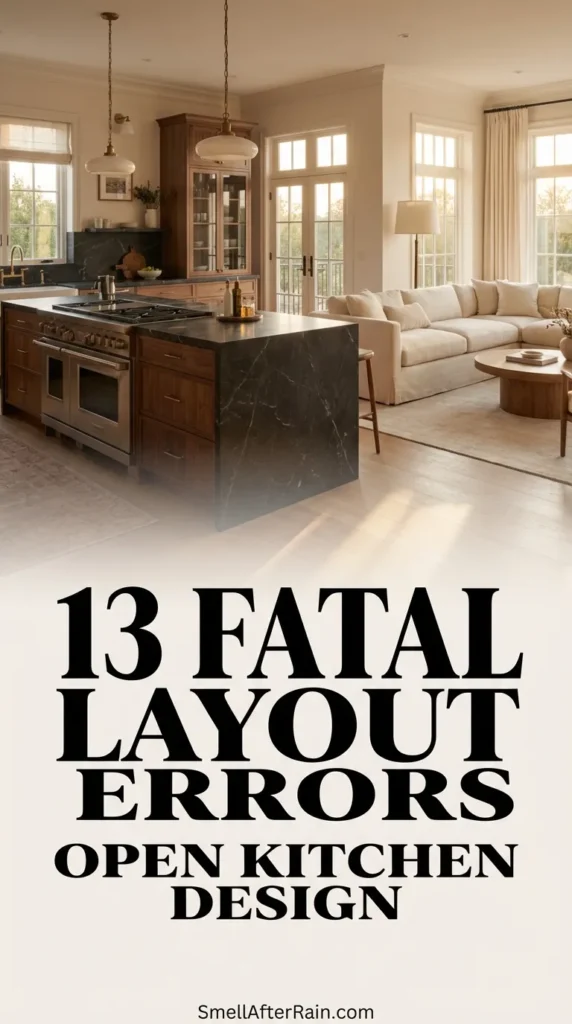
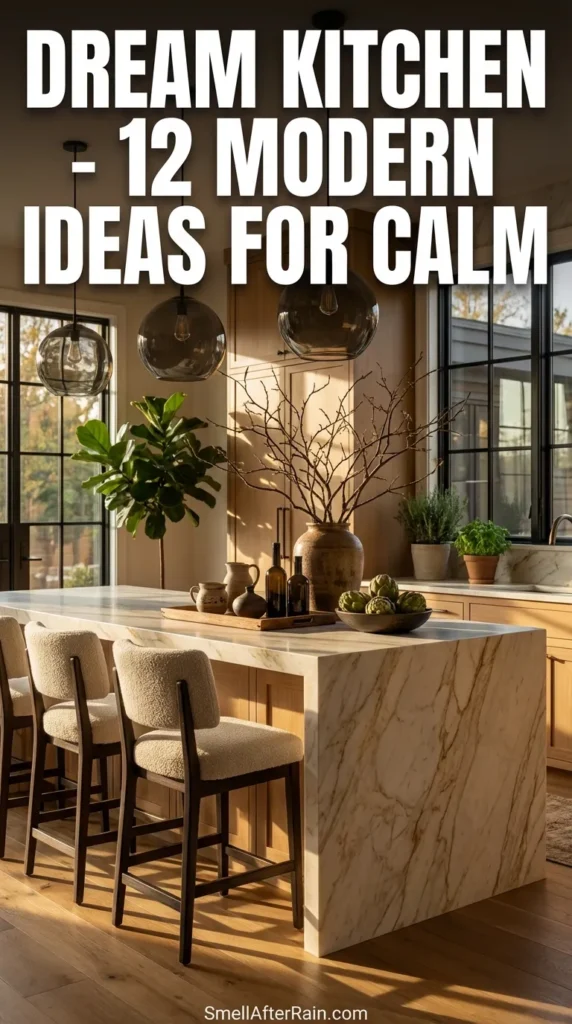
The open kitchen design has revolutionized how we socialize, but it comes with psychological caveats. While it breaks down walls, it can also leave the cook feeling exposed or the living area feeling cluttered with dirty dishes. The modern antidote is strategic zoning.
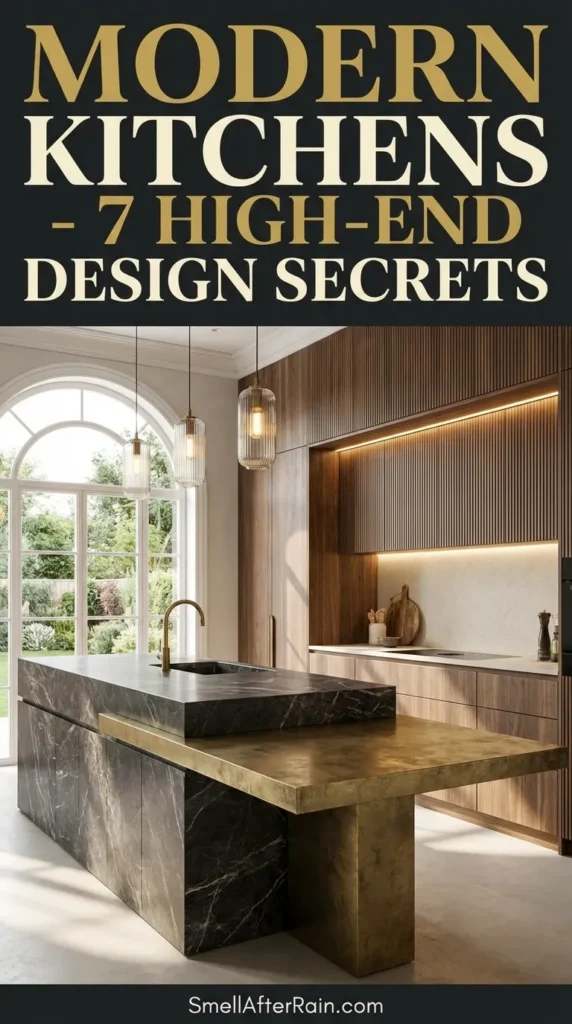
Islands are now being designed with dual tiers—a lower tier for prep and a higher tier for bar seating. This slight elevation change hides the mess from the guests while maintaining eye contact. It creates a psychological boundary that says “this is my workspace” and “that is your relaxation space,” allowing the host to cook without feeling scrutinized. For more on balancing these layouts, see high-end design secrets for modern kitchens.
8. Acoustic Dampening: The Silent Luxury of Modern Design
Modern architecture favors hard surfaces—glass, steel, stone, and tile. While beautiful, these materials reflect sound, creating a cacophony of clanking pans and chopping noises that can be overstimulating. A truly luxurious kitchen aesthetic prioritizes acoustics.
To mitigate this echo chamber effect without sacrificing style, consider installing acoustic panels disguised as art, using cork underlayment beneath flooring, or opting for soft-close cabinetry. Rugs (washable, of course) can also absorb sound. Reducing the decibel level in the kitchen transforms it from a chaotic workshop into a serene lounge.
9. The Olfactory Anchor: Ventilation and Scent Memory
Scent is the strongest trigger for memory. However, the lingering smell of fried onions or burnt toast can sour the mood of a home long after the meal is over. In open kitchen designs, powerful and quiet ventilation is non-negotiable.
Psychologically, fresh air signals cleanliness and vitality. Invest in a hood that vents externally rather than recirculating. Furthermore, incorporate positive scentscapes—fresh herbs like basil or rosemary growing on the windowsill not only look beautiful but release calming oils when brushed against. This biological connection reinforces the kitchen as a place of freshness.
10. Reflective Surfaces: Expanding Space and Mental Clarity
For those working with tighter footprints, the feeling of confinement can be claustrophobic. Expanding visual space is a key tenet of small kitchen design. Reflective surfaces—mirrored backsplashes, glossy subway tiles, or glass-front cabinets—bounce light around the room, tricking the brain into perceiving more volume.
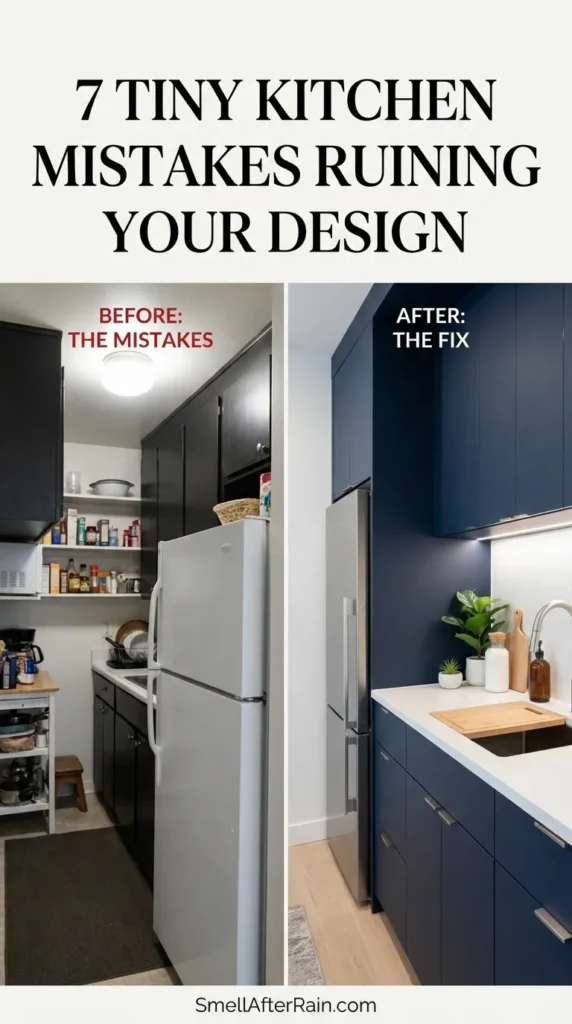
However, balance is key. Too much reflection can feel clinical. Use reflections strategically to capture views of the outdoors or to brighten a dark corner. If you are making layout errors that shrink your space, check out our guide on tiny kitchen mistakes to avoid.
11. Digital Detox Zones: Hiding Tech for Presence
While smart fridges and tablets are useful, the kitchen should primarily be a place of sensory engagement with food and family. The constant blue light of screens can disrupt the intimate atmosphere of a meal.
Design a dedicated “tech drawer” with charging ports inside. This encourages family members to physically put their phones away during meal prep and dining. By hiding the technology, you remove the visual cue to check emails, fostering deeper conversations and a more mindful cooking experience. This aligns with the holistic design philosophy championed at Smell After Rain.
12. Personal Narrative: Curating Joy Through Display
Finally, a kitchen should tell the story of who lives there. A sterile kitchen feels like a hotel; a home kitchen feels like a biography. While we advocate for reducing clutter, we strongly encourage the curation of meaningful artifacts.
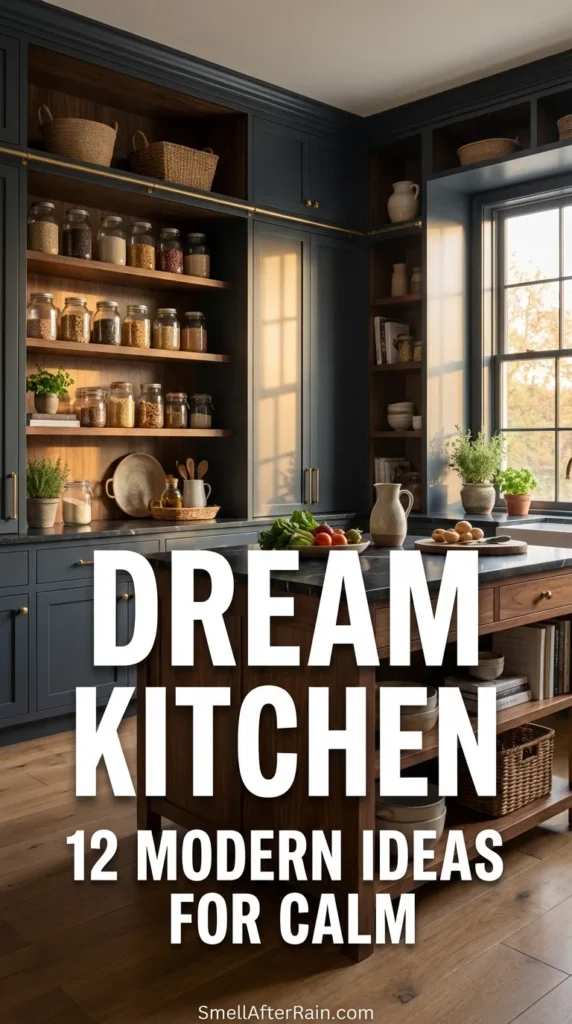
Open shelving should not be used for cereal boxes, but for items that spark joy—a vintage ceramic bowl from a trip to Italy, a cookbook passed down from a grandmother, or hand-turned wooden spoons. These items serve as psychological anchors, reminding you of your identity and heritage. This personal touch is the difference between a “house” and a “home.”
Frequently Asked Questions
How can I make a modern kitchen feel cozy and not sterile?
The key to a cozy modern kitchen is texture and temperature. Swap cool white bulbs for warm 2700K LEDs. Introduce organic materials like wood, woven rugs, or unlacquered brass that patinas over time. Avoid having every surface be high-gloss; mix matte cabinets with polished stone to create visual depth.
What is the best color for a kitchen to reduce stress?
Psychologically, greens and blues are the most calming. Soft sage, moss green, or airy sky blue lower the heart rate. Neutral earth tones like taupe, beige, and warm greys are also excellent for grounding the nervous system. Avoid extensive use of bright red or orange if your goal is serenity.
Is an open kitchen design bad for introverts?
It can be. Open kitchens remove the physical barrier between “on-stage” (hosting) and “back-stage” (cooking). If you value privacy while cooking, consider a “broken plan” layout using glass partitions or raised breakfast bars to create separation without blocking light.
How do I maximize space in a tiny kitchen without a remodel?
Verticality is your friend. Use the full height of your walls for storage. Install magnetic knife strips, hanging pot racks, or hooks under shelves. Clear the counters to reduce cognitive load, and use uniform containers for pantry goods to reduce visual noise.
Are white kitchens going out of style in 2025/2026?
White kitchens are timeless, but the sterile white kitchen is fading. Trends are moving toward “warm whites” (creamy, limestone hues) paired with wood and stone, rather than the clinical, hospital-white look of the past decade. It is about adding soul to the cleanliness.
Conclusion
Designing a modern kitchen is an exercise in empathy. It requires anticipating not just how you will cook, but how you will live, interact, and feel within the space. By prioritizing light, flow, acoustic comfort, and personal connection, you elevate the kitchen from a workstation to a source of emotional sustenance.
For more deep dives into specific design challenges, from general home decor to specific architectural hacks, explore the resources at Smell After Rain. Your dream kitchen is not just about the cabinets you buy, but the peace you build within them.