
- The Economics of Tiny Spaces: Why Small Kitchens Have Higher ROI
- Layout Logic: Maximizing the 'Golden Triangle' in Tight Quarters
- The Vertical Vault: Floor-to-Ceiling Storage Solutions
- The Open Kitchen Illusion: Shelving vs. Cabinetry Cost Analysis
- Material Wealth: Splurging on Small Square Footage
- Lighting and Color Theory: Creating Space with Photometrics
- The IKEA Hack Strategy: Semi-Custom Looks on a DIY Budget
- Compact Appliance Economics: Scaling Down to Power Up
- High-Impact, Low-Cost DIY Decor Updates
- Frequently Asked Questions
When it comes to real estate value, the kitchen remains the undisputed king of the home. However, many homeowners believe that a massive footprint is required to create a chef-worthy space. As a financial renovation expert, I am here to tell you that small kitchen design actually offers a superior Return on Investment (ROI) if executed correctly. Because you are dealing with less square footage, you can afford higher-quality materials and implement clever very small kitchen ideas that would be cost-prohibitive in a massive room.
In this guide, we are moving beyond basic decluttering tips. We are diving into the architectural and financial strategies behind a successful small kitchen remodel. From leveraging innovative kitchen ideas to mastering the art of the “IKEA hack,” we will transform your cramped cooking quarters into a high-value asset.

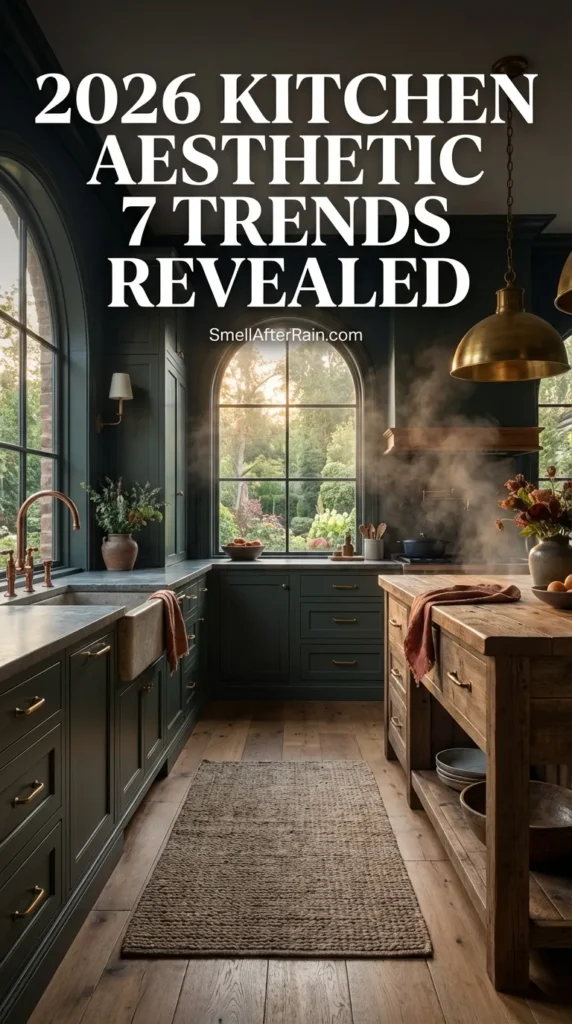
The Economics of Tiny Spaces: Why Small Kitchens Have Higher ROI
Before we pick up a hammer, let’s look at the numbers. A major kitchen remodel in the United States can easily cost between $40,000 and $80,000. However, kitchen ideas for small spaces often allow for a “gut renovation” feel at a fraction of the price. The math is simple: fewer cabinets to buy, less countertop surface area to cover, and less flooring to install.
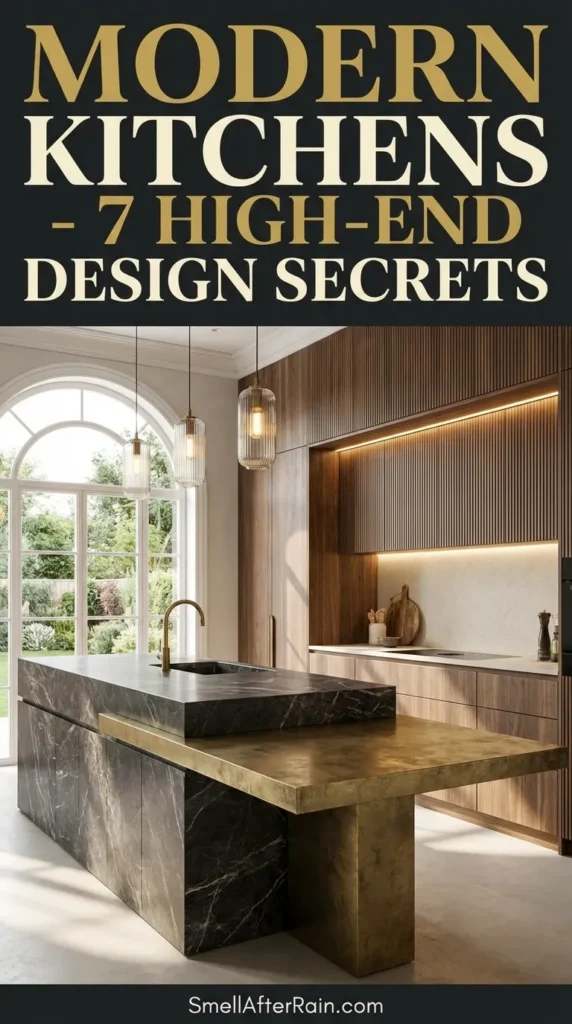
This financial efficiency allows for what designers call “strategic splurging.” In a 300-square-foot kitchen, a slab of Calacatta Gold marble is a budget-breaker. In a 70-square-foot galley kitchen, that same premium stone might be achievable because you are purchasing remnants or a single slab. By focusing on high-impact materials in a concentrated area, you elevate the perceived value of the entire home.
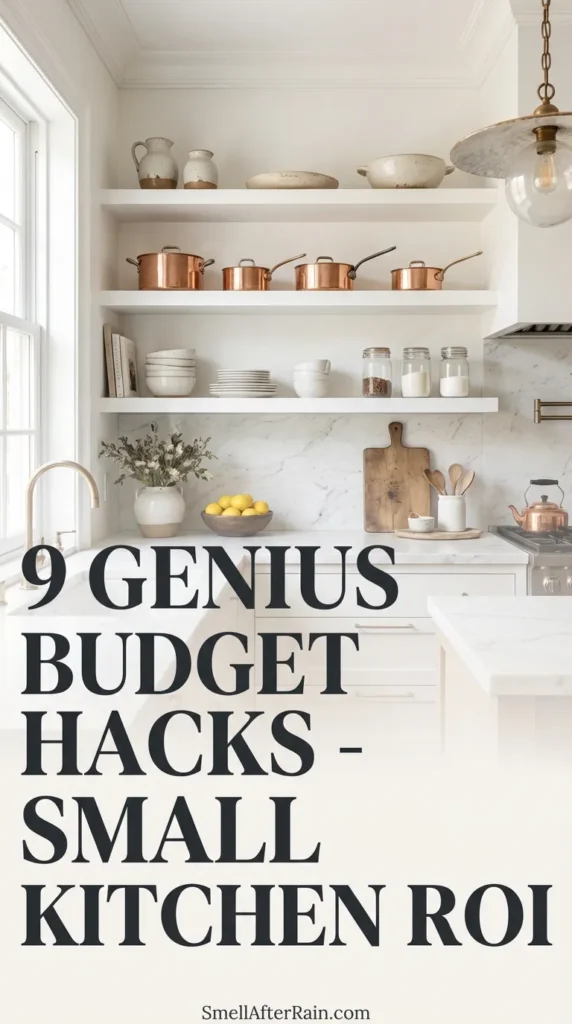
Layout Logic: Maximizing the ‘Golden Triangle’ in Tight Quarters
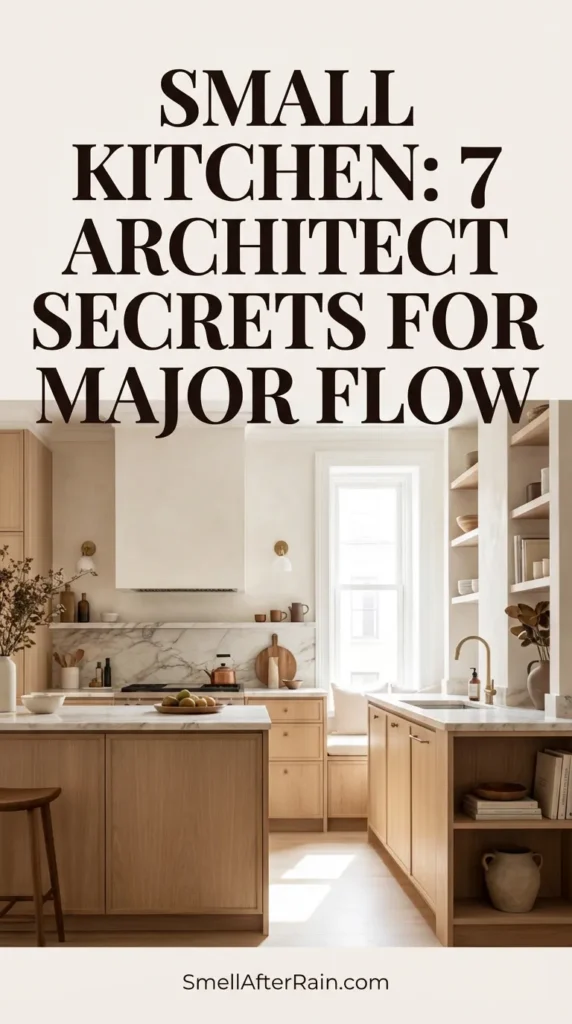
The layout is the skeleton of your kitchen. No amount of paint can fix a dysfunctional flow. For small kitchen ideas layout planning, efficiency is paramount. You must ruthlessly adhere to the “Work Triangle” concept—the geometric relationship between the stove, sink, and refrigerator.
The Galley Advantage
Often maligned, the galley layout is actually the most efficient design for a single cook. Professional restaurant lines are essentially galley kitchens. The key is ensuring your aisle width is at least 36 to 48 inches. This allows for safe passage while keeping all appliances within a pivot’s reach.
The One-Wall Wonder
For studio apartments or open-plan living areas, simple kitchen design often defaults to a single wall. To make this work financially and aesthetically, you must integrate the appliances seamlessly behind cabinetry panels or choose consistent finishes (like stainless steel) to reduce visual clutter.
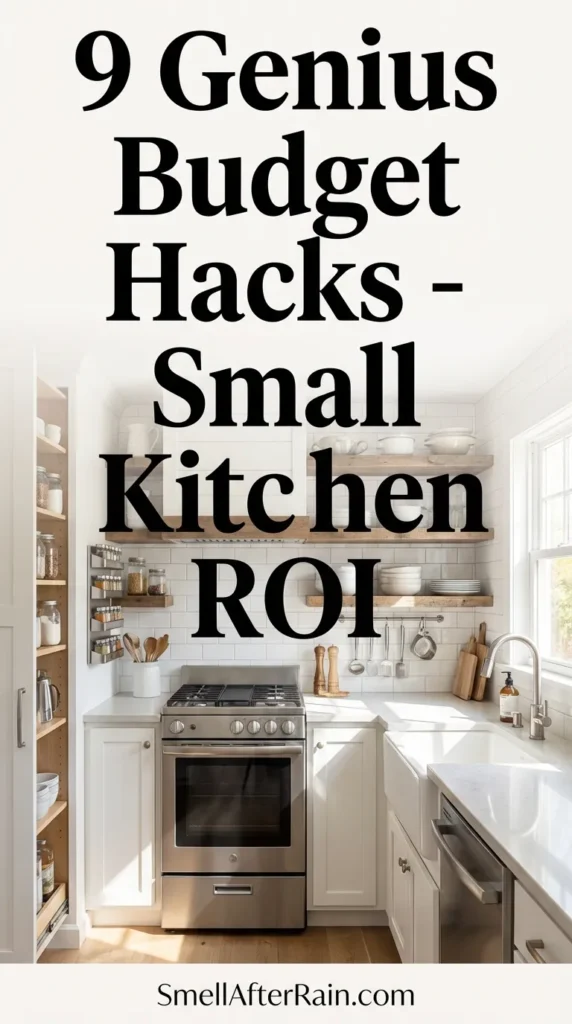
The Vertical Vault: Floor-to-Ceiling Storage Solutions
When you cannot build out, you must build up. One of the most common tiny kitchen ideas that homeowners ignore is utilizing the vertical space between the top of standard cabinets and the ceiling. That 12-to-18-inch gap is not just a dust trap; it is lost equity.
Cost-Effective Strategy: If custom cabinetry is out of budget, buy standard 30-inch or 40-inch upper cabinets and mount them all the way to the ceiling. Then, install an open shelf below them for everyday items. Alternatively, use substantial crown molding to bridge the gap, making stock cabinets look custom-built. This creates a sense of grandeur and height, tricking the eye into believing the room is larger.
For more inspiration on maximizing tight layouts, check out our guide on creating a cozy kitchen atmosphere.
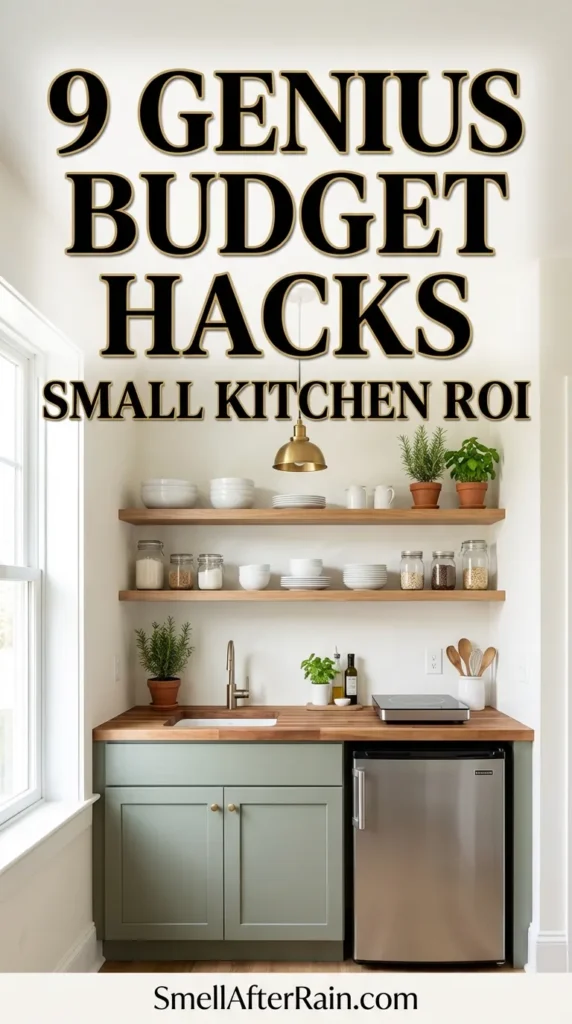
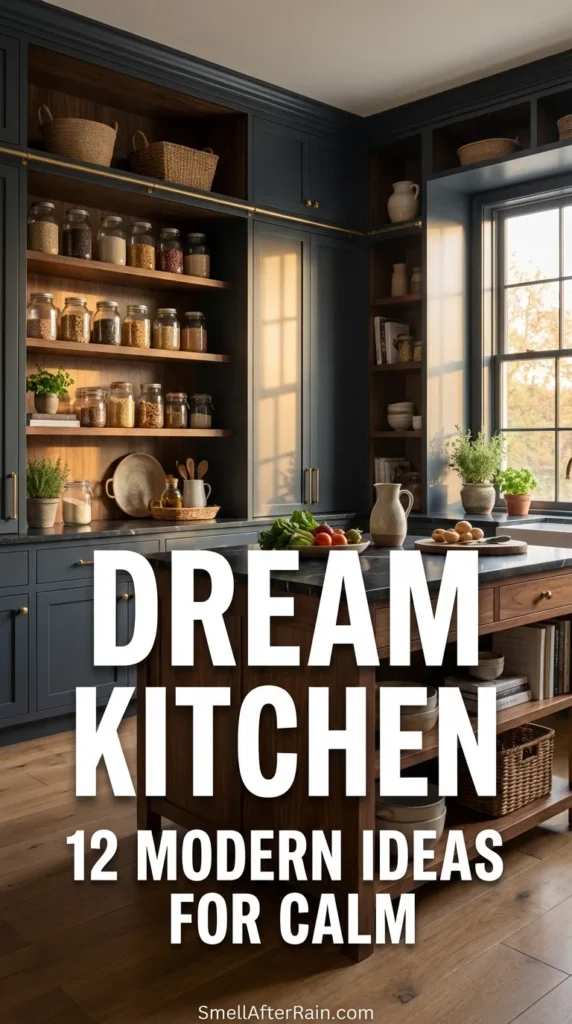
The Open Kitchen Illusion: Shelving vs. Cabinetry Cost Analysis
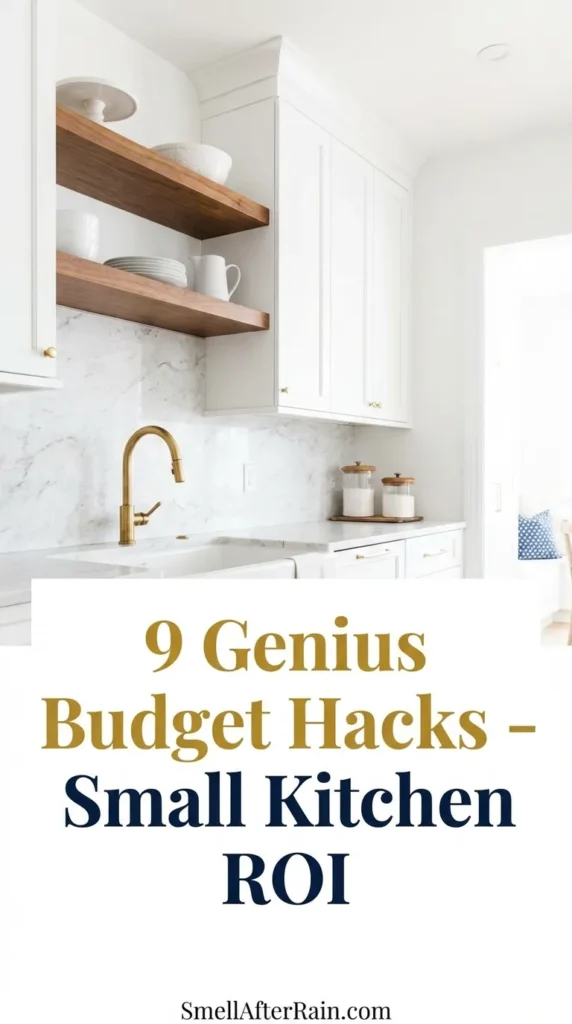
There is a heated debate in the design world regarding open kitchen shelving. From a financial perspective, however, the winner is clear. Upper cabinets are expensive—often accounting for 40% of your cabinetry budget. Replacing uppers with robust timber or metal shelving can save thousands of dollars.
The Financial Pros and Cons
- Pro (Cost): Floating shelves cost a fraction of closed cabinetry.
- Pro (Space): They increase the visual depth of the room, making walls feel further away.
- Con (Labor): You must commit to keeping dishes organized. Clutter kills the value of an open kitchen design.
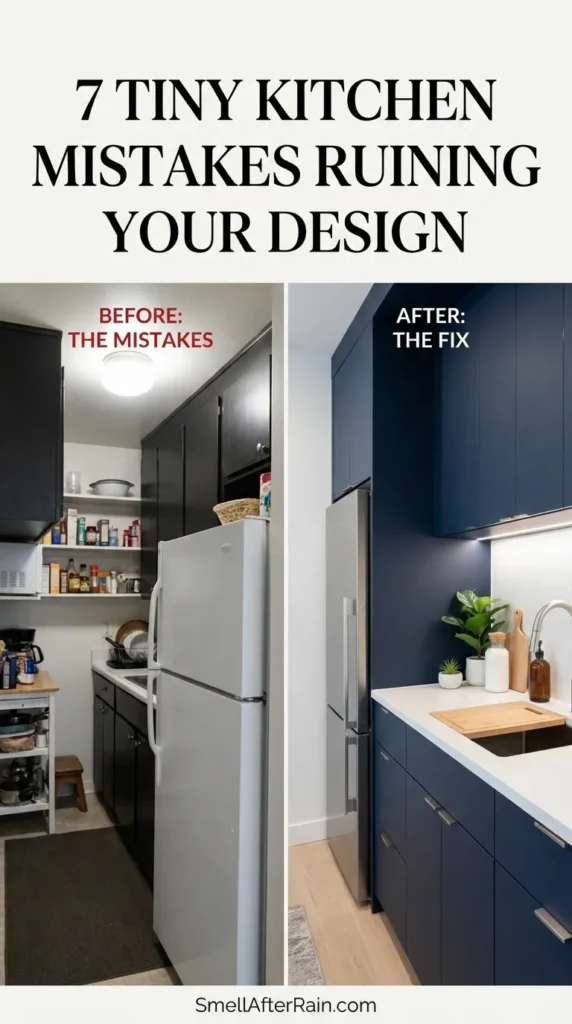
If you choose open shelving, invest in matching dinnerware. A set of cohesive white dishes on open shelves looks like high-end decor; a mismatched collection looks like a garage sale. Avoid common pitfalls by reading about 7 tiny kitchen mistakes ruining your design.
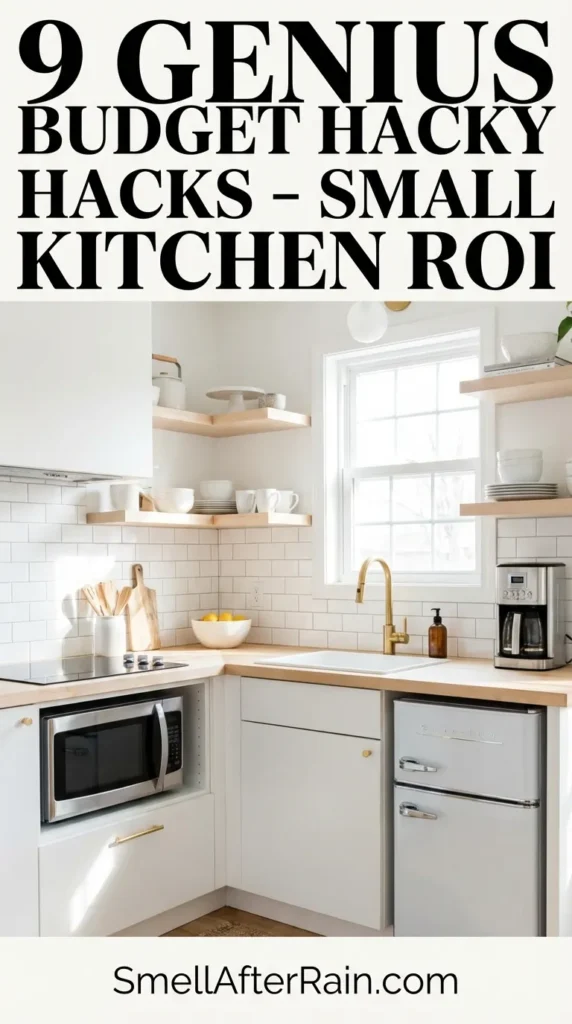
Material Wealth: Splurging on Small Square Footage
As mentioned in the introduction, small kitchens allow you to punch above your weight class regarding materials. Here is where you should allocate your budget for the highest ROI:
Countertops
In a massive kitchen, quartz might cost $5,000+. In a tiny kitchen, you might need less than 30 square feet. This puts luxury materials like Soapstone, Quartzite, or Butcher Block within reach. Butcher block is particularly cost-effective for DIYers, as it can be cut and sealed at home for under $500 total.
Backsplashes
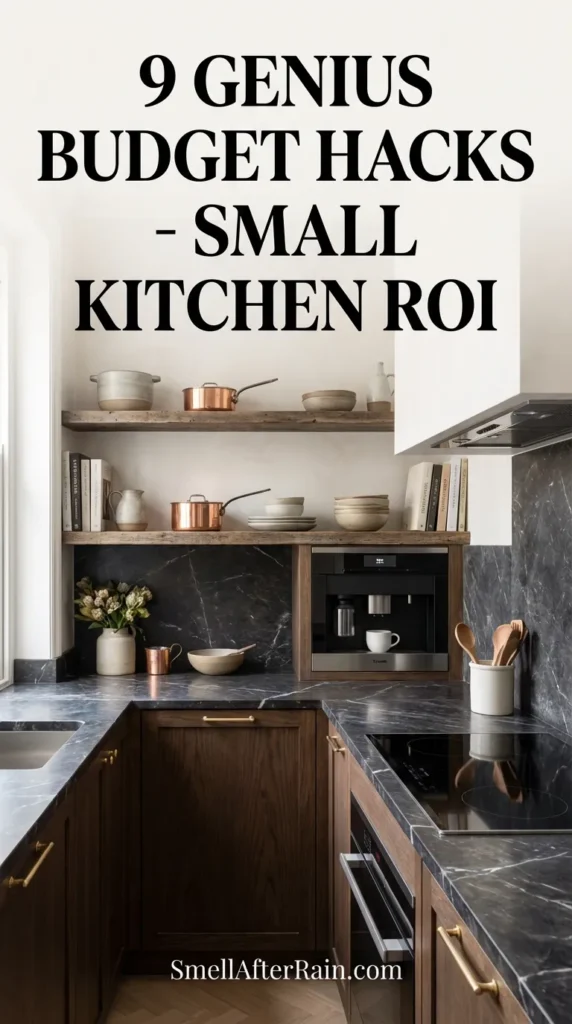
The backsplash is the “jewelry” of the kitchen. Since you have limited wall space, consider running the countertop material up the wall for a seamless, high-end modern look. Alternatively, handmade Zellige tiles or marble mosaics can be used because the total square footage required is minimal.
Lighting and Color Theory: Creating Space with Photometrics
Lighting is the unsung hero of small kitchen decor. A single, boob-light fixture in the center of the ceiling casts shadows in the corners, effectively visually shrinking the room.
The Layering Strategy:
1. Task Lighting: Under-cabinet LED strips are mandatory. They eliminate shadows on the workspace and cost less than $100 to DIY.
2. Ambient Lighting: Recessed cans or a semi-flush mount provide general illumination.
3. Accent Lighting: If you have glass cabinets or open shelves, adding puck lights creates depth.
Regarding color, white is the classic expander, reflecting light to make the room feel airy. However, a moody, dark color on the base cabinets combined with light uppers (tuxedo style) creates a grounding effect that is incredibly sophisticated.
The IKEA Hack Strategy: Semi-Custom Looks on a DIY Budget
For the ultimate simple kitchen design that balances cost and aesthetics, the “IKEA Hack” is your best friend. The SEKTION cabinet system is globally renowned for its hardware quality (Blum hinges) and modularity. However, the standard IKEA doors can sometimes look generic.
The Financial Hack: Buy the cabinet boxes and hardware from IKEA. Then, purchase custom fronts from third-party manufacturers like Semihandmade or Kokeena. This gives you a millwork-quality custom kitchen for about 30-40% less than a custom cabinet maker would charge.
This approach allows you to achieve a cozy kitchen aesthetic with Shaker-style doors or a sleek modern look with slab fronts, all while retaining the internal organization systems that IKEA is famous for.

Compact Appliance Economics: Scaling Down to Power Up
In a small kitchen remodel, a standard 36-inch wide refrigerator is a space-eater. The American market is finally catching up to European standards, offering high-quality 24-inch appliances.
Switching to an 18-inch dishwasher and a 24-inch refrigerator can save you 18 inches of lateral space—that is an entire bank of drawers! While compact appliances sometimes carry a premium price tag, the storage space you gain is often worth more in terms of daily usability and home value.
High-Impact, Low-Cost DIY Decor Updates
If a full remodel isn’t in the cards, you can still execute small kitchen decor updates with high ROI.
- Hardware Swap: Change out dated knobs for unlacquered brass or matte black pulls. It’s an instant modernization.
- Rug Runners: A vintage runner draws the eye through the room, elongating the space visually.
- Paint: Painting existing cabinets is labor-intensive but costs very little in materials. Use an alkyd enamel for a durable, hard finish.
- Multifunctional Corners: If you have an unused corner, consider adapting ideas from creative book nooks to create a small coffee or breakfast station.
Furthermore, just as you would optimize a sleeping area with smart bedroom ideas, treat your kitchen walls as prime real estate. Magnetic knife strips and rail systems clear the counters, which is crucial for maintaining a sense of openness.
For more holistic design inspiration, visit Smell After Rain to explore our full archives.
Frequently Asked Questions
1. What is the best layout for a very small kitchen?
The best layout depends on the room’s shape, but generally, the Galley Kitchen is the most efficient for small spaces. It maximizes vertical wall space on two sides and minimizes steps between the sink, stove, and fridge. For extremely tight studio spaces, a One-Wall layout is often the only option, but it can be made functional with a movable island or butcher block cart.
2. How can I make my small kitchen look expensive on a budget?
To increase perceived value without spending a fortune, focus on “touch points” and lighting. Upgrade your faucet and cabinet hardware to solid brass or high-quality matte black. Install under-cabinet lighting to eliminate shadows. Finally, declutter countertops relentlessly; negative space is the hallmark of luxury design.
3. Are open shelves a good idea for small kitchens?
Yes, open kitchen shelving is excellent for small spaces because it removes the visual bulk of heavy upper cabinets, making the room feel wider and airier. However, it requires discipline. You must keep the shelves organized and free of clutter. If you are not a tidy person, consider glass-front cabinets as a middle-ground alternative.
4. What colors make a small kitchen look bigger?
White, off-white, and pale greys are the standard for expanding space because they reflect the most light. However, don’t be afraid of contrast. A “Tuxedo” kitchen (dark base cabinets, white uppers) grounds the room while keeping the upper visual field open. Cool colors (blues and greens) generally make walls recede, while warm colors advance.
5. How much does a small kitchen remodel cost?
A DIY-heavy cosmetic update (paint, hardware, new faucet, peel-and-stick backsplash) can be done for under $1,000. A mid-range remodel using IKEA cabinets and DIY labor might range from $5,000 to $12,000. A full contractor-led renovation with structural changes, plumbing relocation, and high-end appliances will likely start at $25,000 and go up from there.
6. Can I use a kitchen island in a small kitchen?
Permanent islands require 36 inches of clearance on all sides, which is often impossible in tiny kitchens. Instead, opt for a portable kitchen cart or a narrow console table on casters. These provide extra prep space when needed but can be pushed against a wall or into a closet when you need to open up the floor plan.
7. What flooring is best for a small kitchen?
To make a small kitchen feel larger, run the flooring parallel to the longest wall. Large-format tiles (12×24 inch) have fewer grout lines than small tiles, creating a less busy, more seamless look. If you have wood floors in the adjacent room, continuing that same wood into the kitchen (without a transition strip) will make the entire floor plan feel significantly larger.