

You can absolutely make your bed feel like a five-star room with just a few smart choices and some thoughtful layering. Start with a clean, protective base, then go for crisp, breathable sheets.
Add a plush comfort layer, finish up with arranged pillows, and maybe toss on a simple throw. That’s really all it takes to create a calm, hotel-style look.
A high-quality foundation and tidy, deliberate layers will give you that instantly polished, luxurious bed. It’s not magic—just a bit of intention.
I’ll walk you through easy steps for each layer and share what materials I think work best. I’ll also toss in a few quick styling tricks that save time but still give you that hotel-ready result.
You’ll get simple techniques you can actually use tonight to make your bed look and feel like it belongs in a boutique hotel.
Key Takeaways
- Build a protected, comfortable base for lasting support.
- Use crisp, breathable sheets and a plush top layer for a luxury feel.
- Arrange pillows and a modest throw for a clean, polished finish.
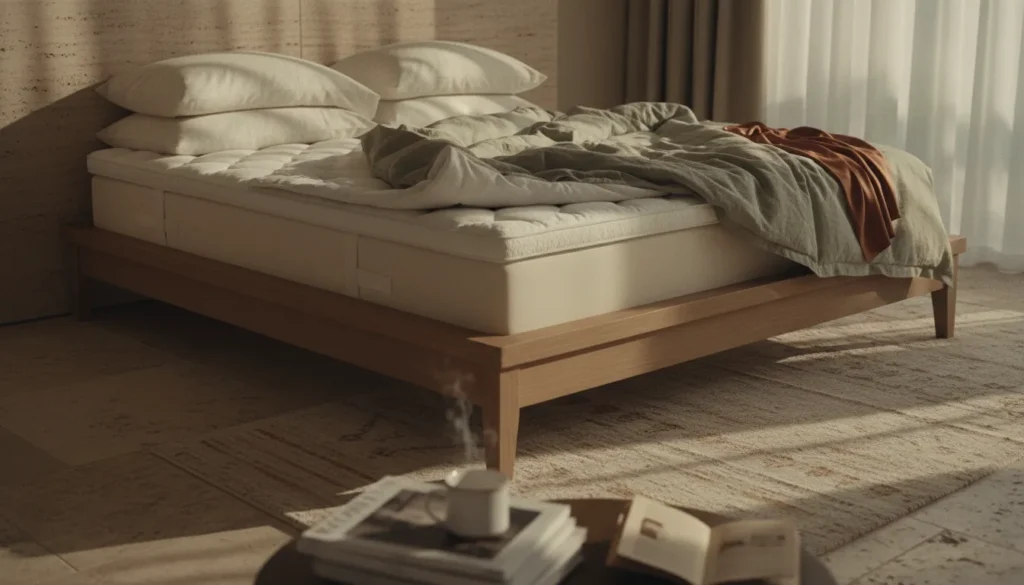
The Art of Building a Luxurious Foundation
I always focus on three things that make a bed feel like a five-star room. First, you need firm, even support.
Second, you want clean, quiet layers that sit flat. And last, you want breathable comfort that actually lasts night after night.
Choosing a High-Quality Mattress and Support
I always start with the mattress. Everything else just depends on it.
Pick a mattress that matches your sleep position—medium-firm for back sleepers, softer if you’re a side sleeper, firmer for stomach sleepers. Look for durable materials, like pocketed coils for targeted support or high-density foam for pressure relief.
Check for edge support and a stable base. A sagging edge or weak box spring ruins the whole hotel vibe.
Measure your bed frame and mattress depth before shopping. A mattress 10–14 inches high works for most layered looks and lets sheets tuck in nicely.
I prefer neutral, breathable covers—cotton or Tencel. They wick moisture and keep the top layers crisp.
Mattress Protectors, Pads, and Toppers
I always add a mattress protector first. It guards the mattress from stains, dust, and allergens.
Pick a waterproof but breathable protector—cotton or bamboo faces with a thin TPU layer. It shouldn’t crinkle under you.
Next, I use a thin mattress pad to smooth the surface and help fitted sheets lie flat. A 1/2–1 inch quilted pad gives subtle softness without changing the mattress feel.
For real hotel-like plushness, I add a 2–3 inch topper. Down or down-alternative toppers give that cloudlike hug hotels are known for.
Memory foam toppers add contour and pressure relief, but I’d pick ventilated foam to avoid heat build-up. Secure all layers so they don’t shift—elastic straps or fitted corners work well.

Selecting and Layering the Perfect Sheets
I focus on fabric, fit, and color so the bed looks crisp and feels luxurious. Small choices—sheet type, weave, and shade—really shape both comfort and the room’s style.
Fitted Sheet Versus Flat Sheet
I always start with a well-fitted base. Fitted sheets with deep pockets and elastic all around keep the mattress tidy and prevent corners from popping loose.
Measure your mattress depth (including topper) before buying. Most fitted sheets list pocket depth in inches.
A flat sheet creates a clean barrier between you and the duvet. I tuck the flat sheet under the mattress at the foot for a hotel look and make clean, even hospital corners.
If you prefer minimal layers, you can skip the flat sheet and just use a duvet cover with a washable liner. Still, I find the flat sheet adds breathability and makes laundry easier.
Understanding Thread Count and Fabric
Thread count isn’t everything. I look for cotton sheets—long-staple cotton like Egyptian or Pima—for softness and durability.
Aim for 200–400 thread count in a percale weave if you want that crisp, cool feel. If you like a silkier, slightly warmer touch, go for sateen in the 300–600 range.
Linen sheets offer a relaxed, textured look that softens with each wash. They wick moisture and feel cool in summer.
Don’t assume higher thread count always means better quality. Some brands inflate numbers with multi-ply yarns. Look for “long-staple cotton,” “single-ply,” or the weave type to judge real quality.
Classic White Bedding and Color Schemes
I use all-white bedding to mimic five-star hotels. White sheets show cleanliness and layer easily with other textures.
To avoid a flat look, I mix finishes—a percale flat sheet, sateen duvet, and linen throw create visual depth. If I want color, I pick one accent tone for pillows or a bedspread.
Neutrals like soft gray, beige, or navy pair well with white linens. For a coordinated set, I match the duvet cover and Euro shams, then add a textured throw at the foot of the bed.
This keeps the look polished but still inviting.

Mastering the Comfort Layer: Duvets, Comforters, and Blankets
I pay attention to the main insulating layer and the final throw so the bed feels plush, not heavy. Pick one primary layer for warmth.
Add a lighter blanket for texture, then use a throw for color and quick warmth.
Choosing Between Comforters, Quilts, and Duvets
I pick a duvet when I want a hotel-style look that’s easy to wash. Duvets use an insert (down or alternative) inside a cover, so I can change color or fabric without buying a new comforter.
Duvets give a full, lofty appearance when the insert fills the cover evenly. Comforters come pre-made and often match a set.
They work well if you want a single-piece solution that’s ready to use. Quilts and coverlets are thinner and add texture.
I layer a quilt or coverlet over a duvet for a lighter feel in warmer months. For a versatile bed, I use a medium-weight duvet in winter and swap to a quilt or waffle blanket in summer.
Duvet Covers and Inserts: The Finishing Touch
I pick a duvet cover in durable cotton or linen for breathability and that crisp hotel look. Percale gives a crisp feel, while sateen feels smooth and a bit shiny.
Match the duvet size to the insert so corners stay filled and the surface looks smooth. For the insert, I look at fill power and weight.
Higher fill power gives more loft with less weight. Down alternatives work if you have allergies but still want a plush surface.
Use corner ties or clips inside the cover to stop shifting. I wash covers regularly and launder inserts as the label says to keep the bed fresh and hotel-ready.
Artful Folding and Layering Techniques
I lay the fitted sheet, flat sheet, then the duvet or comforter centered and smoothed. I fold the top of the duvet back 8–12 inches to reveal the crisp sheets underneath.
This creates the layered, pulled-back hotel look. At the foot of the bed, I add a folded quilt or coverlet across the width.
For a casual vibe, I drape a textured throw or waffle blanket diagonally. For a tailored look, I fold the throw into thirds and place it straight across the foot.
Use one bold throw pillow or a neutral euro sham to tie colors together. Simple, consistent folds keep the bed inviting and neat.
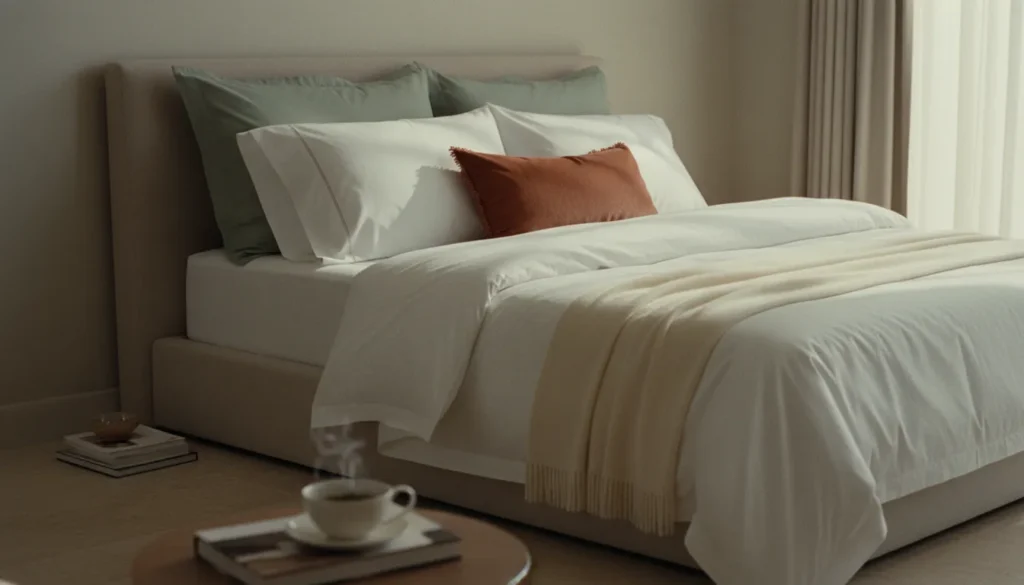
Pillows and Styling Accents for a Five-Star Finish
I focus on shape, support, and small decorative choices to make a bed feel polished. I pick sleeping pillows for comfort, layer in structured shams, add one or two accent cushions, and finish with a folded throw for texture.
Arranging Sleeping and Support Pillows
I start with the sleeping pillows that actually touch my head. Place two standard or queen sleeping pillows flat against the headboard or propped vertically for a hotel look.
Use firmer support pillows behind softer sleeping pillows if you want extra lift and shape. I put pillow protectors under each pillowcase to guard against sweat and stains.
Make sure pillowcases fit snugly—no loose fabric—so the edge looks crisp when folded back over the duvet. I fluff every pillow by giving it two quick lifts and pats to restore loft before arranging.
Featuring Euro Shams, Pillowcases, and Protectors
I use euro shams (26″ squares) as a strong visual base. Place two euros upright behind the sleeping pillows for height and symmetry.
Pick shams in a durable fabric—cotton percale or sateen—so they keep their shape and snap when you tuck. Pillowcases should match or complement the sheet set.
I keep white or neutral pillowcases for that clean hotel feel, and add a thin flange or embroidery for subtle detail. Always use pillow protectors beneath pillowcases; they prolong life and keep the look fresh between washes.
Decorative Accent and Throw Pillows
I limit decorative throw pillows to one or two pieces to avoid clutter. Pick an accent pillow with a bold texture or subtle pattern that ties to your room’s color scheme.
A single rectangular lumbar pillow or a round bolster at the front adds focus. Place accent pillows centered or just a bit off-center for an intentional look.
Use contrasting textures—velvet, knit, or embroidered linen—to add depth. Keep sizes proportional: a 12″x20″ lumbar in front of 20″x26″ shams looks balanced, while too many small cushions can feel busy.
Throws and Final Flourishes
I finish with a throw folded across the foot of the bed. Fold it lengthwise and then into thirds for a tidy, hotel-style band.
Pick a lightweight cashmere or woven cotton for seasonal versatility. For a relaxed touch, drape one corner over the side, or fold the throw into a neat rectangle for a polished finish.
Add a small bedside tray or a single folded blanket in a complementary color to echo the accent pillow and complete the layered, five-star look.

Frequently Asked Questions
I’ll answer some specific, practical questions about building a hotel-style bed. I focus on exact layers, pillow layouts, materials, folding tricks, color choices, and care steps you can use tonight.
What are the essential layers for achieving luxurious hotel-style bedding?
Start with a mattress protector to guard and smooth the sleep surface. Add a supportive mattress topper (latex, memory foam, or down) for loft and comfort.
Use a deep-pocket fitted sheet, a flat sheet tucked with hospital corners, and a duvet with a high-quality cover. Finish with a lightweight coverlet or folded throw across the foot for a polished look.
How can I select the perfect pillow arrangement for an opulent bed setting?
Place two sleeping pillows in matching cases closest to the headboard. Add two larger Euro shams (26–28 inches) in front for height and structure.
Layer two decorative pillows or bolsters in smaller sizes to add texture and a focal point. Keep symmetry on both sides for that hotel crispness.
What tips will help me choose bedding materials that embody both comfort and elegance?
Choose long-staple cotton like Egyptian or Pima for sheets; pick 300–600 thread count for a balance of softness and breathability. Use percale for a crisp, airy feel or sateen for a smooth, luminous finish.
Select a down or down-alternative duvet fill suited to your climate and a breathable cover fabric. Match pillow fills to sleep needs—down for loft, memory foam for support.
Could you share the secrets behind the artful tucking and folding of bed linens?
Make tight hospital corners with the flat sheet for a neat base. Fold the top sheet and duvet back two-thirds of the bed to show crisp edges and create an inviting sleeping zone.
Fold a throw into thirds lengthwise and drape it across the foot or fold it into a neat rectangle and place it offset for a relaxed touch.
What color palette and patterns are often used to convey a five-star hotel ambiance in a bedroom?
Stick to a neutral base—white, ivory, light gray, or soft beige—for sheets and most bedding. Add one or two accent tones like navy, charcoal, or muted green for depth.
Use simple patterns sparingly: subtle stripes, a small-scale geometric, or textured weaves. Keep contrasts low so the bed reads calm and refined.
How do I maintain the pristine condition of my bedding to ensure lasting sophistication and allure?
I usually wash my sheets every week in warm water. I stick with a gentle detergent and steer clear of bleach, especially on anything delicate.
After washing, I either air-dry my bedding or use the dryer on low. Pulling everything out right away helps keep wrinkles in check.
Each morning, I fluff my pillows and give the duvets a good shake. When it comes to cleaning, I wash or steam the covers according to whatever the manufacturer says.
If I notice the filling getting thin or the fabric looking tired, I rotate things out or replace them. That way, my bedding always feels fresh and inviting.